|
Cities
( Guwahati )
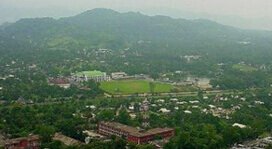
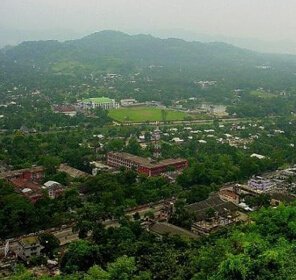
Situated beside the immpressively wide and muddy
Brahamputra River, Guwahati is Assam's sleepy capital. Once known
as Pragjyotishpura (the Eastern City of Light) and mentioned in
Mahabharta, it 
has long been the most important town in the region. It's now the
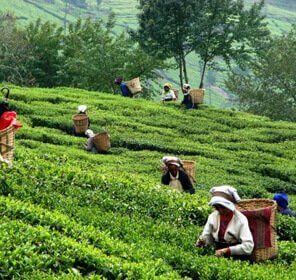
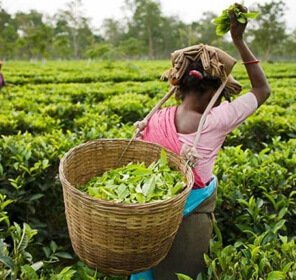
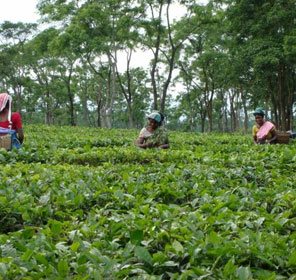
service centre for the oil industry and tea plantations; the world's
largest tea auctions are held here. Guwahati is pleasant, relaxed
place. There are numerous anacient Hindu temples in and around the
town, but its main importance is as the gateway to the whole of
the north-eastern region. The name (Guwahati) is a combination of
two words: "Guwa" meaning areca nut and "Hat"
meaning market. Guwahati is the commercial nerve centre of the North-East.
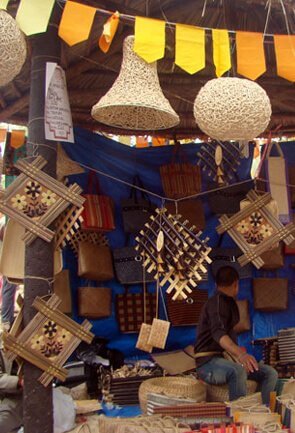
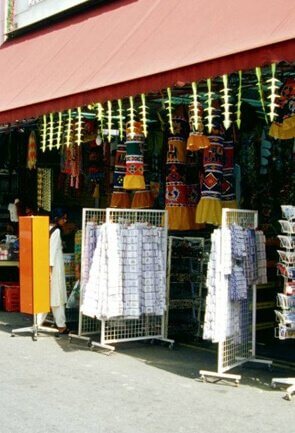
The places to shop for handicrafts and handloom items include the
State Government's department store, Pragjyotika at Ambari as well
as several private shops in Pan Bazar and Fancy Bazar, two of the
main commercial markets .
Altitude : 55 meters.
Temperature (deg C ) : Summer- Max. 35, Min. 22; Winter- Max.
26, Min. 10.
Rainfall : 180 cms (from May to Sept.)
Best Season : October to May.
Transport and Communication : Well connected by air, rail, road.
PLACES
OF INTEREST :-
Kamakhya Temple, Assam State Museum, Nabagraha Temple, Umananda
Temple, Assam State Zoo & Botnical Gardens.
Kamakhya
Temple
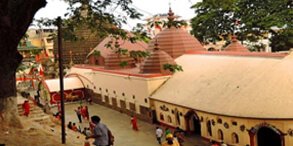
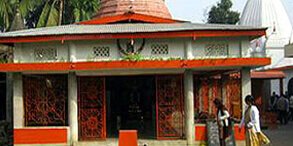
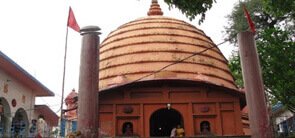
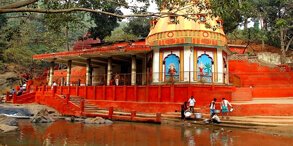
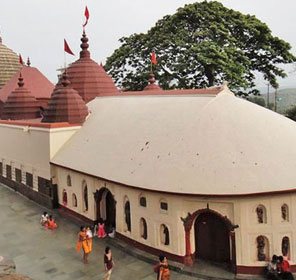
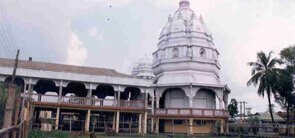
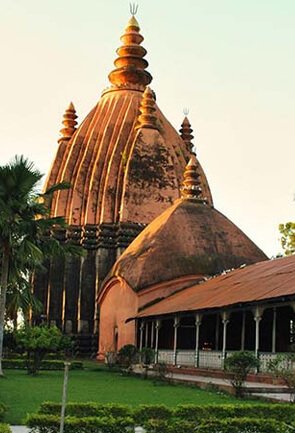
Guwahati's best known temple is Kamakhya Temple on Nilachal Hill,
eight km west of the city. These temples honour the Mother Goddess
Kamakhya, the essence of female energy . Kamakhya is one of the
51 Hindu 'Pithas' where as per the mythology the genital organ of
the Sati (Parvati) - the eternal wife of Lord Shiva - had fallen
down after death in one of her incarnations. It is considered as
one of the most important centres of Shakti worship and Tantric
Hinduism. The Temple was rebuilt in 1665 after being destroyed by
Muslim invaders, but its origins are much older than that. It was
probably an ancient Khasi sacrificial site, sacrifices are still
very much part of worshipping here. Group of devotees arrive each
morning with goats to offer to Shakti. It attracts pilgrims from
all over India , especially during the Ambuchi Festivals which usually
falls around July. This is a celebration of the end of the earth's
menstrual cycle. .
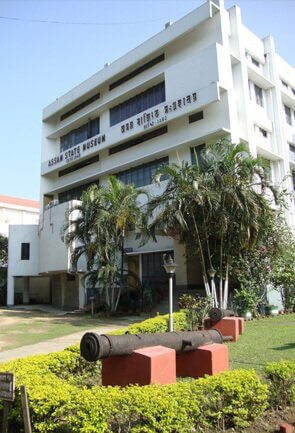
Assam
State Museum
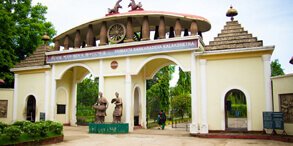
This archaeological, ethnographic and natural history museum has
recently been enlarged and is well worth a visit. There are also
good displays of weavings, musical instruments and large sculpture
gallery. The museum is open daily except Monday, from 10 am to 4.15
pm (5 pm in summer). It's also closed on Sunday afternoon and on
the second and fourth Saturday of each month.
Navagarh
Temple
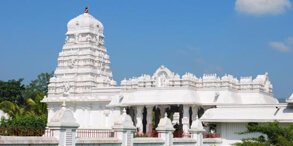
Situated on Chtitrachal Hill to the east of the town, the Temple
of the Nine Planets has long been known as a centre of astrology
and astronomy. The nine planets are represented by nine linga inside
the main temple.
Umananda
Temple
The most interesting thing about this Siva temple is its location,
on Peacock Island in the middle of the river.
Assam
State ZOO & Botnical Gardens
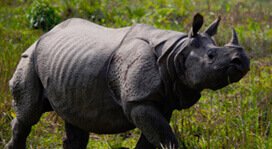
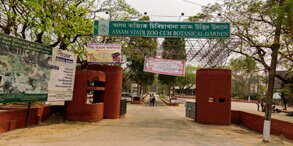
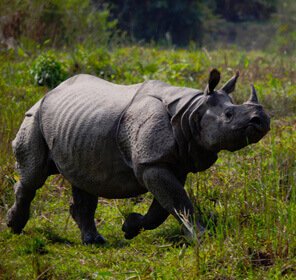
The zoo & botnical gardens are about five km east of the railway
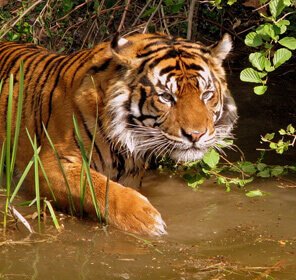
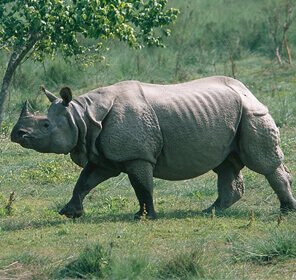
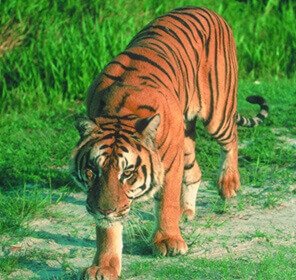
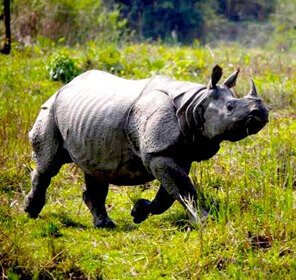
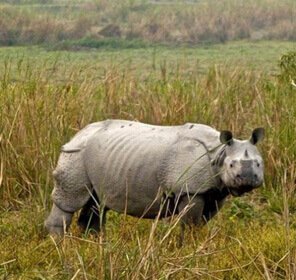
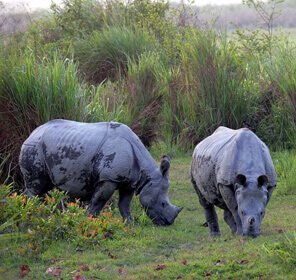
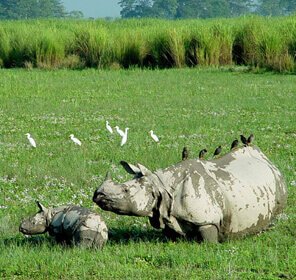
station. The zoo is reasonably well manged and has tigers, leopords
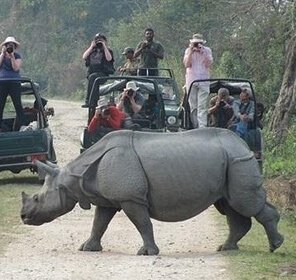
and , of course, Assam famous rhinosplus the African two-horned
variety for comparison. They are open daily except Friday.
AROUND
GUWAHATI :-
Hajo, Sualkuchi,Chandubi, Baisisthashram, Darranga, Pabitora, Madan
Kamdev, Manas Wldlife Sanctuary.
Hajo
This place, 25 km west of Guwahati, is the site of the Pua-Mecca
Mosque, established by an Iraqi prince-turned-preacher, who travelled
all the way to Assam in the 12th century to spread the Prophet's
teachings. Hajo is a sacred place for Hindus, Muslims and Buddhists.
The town also boasts the Hayagriba Madhava Temple, accessible via
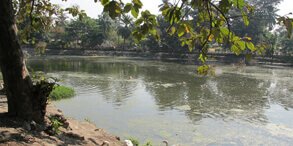
a long stone stairway. At the foot of the stairway is a large pond
inhabited by one of Hajo's eminent residents: a giant turtle. Hajo
is also renowned for its bell metal work.
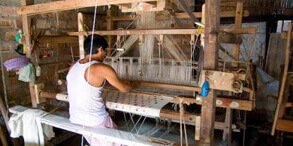
Sualkuchi
Also across the river from Guwahati, 32km away, Sualkuchi is
a famous silk-weaving centre best known for its muga silk which
is naturally golden-coloured, not dyed. Endi and pat silks are also
woven here, and pat silks are lower than in Guwahati.
Chandubi
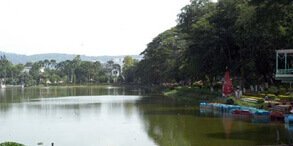
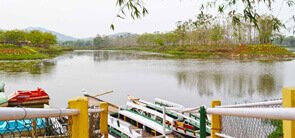
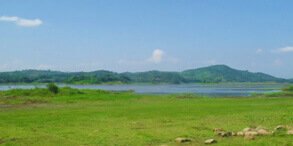
A natural lagoon and a fine picnic spot, 64 kms from Guwahati.
The lake is a perfect holiday resort, with ample fishing and rowing
opportunities.
Basistha
A popular picnic spot with small temples and a waterfall, Basistha
is where the rishi or sage, Basistha, once lived. It's 12km from
Guwahati.
Darranga
80km away on the Bhutan border, is great winter trading area
for the Bhutia mountain folk.
Pabitora
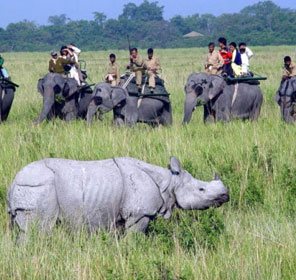
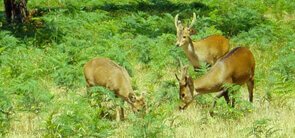
A small wildlife sanctuary, 60 kms from Guwahati. Rhino and
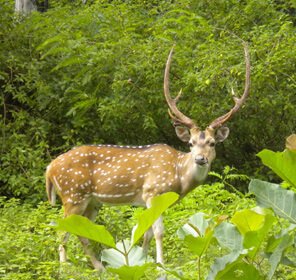
various species of deer abound here.
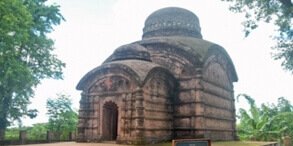
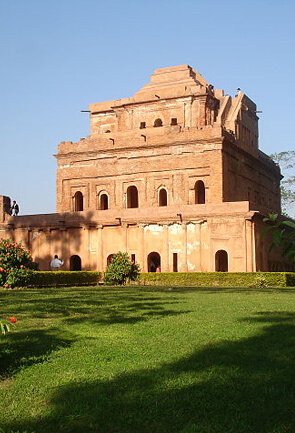
Madan
Kamdev
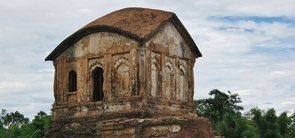
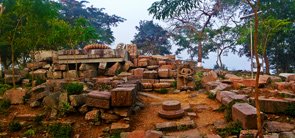
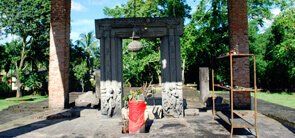
About 35 km from Guwahati, this place is famous for its impressive
archaeological ruins.
Manas
Wildlife Sanctuary
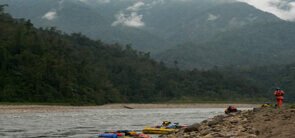
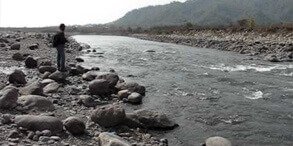
Situated on the banks of river Manas, and 176 km from Guwahati,
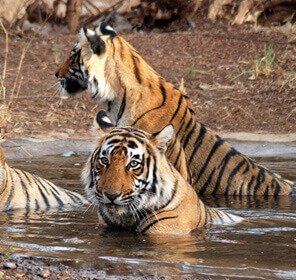
this sanctuary is the only 'Tiger Project' of its kind in Assam.
The park straddles two rivers, the Manas and its tributary the Hakua,
along the Assam-Bhutan border. The protected area extends into the
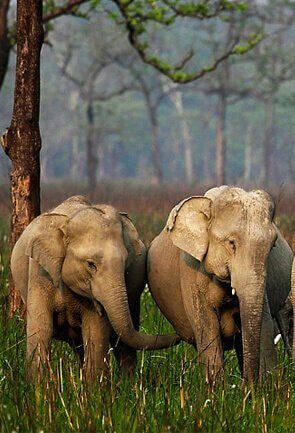
Bhutan foothills. Manas houses 19 of India's most endangered animal
populations, home to the rare golden langur and a sizeable tiger
population. Its wetlands are essential for the survival of the fast-vanishing
hispid hare and pygmy hog. The fauna to be found here include the
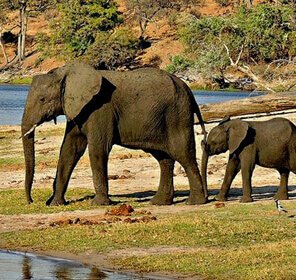
rhino, wild buffalos, elephants, gaur, swamp deer, capped langur
and clouded leopard. The park, the eastern range of the chital and
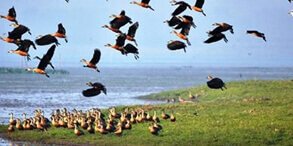
habitat of the sambar deer, also boasts a rich and diverse avian
population. The main highlight is the giant hornbill, two subspecies
of which, the pied and grey varieties, are to be found here.
|