Tourmyindia.com
Tour My India - Complete Travel Portal for Maharashtra, get complete information on excursions from mumbai, excursion tours to mumbai, bombay excursion, places to see around mumbai, places visiting near mumbai, sightseeing around mumbai, Bassein Fort travel, elephanta island of mumbai, elephanta caves, sanjay gandhi national park, hill station around mumbai, Matheran tours, trip to Khandala, tours to Lonavala, travelling khandala, Lonavala hill station, mumbai travel destinations, mumbai tourism, mumbai travel guide, mumbai india tours.
Package Tours | Book A Hotel | Rent A Car | Air Tickets
Find What you are looking for

Home

States of India Maharashtra
Andhra Pradesh
Arunachal Pradesh
Assam
Bihar

Chhattisgarh

Delhi

Goa

Gujarat

Haryana

Himachal Pradesh

Jammu & Kashmir
Jharkhand
Karnataka

Kerala

Madhya Pradesh

Maharashtra
Manipur

Meghalaya

Mizoram
Nagaland

Orissa
Punjab
Rajasthan
Sikkim
Tamil Nadu
Tripura
Uttaranchal

Uttar Pradesh
West Bengal


     Union Territories

Andaman and 
      Nicobar Islands

Chandigarh
Dadra and Nagar       Haveli 
Daman and Diu
Lakshadweep
Pondicherry
 

Ask tourmyindia.com for information on Indian States Maharashtra


Indian States
Maharashtra
General Info | Cities | Festivals | Wildlife | Pilgrimages | Map | Hill Stations | Beaches | Hotels
Cities In Maharashtra
Mumbai

( Excursion )

Elephanta Island
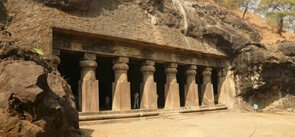
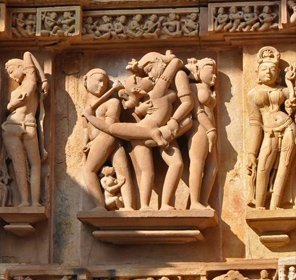
The rock-cut temples on Elephanta Island, nine km north-east of Apollo bunder, are Mumbai's major tourist attraction. They are thought to have been created between 450 and 750, when the island was known as Gharapuri, the Fortress City. The Portuguese renamed it Elephanta because of a large stone elephant near the shore. This statu collapsed in 1814, and the British removed the remaining pieces to the Victoria Gardens where it was reassembled and still stand today. Unfortunately the Portuguese took their traditional disdain for other religions to its usual lengths at Elephanta and did considerable damage to the sculptures, though their size, beauty and power remain impressive. There is one main cave with a number of large sculpted panels, all relating to Siva, and a seperate lingam shrine. The most famous of the panels is the impassive Trimurti, or Triple-headed Siva, where the God also takes the role of Brahma the creator and Vishnu the preserver. The central bust of Siva, its eyes closed in eternal contemplation, may be the most serene sight you witness in india. There are also figures of Siva dancing the Tandava, the marrige of Siva an Parvati, Ravana shaking Kailasa, a scary carving of Siva killing the demon Andhaka, and one in which Siva appears as Ardhanari, uniting both sexes in one body.

Sanjay Gandhi National Park
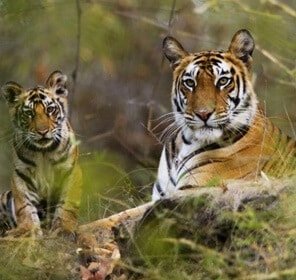
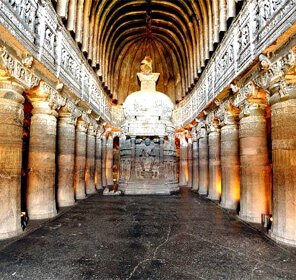
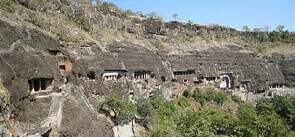
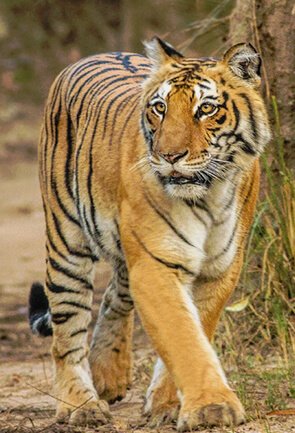
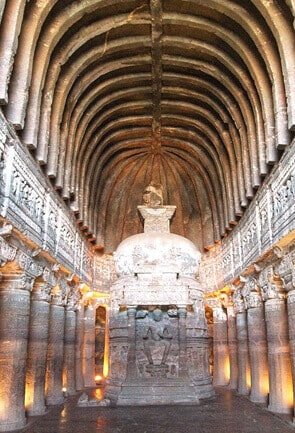
This 104 sq km protected area of forested hills on Mumbai's northen outskirts was formerly called the Borivali National Park. It's best known for the 109 Kanheri CCaves, which line the side of a rocky ravine in the centre of the park. They were used by Buddhist monks between the 2nd & 9th enturies as viharas (monasteries) & chaityas (temples). The most impressive is cave 3, the great Chaitya cave, whicch has a long colonnade of pillars and a five metre high dagoba at the back of the cave. Several other caves have interesting sculptures, though the majority are little more than shelters carved into the rock. Entry to the national park costs Rs. 2; entry to the caves, a further five km from the park entrance, is another Rs 2. There's Lion Safari Park 500m inside the national park entrance. 'Safari trips' run daily except Monday between 9 am & 5 pm; entry is Rs 10. The Park's natural wildlife, which includes a small population of tigers and panthers, is under serious threat from urban encroachment.

Manori Beach
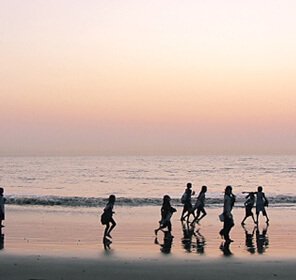
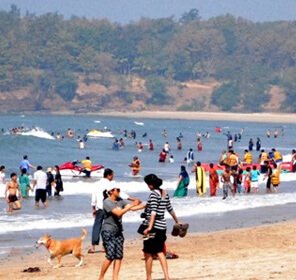
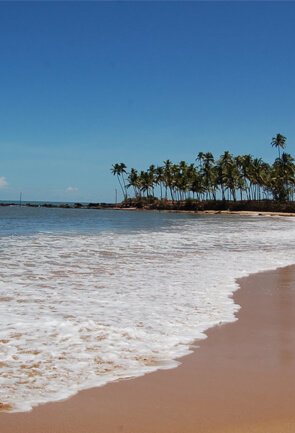
This sleepy beach near the Portuguese flavoured fishing village of Manori is a weekend retreat for wealthy Mumbai families and the scene of occasional beach parties. It's in a surprisingly rural environment, about 40km from the city centre.

Matheran
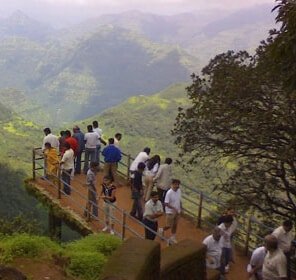
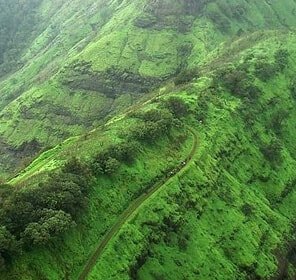
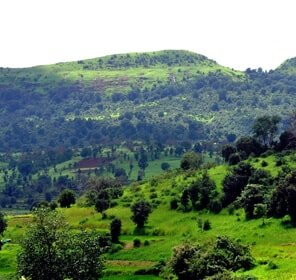
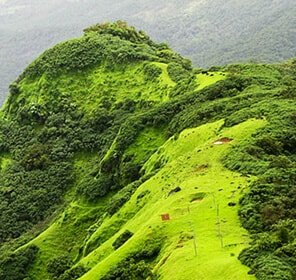
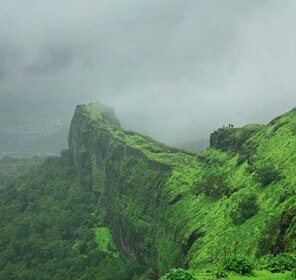
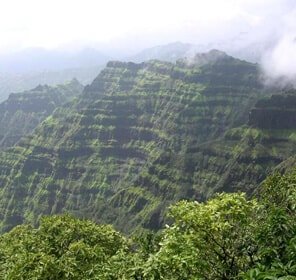
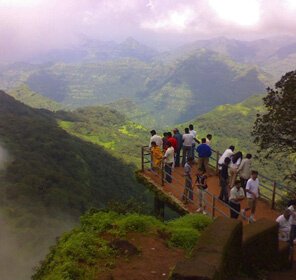
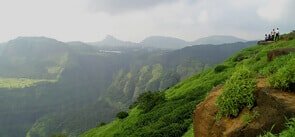
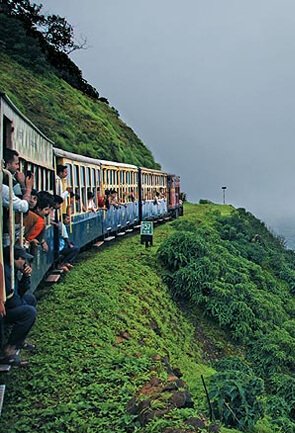
Matheran is the nearest hill station to Mumbai. It's 60km east of the city, situated on a spur 750m up in the Sahyadri Ranges of the Western Ghats. It's accessible from the foothills by a toy train that dramatically zigzags its way up the face of the Ghats. The town has a number of old colonial bungalows and is fringed by walking tracks leading to lookouts that drop 500m sheer to the plains. On a clear day the views are fantastic and it's possible to see Mumbai from Hart Point. There are also fine views from Louisa Point, Panorama Point and Little Chouk Point. Pleasant diversions include Charlotte Lake and the Parsi and Hindu cemeteries near Rambaug Point.

Lonavala And Khandala
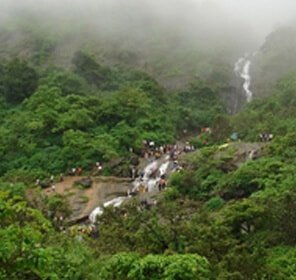
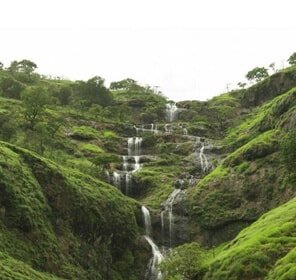
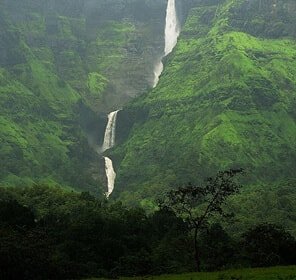
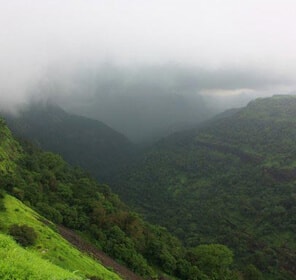
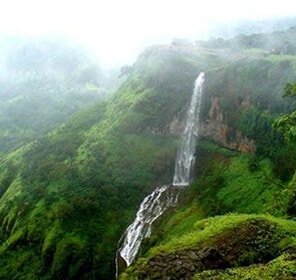
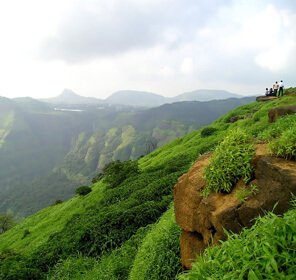
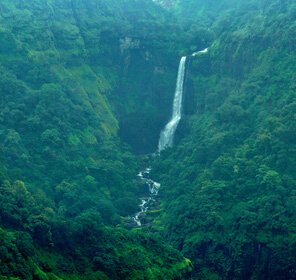
Lonavla and Khandala are twin hill resorts, 5km apart, that cater to weekenders and conference groups from Mumbai. They're situated around 120km south-east of Mumbai, 600m up in the Western Ghats on the Mumbai-Pune Highway and Mumbai-Pune railway line. Khandala is the more peaceful of the two towns. It overlooks a picturesque ravine and is surrounded by wet-season waterfalls. Lonavla is simply the most convenient base from which to visit the Karla and Bhaja caves. The Walwan Dam at Lonavla was built in 1915 to supply hydroelectric power to Bombay's textile mills.

Chaul
This Portuguese trading settlement on the northern shore of the Roha River estuary was once second in importance only to Bassein. It's an interesting place to visit if you enjoy poking among ruins and imagining the past. Chaul was an important seaport of the Bahmanis of Gulbarga (now in Karnataka), even before the Portuguese set up shop here in 1522. The Portuguese built a fortified city containing numerous churches, factories and a governor's house. They preached, proselytized and traded successfully from Chaul until eclipsed by the Marathas in 1739, the same year that bassein fell. When the British trundled down here in the early 19th century Chaul was long past its heyday, where it has steadfastly remained ever since. There are a few remnants of Portuguese fortifications and a couple of ruined churches picturesquely situated in the midst of luscious palm groves. The 16th century hilltop Korlai Fort sits on the opposite bank of the river. It was built in 1592 by Muslims forces, but the Portuguese didn't tolerate it for long.
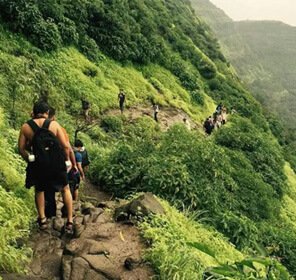
Kihim & Alibag
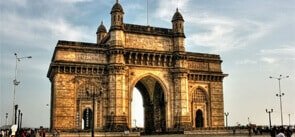
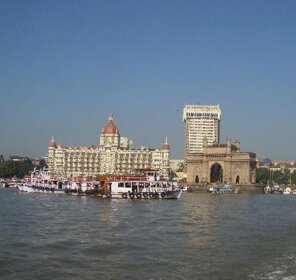
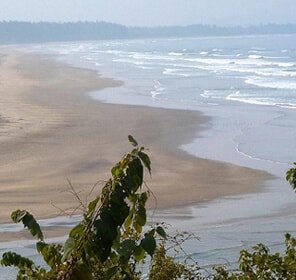
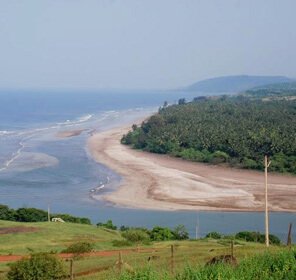
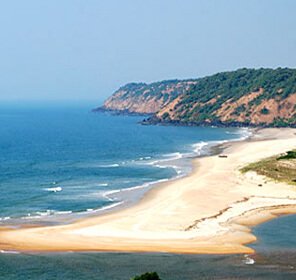
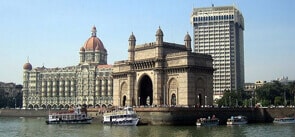
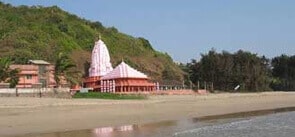
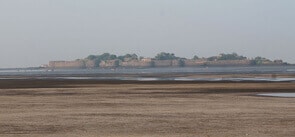
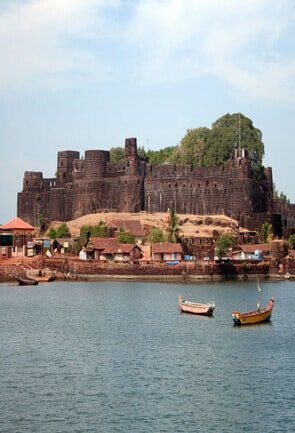
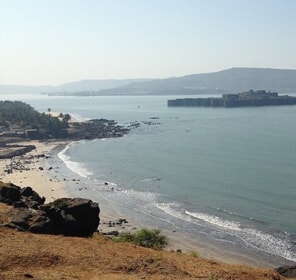
There's a string of tolerable beaches on the Indian mainland, easily accessible by ferry from the Gateway of India. Mumbai's elite have built beach cottages in the area, though you could hardly call it a Riviera. The main attraction is respite from Mumbai's urban environment, fresh air, solitude, and strolls along the seashore rather than swimming and sunbathing fantasies. There are beaches at Mandwa, Kihim, near Alibag and at Nagaon. Alibag was once the headquarters of the Maratha naval fleet and boasts two forts. The most impressive, Kolaba Fort, is on an island in the middle of Alibag Harbour.

Bassin Fort
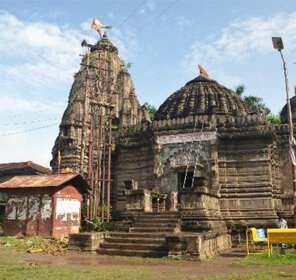
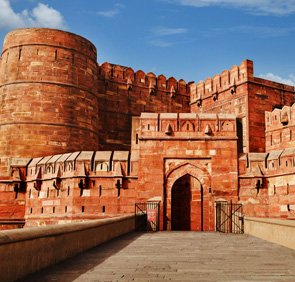
The atmospheric remains of the Portuguese fortified city of Bassein make an interesting day trip from umbai. They' re on the northern shore of the estuary of Bassein Creek(Ulhas River), the river that separates Greater Mumbai from the Indian mainland. During the 16th & 17th centuries this was the administrative and judicial centre of the region, responsible for the inconsequential islands of Bombay. The fort was constructed in 1532 by Bahadur Shah, the sultan of Gujrat, but spectacularly failed to do its job when attacked by the Portuguese the following year. The sultan granted Bassein & the islands of Bombay to the Portuguese in the hope that an alliance with the European power might halt Mughal incursions into Gujrat.


Destination India
Maps Of Indian Cities
Hot Destinations
Beaches In India
Hotels/Resorts
Tourist Attractions
Treks in India
 

TourMyIndia.com, Online Tour Operator in India for Tour Packages, Car / Coach Rental Services, Hotel Bookings and Air Bookings

*(represents Compulsory Fields)
*Name : No. of Persons :
*E-Mail : Date of Arrival :
Phone :
(including area code)
Duration of stay : Days
*Country :    
*Describe Your Requirements: