Gleaming in the realms of South India as a popular wildlife tourism destination, Tamil Nadu is the answer to all your fantasies for a perfect vacation. The state is like a treasure for travellers who love to enjoy not just the temples and other architecture marvels but dream of a perfect wildlife safari in some of the most popular reserves harbored on the land. To begin with the state covers an protected area of 7,072.95 sq. km which is almost 30.92% share of the State's Forest area.Going by the facts, the state is home to 5 National Parks , 4 Tiger Reserves, 15 Wildlife sanctuaries,2 conservation reserves and �15 bird sanctuaries which are rooted and built under the Wildlife (Protection) Act, 1972. When we talk of the National Parks,�the first one out of them was formed in the year 1976 namely Guindy National Park, followed by Gulf of Mannar Marine National Park, Indira Gandhi National Park, Mudumalai National Park and the last one formed in 1990 named Mukurthi National Park. All of these National Parks have their own way of taking care of the endangered species, like one out of them is a tiger reserve while the other is known for being the refuge for vulnerable species. All of these reserves run with a motive in mind to protect the wildlife and biodiversity and to conserve them from activities like poaching and hunting.
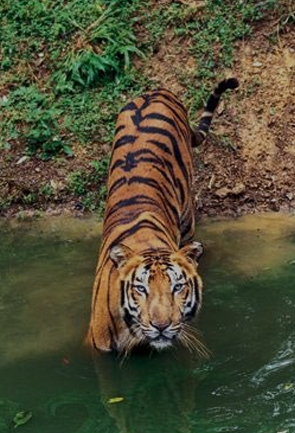
And that's not all as the state is proud to own 17 Wildlife Sanctuaries which also run on the same ground of rules. Another fact that would interest a wildlife enthusiast is that the state itself provides shelter to more than 2000 species like mammals, birds,insects, marine species, reptiles and amphibians. Animals like Tiger, Leopard, Wild boar,Chital,Hyena,Bonnet macaque, Teals, Black Buck, Gulls, Sambar, �Terns, Plovers, Flamingos, are sheltered to name a few.For those who love spending their holidays close to nature and wish to enjoy �bird watching can take a topsy turvy ride to sanctuaries like Vedanthangal Bird Sanctuary, Mudumalai Sanctuary,Vettangudi Bird Sanctuary,Karaivetti Bird Sanctuary, Point Calimere Sanctuary and many more. Always moving a step ahead in conservation of these wild creatures, The Biodiversity Conservation and Rural Livelihood Improvement Project which is initiated in Kalakkad-Mundanthurai Tiger Reserve is another way to spread awareness about conservation at a large scale.Five districts fall under this project namely Tirunelveli,Theni, Virudhunagar, Madurai and Kanyakumari. A wildlife tour in the through the wild forests and covering every path of the wild side of Tamil Nadu, can be one of the ultimate adventure breaks of all time.




































 Packages