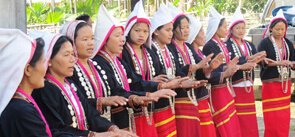
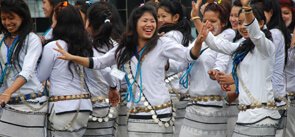
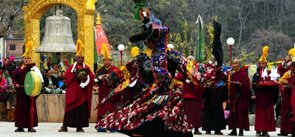
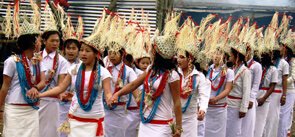
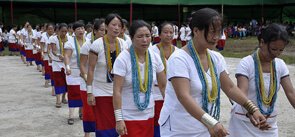
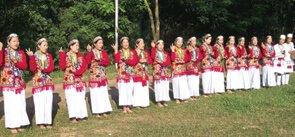
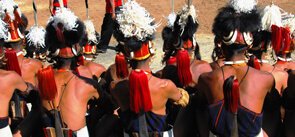
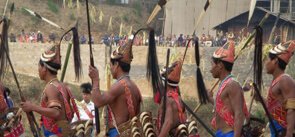
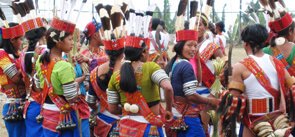
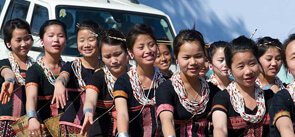
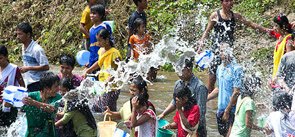
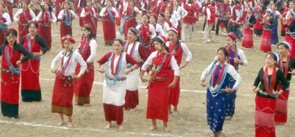
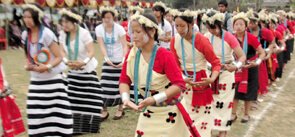
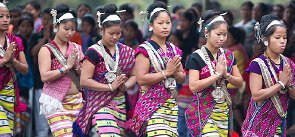
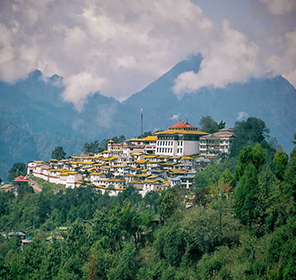
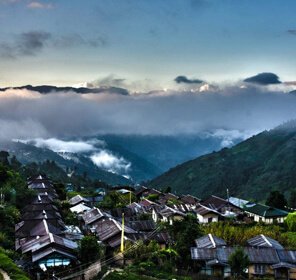
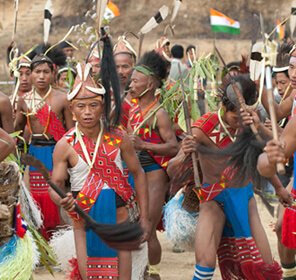
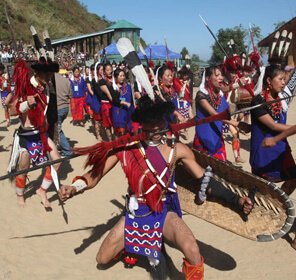
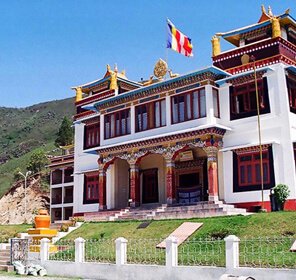
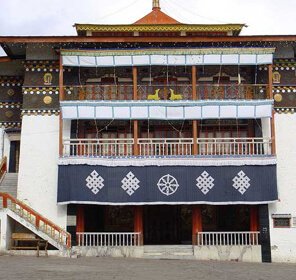
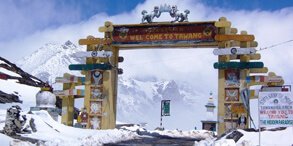
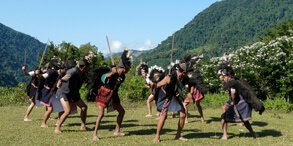
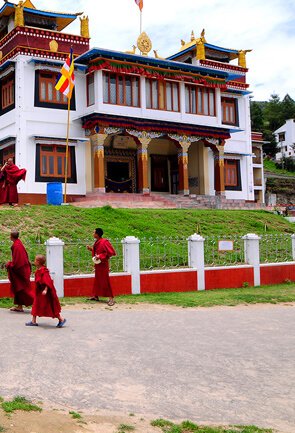
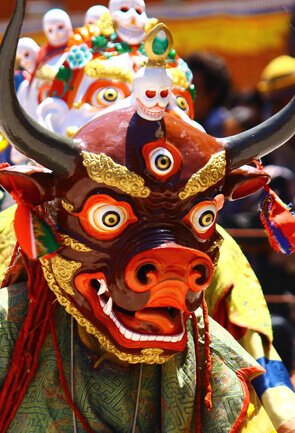
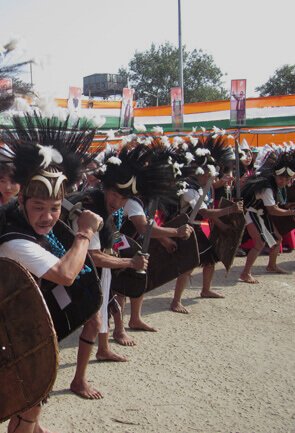
The far Northeast part of India - Arunachal Pradesh has always been in a class by itself for its quirky culture and people. Phloethra of tribes are nestled in this region, which makes it extraordinary cultural center, and must visit over a holiday in India. No wonder, there's nothing like Arunachal Pradesh when it comes to the cultural holidays. And there's no better way to understand the heady mix of people, culture, and tradition than to be a part of any of the fair, and festivals of Arunachal Pradesh. Interesting, and fun in their own ways, during these festivals people dance, sing, pray, and pay gratitude. People of Arunachal Pradesh love celebrate, be it agriculture, socio-cultural or religious, their calendars always remain filled with festivals, holidays and other reasons to make merry. Arunachal Pradesh festival calendar commences with the Torgya Dance Festival, an annual festival held exclusively in Tawang Monastery. Since agriculture is the main population of Arunachal Pradesh, thus here one can find fairs and festivals related to it like Choekhor Harvest Festival, Solung, and Loku.
Must attend on a cultural tour to Arunachal Pradesh, during all these tribal festivals one can see unique ceremonies performed by the priest and other arrangements done by the people. Also, animal sacrifice is a common ritual in most of the festivals in Arunachal Pradesh. Tribal festivals are also worth some attention like Nyokum, which is celebrated for the harmony and prosperity of the people; Lossar Festival that marks the commencement of the New Year by the Monpa tribe, and Dree Festival commemorated for the protection and prosperity of mankind.
The ceremonies of all the festivals in Arunachal Pradesh might be different but dancing and music is one element that connects them all. Flattery, unique, and distinctive in all possible manners, the festivals are a must attend over a holiday in Arunachal Pradesh.