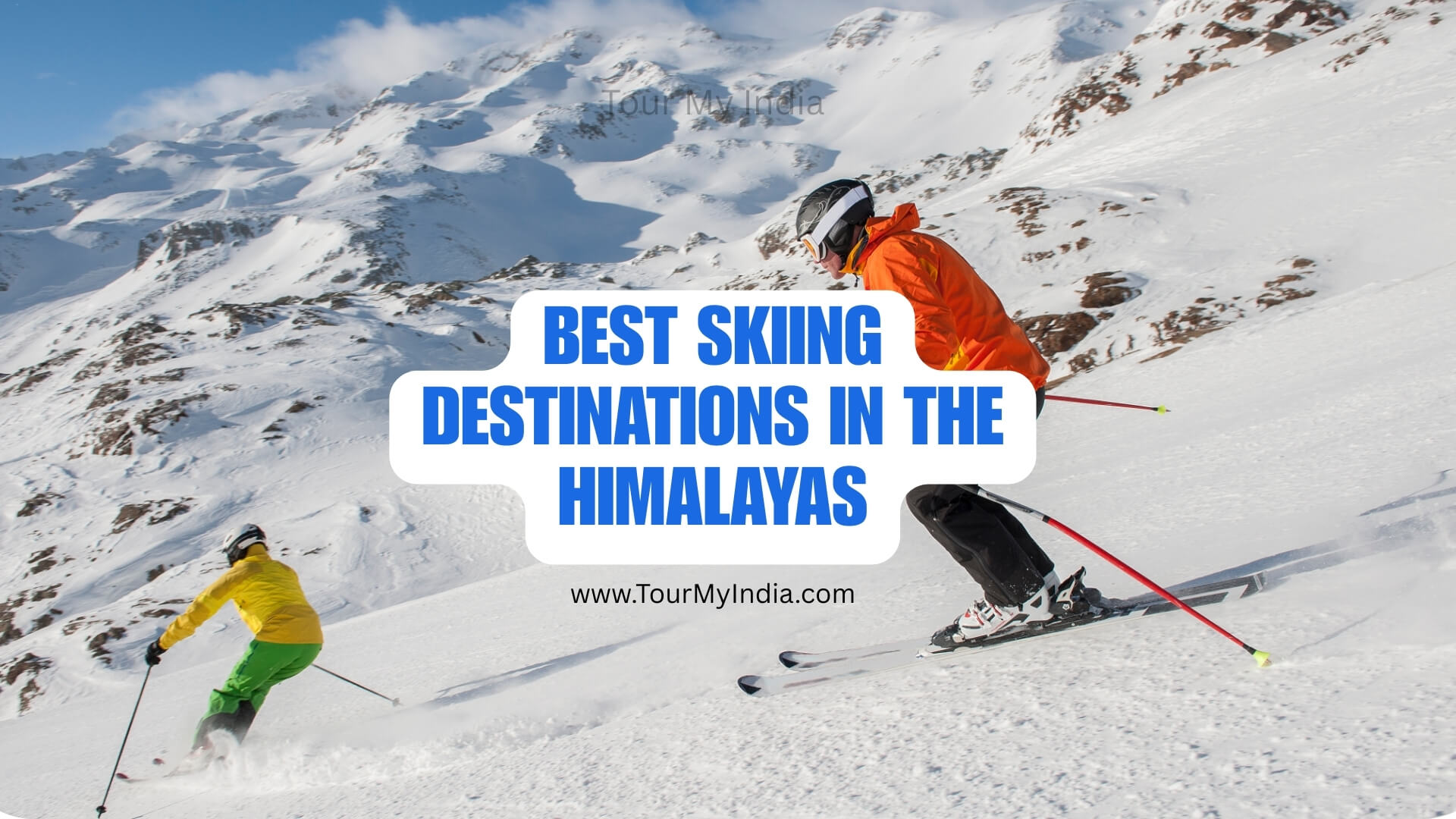
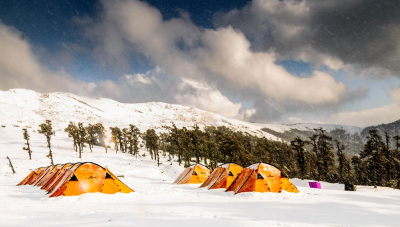
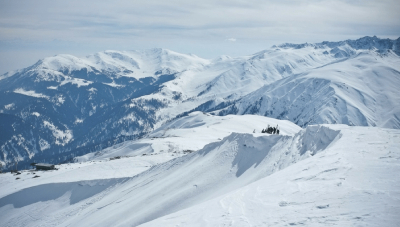
Skiing in India is defined by high-altitude alpine terrain and natural powder conditions. The Himalayan circuit offers a distinct experience focused on vertical descent and vast, open-boundary slopes. Unlike Europe or North America, skiing here relies heavily on natural snowfall, altitude, and short winter windows. When conditions align, however, destinations across the Himalayas transform into rewarding ski hubs, ranging from gentle beginner slopes to some of Asia’s most challenging alpine descents.
Skiing Destinations in India: Quick Comparison by Skill Level & Experience
| Skill Level |
Best Destinations |
Skiing Experience |
Crowd Levels |
Best Months |
| Beginners |
Solang Valley (Manali), Auli, Kufri, Pahalgam (Aru Valley) |
Gentle slopes, instructor-led learning |
Medium-High |
Dec – Feb |
| Intermediate |
Narkanda, Dayara Bugyal, Phuni Valley |
Longer runs, natural terrain, skill progression |
Low-Medium |
Jan – Mar |
| Advanced |
Gulmarg (Apharwat), Mundali, Munsiyari |
Steep gradients, off-piste, high-altitude skiing |
Low |
Jan – Feb |
Check out: Popular Skiing Tourism Packages in India
Best Time for Skiing in India: What Actually Matters
Skiing in India is highly dependent on natural snowfall, altitude, and weather patterns rather than fixed dates. While most ski destinations operate during winter, conditions vary each year.
- January typically offers the most reliable snow base across Indian ski destinations
- February often brings deeper powder at higher-altitude locations like Gulmarg
- December skiing depends on early snowfall and is best suited to beginner-friendly slopes
- March skiing is possible in select regions but can be weather-sensitive
Rather than planning around dates alone, travelers should consider snow consistency, crowd levels, and their skill level when choosing a destination.
Health & Altitude Note: Most skiing destinations in India are located above 2,500 meters. Travelers with asthma, heart conditions, or altitude sensitivity should consult a doctor before planning a skiing trip and allow a day for acclimatization upon arrival.
1. Manali (Solang Valley), Himachal Pradesh
- Best for: First-time skiers, families, casual winter travellers
- Skiing Altitude: 2,050-2,600 m
- Best Months: December to February
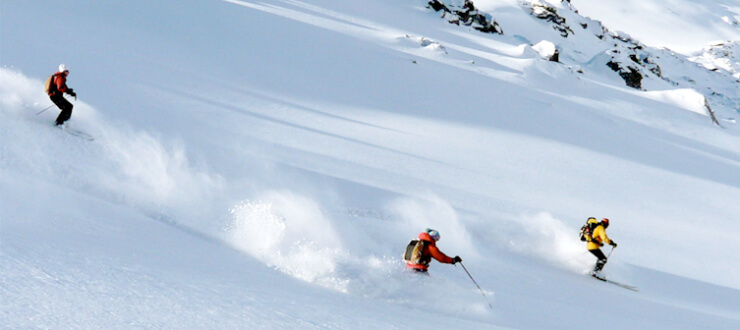
Solang Valley is India’s most accessible introduction to skiing and snow sports. Located just outside Manali, it offers short, gentle slopes designed for learning rather than progression, making it ideal for those trying skiing for the first time.
Skiing Character
Skiing here is instruction-led and beginner-focused, with shallow gradients and controlled runs. Solang Valley serves as a primary learning center. The controlled gradients and high instructor-to-student ratio make it an efficient base for mastering skiing fundamentals.
Skill Suitability
- Suitable for: Absolute beginners, children, first-time snow visitors
- Not suitable for: Intermediate or advanced skiers seeking challenge
Most skiers outgrow Solang’s slopes within a day or two once basic balance and turning are learned.
Good to Know
- Slopes can feel crowded during weekends and peak holiday periods
- Snow reliability depends on early winter snowfall; artificial grooming is limited
- Activities often share space with snow play and tourist crowds
Stay & Logistics Insight
Staying in Manali allows easy day access, but early morning starts are crucial to avoid congestion. Staying closer to Solang improves slope time during peak season.
Expert Insight
Solang Valley works best as a learning ground, not a destination for serious skiing. It delivers a safe, fun first experience, but expectations should remain realistic.
Recommended Tour Package : 10 Nights 11 Days Manali Skiing Tour Package
2. Auli, Uttarakhand
- Best for: Beginners to intermediate skiers
- Skiing Altitude: 2,500-3,050 m
- Best Months: December to February
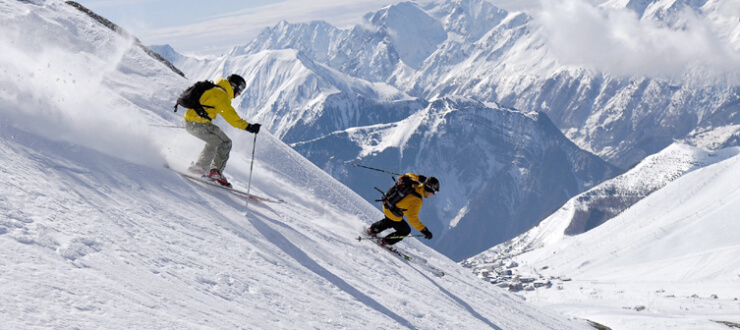
Auli is India’s most structured ski destination, known for wide, well-laid slopes and formal training infrastructure. Backed by panoramic Himalayan views, it offers a controlled environment that balances learning with progression.
Skiing Character
Auli’s slopes are longer and more consistent than most beginner destinations in India. The terrain supports gradual skill development, making it suitable for multi-day learning.
Skill Suitability
- Suitable for: Beginners, improving skiers, first-time learners wanting proper training
- Less ideal for: Advanced skiers seeking steep alpine terrain
- The destination prioritizes technique over thrill
Good to Know
- Auli provides a structured environment for technical progression. Its infrastructure supports those seeking disciplined training and clear skill advancement on groomed slopes.
- January offers the most reliable snow base
- Chairlifts and ski lifts improve accessibility but can be busy during peak weeks
Stay & Logistics Insight
Staying in Auli itself ensures better slope access than commuting daily from Joshimath. Weather disruptions can affect cable car operations, so buffer days help.
Expert Insight
Auli is the best place in India to learn skiing properly, but it is not designed for high-adrenaline or advanced terrain skiing.
Also Read: Reasons Why You Should Visit Auli
3. Gulmarg, Jammu & Kashmir
- Best for: Intermediate to advanced skiers
- Skiing Altitude: 2,650-4,000 m
- Best Months: January to March
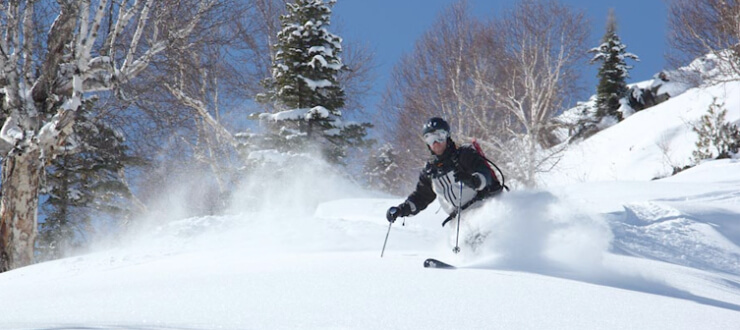
Gulmarg offers India’s most serious and rewarding skiing terrain, with deep powder snow and dramatic alpine descents. Gulmarg offers world-class alpine skiing at Apharwat Peak. The destination is optimized for advanced skiers who prioritize deep powder and high-gradient runs.
Skiing Character
Skiing here is terrain-driven rather than resort-driven. Upper slopes around Apharwat Peak provide long, natural descents with minimal grooming, appealing to confident skiers.
Skill Suitability
- Suitable for: Experienced intermediate and advanced skiers
- Not suitable for: Absolute beginners without prior instruction
Beginners should remain around Kongdori and avoid higher alpine zones.
Good to Know
- Weather changes rapidly at altitude; gondola operations depend on visibility
- Powder conditions are excellent but demand fitness and control
- Peak snowfall weeks attract global ski enthusiasts and crowds
Stay & Logistics Insight
Staying near the gondola base is critical. Daily travel from Srinagar often leads to lost ski hours due to road or weather delays.
Expert Insight
Gulmarg is exceptional only when chosen with the right skill level and preparation. Treated casually, it overwhelms; approached correctly, it delivers India’s finest skiing.
Also Read: Popular Places to Visit in Gulmarg Kashmir
4. Pahalgam (Aru Valley), Jammu & Kashmir
- Best for: Beginners, scenic skiing, relaxed winter travellers
- Skiing Altitude: 2,400-3,000 m
- Best Months: December to March
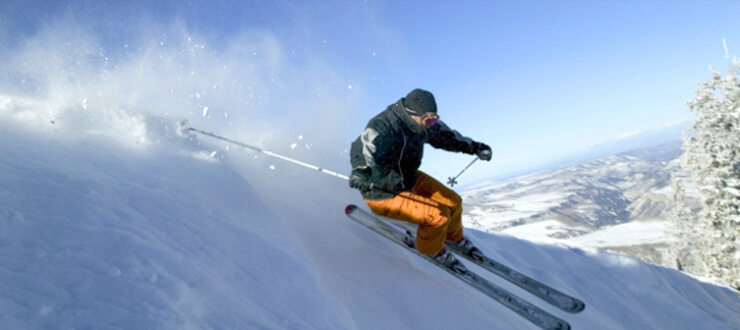
Aru Valley, near Pahalgam, offers a quiet and scenic skiing environment, far removed from the commercial intensity of Gulmarg. The focus here is on gentle slopes set against open alpine landscapes rather than technical terrain.
Skiing Character
Skiing in Aru Valley is slow-paced and experience-driven, suited to those who value surroundings and comfort over performance. Slopes are wide and forgiving, ideal for controlled learning.
Skill Suitability
- Suitable for: Beginners, first-time skiers, travellers seeking a calm setting
- Not suitable for: Intermediate or advanced skiers seeking progression
This destination is about confidence-building, not skill advancement.
Good to Know
- Infrastructure is modest compared to Auli or Gulmarg
- Skiing operations depend heavily on natural snowfall
- Fewer commercial operators mean quieter slopes but limited flexibility
Stay & Logistics Insight
Staying in or near Pahalgam ensures easy access, while Aru itself works best as a day-use skiing zone. Travel is weather-dependent during heavy snowfall.
Expert Insight
Aru Valley suits travelers who want a peaceful first skiing experience without crowds, but it should not be chosen for serious skiing ambitions.
5. Kufri, Himachal Pradesh
- Best for: Beginners, families, short winter trips
- Skiing Altitude: 2,500-2,700 m
- Best Months: December to February
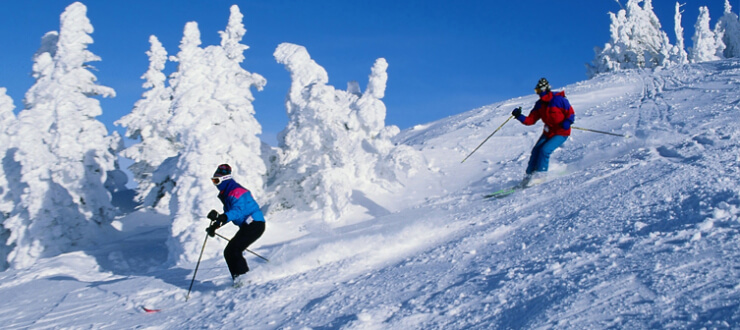
Kufri is one of Himachal Pradesh’s most popular winter stops, known for easy slopes and high tourist accessibility. Skiing here is closely tied to recreational winter tourism.
Skiing Character
Skiing in Kufri is short-run and instructor-assisted, often combined with snow play activities. The emphasis is on fun and familiarity with snow rather than structured skill development.
Skill Suitability
- Suitable for: Beginners, children, casual skiers
- Not suitable for intermediate or advanced skiers
Kufri works best for quick exposure rather than multi-day skiing.
Good to Know
- Slopes can get extremely crowded during peak holidays
- Snow conditions vary year to year
- Skiing sessions are often time-limited due to demand
Stay & Logistics Insight
Staying in Shimla provides comfort and access, but early arrival at Kufri is essential during peak season to avoid congestion and parking delays.
Expert Insight
Kufri is ideal for short, family-friendly winter experiences, but it should not be mistaken for a dedicated skiing destination.
Also Check out: Popular Skiing Tour Packages in Jammu & Kashmir
6. Narkanda, Himachal Pradesh
- Best for: Beginners to intermediate skiers
- Skiing Altitude: 2,700 m
- Best Months: January to February
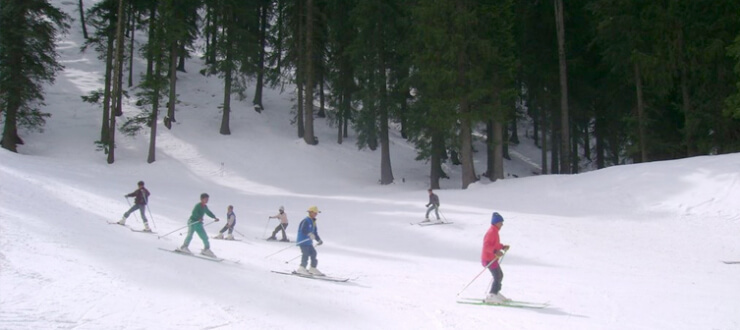
Narkanda is a training-oriented ski destination with fewer crowds and a more serious learning atmosphere than Kufri or Solang Valley. It has long been associated with formal ski courses.
Skiing Character
The slopes here offer a mix of gentle and steeper gradients, allowing learners to progress beyond basic balance and turning.
Skill Suitability
- Suitable for: Beginners looking to advance, intermediate skiers
- Less suitable for: Casual snow tourists seeking entertainment-style skiing
This is a destination that rewards commitment.
Good to Know
- Ski courses usually run on fixed schedules
- Infrastructure is functional rather than resort-style
- Snow reliability is strongest in January
Stay & Logistics Insight
Staying in Narkanda itself ensures early slope access and better training continuity. Limited accommodation means advance booking is essential during ski season.
Expert Insight
Narkanda is best chosen by travelers who want to learn skiing seriously, not those looking for a light winter holiday.
Also Read: Popular Snow Tourist Places in India
7. Dayara Bugyal, Uttarakhand
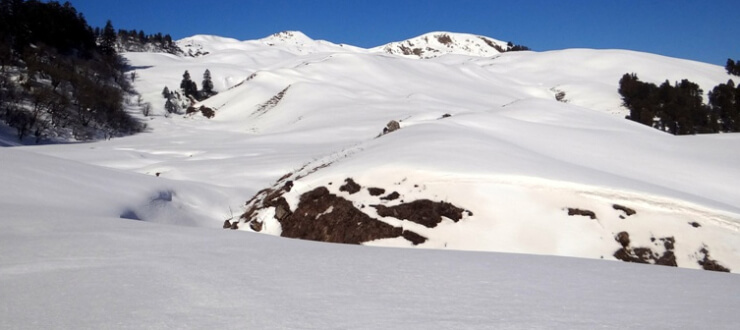
- Best for: Beginners to intermediate skiers, offbeat travellers
- Skiing Altitude: 3,000-3,400 m
- Best Months: January to March
Dayara Bugyal is one of Uttarakhand’s most scenic alpine meadows, offering open, wide terrain ideal for natural skiing conditions. Unlike commercial ski hubs, this destination remains relatively untouched.
Skiing Character
Skiing here feels raw and expansive, with long meadow slopes rather than defined resort runs. The experience depends more on snow conditions than infrastructure.
Skill Suitability
- Suitable for: Beginners with basic training, intermediate skiers
- Not suitable for: Absolute beginners without guidance or those seeking resort-style skiing
This destination works best for skiers comfortable adapting to natural terrain.
Good to Know
- Skiing depends entirely on natural snowfall
- Facilities are basic, with limited on-site amenities
- Weather conditions can restrict access during heavy snow
Stay & Logistics Insight
Base stays are usually in Uttarkashi or nearby villages, requiring daily travel to the slopes. Planning buffer days improves overall experience.
Expert Insight
Dayara Bugyal suits travelers seeking a pure, nature-driven skiing experience, not those expecting resort comforts or structured infrastructure.
Also Check Out: Dayara Bugyal Trekking Itinerary
8. Munsiyari, Uttarakhand
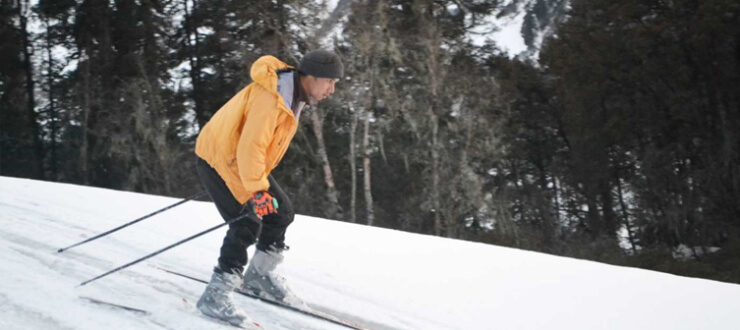
- Best for: Experienced skiers, high-altitude adventure seekers
- Skiing Altitude: 2,200-3,000 m
- Best Months: January to February
Munsiyari is a high-altitude Himalayan base known more for mountaineering and trekking than mainstream skiing. Skiing here is rugged and terrain-driven.
Skiing Character
The slopes are steep and physically demanding, offering a challenging experience against dramatic mountain backdrops.
Skill Suitability
- Suitable for: Experienced skiers with strong fitness levels
- Not suitable for: Beginners or intermediate learners
- This destination prioritizes endurance over refinement
Good to Know
- Weather can shift quickly due to altitude
- Skiing is often combined with mountaineering-style travel
- Medical and rescue facilities are limited
Stay & Logistics Insight
Accommodation is basic and functional. Travel to Munsiyari requires long road journeys, so skiing days are limited.
Expert Insight
Munsiyari is best for travelers seeking adventure-driven skiing, not comfort or structured instruction.
Also Check Out: Famous Winter Snow Trekking Adventure Tours in Himalayas
9. Phuni Valley, Sikkim
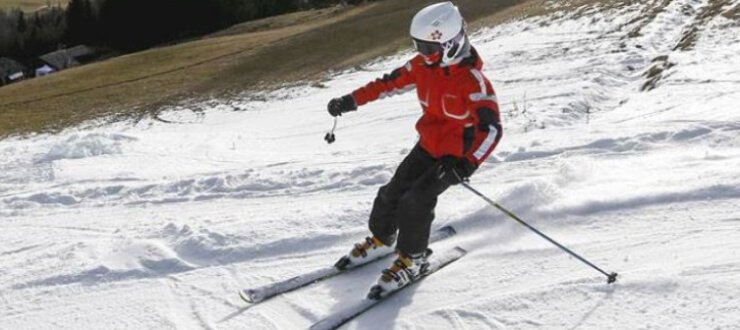
- Best for: Intermediate skiers, crowd-averse travellers
- Skiing Altitude: 3,300 m
- Best Months: December to February
Phuni Valley is an emerging skiing destination in Sikkim, offering smooth slopes and scenic isolation away from traditional Himalayan circuits.
Skiing Character
Skiing here is quiet and controlled, with gentle-to-moderate slopes suited for steady progression rather than adrenaline-heavy descents.
Skill Suitability
- Suitable for: Intermediate skiers
- Less suitable for: Absolute beginners or advanced alpine skiers
Good to Know
- Skiing infrastructure is still developing
- Snow conditions are generally reliable but weather-sensitive
- Access permits may be required depending on the route.
Stay & Logistics Insight
Stays are typically arranged in nearby towns such as Lachung. Travel time and permits must be factored into planning.
Expert Insight
Phuni Valley suits skiers looking for a less commercial, more exploratory experience, rather than polished resort skiing.
Also Read: Information About Adventure Tourism in Sikkim
10. Yumthang Valley, Sikkim
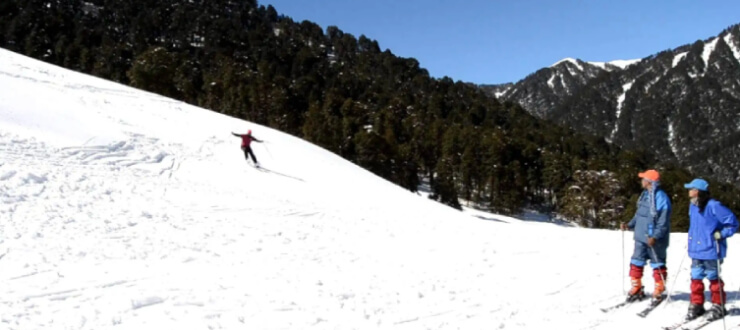
- Best for: Beginners to intermediate skiers, scenic winter travellers
- Skiing Altitude: 3,500 m
- Best Months: November to March
Yumthang Valley is better known for its landscapes, but during winter it transforms into a snow-rich valley suitable for basic skiing and snow exploration.
Skiing Character
Skiing here is casual and environment-driven, often combined with sightseeing rather than structured training.
Skill Suitability
- Suitable for: Beginners with supervision, intermediate skiers
- Not suitable for: Advanced skiers seeking technical terrain
This destination is about atmosphere more than performance.
Good to Know
- Skiing opportunities depend heavily on snowfall
- Facilities are limited and seasonal
- Extreme cold and altitude affect comfort levels
Stay & Logistics Insight
Accommodation is available in Lachung or nearby areas. Travel permits and road conditions must be confirmed in advance.
Expert Insight
Yumthang Valley works best as a scenic winter extension with light skiing, not as a core skiing destination.
Also Check out: Sikkim Tourism Packages
What Most First-Time Skiers Get Wrong in India?
Many travelers assume that the most famous skiing destination is also the most suitable. In reality:
- Not all slopes are beginner-friendly, even if the destination is popular
- High-altitude zones demand prior training, not trial-and-error skiing
- Crowd levels can impact learning quality, especially during weekends and peak snowfall weeks
For example, Gulmarg’s Apharwat Peak is world-class but not designed for first-time skiers, while Auli and Solang Valley offer safer learning environments with structured instruction.
Stay Matters as Much as Slopes
In Indian ski destinations, where you stay directly affects your skiing experience.
Staying close to ski slopes:
- Reduces daily travel delays caused by snow or road closures
- Allows better use of short daylight skiing hours
- Minimizes fatigue, especially for beginners
Choosing accommodation far from slopes often results in less time skiing and more time in transit, particularly during peak winter months.
Planning Tip
Skiing seasons in India are short and weather-dependent. Booking stays, instructors, and transport in advance, especially for January and February helps avoid last-minute compromises and ensures better slope access.
Other Important Adventure Tourism Information Links
Frequently Asked Questions
What is the best season for skiing in India?/h4>
January to February generally offers the most reliable conditions, though December and March skiing is possible in select destinations depending on snowfall.
Which is the best skiing destination in India?
Gulmarg is considered the best skiing destination due to its long slopes, powder snow, and gondola access.
Are ski lessons available in India?
Yes. Skiing lessons and equipment rentals are available at destinations like Auli, Solang Valley, Gulmarg, and Pahalgam.
Is skiing in India suitable for complete beginners?
Yes, provided you choose destinations with certified instructors and controlled slopes, such as Auli, Solang Valley, or Kufri. High-altitude alpine zones like Gulmarg’s Apharwat are recommended only after basic training.
About the author
From the Lake District, Nainital, Nidhi Singh is a travel writer whose love for mountains can be seen in her write ups. Talk about solo travelling, indulging in adventure activities, binging on good food, planning budget trips or the Aurora Borealis and you will get all her attention. It is the wanderlust that keeps her going and if at all she could get one wish granted she would love to live a life less ordinary. Follow her on Twitter, Facebook & Instagram.


 +91-9212777225
 Plan Your trip