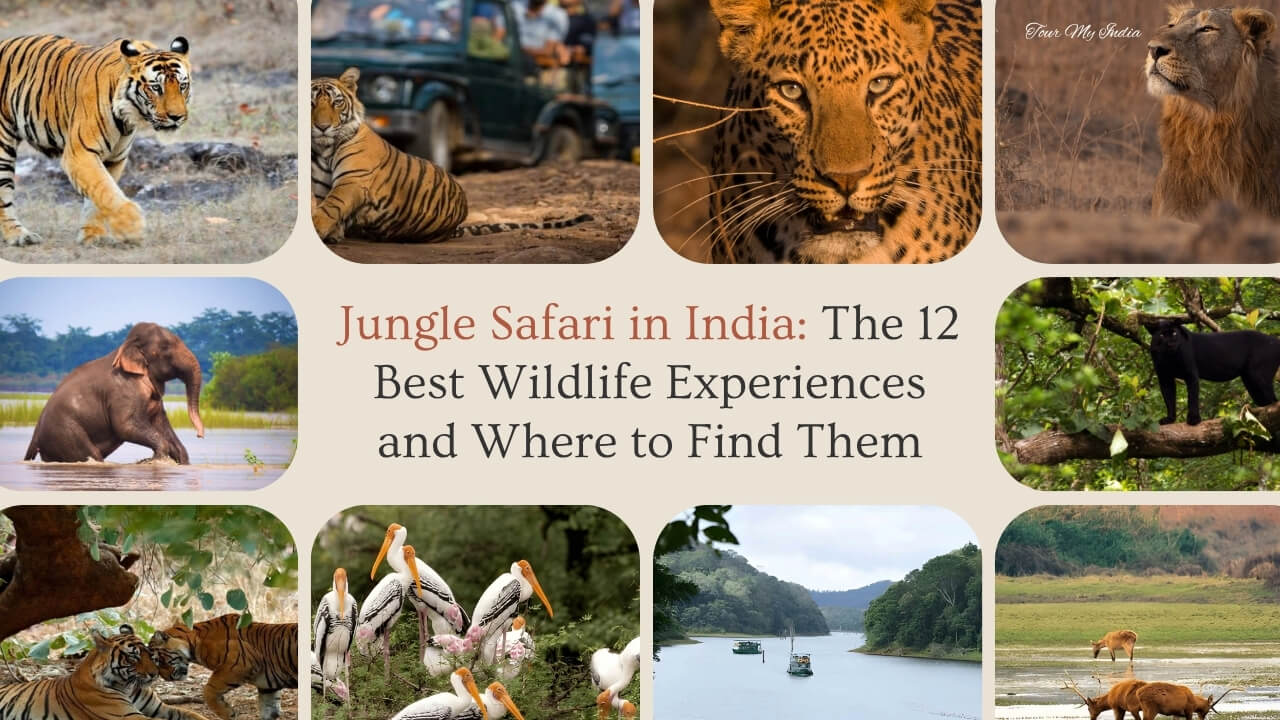
No country on Earth offers safari variety like India: tigers in fort-shadowed forests, the world’s only wild Asiatic lions, one-horned rhinos in elephant grass, snow leopards above 4,000 meters, and cheetahs returned after 70 years of extinction. The mistake most first-time planners make is asking “which park?” when the real question is “which experience?” This guide organizes India’s jungle safaris by the twelve experiences that define them, tells you where each is at its best, and points you to our in-depth guides for the booking details.
Match the Experience to the Destination
| I want to… |
Go to |
Season |
| See a wild tiger |
Ranthambore, Bandhavgarh, Corbett, Tadoba |
Oct to Jun |
| See wild lions |
Gir, Gujarat |
Oct 16 to Jun 15 |
| See one-horned rhinos |
Kaziranga, Pobitora |
Nov to Apr |
| See a leopard, reliably |
Jhalana (Jaipur), Jawai |
Year-round; Oct to Apr for Jawai |
| Track a snow leopard |
Hemis (Ladakh), Kibber (Spiti) |
Mid-Jan to mid-Mar |
| See the returned cheetahs |
Kuno, Madhya Pradesh |
Oct to Jun |
| Watch wild elephants |
Kabini, Wayanad, Periyar |
Oct to May |
| Safari by boat |
Sundarbans, Periyar, Chambal |
Oct to Mar |
| Walk in tiger country |
Satpura, Parambikulam, Nameri |
Oct to Jun |
| See a black panther |
Kabini, Kali (Dandeli) |
Oct to May |
| Witness a bird spectacle |
Keoladeo (Bharatpur), Chilika |
Oct to Feb |
| Go where almost nobody goes |
Dudhwa, Dibru-Saikhowa, Orang |
Nov to Jun |
Also Check Out: Popular Wildlife Tour Packages
1. The Tiger Safari
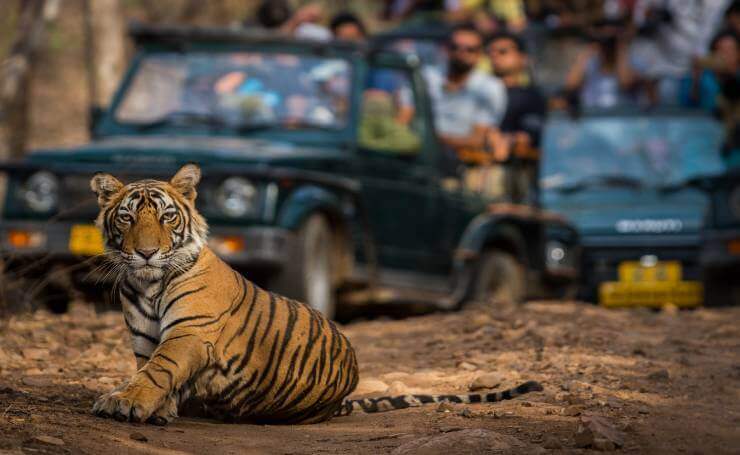
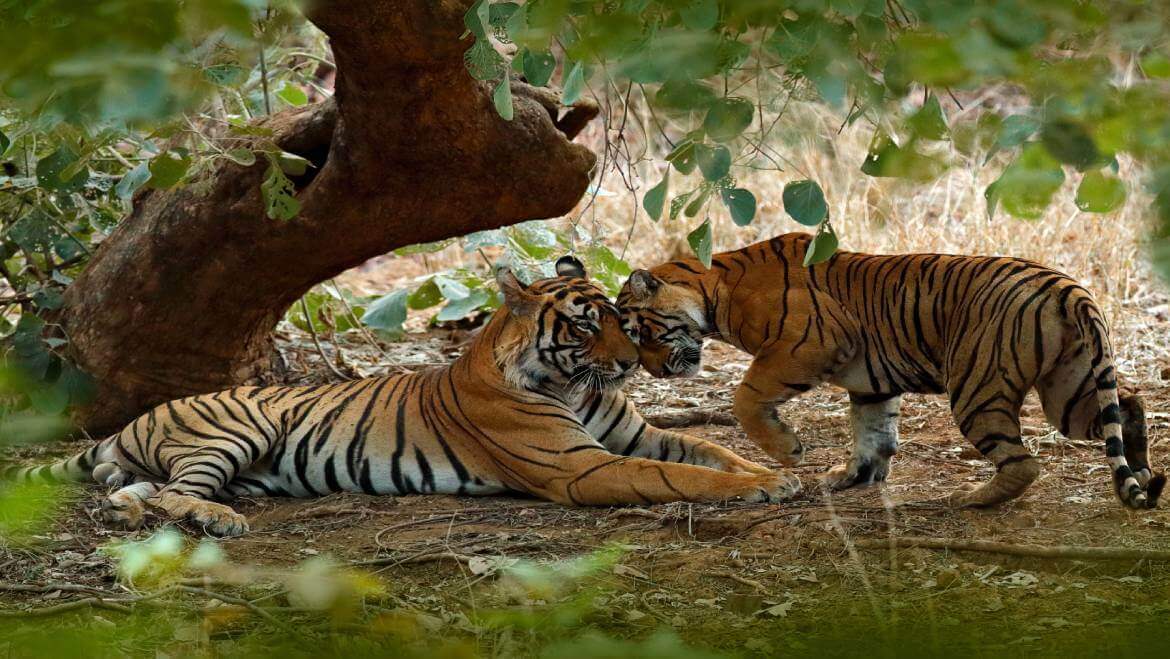
India’s signature experience, and the reason Project Tiger’s 58 reserves hold most of the world’s wild tigers. Ranthambore stages them against a thousand-year-old fort, Bandhavgarh offers the densest sighting reputation, Corbett holds the largest single-reserve population with the storied Dhikala grasslands, and Tadoba delivers the year-round sighting machine. Plan two to three drives, book zones rather than just parks, and go March to June for the highest odds. The full ranking, zones, and booking realities are in our best tiger reserves guide.
2. The Lion Safari
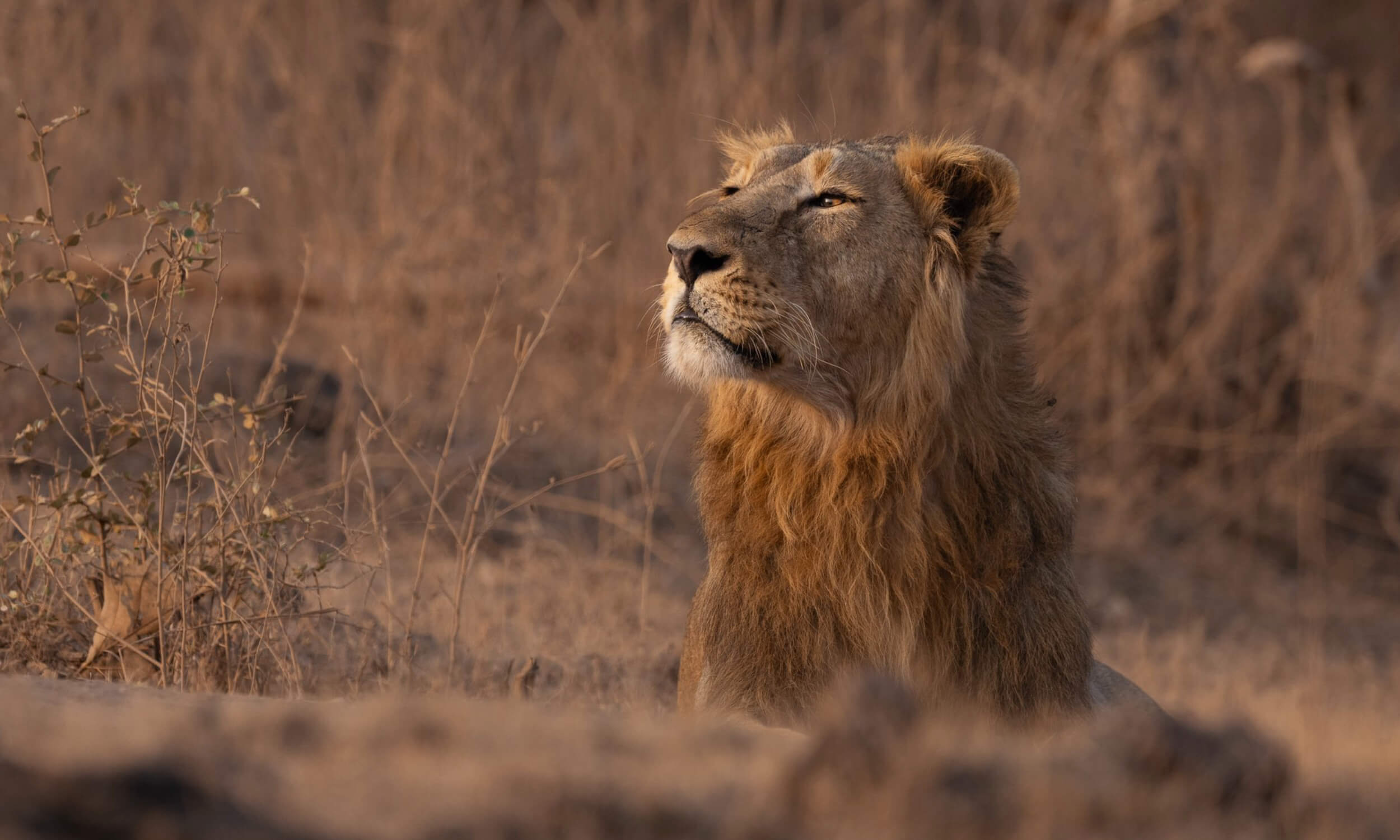
One state, one forest, and one species found wild nowhere else outside Africa: Gir’s Asiatic lions, recovered from about 20 animals a century ago to 891 across Gujarat at the 2025 count. Gypsy safaris run from October 16 to June 15, with the fenced Devalia zone as near-assured backup viewing and the Somnath-Junagadh heritage circuit an hour away. Everything from permits to the Maldhari herders’ story is in our Gir National Park guide.
3. The Rhino Safari
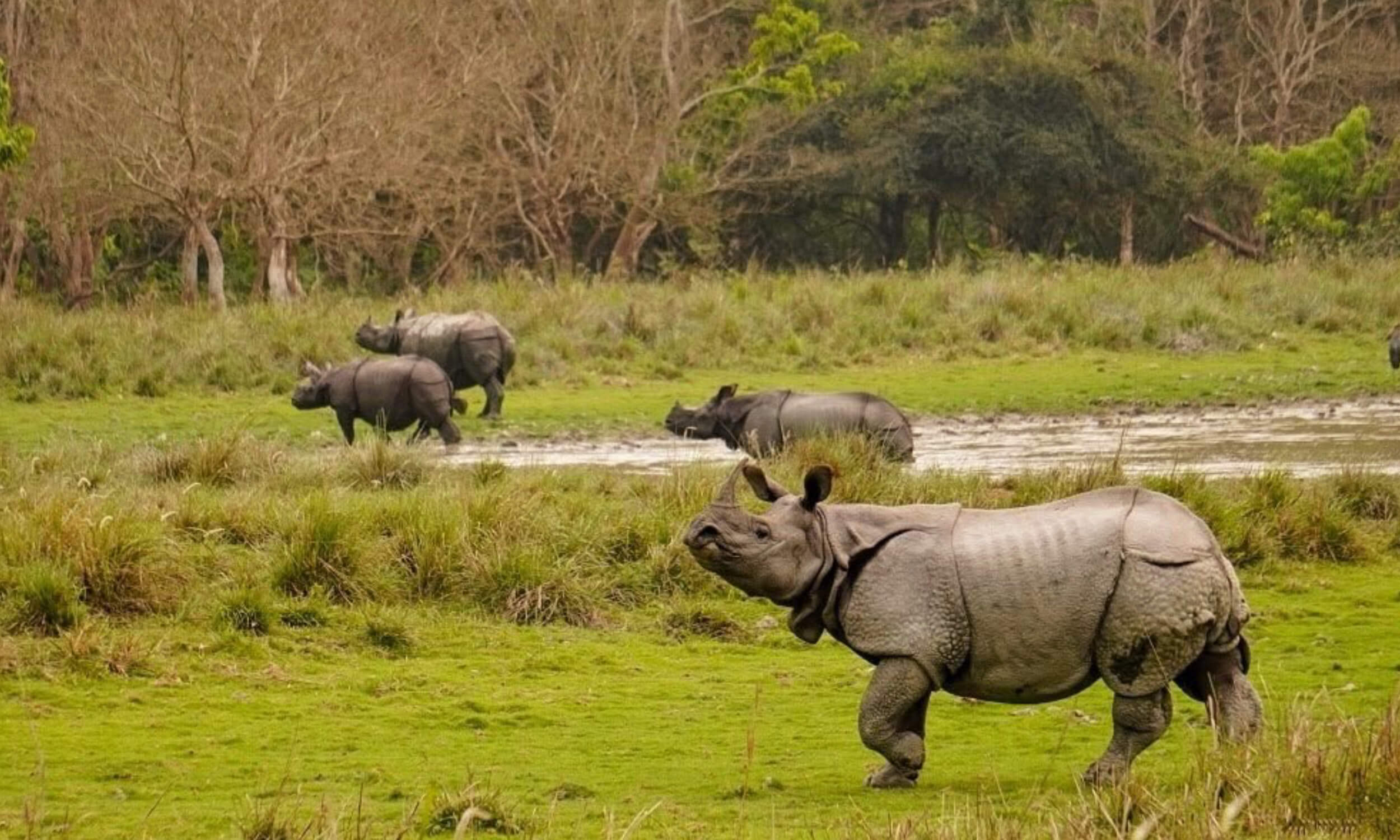
Kaziranga’s floodplain holds two-thirds of the world’s greater one-horned rhinos, watched from jeeps crossing grassland taller than the vehicle, with wild buffalo, swamp deer, and hidden tigers alongside; November to April is the season. The insider alternative: Pobitora, an hour from Guwahati, packs the world’s densest rhino population into 38 square kilometers. Both anchor our Assam wildlife circuit; see the Assam travel guide.
4. The Leopard Safari
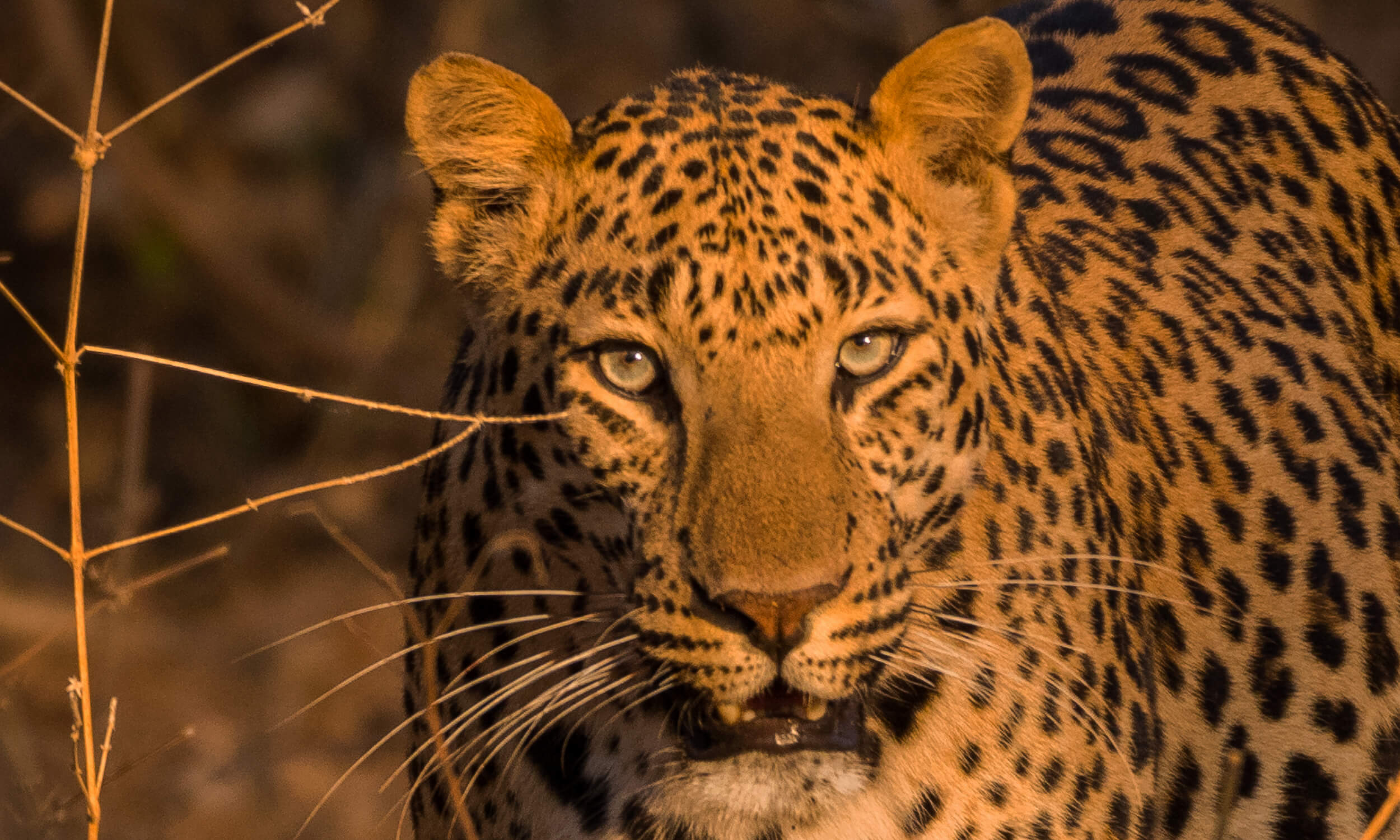
India quietly built the world’s best leopard viewing. Jhalana, inside Jaipur’s city limits, runs twice-daily safaris with among the highest sighting rates anywhere, detailed in our Jhalana guide. Jawai’s granite hills near Udaipur add the region’s most dramatic setting, leopards denning above villages that have coexisted with them for generations. Chain both with Ranthambore for the ultimate Rajasthan cat circuit; our Rajasthan safari guide maps it.
5. The Snow Leopard Expedition
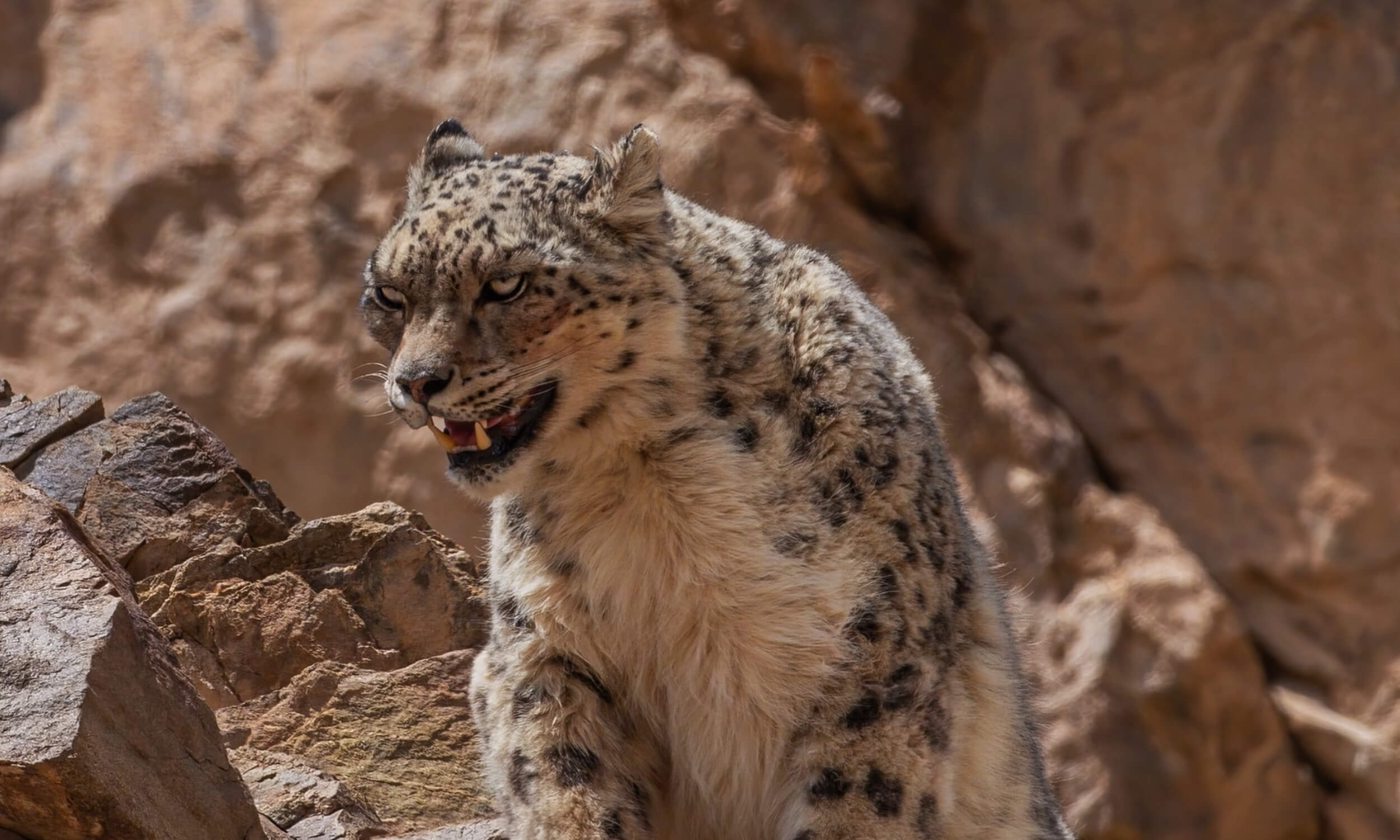
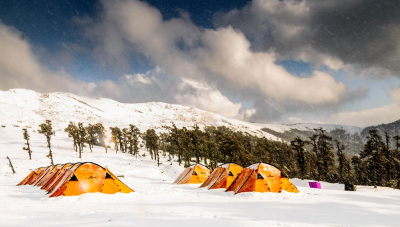
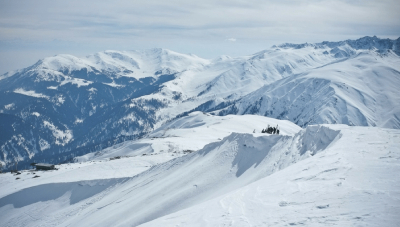
The ghost of the mountains became findable: in deep winter (mid-January to mid-March), expert spotters in Ladakh’s Hemis National Park and Spiti’s Kibber belt deliver genuine better-than-even odds across a week, at 4,000 meters and minus 20 degrees. India’s SPAI census counted 718 snow leopards, 477 of them in Ladakh. The honest split between trackable valleys and trek-only habitat is in our snow leopard guide.
6. The Cheetah Safari
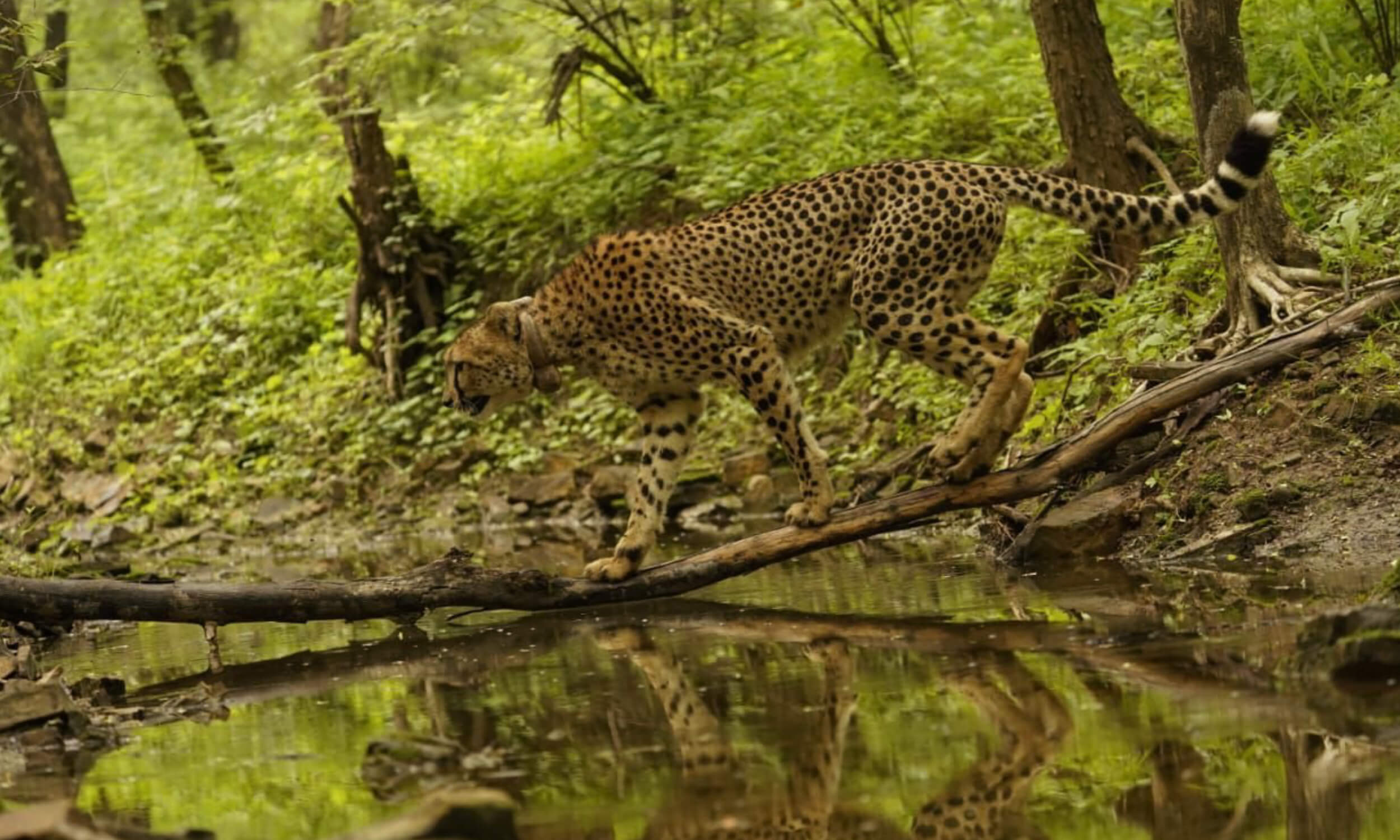
The newest entry in world wildlife travel: India’s first cheetah safari opened at Kuno National Park in October 2025, running Gypsy drives through the release zones where the reintroduced population, now past 50 after arrivals from Namibia, South Africa, and Botswana, ranges free. It pairs with Gwalior and Orchha’s heritage. Details, gates, and booking in our Kuno guide.
7. The Elephant Landscape
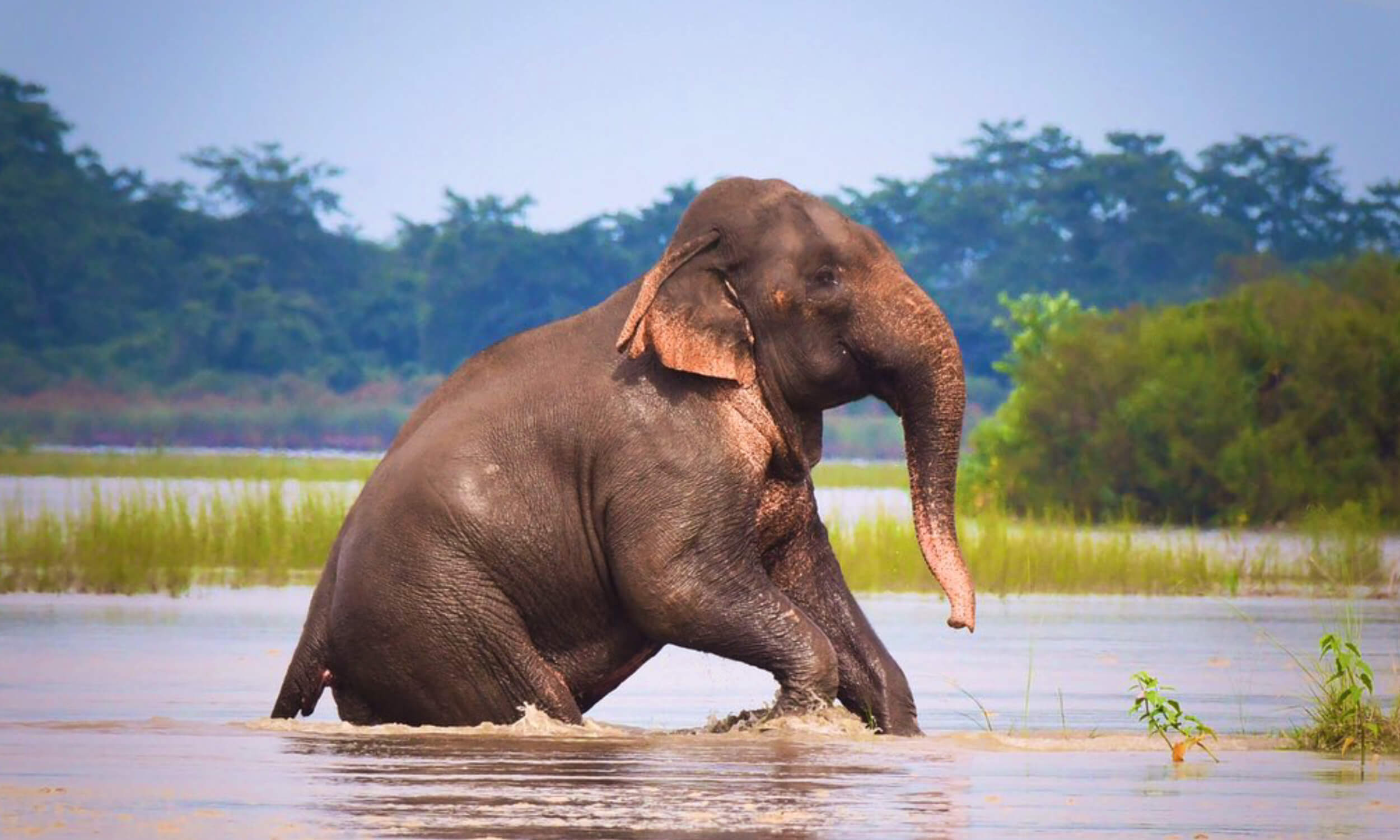
Asia’s greatest elephant country is the Nilgiri Biosphere, where Kabini’s summer lakeshore congregations, Wayanad’s herds, and the Bandipur-Mudumalai corridor families move through one connected wilderness; Kerala’s Periyar adds elephants watched from a boat deck. Mudumalai’s Theppakadu camp, of Oscar-winning The Elephant Whisperers fame, brings the rescue story up close. The full circuit is in our South India safari guide.
8. The Boat Safari
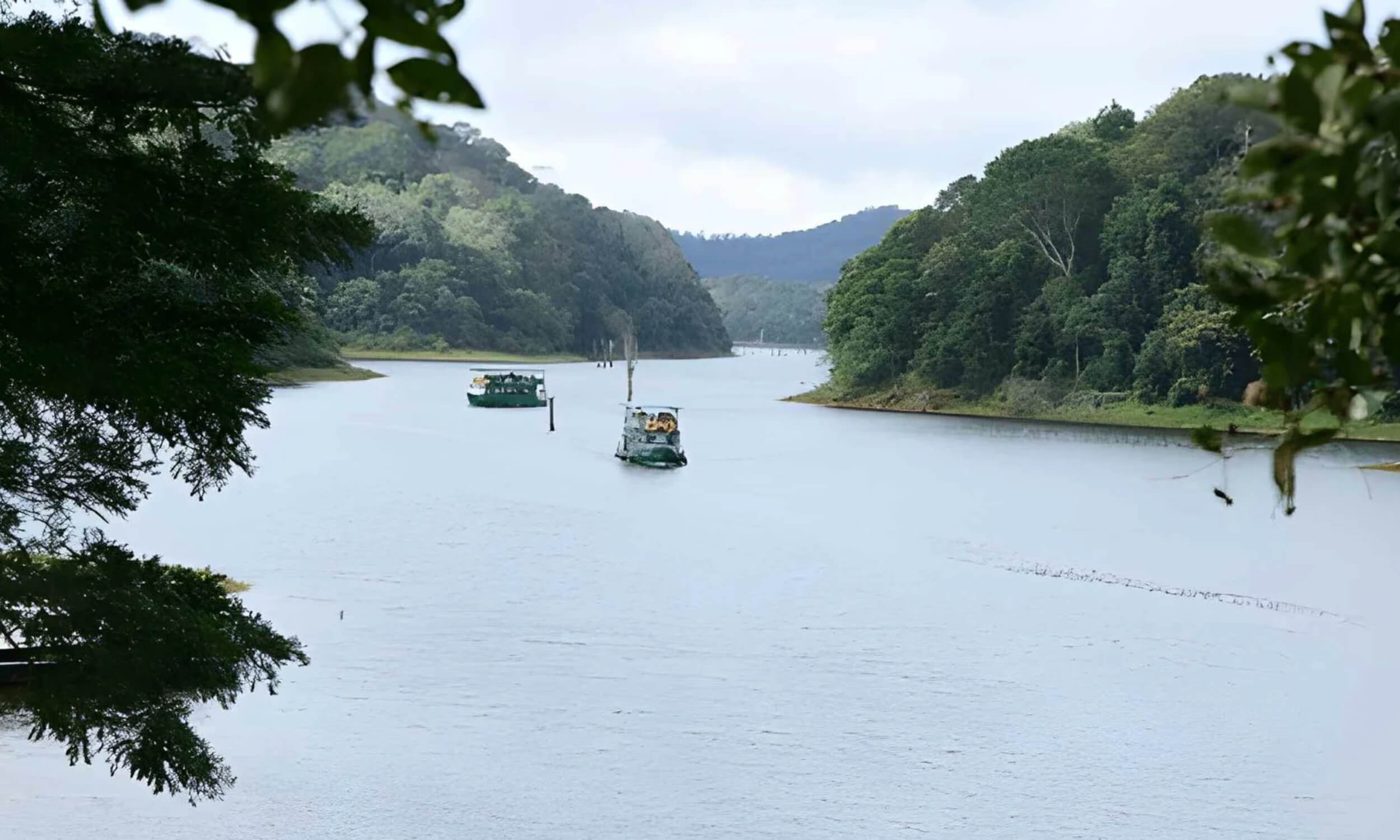
India’s wildest waters: the Sundarbans’ tidal mangrove maze, the only place on Earth where tigers swim between hunting islands, explored entirely by boat from Kolkata; Periyar Lake’s drowned-forest shoreline in Kerala; and the Chambal’s gharial-lined sandbars near Agra, with Gangetic dolphins and skimmers. Each replaces engine-and-dust with current-and-silence, and each runs best October to March.
9. The Walking Safari
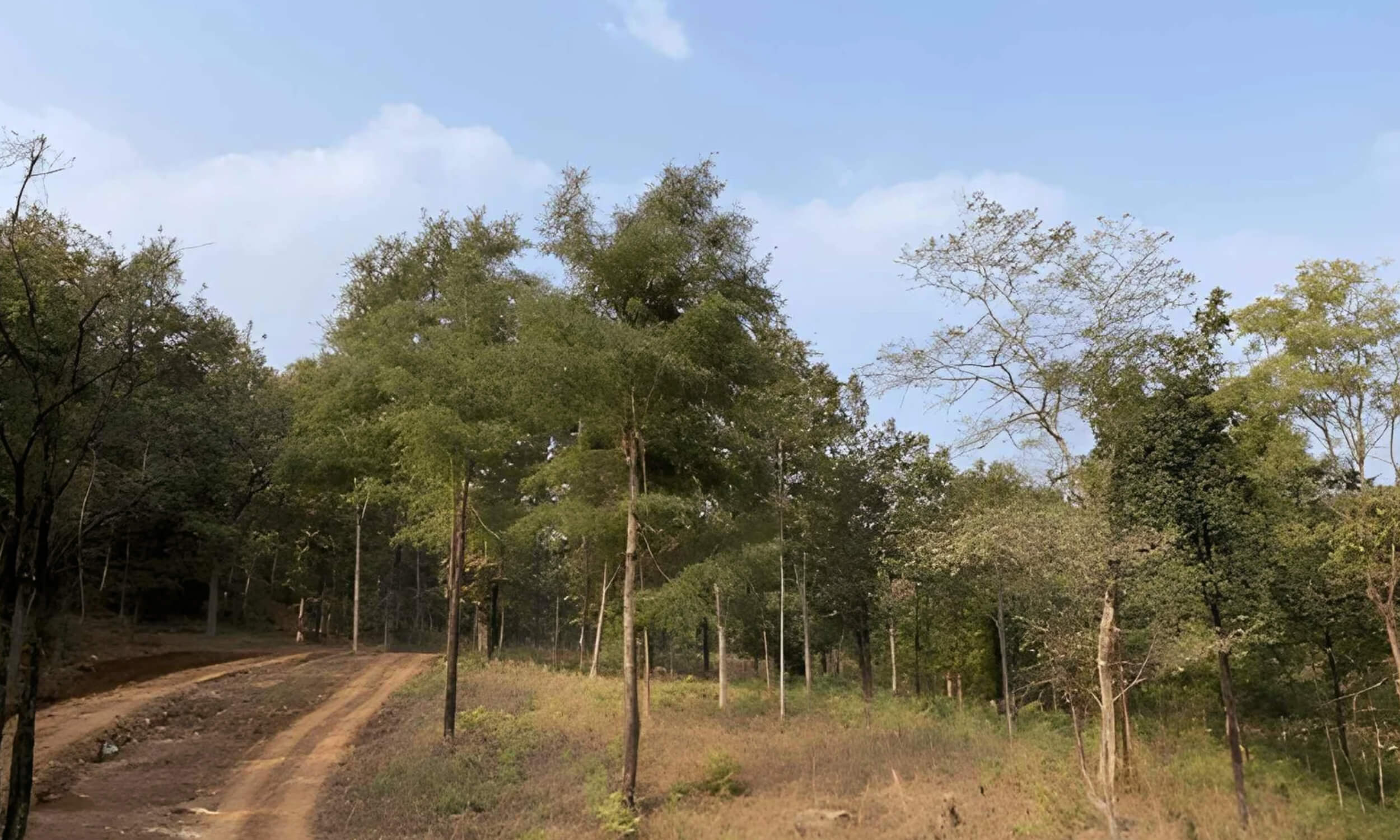
For travelers who find jeep queues dispiriting: Satpura in Madhya Pradesh is India’s flagship for legal walking safaris in big-game country, with canoe drifts on the Denwa beside them; Kerala’s Parambikulam runs tribal-guided treks and bamboo rafting; and Assam’s Nameri pairs armed-escort forest walks with rafting the Jia Bhoroli. Nothing recalibrates your senses like tiger country on foot.
10. The Black Panther Quest
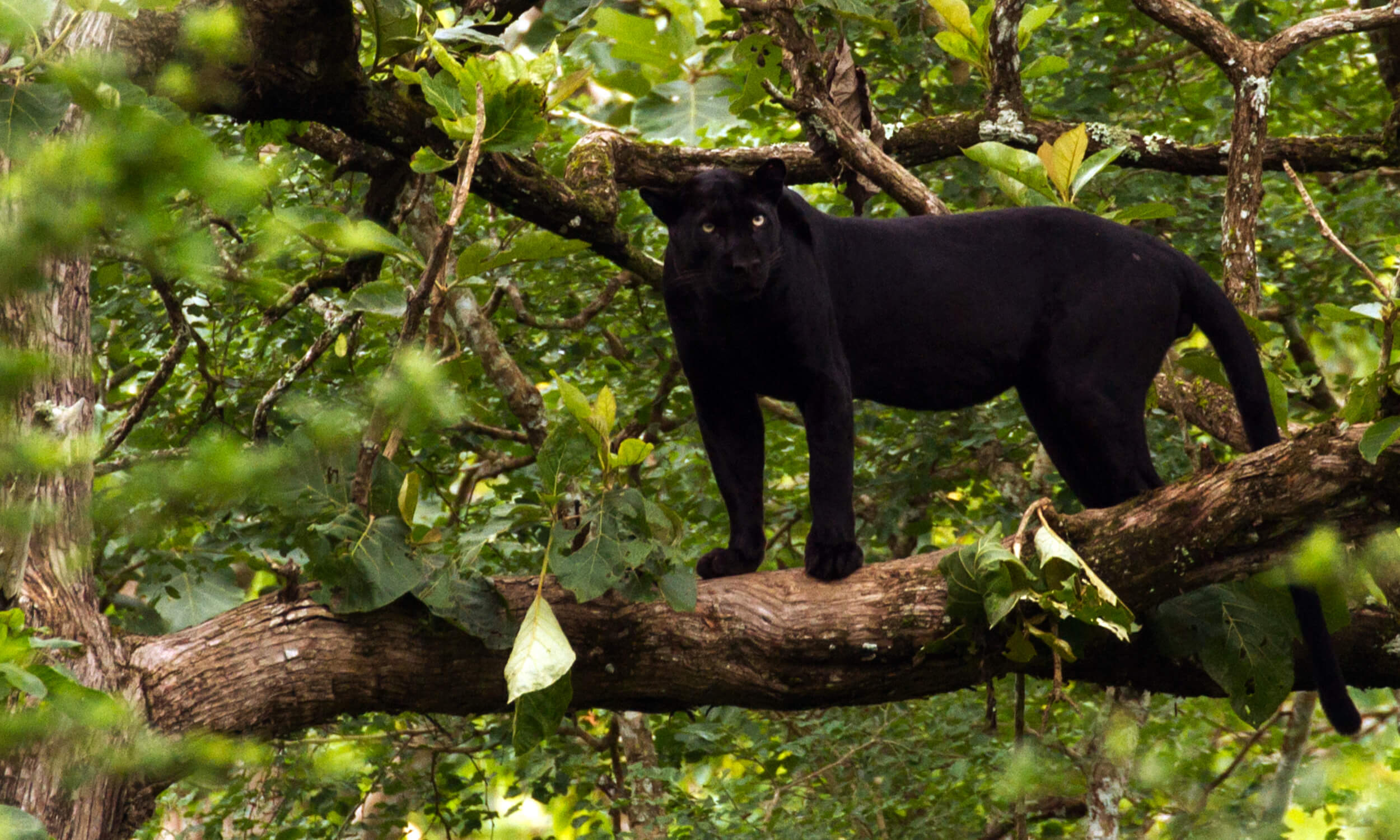
The melanistic leopard of Kabini turned a Karnataka forest into a global photography pilgrimage, and Kali (Dandeli) offers the other regular sighting territory, with white-water rafting between drives. Both demand patience and multiple safaris; both reward it like nowhere else. Details in the South India guide.
11. The Bird Spectacle
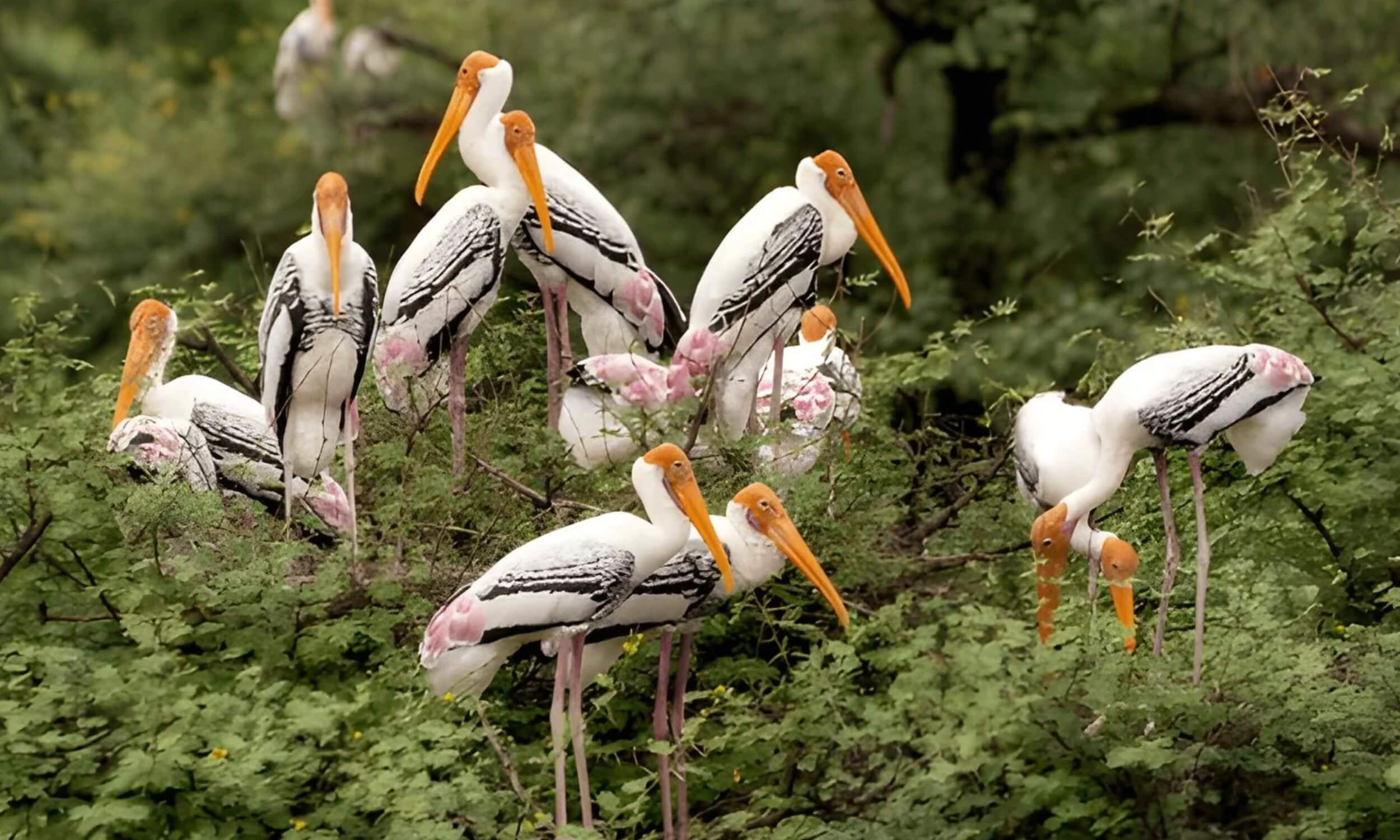
India’s mega-flocks rival its megafauna: Keoladeo’s UNESCO-listed wetland packs painted stork colonies and thousands of winter migrants into a park explored by bicycle, while Odisha’s Chilika lagoon stages waterbird gatherings in the hundreds of thousands, poled through silently at Mangalajodi. The complete circuit, Himalayan and Western Ghats forests included, is in our birding destinations guide.
12. Lesser Known Safaris
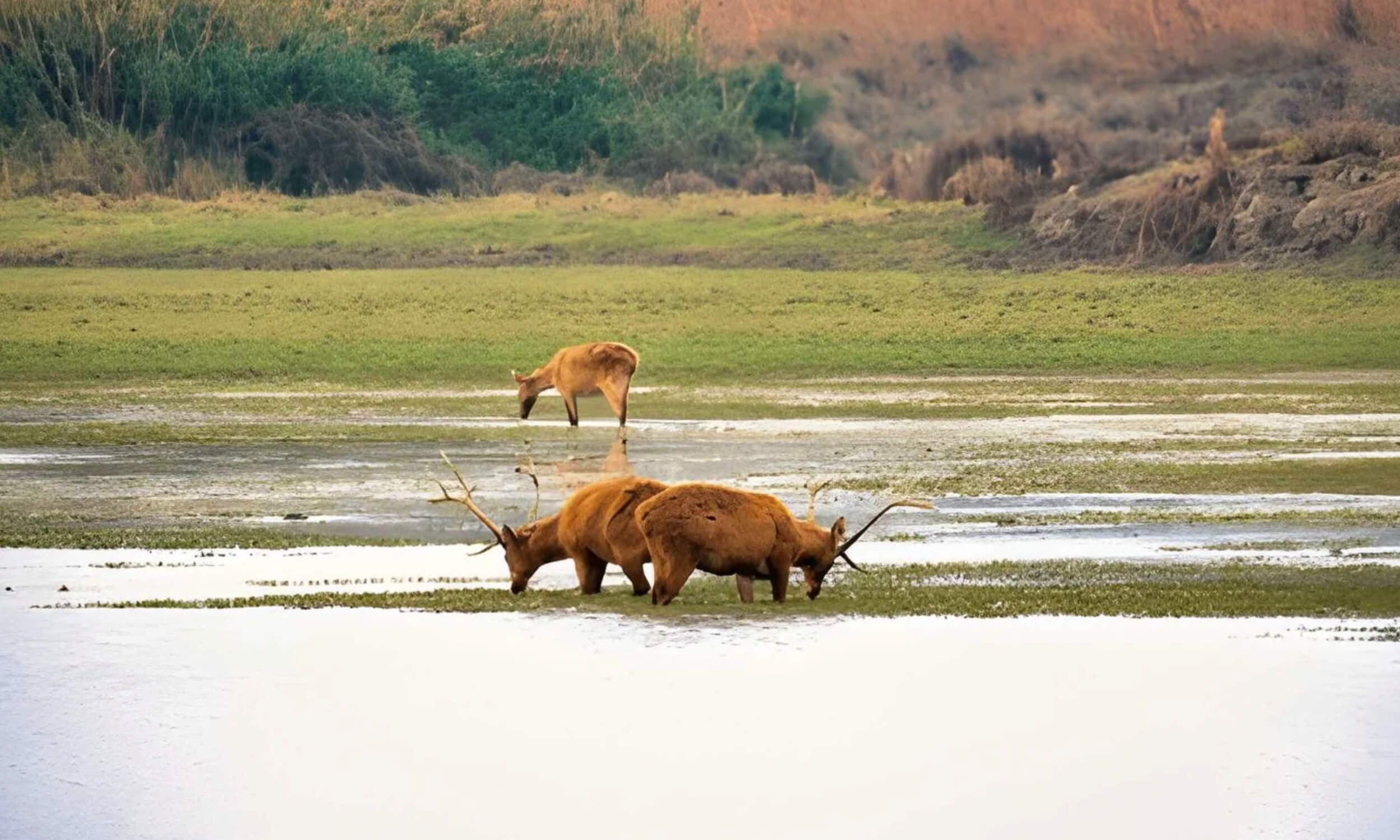
For repeat visitors, Dudhwa on the UP-Nepal border delivers tigers, rhinos, and barasingha with almost no vehicles; Dibru-Saikhowa in eastern Assam runs boat safaris past feral horses; and Orang offers Kaziranga’s cast without its crowds. These are the reserves where you may have the forest to yourself, and they convert skeptics into lifers.
Planning an Indian Safari: The Essentials
Season Logic: October to June covers most of the map, with March to June the big-cat sweet spot, as heat concentrates wildlife at water; the northeast runs November to April; snow leopards invert everything at January to March; and South India stays largely open year-round.
Booking: premium zones and lodges (Dhikala, Tala, Kabini, Ranthambore’s lake zones, and Jawai’s camps) sell out weeks to months ahead for winter; every permit is zone-and-date specific on official portals.
The Golden Rule: two to three drives per destination minimum; single-safari trips are how disappointment gets manufactured.
Twelve experiences, one country: nowhere else can a single trip move from tiger grass to lion scrub to rhino floodplain, or trade the jeep for a boat, a raft, or your own two feet in big-game forest. Choose the experience first, let the destination follow, and give each forest the drives it deserves. The in-depth guides linked above carry every permit and season detail, and our travel experts turn any combination into a ready itinerary; begin with our wildlife tour packages.
Other Interesting Blogs to Read
Frequently Asked Questions
Which is the best jungle safari in India?
For a first safari, Ranthambore combines tigers, scenery, and access like nowhere else, with Bandhavgarh and Corbett its closest rivals. The honest answer depends on the animal you want: Gir owns lions, Kaziranga rhinos, Jhalana reliable leopards, and Hemis the snow leopard.
What is the best time for a jungle safari in India?
October to June for most reserves, with March to June offering the year's best big-cat sightings for heat-tolerant travelers. Kaziranga’s safari season runs from November to April, snow leopard expeditions from January to March, and South India's parks stay open nearly year-round.
Which Indian safari is best for families?
Jhalana adds a two-hour leopard drive to any Jaipur holiday, Kaziranga's rhinos are near-certain sightings, Devalia at Gir assures lions, and Keoladeo's cycle-rickshaw birding delights all ages, all without the permit scramble of the premium tiger zones.
How many days does an Indian safari need?
Two to three nights per destination, allowing at least two drives. A focused week covers one region well (Rajasthan's cat circuit, the Madhya Pradesh tiger belt, or the Nilgiri elephant landscape); a fortnight can chain tigers, rhinos, and lions across the country.
Are wildlife sightings guaranteed on Indian safaris?
Never, and no ethical operator promises otherwise; these are wild animals in real forests. What the destinations above offer is the best-odds version of each experience, and the ecosystems, from Sundarbans mangroves to Ladakh's ridgelines, that reward the drive regardless.
About the author
From the Lake District, Nainital, Nidhi Singh is a travel writer whose love for mountains can be seen in her write ups. Talk about solo travelling, indulging in adventure activities, binging on good food, planning budget trips or the Aurora Borealis and you will get all her attention. It is the wanderlust that keeps her going and if at all she could get one wish granted she would love to live a life less ordinary. Follow her on Twitter, Facebook & Instagram.


 +91-9212777225
 Plan Your trip