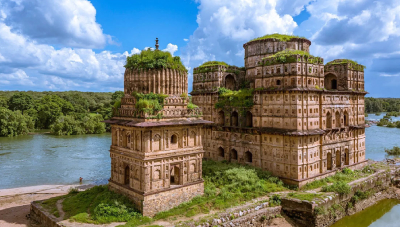
Jaipur is the only major Indian city where you can watch the Taj-and-palaces circuit in the morning and track wild leopards the same evening. The Jhalana Leopard Reserve, 20 square kilometers of dry Aravalli forest inside the city’s limits, became India’s first dedicated leopard conservation reserve in 2017, and it has since built a reputation few big-cat destinations can match: one of the highest leopard-sighting probabilities anywhere in India, minutes from the airport.
Here is the full guide to timings, current safari prices, how to book, and what to expect.
Jhalana Essentials
| Detail |
Information |
| What |
India’s first leopard conservation reserve (declared 2017) |
| Where |
Inside Jaipur city, near Malviya Nagar; about 20 minutes from the airport |
| Size |
20 sq km (with the adjoining Amagarh reserve, a combined 36 sq km) |
| Leopard population |
Around 40 at the last published census (2022), among India’s densest |
| Safari shifts |
Two daily, morning and evening, about 2.5 hours each |
| Vehicle |
Shared or exclusive open Gypsy, maximum 6 guests |
| Season |
Open year-round; October to April is prime |
| Booking |
Rajasthan Forest Department’s online portal (FMDSS), or through operators and hotels |
Also Check Out: Popular Rajasthan Tour Packages
Why Jhalana Is Special?
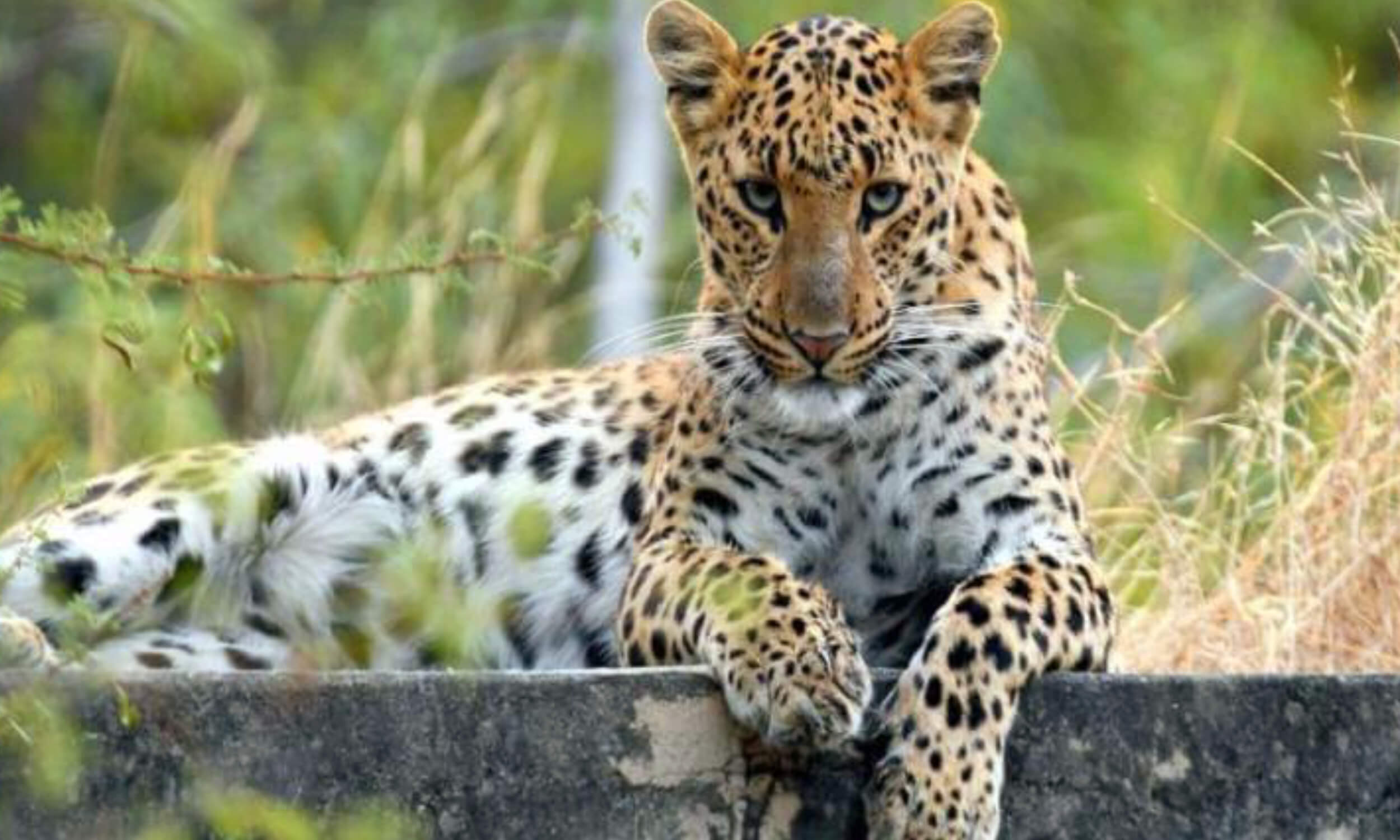
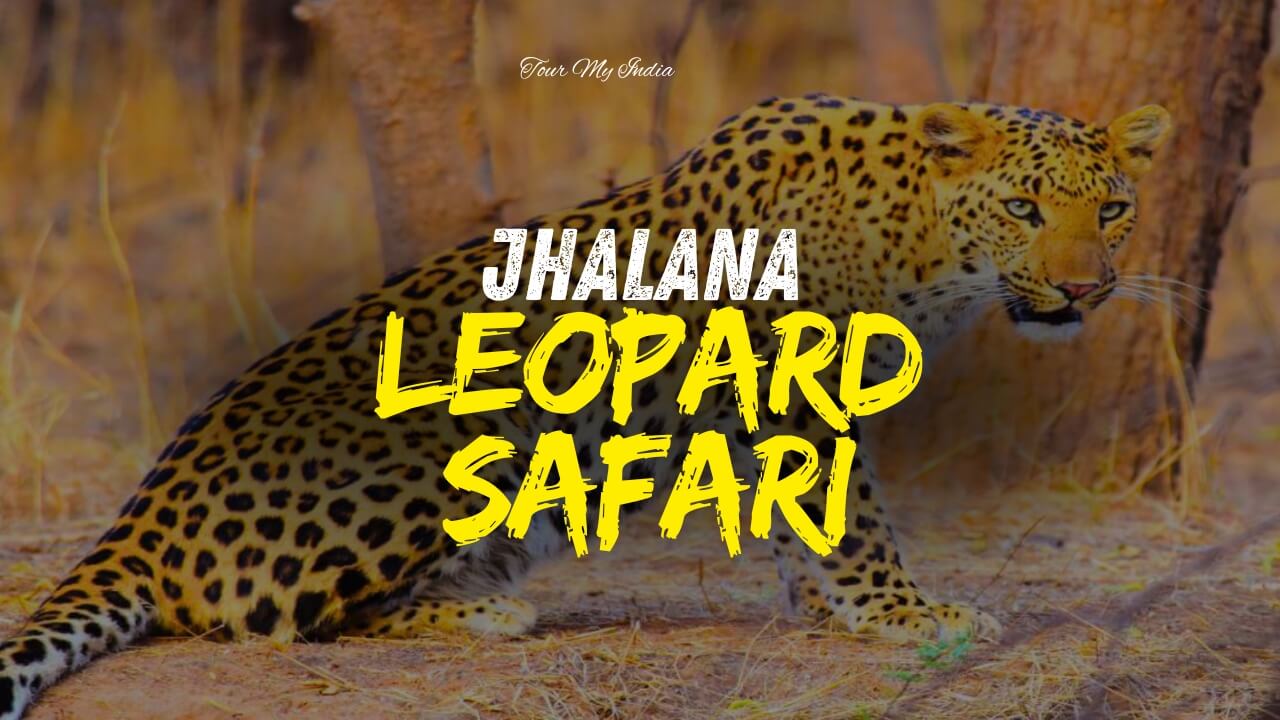
Leopards are usually the cat you fail to see: nocturnal, shy, and scattered thin across big-tiger reserves. Jhalana inverts that. Squeezed into 20 square kilometers ringed by the city, its leopards sit at the top of the food chain with no tigers to displace them, and they have grown remarkably at ease with safari vehicles. The practical result: many visitors see a leopard on their first drive, and across two safaris the odds are excellent by any wildlife standard, though never, of course, guaranteed.
The supporting cast rewards the drive even on a quiet leopard day: chital, nilgai, golden jackals, desert fox, jungle cat, the elusive striped hyena, and strong dry-forest birding, from Indian pitta in season to spotted owlets, raptors, and rollers. The backdrop is pure Rajasthan: rocky Aravalli ridges, khejri and dhok scrub, and a 19th-century hunting lodge, the Shikar Audhi, rising photogenically in the forest’s heart.
In 2022, the nearby Amagarh forest (15.24 sq km) was declared Jaipur’s second leopard reserve, and the two now form the Jhalana-Amagarh conservation landscape, giving the city a genuine leopard circuit.
Jhalana Safari Timings
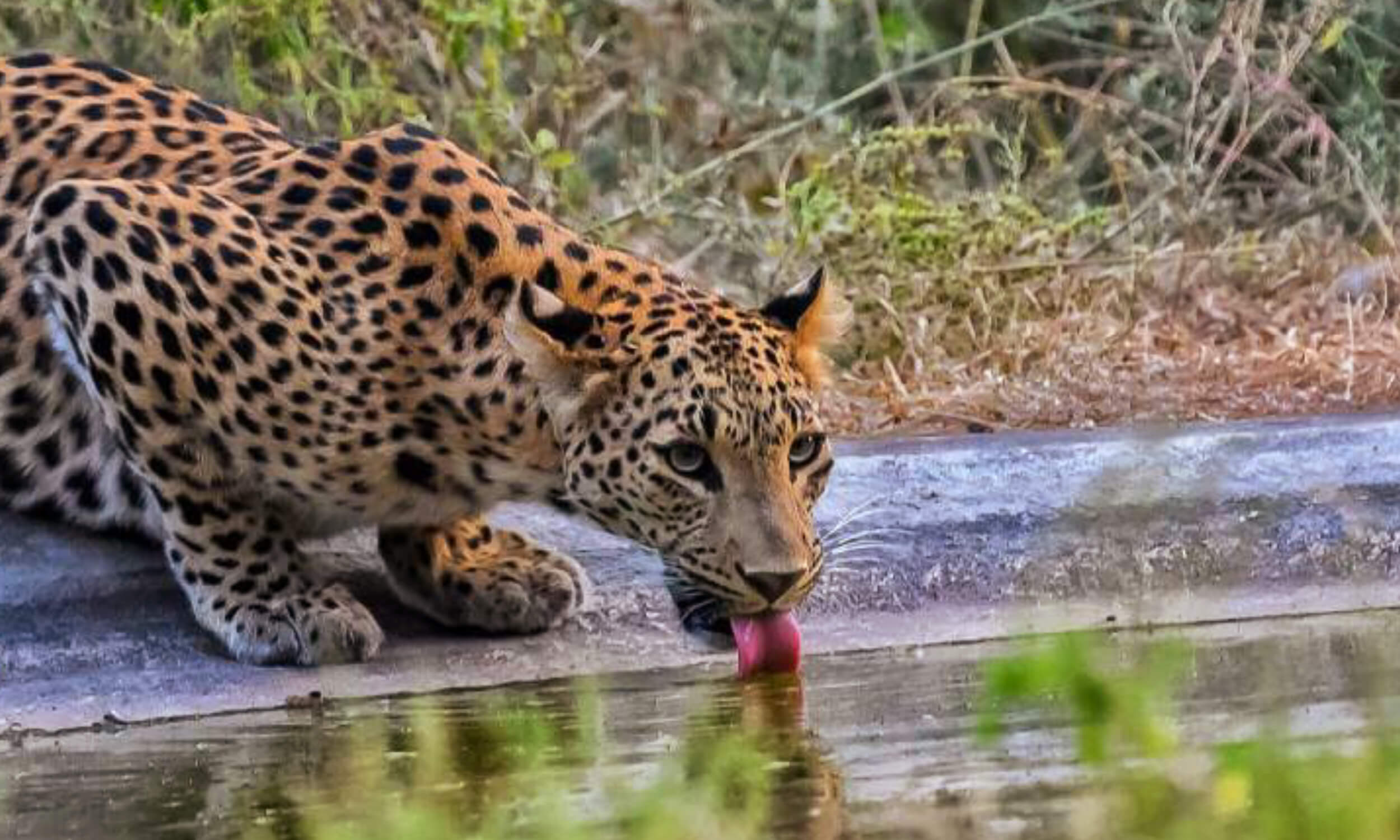
Jhalana runs two shifts daily, each about two and a half hours, with start times shifting through the year with daylight:
| Season |
Morning safari |
Evening safari |
| Winter (roughly Nov to Jan) |
About 7:00 AM to 9:30 AM |
About 3:15 PM to 5:45 PM |
| Summer (roughly Apr to May) |
About 5:45 AM to 8:15 AM |
About 4:15 PM to 6:45 PM |
Shoulder months fall between these bands, and your permit states the exact reporting time; arrive 20 to 30 minutes early at the Jhalana gate. Morning drives offer cooler air and soft light; evening drives are the local favorite for leopard movement as the day cools. Unlike the big tiger reserves, Jhalana stays open through the monsoon, though drives and sightings vary with conditions in those months.
Jhalana Safari Price
Current published rates put a shared Gypsy seat at approximately Rs 784 per person for Indian visitors and Rs 1,154 for foreign visitors on the regular quota, with vehicle, guide, and service components making up the on-ground cost of a drive. An exclusive full Gypsy (up to 6 guests) on the instant or tatkal quota runs around Rs 5,500 for Indians and roughly double that for foreign visitors, before GST and service charges. Operator and hotel packages cost more, since they bundle transfers and margins.
Two Honest Notes: The Forest Department revises fees by notification, so treat these as the current published ballpark and confirm the exact amount shown at booking; and quotes from private operators are not the government tariff, they are packages built on top of it.
How to Book Jhalana Jeep Safari?
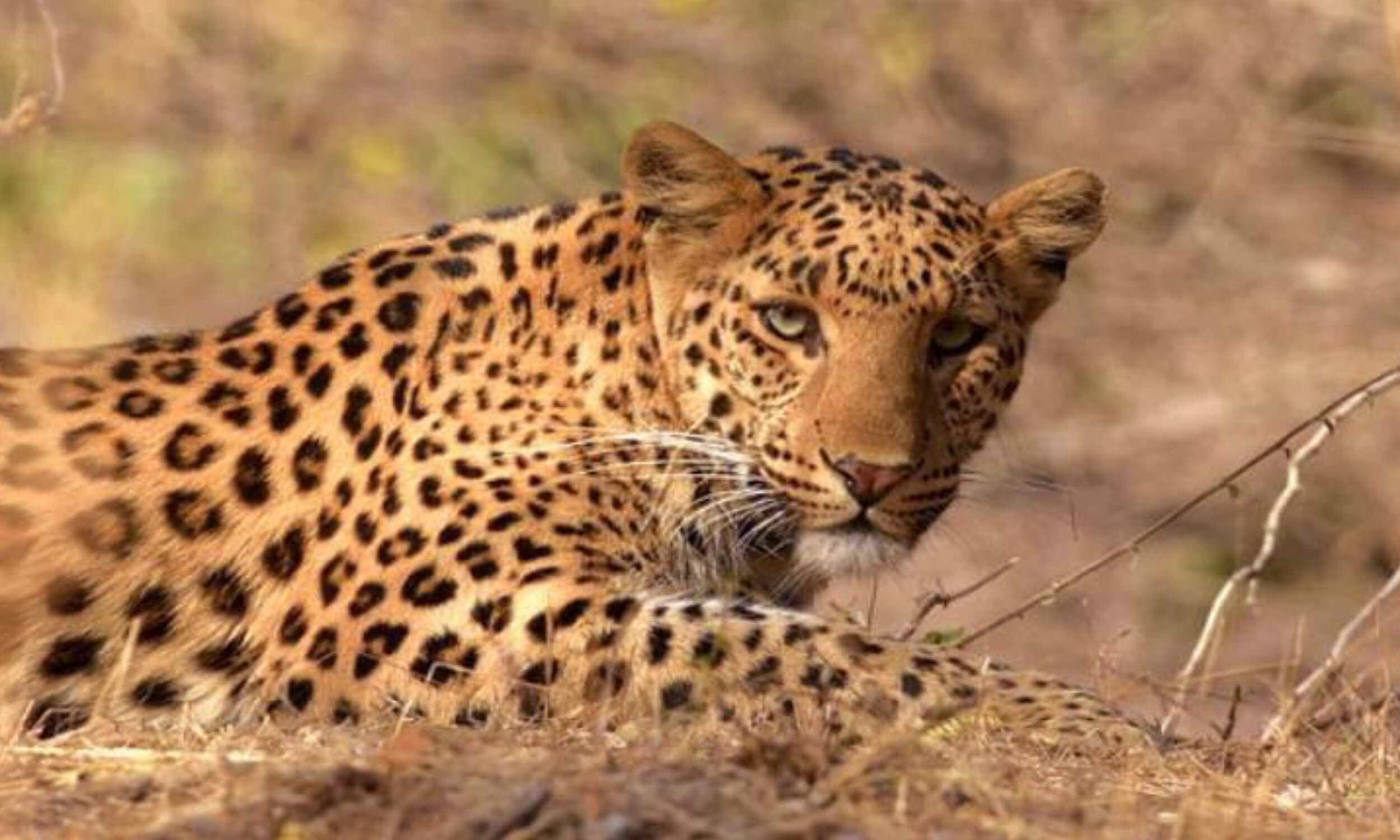
The official route is the Rajasthan Forest Department’s online booking system. Tour My India, a prominent wildlife tour operator in India, also offers safari booking services for all national parks and tiger reserves in India. Send your safari date and shift, safari type (Gypsy), accommodation requirements, and ID details such as your passport or Aadhaar Card (carry the same original photo ID to the safari gate), and Tour My India will arrange a suitable Jhalana Leopard Safari for you.
Practical Booking Advice: winter weekends and the Christmas-New Year window sell out days ahead, so book as soon as dates firm up; the tatkal full-Gypsy quota is the fallback for late plans, at a premium. If you would rather not handle the portal, most Jaipur hotels and wildlife operators arrange permits, and our travel experts can build the safari into a Jaipur itinerary with transfers and a naturalist included.
What a Drive Is Like in Jhalana
Gypsies enter in small batches per shift, keeping the forest quiet, and the drivers and guides here track leopards daily and know individual cats by territory. Expect a slow patrol of waterholes, ridgelines, and the Shikar Audhi area, with pauses to scan and listen for alarm calls. Sightings peak in the dry months when leopards concentrate near water, but this remains a wild forest: patience is part of the deal, and a hyena at dusk or a pitta in the scrub is its own reward. Bring binoculars, a telephoto lens (300 mm or more is ideal), neutral clothing, water, and sun protection, and never press the driver to crowd or chase a cat.
Best Time to Visit Jhalana
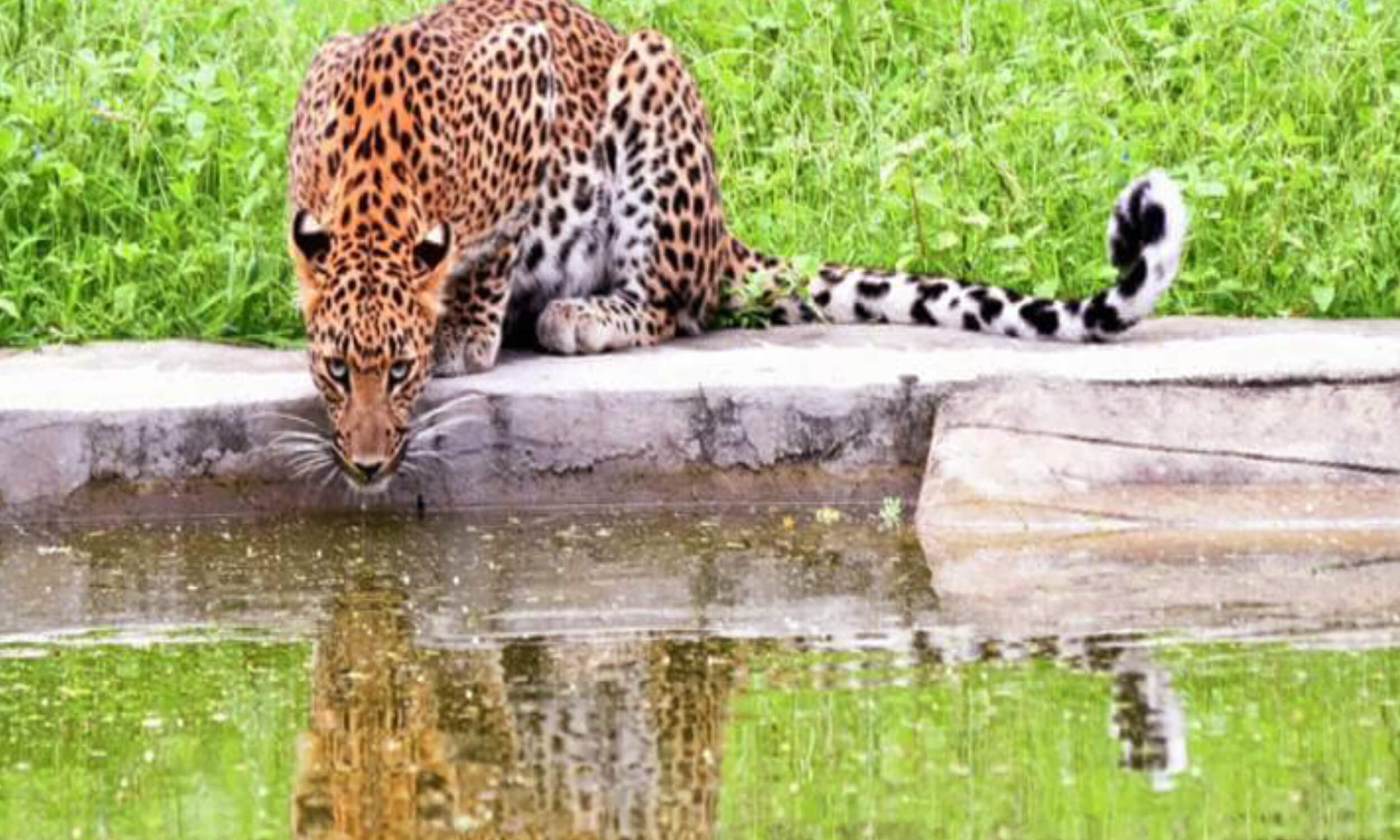
October to April is the sweet spot: comfortable drives, active wildlife, peak birding, and alignment with Jaipur’s tourist season. Summer (April to June) is hot but productive, with early-morning drives and thirsty leopards near waterholes making sightings some of the year’s best for those who can take the heat. The monsoon (July to September) turns the Aravallis green and quiet; drives run subject to conditions, and the forest is at its prettiest, if not at its most predictable.
Getting There and Pairing with Jaipur
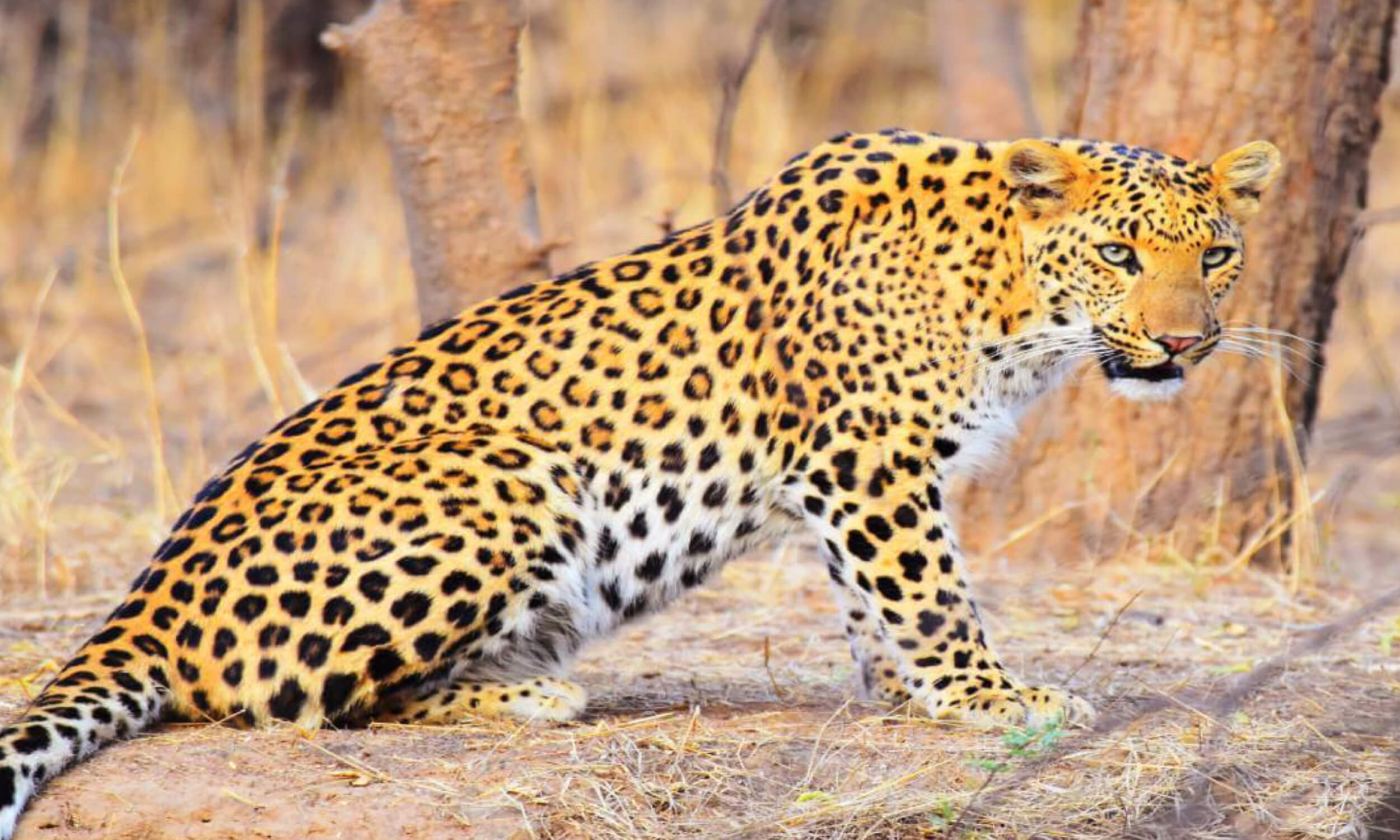
The reserve’s entry lies off Jhalana Institutional Area near Malviya Nagar, roughly 20 minutes from Jaipur airport and about half an hour from Jaipur Junction railway station; any cab or auto knows it. Stay anywhere in Jaipur; no special safari lodge is needed, just a hotel that can manage an early start.
That is Jhalana’s real magic: it slots into a city break. Do the evening safari after a morning at Amber Fort and the City Palace, or the dawn drive before a day in the bazaars. For the full city plan, see our Jaipur travel guide; for a bigger cat-and-culture loop, Jhalana pairs naturally with Ranthambore, three and a half hours away, and our experts build combined Jaipur-Ranthambore wildlife itineraries around safari permit dates.
India’s first leopard reserve remains its most convenient wildlife thrill: real big cats, a real forest, and a reporting time you can make from any hotel in Jaipur. Book the evening shift, keep expectations wild rather than scripted, and Jhalana will likely hand you the closest leopard encounter of your life twenty minutes from the Pink City’s bazaars. To build it into a Rajasthan trip, start with our Jaipur guide or ask our travel experts for a Jaipur-Jhalana-Ranthambore itinerary.
Other Interesting Blogs to Read
About the author
From the Lake District, Nainital, Nidhi Singh is a travel writer whose love for mountains can be seen in her write ups. Talk about solo travelling, indulging in adventure activities, binging on good food, planning budget trips or the Aurora Borealis and you will get all her attention. It is the wanderlust that keeps her going and if at all she could get one wish granted she would love to live a life less ordinary. Follow her on Twitter, Facebook & Instagram.


 +91-9212777225
 Plan Your trip