Known for its royal ambiance and colorful history, filled with tales of chivalry and valiance, Rajasthan is dotted with numerous tourist destinations that preserve glimpses of its medieval past. This incredible state of India has, since ancient and medieval times, witnessed the rise and fall of several dynasties and ruling powers, including the Rajputs, Mughals, Marathas, and Jats. Despite centuries of political changes and conflicts, the region retained its strong royal and princely heritage, which continues to define Rajasthan’s identity.
Rajasthan is widely known for its imposing architectural heritage, including magnificent forts, grand palaces, ornate havelis, and historic temples built and patronized by different ruling dynasties and royal families. Many of these impressive structures date back to the medieval and early modern periods. While some have been converted into museums, government buildings, and heritage hotels, others remain under the care of former royal families or are preserved as important heritage monuments.
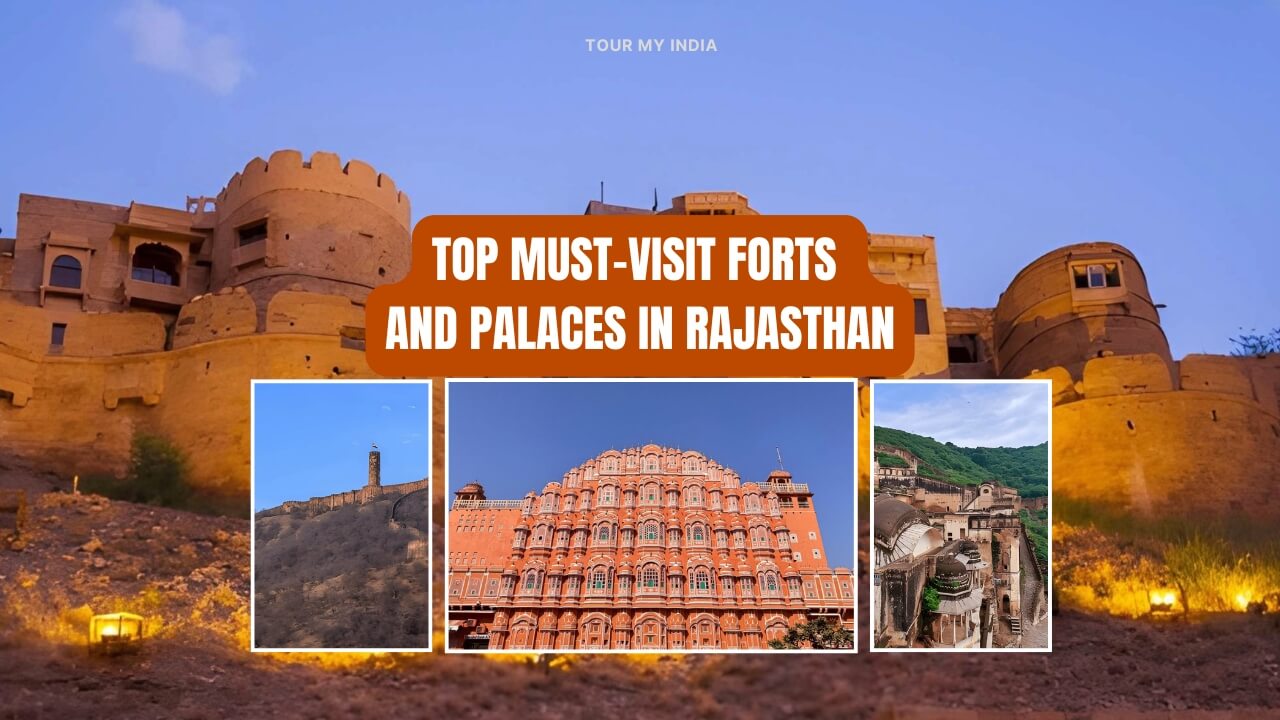
Explore the top 20 must-visit forts and palaces in Rajasthan with this travel guide blog.
- Amber Fort and Palace, Jaipur
- Jaigarh Fort, Jaipur
- Nahargarh Fort, Jaipur
- Hawa Mahal, Jaipur
- City Palace, Jaipur
- Jal Mahal, Jaipur
- Monsoon Palace, Udaipur
- Lohagarh Fort, Bharatpur
- Deeg Palace, Bharatpur
- Ranthambore Fort, Sawai Madhopur
- Taragarh Fort, Bundi
- Vinay Vilas Mahal, Alwar
- Junagarh Fort, Bikaner
- Jaisalmer Fort or Sonar Quilla, Jaisalmer
- Mehrangarh Fort, Jodhpur
- Lalgarh Palace, Bikaner
- Umaid Bhawan Palace, Jodhpur
- Chittorgarh Fort, Chittaurgarh
- Kumbhalgarh Fort, Kumbhalgarh
- City Palace, Udaipur
- Lake Palace, Udaipur
Also Check Out: Popular Rajasthan Tour Packages
1. Amber Fort and Palace, Jaipur
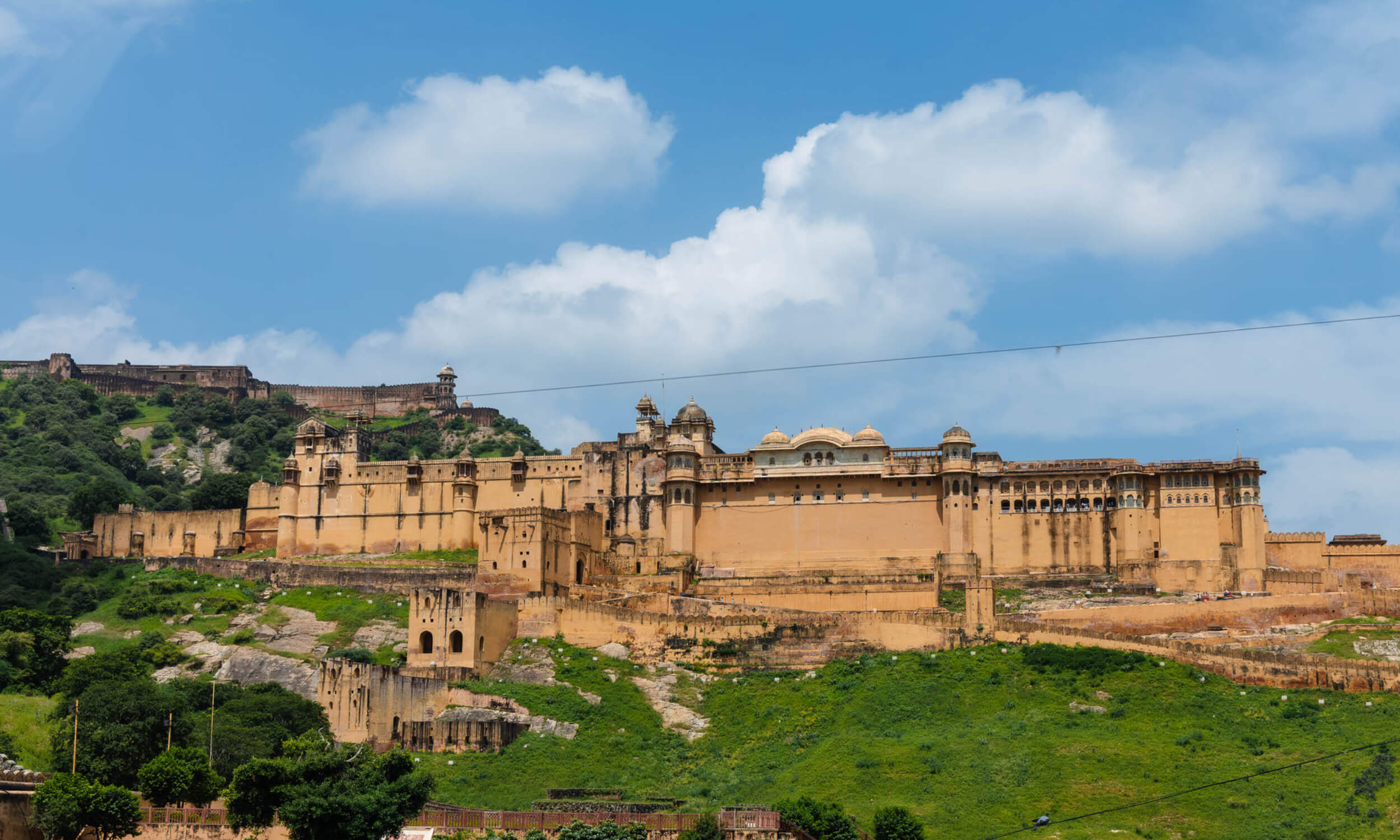
Located at the foothills of the Aravalli Range and overlooking Maota Lake, the Amber (Amer) Fort is renowned for its artistic craftsmanship and impressive four-level layout. It is one of the best places to visit in Jaipur and a fine example of Rajput architecture featuring pale yellow and pink sandstone along with white marble. The extensive palace complex includes the Diwan-i-Aam (Hall of Public Audience), Diwan-i-Khas (Hall of Private Audience), Sheesh Mahal (Mirror Palace), Jai Mandir and Sukh Niwas.
The present palace complex was begun by Raja Man Singh I in 1592 and was subsequently expanded and embellished by later Kachhwaha rulers, including Mirza Raja Jai Singh and Sawai Jai Singh. Within its massive ramparts are ornate gateways, courtyards, gardens, temples and cobbled pathways, including the historic Shila Devi Temple. The architecture also reflects the influence of both Rajput and Mughal design traditions.
Today, Amber Fort attracts travellers from across India and around the world. One of its popular evening attractions is the sound-and-light show, which presents the history, legends and cultural traditions of Amber against the dramatic backdrop of the fort and surrounding Aravalli hills. The fort itself is also a UNESCO World Heritage Site as part of the Hill Forts of Rajasthan.
The magnificent views of Maota Lake and the surrounding hills add to the experience, particularly around sunset when the fort’s sandstone walls take on warm golden hues.
2. Jaigarh Fort, Jaipur
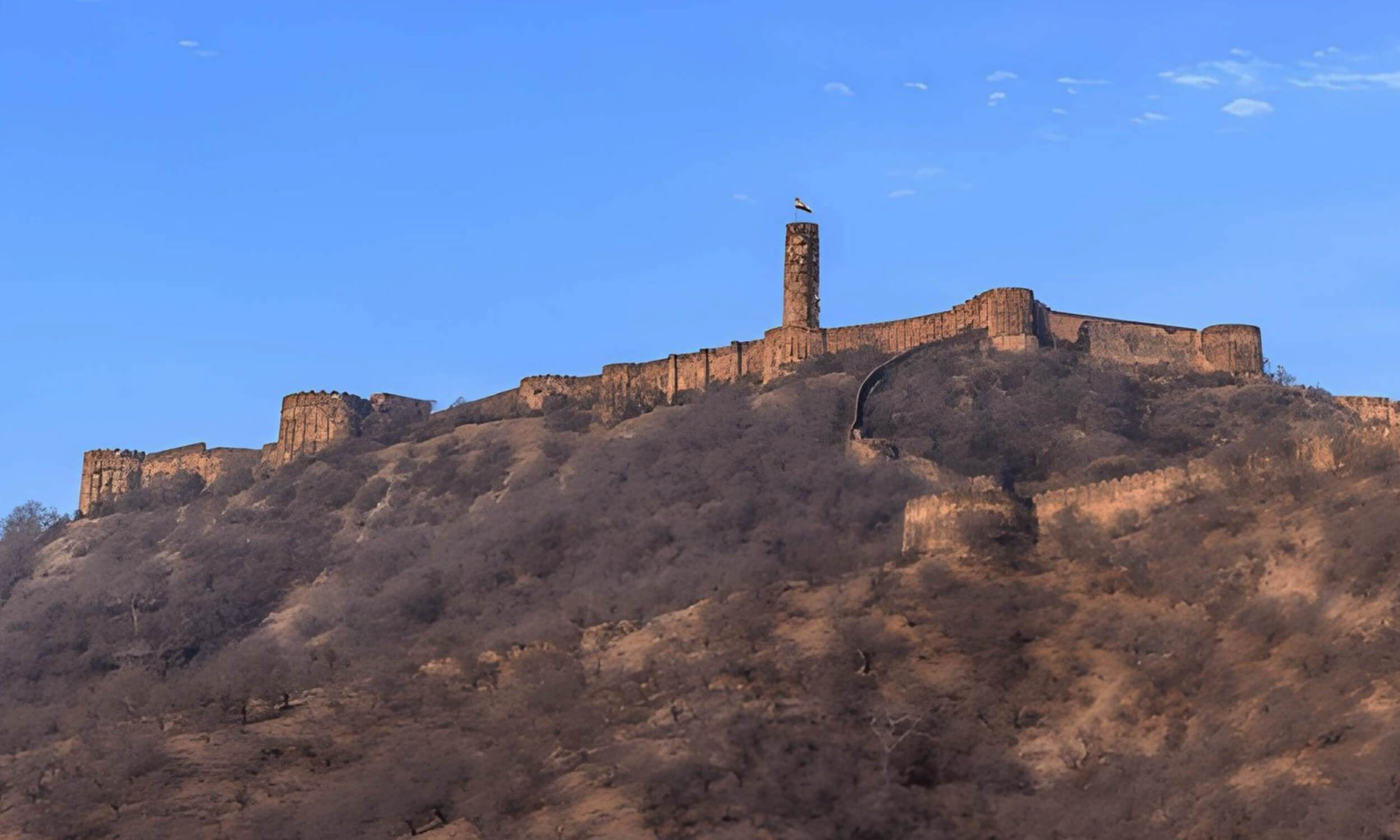
Often known as the Fort of Victory, Jaigarh Fort was built in 1726 by Maharaja Sawai Jai Singh II as a formidable defensive stronghold for the Amer kingdom and its palace complex. Perched on Cheel Ka Teela, or the ‘Hill of Eagles,’ in the Aravalli Range, the fort overlooks Amer and offers impressive views of the surrounding landscape.
One of the most important attractions of the fort is the massive Jaivana Cannon, which was manufactured at Jaigarh and was once regarded as the world’s largest cannon on wheels. The fort also served as a major centre for artillery production and houses a historic cannon foundry and armoury.
Built largely of red sandstone, Jaigarh Fort features massive ramparts, palaces, courtyards, gardens and an ingenious water-storage system. Its palace complex includes Laxmi Vilas, Lalit Mandir, Vilas Mandir and Aram Mandir. The fort also houses a museum and armoury displaying a collection of historic weapons, armour and other artefacts associated with its military past.
3. Nahargarh Fort, Jaipur
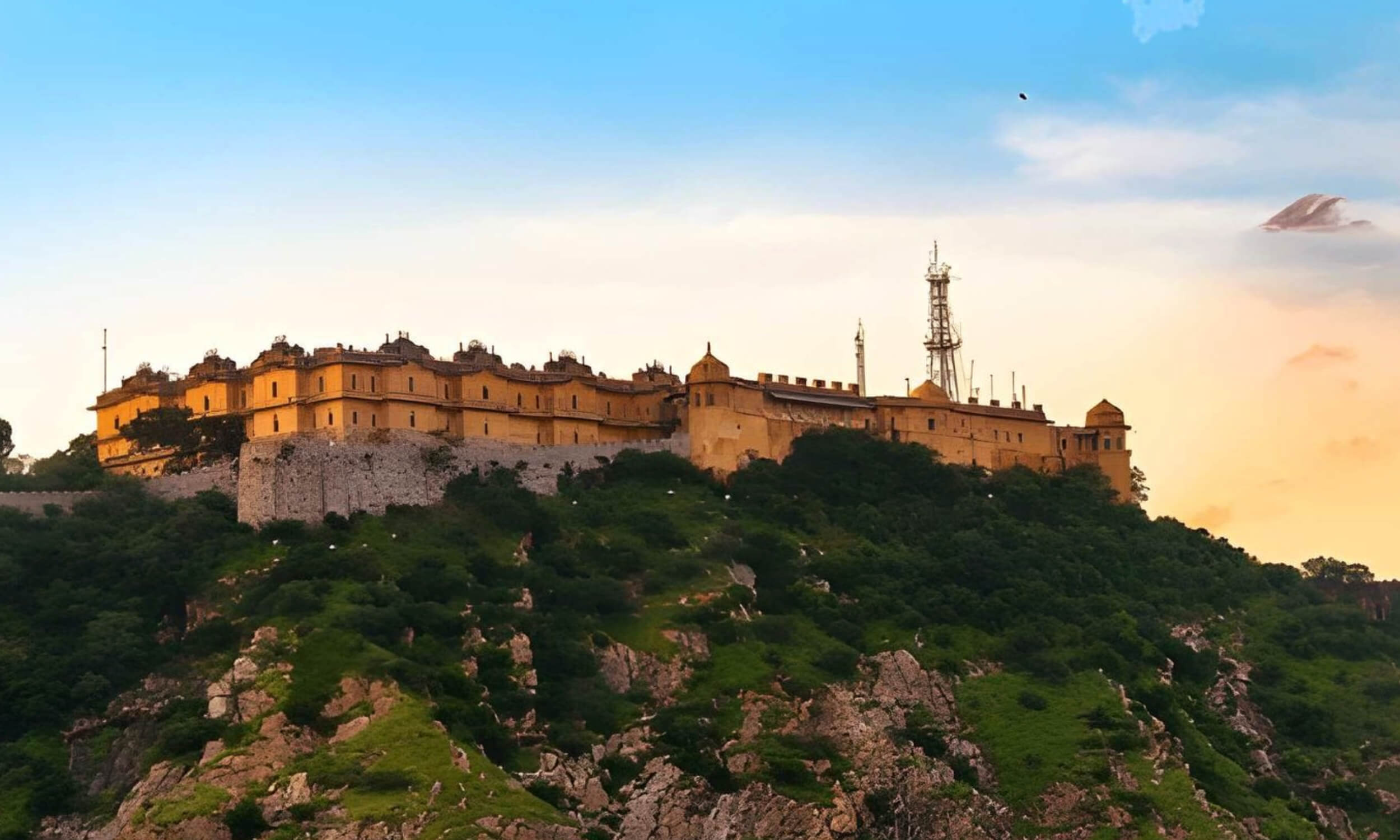
Overlooking the Pink City of Jaipur, Nahargarh Fort is perched on the edge of the Aravalli Hills. Built in 1734 by Maharaja Sawai Jai Singh II, the fort formed an important part of Jaipur’s defence system along with Amer and Jaigarh Forts. It was later expanded and renovated by successive rulers of Jaipur. Between 1883 and 1892, Maharaja Sawai Madho Singh II commissioned the construction of the elegant Madhavendra Bhawan, a palace complex within the fort featuring suites for the king and his queens.
The fort’s extended walls are connected with Jaigarh Fort, creating a formidable defensive network along the Aravalli ridges. Unlike many historic forts in Rajasthan, Nahargarh did not witness any major battle or prolonged siege. During the Indian Rebellion of 1857, however, it provided a safe refuge for Europeans and their families who had taken shelter in Jaipur.
Today, Nahargarh Fort is one of the favourite tourist attractions on the outskirts of Jaipur, offering panoramic views of the Pink City and the surrounding Aravalli landscape. Its major attractions include Madhavendra Bhawan, the fort’s historic stepwell and the Nahargarh Fort Sculpture Park. The fort complex also houses a museum showcasing art and historical exhibits.
With its striking location and spectacular city views, Nahargarh is also a popular spot to enjoy Jaipur’s sunset and evening landscape. Visitors can also find dining options in and around the fort, making it a pleasant place to spend a few hours while exploring Jaipur.
4. Hawa Mahal, Jaipur
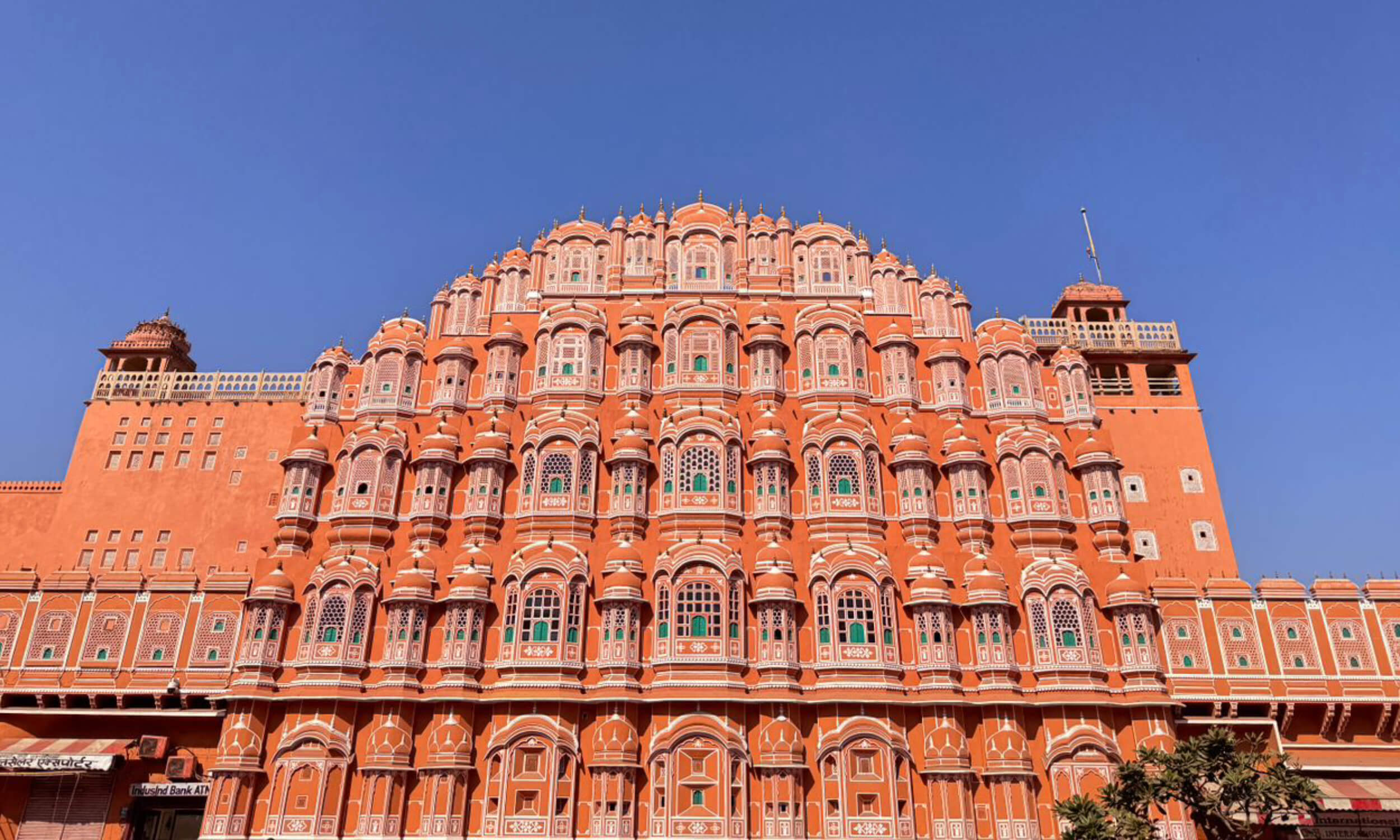
Located in the heart of the bustling city of Jaipur, Hawa Mahal is one of the prominent historical landmarks in India, showcasing the city’s rich cultural and architectural heritage with a fusion of Rajasthani and Mughal architectural styles.
Built in 1799 by Maharaja Sawai Pratap Singh, it is an excellent example of red and pink sandstone architecture, famous for its distinctive honeycomb-like façade with numerous windows. These windows allowed the women of the royal household to observe street festivities while remaining unseen from the outside.
The Hawa Mahal, or the Palace of Winds, comprises 953 windows, known as jharokhas, decorated with intricate latticework, along with chambers, domed canopies, fluted pillars, and floral patterns. Its courtyard now houses a museum.
5. City Palace, Jaipur
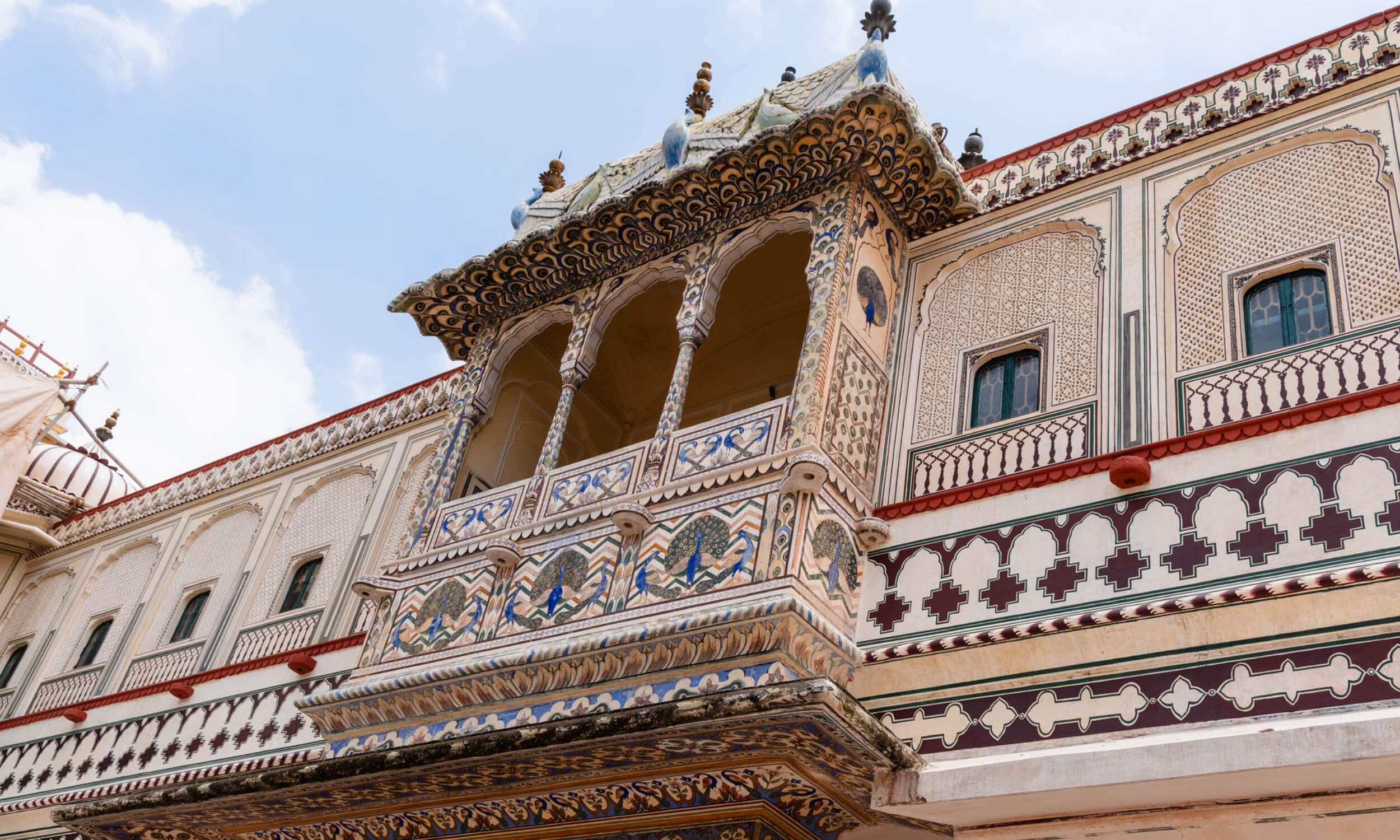
With a fusion of the typical Rajasthani, Mughal and European architectural styles, the City Palace stands elegantly in the heart of the Pink City of Jaipur. It is one of the popular tourist sites and holds an important place in Rajasthan Tourism because of its exquisite architectural work and historical significance.
The City Palace, which was built in the 18th century by Maharaja Sawai Jai Singh II, comprises several gateways, including Virendra Pol, Udai Pol and Tripolia; palaces such as Mubarak Mahal, Maharani Palace and Chandra Mahal; Pitam Niwas Chowk, which is a courtyard; and halls including Diwan-i-Khas and Diwan-i-Aam.
The Baggi Khana, which is now a museum, houses a collection of old carriages, palanquins and European cabs. The palace complex also houses the Govind Dev Ji Temple, dedicated to Lord Krishna.
6. Jal Mahal, Jaipur
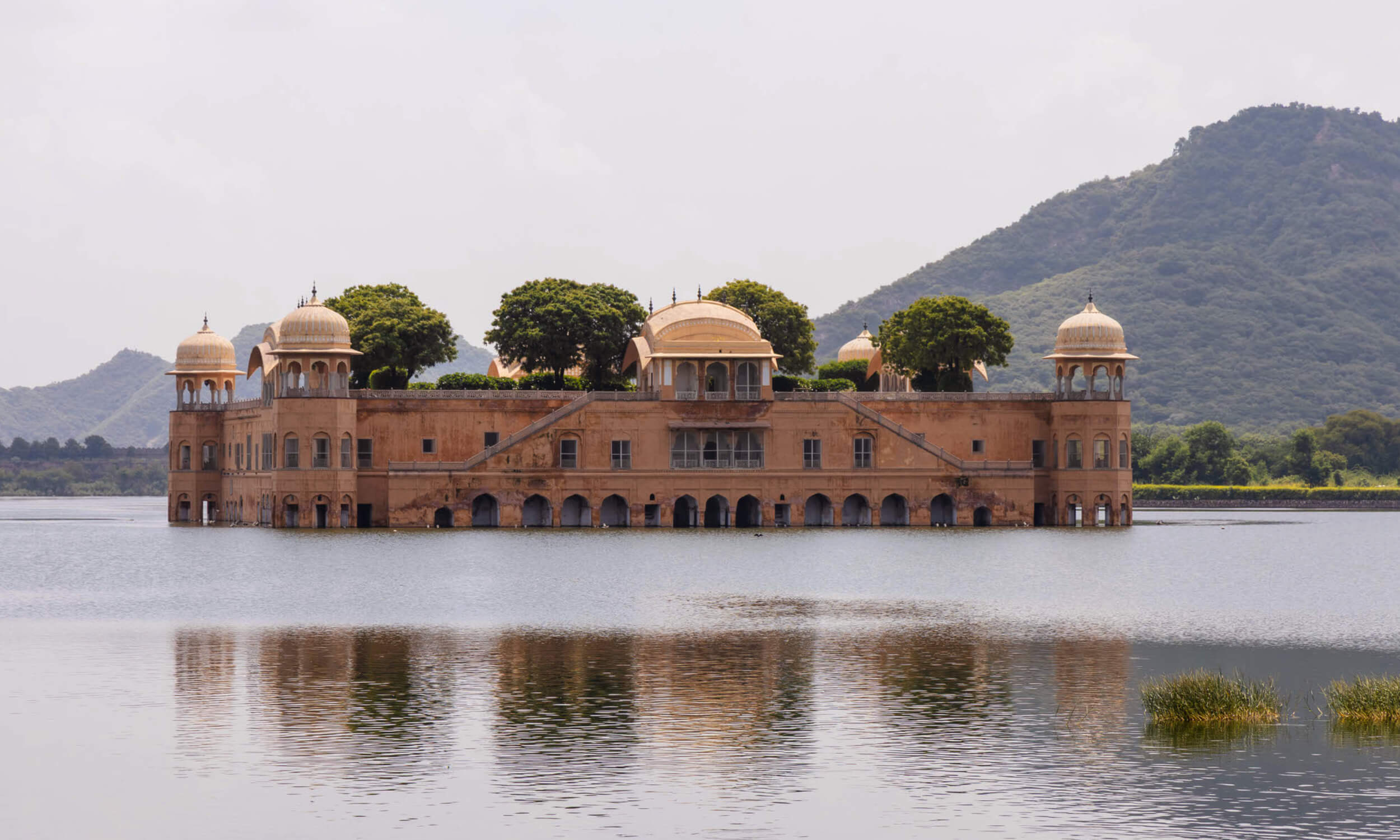
Located in the midst of Man Sagar Lake, the Jal Mahal is another beautiful example of exquisite Rajasthani architecture with elements of Mughal architectural style. Built in the 18th century during the reign of Maharaja Sawai Jai Singh II of Jaipur, the Jal Mahal is a five-storey red sandstone structure featuring beautiful chhatris, intricately decorated rooms, hallways and wall paintings reflecting the rich Rajasthani art.
The Jal Mahal and the surrounding lake area have undergone several restoration efforts over the years. The area surrounding the Jal Mahal is rich in biodiversity, with the Aravalli hills encircling the lake and supporting varied species of flora and fauna.
Tourists visiting the Jal Mahal can enjoy views of the palace and Man Sagar Lake; however, regular public boat rides to the palace are not currently available.
7. Monsoon Palace, Udaipur
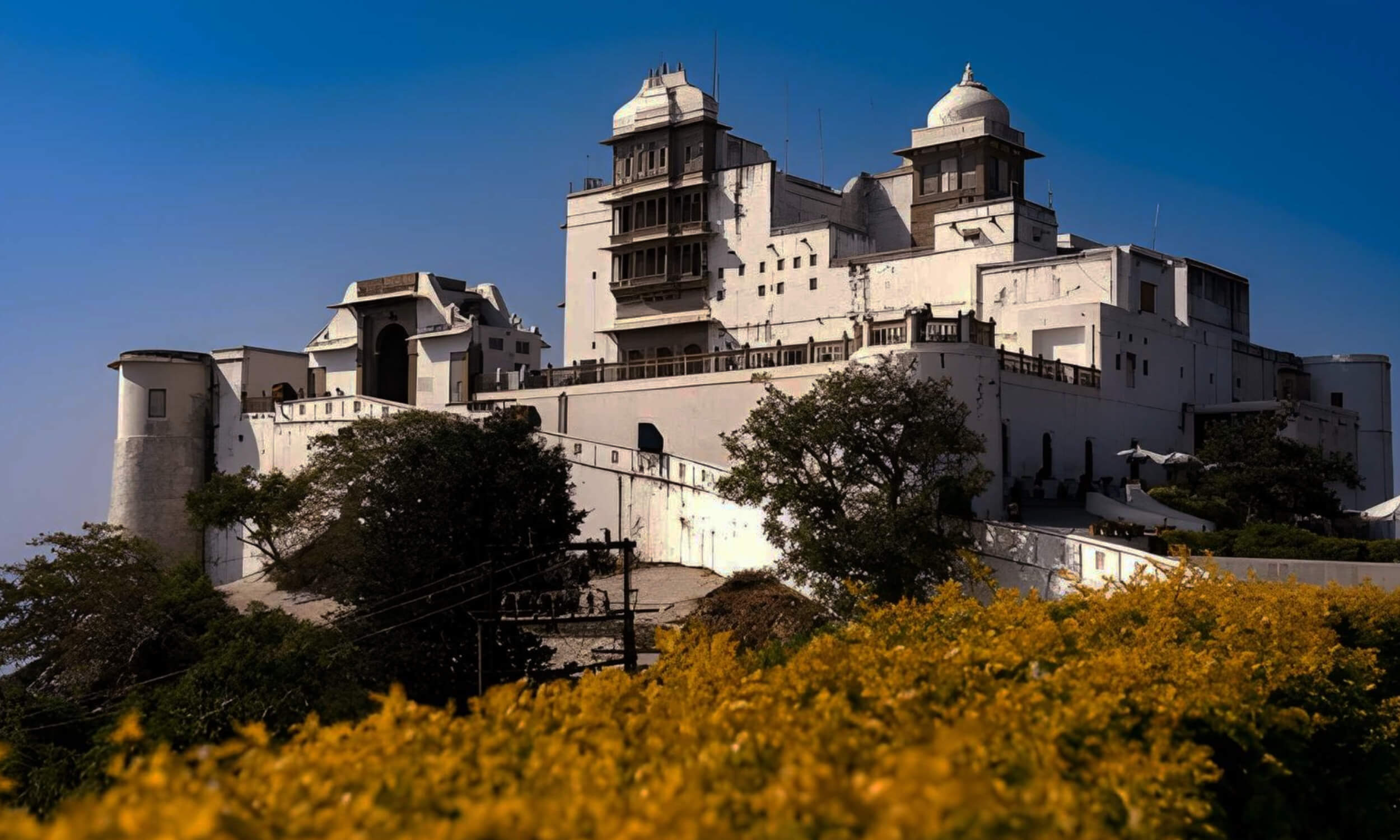
It is one of the most visited palatial buildings in Rajasthan, tucked high in the Aravalli Hills and overlooking Fateh Sagar Lake. Built in 1884 by Maharana Sajjan Singh of the Mewar Dynasty and later extended by Maharana Fateh Singh, the Monsoon Palace is an excellent example of marble and masonry craftsmanship.
It is beautifully crafted with high turrets, exquisitely shaped facades, intricately designed marble pillars, adorned rooms and quarters, and a spacious courtyard. It also presents a fine example of Rajasthani architectural style with domes, fountains and jharokhas. Originally, the Monsoon Palace was planned as an astronomical centre and was also intended as a monsoon retreat for the royal family, but the astronomical observatory was never completed.
8. Lohagarh Fort, Bharatpur
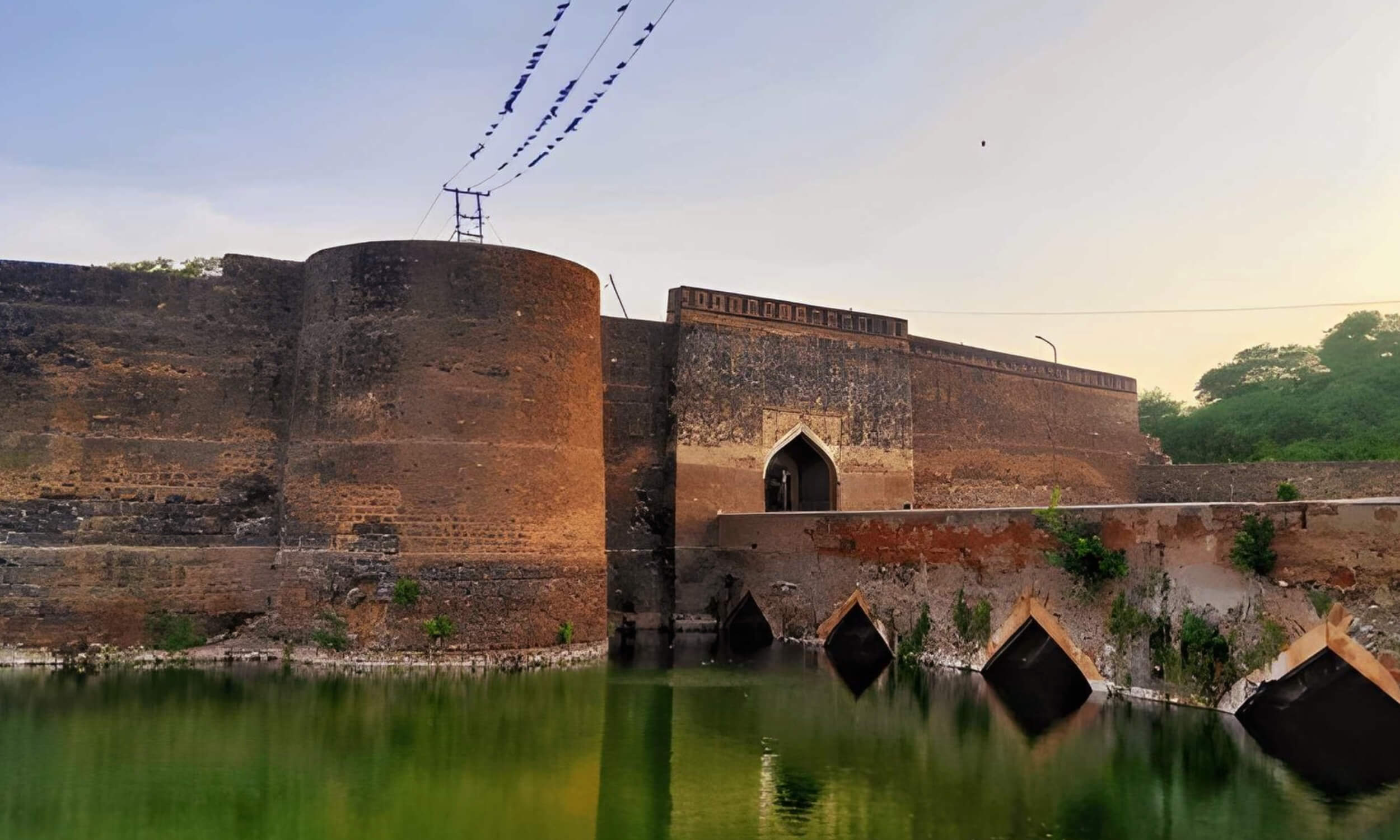
Located in the heart of Bharatpur town, Lohagarh Fort is one of the strongest forts in Rajasthan, known for withstanding several attacks by the British during the early 19th century. True to its name, the fort was built as a strong defensive structure by the Jat ruler Maharaja Suraj Mal. The construction of the fort is traditionally said to have taken several decades. Each part of the fort has a story to tell. The Ashtadhatu Gate, which is one of the prominent entrances, and the other gates are built with strong materials, while the fort is surrounded by a deep moat that was once filled with water to keep enemies away. The Ashtadhatu Gate is named after the eight-metal construction associated with it.
Lohagarh Fort still stands strong with its imposing ramparts, and within it are the Jawahar Burj and Fateh Burj, two victory towers built by Raja Suraj Mal to commemorate victories over the Mughals and the British. There are several important structures within the fort, including Kothi Khas, Mahal Khas, Moti Mahal and Kishori Mahal. The nearby Bharatpur Palace complex houses the Kamra Khas museum, which contains a fine collection of antiques, sculptures, local art and craft items, ancient scriptures, arms and other historical objects. The museum was established in 1944 and also displays manuscripts, paintings and other artefacts.
The Mahal Khas is an excellent example of Jat architectural style, featuring carved roofs, decorative details and beautiful wall paintings. Some other interesting structures within the fort are the Ashtadhatu Gate, Jawahar Burj and Fateh Burj. After exploring the rich history of Lohagarh Fort and its impressive monuments, tourists can spend some time at Nehru Park, which lies near the fort. Lohagarh Fort is one of the must-visit forts in Rajasthan and stands as a reminder of the valour of the Jat rulers of Bharatpur.
9. Deeg Palace, Bharatpur
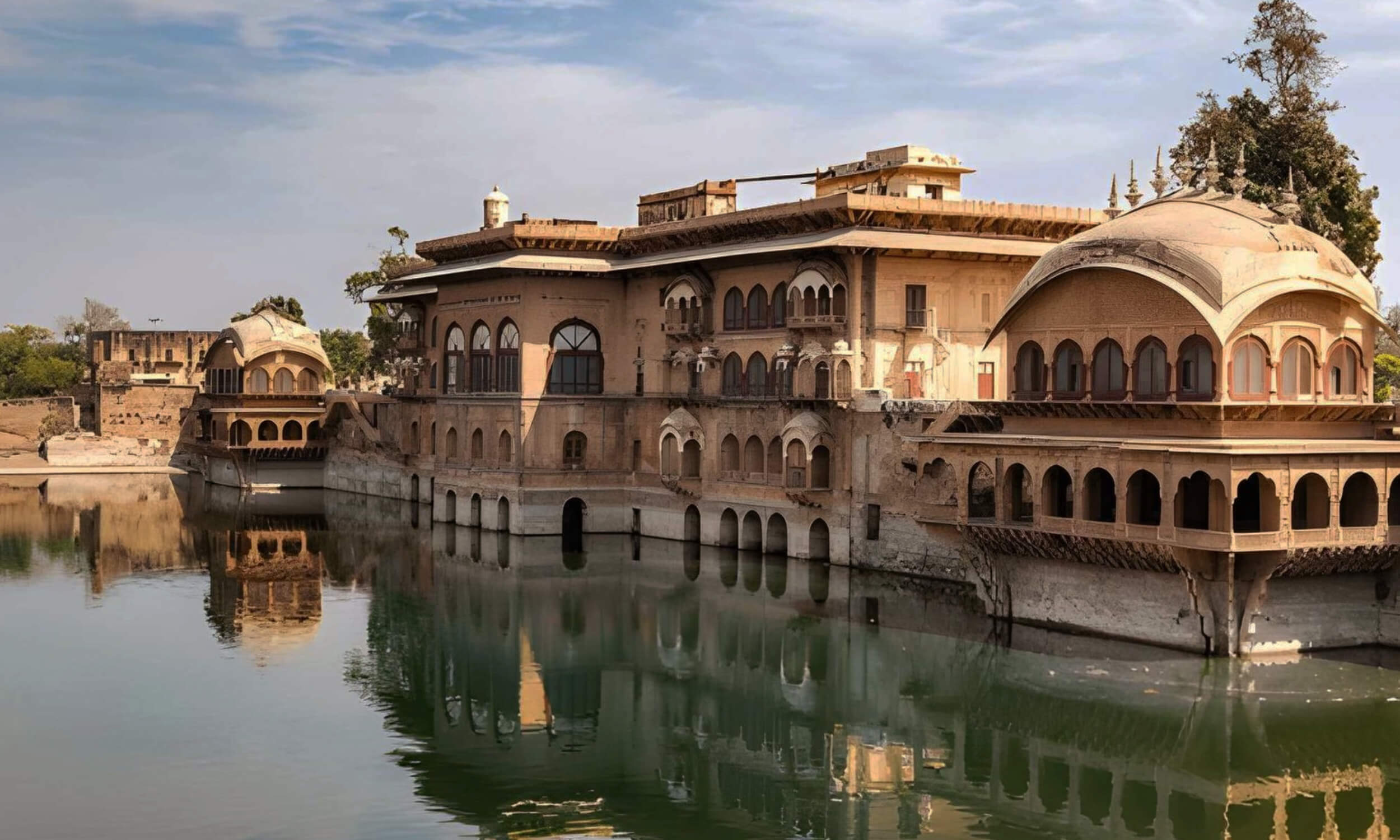
Built in 1772 by the Jat rulers as a luxurious summer resort, Deeg Palace is another beautiful architectural specimen that reflects a fusion of Rajput and Mughal architectural styles.
It is crafted with several palatial rooms, carved gates and windows, ornate beams and marble jalis. It also houses a pavilion, Keshav Bhawan, which features a canal and several fountains.
It is one of the must-visit places in Rajasthan after sightseeing in Bharatpur, which includes the Bharatpur Bird Sanctuary and Lohagarh Fort.
10. Ranthambore Fort, Sawai Madhopur
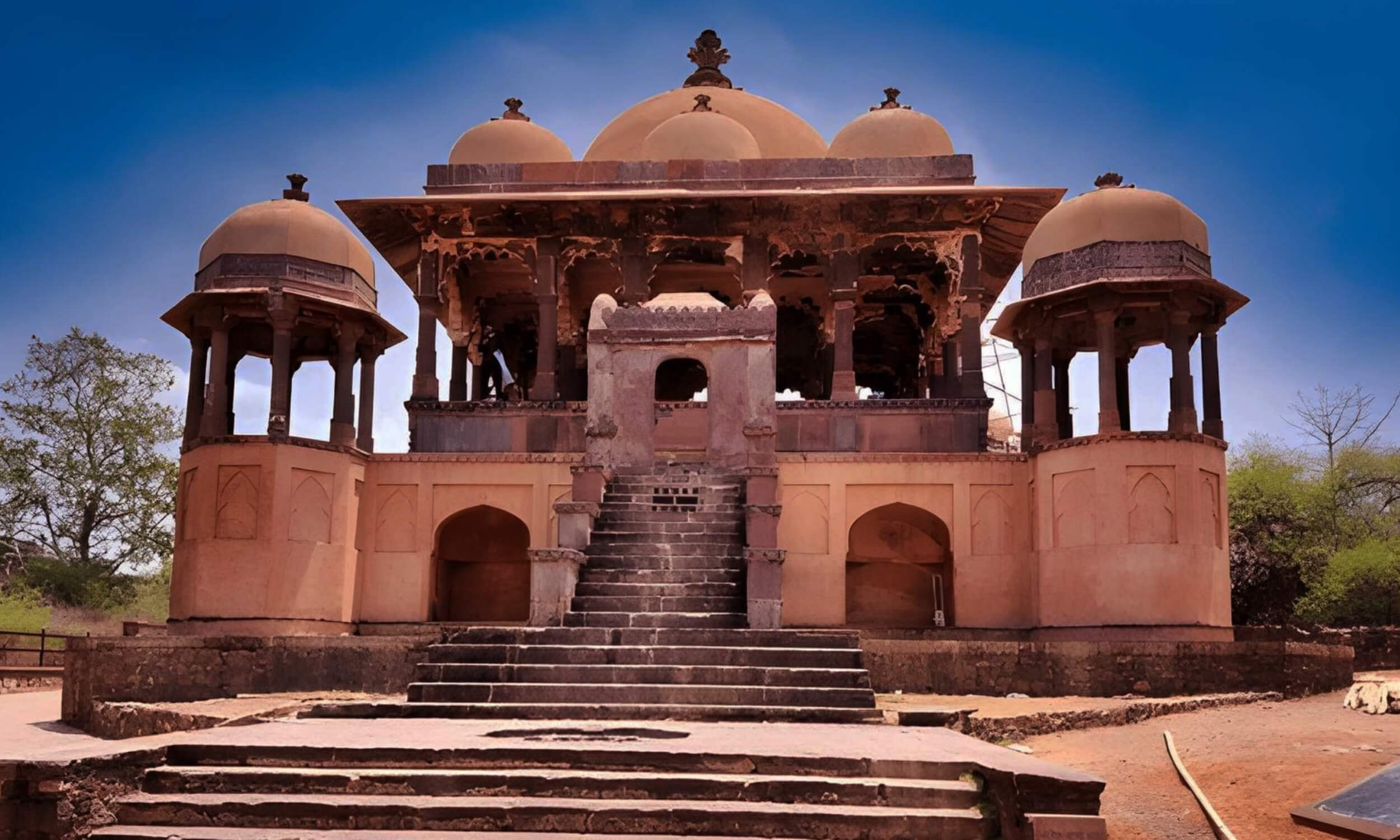
Tucked amidst nature, the Ranthambore Fort is a popular tourist attraction in Rajasthan and a must-visit place for travellers going on a wildlife safari in Ranthambore National Park. Yes! The Ranthambore Fort is located within the Ranthambore National Park, which is home to several species of animals and birds, including the Royal Bengal Tiger. Built in the 10th century by the Chauhan rulers, the Ranthambore Fort was later occupied by several ruling dynasties.
The fort witnessed several attacks and sieges, including those by the Sultans of Delhi and the rulers of Mewar and the Mughals. The fort complex still has several architectural structures, including temples, tanks, massive gates and huge walls, of which the Ganesha Temple, Shiva Temple, Ramlalji Temple and the Jain temples dedicated to Lord Sambhavanath and Lord Sumatinath are the major attractions.
Nearby Tourist Attractions: Ranthambore National Park, Kachida Valley, Surwal Lake, Malik Talao, Padam Talao, Raj Bagh Ruins and Ranthambore School of Art.
11. Taragarh Fort, Bundi
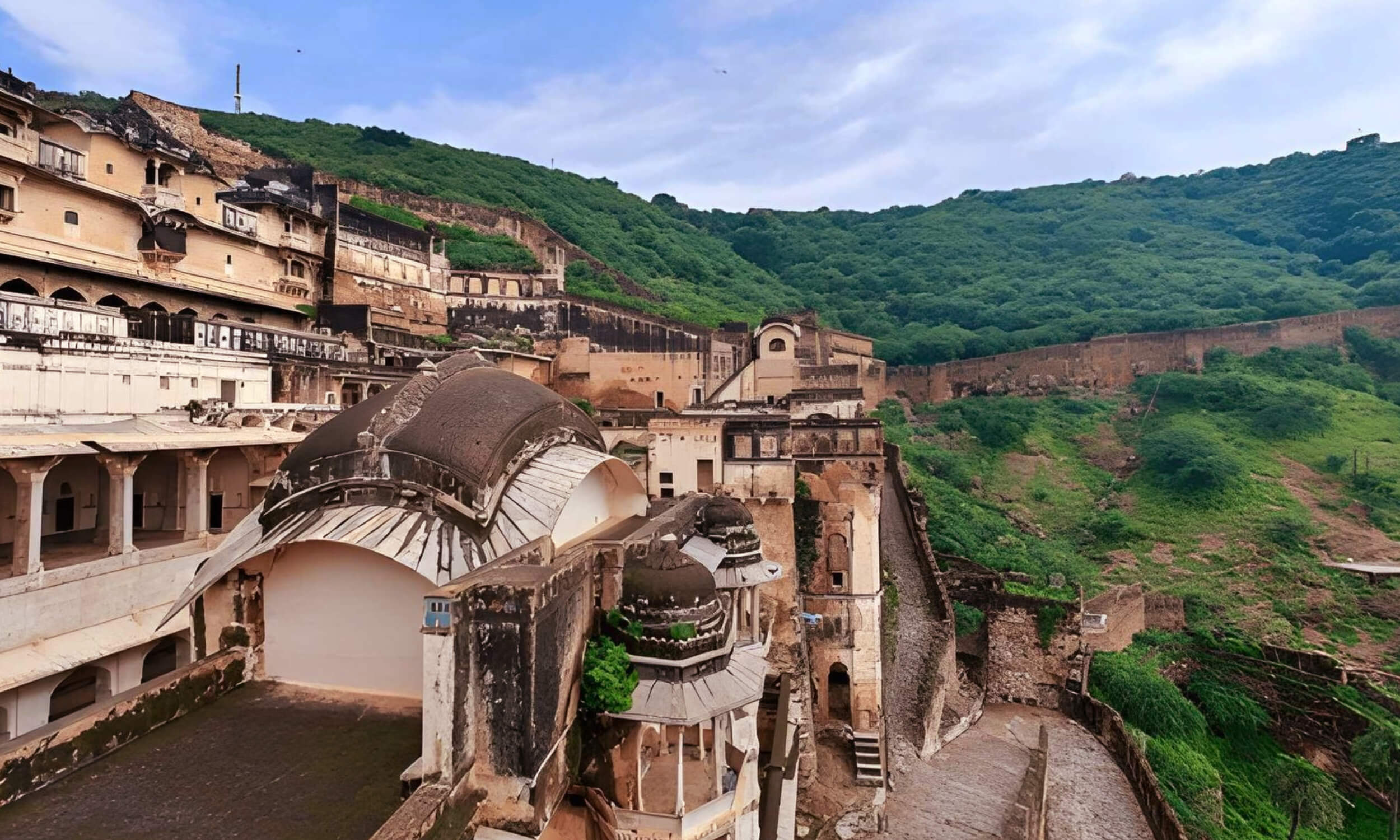
Overlooking the city of Bundi, this impressive structure stands tall on a steep hillside. Built in 1354 with three gateways – Lakshmi Pol, Phuta Darwaza and Gagudi Ki Phatak – which are mostly in ruins today, Taragarh Fort, though it has lost much of its sheen with time, still continues to amaze tourists with a rich glimpse of the erstwhile Chauhan dynasty.
The fort was crafted with an excellent network of tunnels crisscrossing the entire hillside, but these are inaccessible to tourists for want of proper maps. The fort comprises huge water reservoirs, a small palace with some marvellous murals and stained-glass windows, and a tomb known as “Miran Saheb Ki Dargah”.
Nearby Tourist Attractions: Bundi Palace, Shikar Burj, Jait Sagar, Stepwells, Phool Sagar, Dugari Fort and Ramgarh.
12. Vinay Vilas Mahal, Alwar
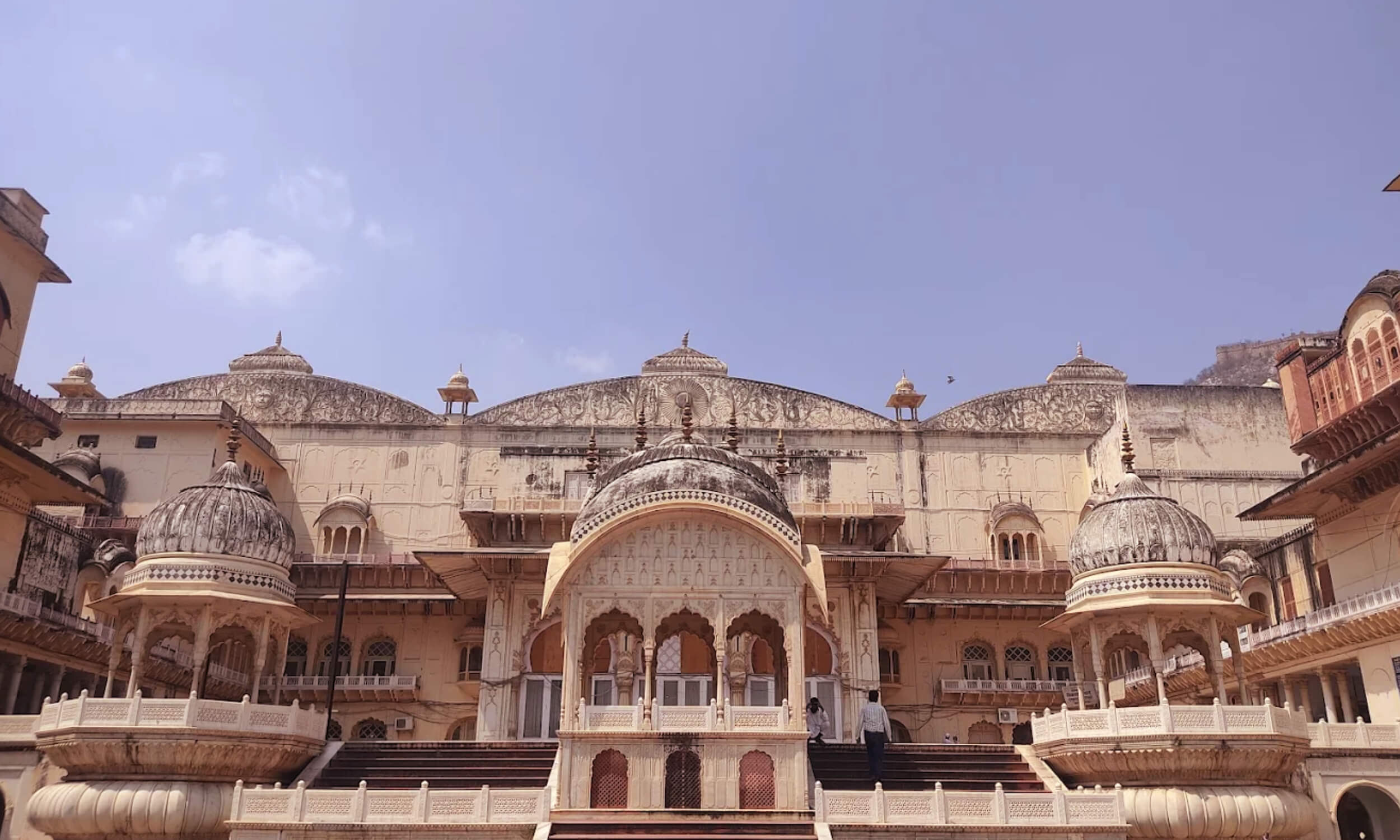
A historical landmark in the heart of the town, Vinay Vilas Mahal is yet another marvelous structure displaying a rich blend of Rajput and Mughal architectural styles. It was built in 1793 by Raja Bakhtawar Singh and is crafted with elegant rooms, carved windows, facades and hallways.
It also houses a cenotaph with an intricately carved roof and arches. Today, Vinay Vilas Mahal is one of the best tourist places in Alwar and houses a well-stocked museum with a rich collection of antiques, manuscripts, miniatures and paintings.
13. Junagarh Fort, Bikaner
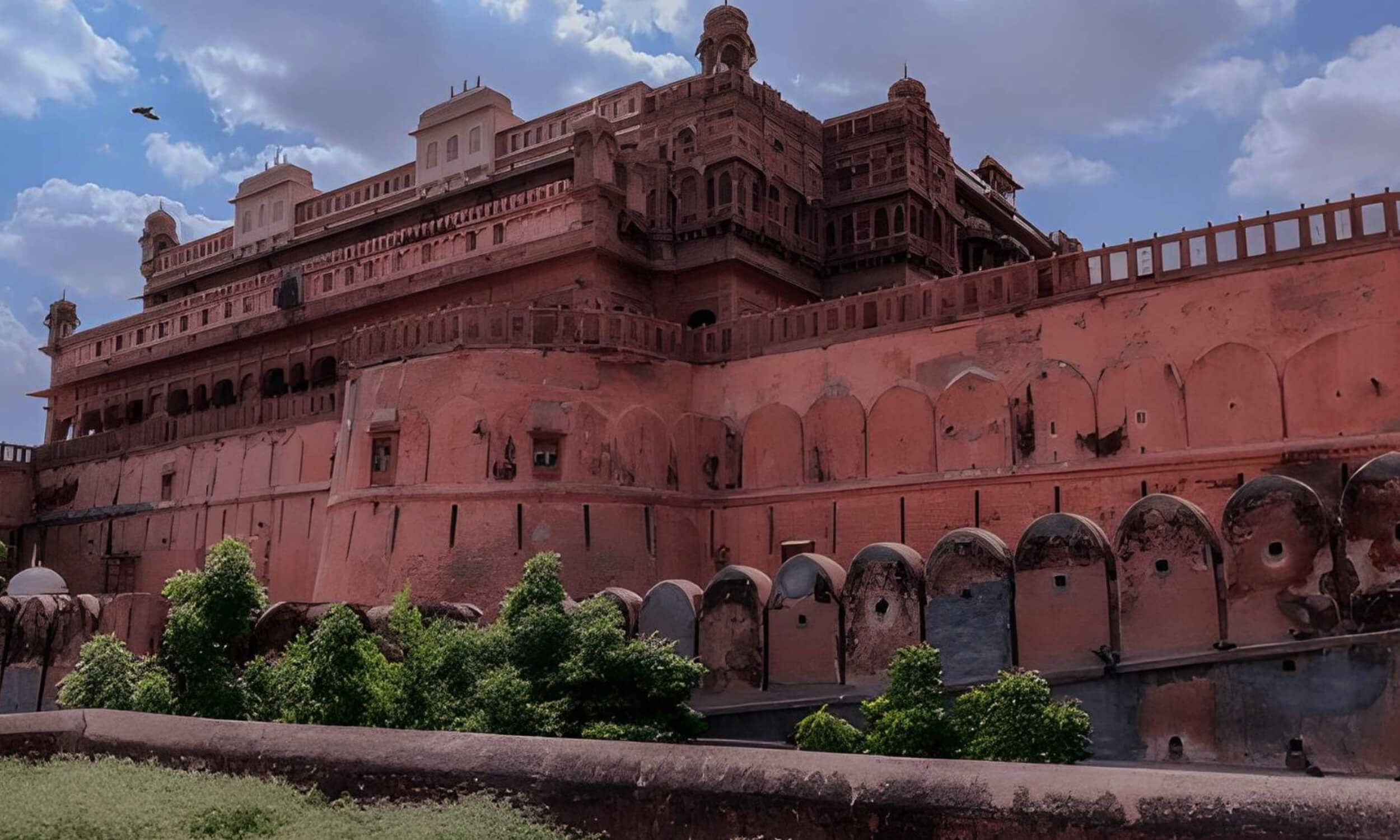
One of the prominent landmarks in the heart of Bikaner city, Junagarh Fort is an outstanding example of art, architecture and culture. The composite structure, with several palaces, temples and mansions, reflects a fusion of Mughal, Gujarati and Rajasthani architectural styles. Within the massive fort walls lie several palaces and courtyards built by successive rulers of Bikaner. Under the administration of Raja Rai Singh, an esteemed army general in the court of Emperor Akbar and later Jahangir, the construction of Junagarh Fort began in 1589 and was completed in 1594. The fort comprises several monuments that reflect different architectural influences, the most impressive being Phool Mahal, which is among the oldest parts of the fort.
Karan Mahal, built in the late 17th century by Karan Singh, commemorates his victory over the Mughal emperor Aurangzeb and features exquisite artistic work, including stained-glass windows, intricately carved stone balconies, wooden columns, inlaid glass, mirrors and a coronation chamber. Anup Mahal, a multi-storey structure with ornate wooden ceilings, houses the public audience hall and richly decorated rooms and is one of the grandest constructions commissioned by Anup Singh, who ruled from 1669 to 1698. He also expanded the royal Zenana quarter for women. Chandra Mahal and Ganga Mahal are two other impressive structures featuring typical Rajasthani architectural elements, royal bedrooms, a durbar hall, gold-plated deities and paintings adorned with precious stones.
Some other elegant architectural features are reflected in Har Mandir, Karan Pol, Suraj Pol, Chand Pol and Fateh Pol. The intricately carved Jain temples and havelis within the fort are other notable tourist attractions in Bikaner.
14. Jaisalmer Fort or Sonar Quilla, Jaisalmer
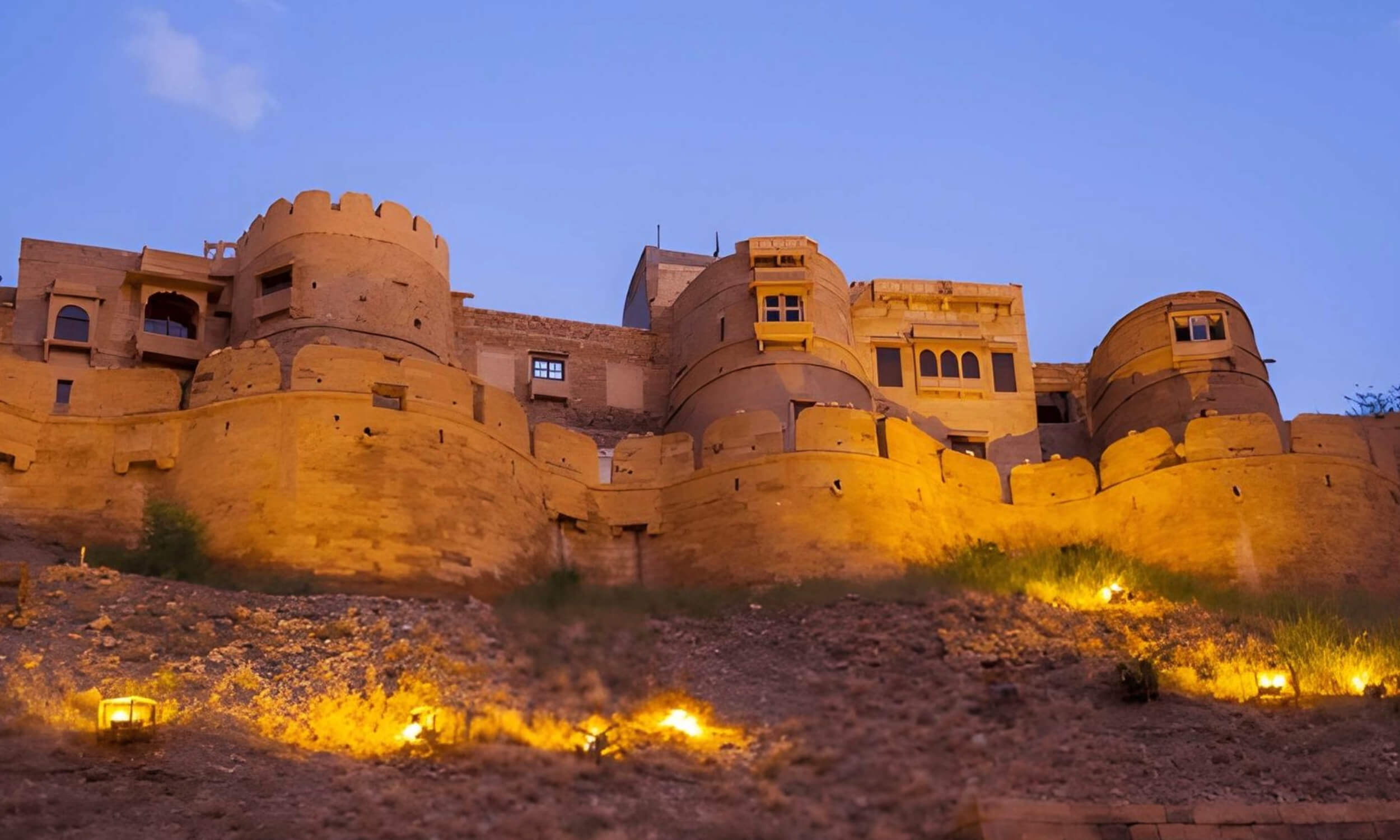
Built in the mid-12th century by Rawal Jaisal, the massive fortification overlooking Jaisalmer city amid the Thar Desert is one of the largest living forts in the world. Jaisalmer Fort, often known as Sonar Quila, is built of yellow sandstone and is surrounded by three layers of walls, with 99 bastions, two major cannon points and several architectural structures, including the Royal Palace, four massive gateways, merchant havelis and temples belonging to both the Hindu and Jain religions. The Shree Nath Palace and Vyas Haveli are some of the popular tourist attractions inside Jaisalmer Fort. There is also a museum that exhibits a fine collection of armour, portraits and paintings depicting the heroic period of the Rajput rulers. At the entrance to the fort, there is a small market where you can shop for traditional Rajasthani attire.
There are numerous hotels, eateries and restaurants where tourists can try typical Rajasthani cuisine as well as other Indian and international delicacies. Jaisalmer Fort is one of the major heritage sites in India and forms part of the UNESCO-listed Hill Forts of Rajasthan. Over the years, it has attracted tourists from all over the world. Besides its history and architectural works, the amazing views of Jaisalmer city from the fort’s bastions and the spectacular sunset are major tourist attractions.
Nearby Tourist Attractions: Sam Sand Dunes, Kuldhara Village, Bada Bagh, Gadisar Lake, Salim Singh Ki Haveli, Patwon Ki Haveli, Mandir Palace and Khaba Fort.
15. Mehrangarh Fort, Jodhpur
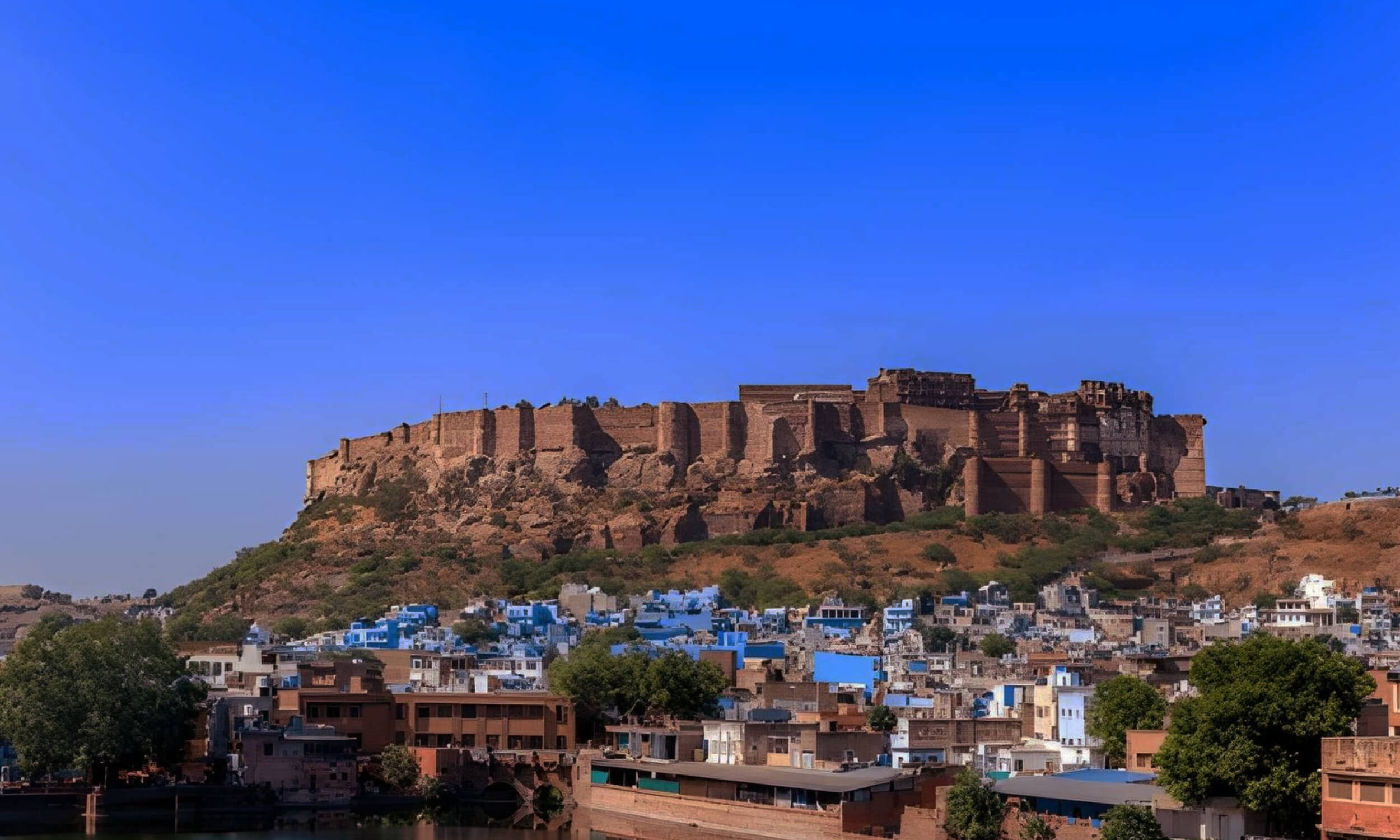
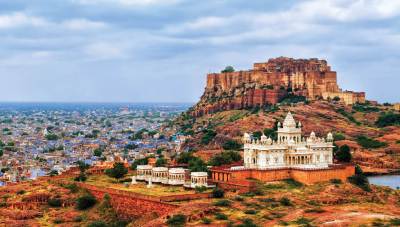
Mehrangarh Fort is one of the important historical sites in India and has witnessed several battles, including conflicts with the armies of Jaipur and Bikaner. The foundation of this imposing fort was laid atop a hill by the Rathore ruler Rao Jodha in 1459, with the assistance of Rao Nara. Later, the fort was extended and strengthened by successive Rathore rulers, including Maharaja Jaswant Singh, who ruled from 1638 to 1678. The fort is approached through a series of seven gates, including Jayapol, which commemorates victories over the armies of Jaipur and Bikaner; Fattehpol, which marks the victory over the Mughals; Dedh Kamgra Pol; and Loha Pol, all of which hold an important place in the history of Rajasthan.
Close to Loha Pol, you can still witness several palm impressions of royal women who performed sati following the death of Maharaja Man Singh. Within the fort complex, you will also come across some of the finest palaces of Rajasthan – Moti Mahal, Phool Mahal, Sheesh Mahal, Sileh Khana and Daulat Khana, which are notable for their exquisite architectural work, intricate carvings and expansive courtyards. Most of these palaces now form part of a museum that displays a vast collection of palanquins, howdahs, royal cradles, miniatures, musical instruments, costumes and furniture. It also houses several galleries featuring antiques associated with the Mughal emperors, armour belonging to several Rajput clans, and turbans. The fort complex also contains temples, cenotaphs and cannons.
16. Lalgarh Palace, Bikaner
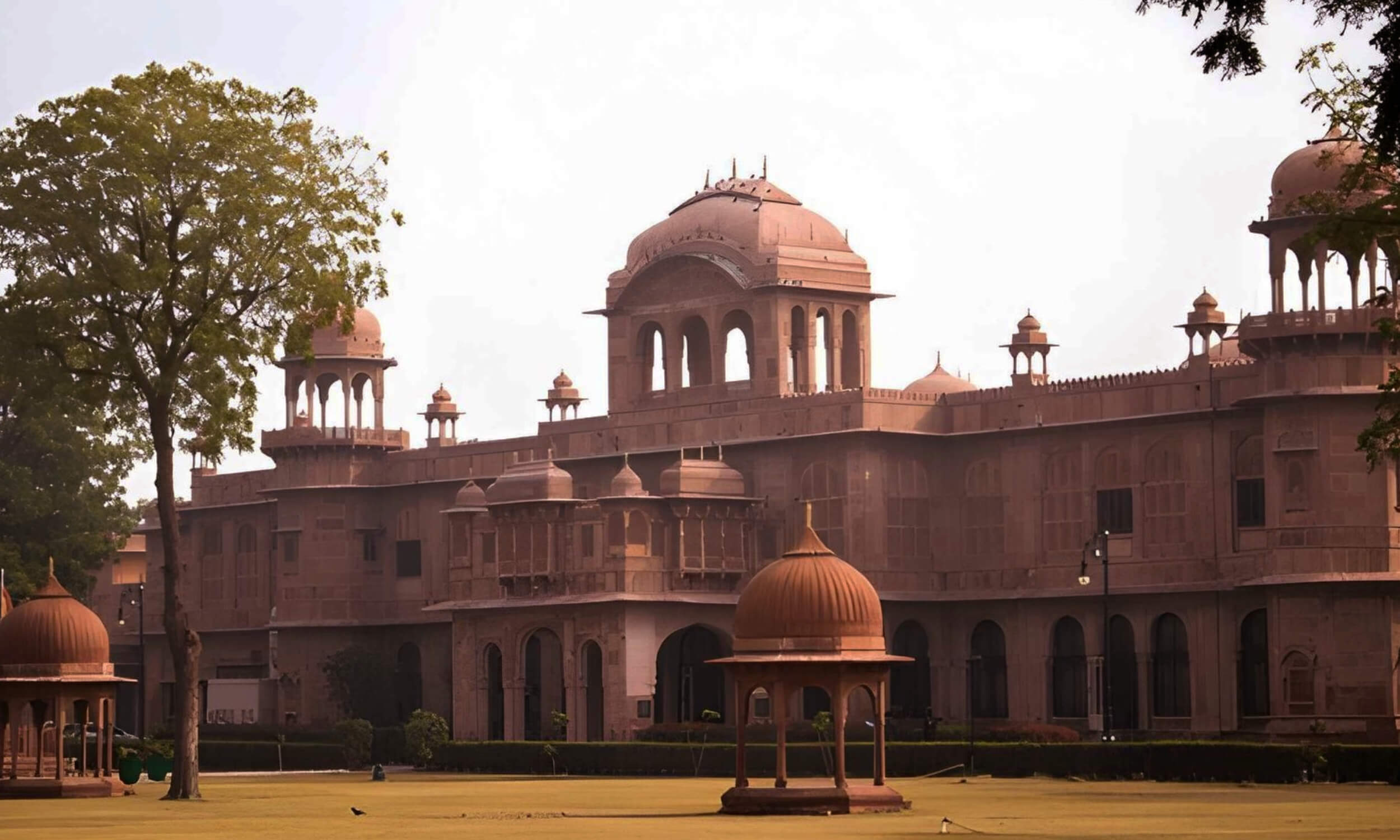
It is one of the elegant palatial buildings in Bikaner and was built between 1902 and 1926, showcasing the Indo-Saracenic style of architecture. Located only a few kilometres from Junagarh Fort, it is crafted with several wings, some of which are occupied by the royal family, while others house the Shri Sadul Museum and heritage hotel facilities.
The Shri Sadul Museum is known for its collection related to the royal family and Bikaner’s history. The Laxmi Niwas Palace, which forms part of the palace complex, has also been converted into a heritage hotel and is one of the notable luxury heritage properties in Rajasthan.
Nearby Tourist Attractions: Laxmi Niwas Palace, Junagarh Fort, Maru Nayak Ji Temple, Laxmi Nath Temple, Bhandasar Jain Temple, Mukam Temple, Karni Mata Temple, havelis and nearby villages.
17. Umaid Bhawan Palace, Jodhpur
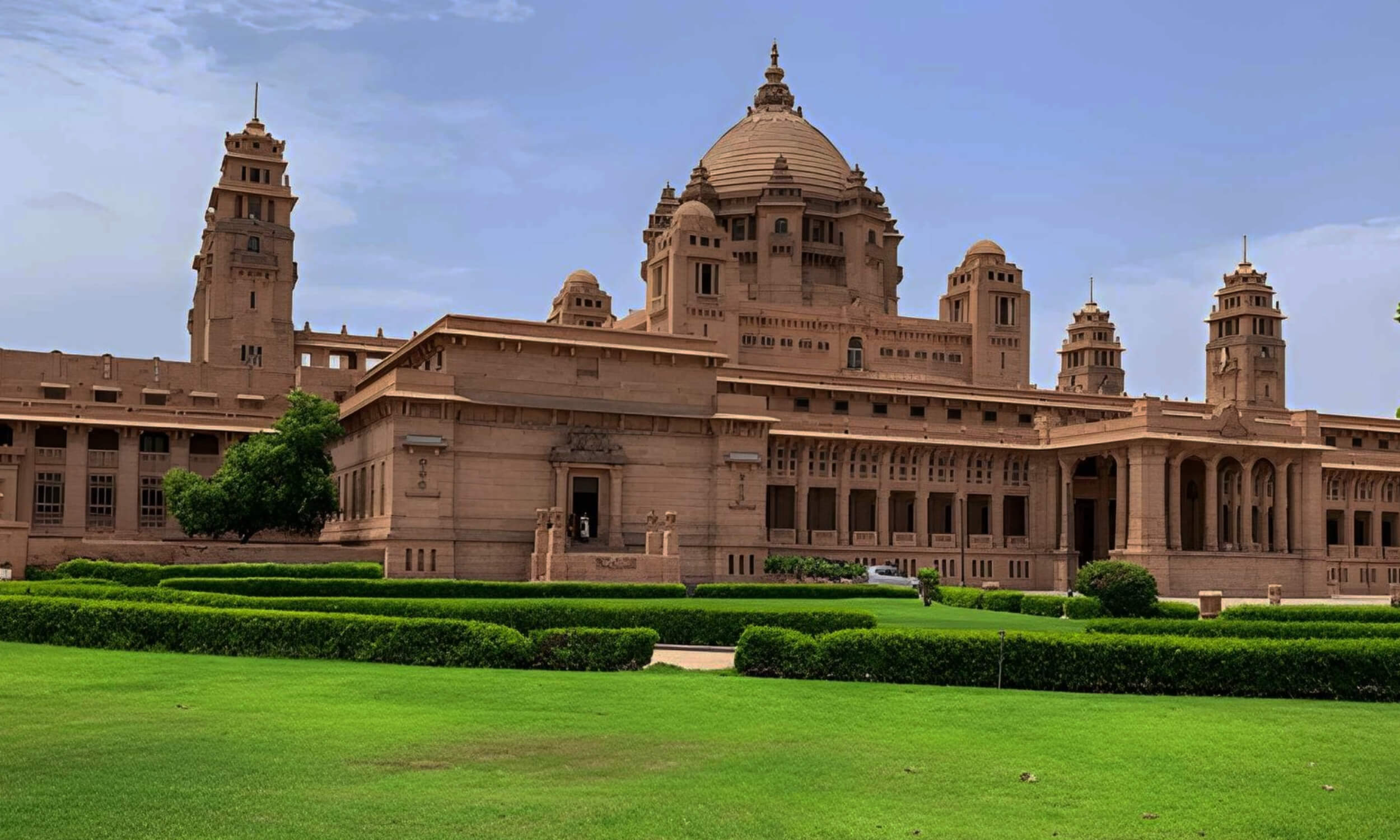
Guess what!!! The Umaid Bhawan Palace in Jodhpur is one of the world’s largest private residences and was built in the early 20th century by Maharaja Umaid Singh. It took approximately 15 years to complete the entire construction work, which comprises 347 rooms.
Today, a part of the palace serves as a museum, open to tourists, while another part operates as a heritage hotel managed by the Taj Group. The remaining part of the palace is still occupied by the royal family. It also hosts a gallery showcasing an impressive collection of vintage automobiles owned by the maharajas.
Nearby Tourist Attractions: Jaswant Thada, Mandore, Balsamand Lake, Kaylana Lake, Ghanta Ghar and Gangaur.
17. Chittorgarh Fort, Chittaurgarh
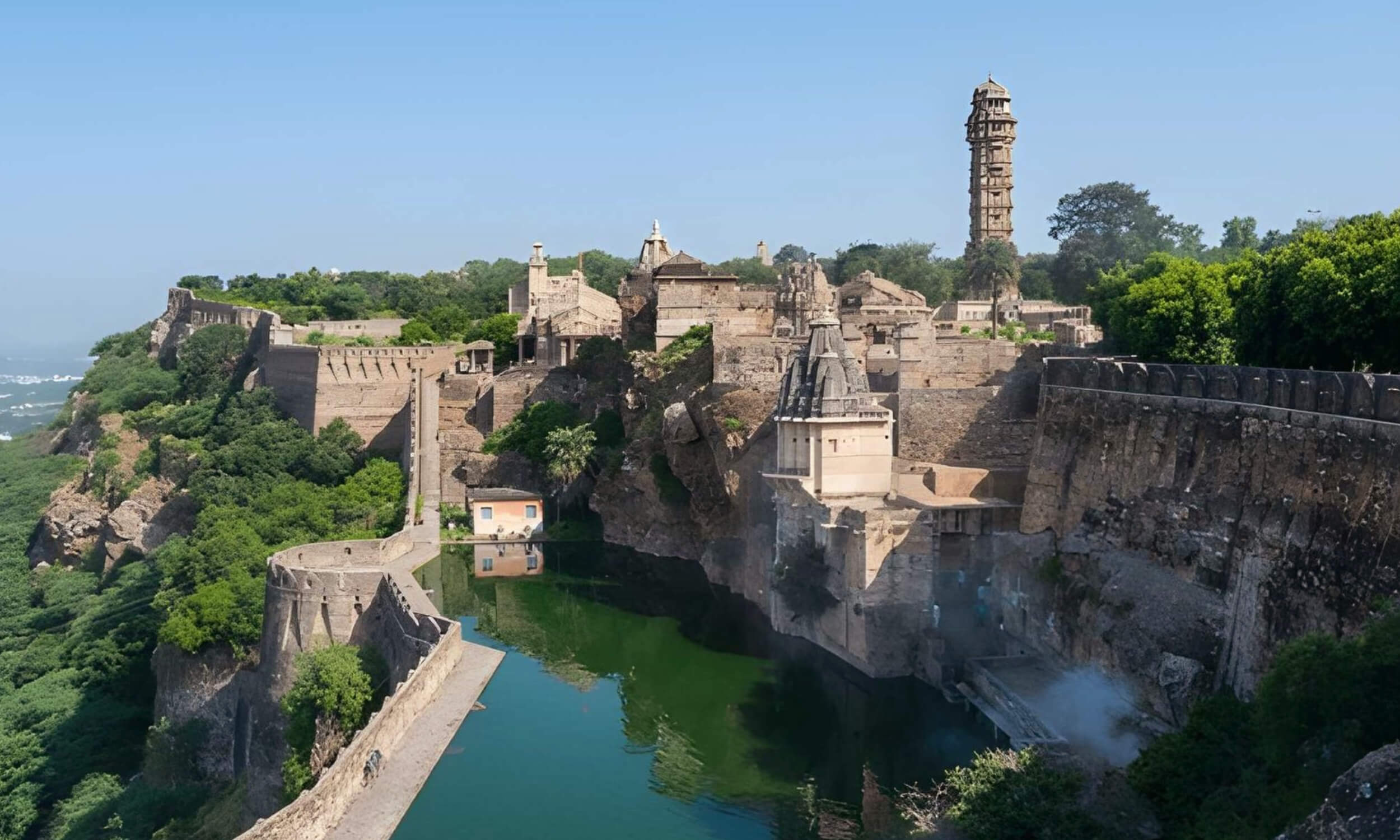
One of the oldest forts in Rajasthan, Chittor Fort is believed to have been built in the 7th century and is yet another magnificent architectural marvel that attracts travellers from all over the world. It is a UNESCO World Heritage Site in India, rising on a hilltop and spreading over an area of about 700 acres. The fort unfolds the chivalrous history of the Mewar rulers of the Sisodia dynasty.
The fort is studded with several majestic palaces, imposing gates, intricately designed temples and memorials. It also boasts several stepwells, paintings and other artistic works. With the passage of time, Chittor Fort has witnessed several battles and sieges, including Alauddin Khalji’s siege in 1303, Bahadur Shah of Gujarat’s siege in 1535, and Emperor Akbar’s siege in 1567-68, which led to the fort’s capture by the Mughals. The Battle of Khanwa in 1527, fought between Rana Sanga and Mughal Emperor Babur, also holds an important place in the history of Mewar.
The fort complex comprises numerous historic structures. The seven massive stone gates – Padan Pol, Bhairon Pol, Hanuman Pol, Ganesh Pol, Jorla Pol, Laxman Pol and Ram Pol (the main gate); palaces including Rana Kumbha Palace, Ratan Singh Palace, Badal Mahal and Padmini’s Palace, which is one of the must-visit palaces in Rajasthan; memorials such as Vijay Stambha and Kirti Stambha and several cenotaphs; and ancient temples dedicated to Hindus and Jains, including Kalika Mata Temple, Kumbha Shyam Temple, Adbhutnath Temple, Shringar Chawri and Sat Bis Devri, are among the most notable structures in the fort complex and reflect the rich heritage of Rajasthan.
18. Kumbhalgarh Fort, Kumbhalgarh
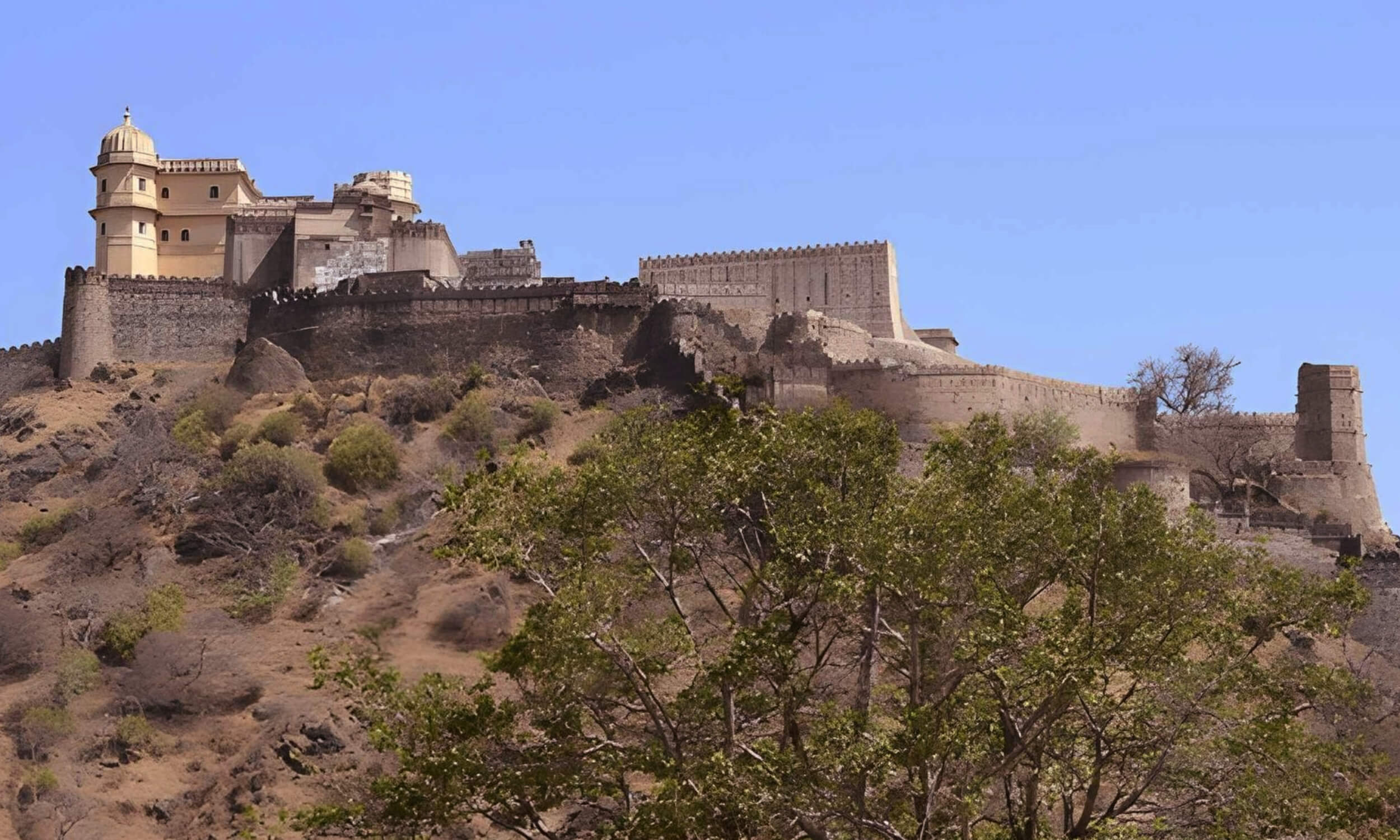
Having a vast history, Kumbhalgarh Fort is one of the significant heritage sites in Rajasthan, widely known for its serpentine wall stretching for about 36 kilometres and comprising several huge imposing gates, including Hulla Pol, Hanuman Pol, Ram Pol, Bhairava Pol, Paghra Pol, Top Khana Pol and Nimboo Pol, which are supported by watchtowers and bastions.
It was built in the 15th century atop the Aravalli Hills by Maharana Kumbha. Within the fortification, there are several palaces and more than 300 temples, of which Badal Mahal, where Maharana Pratap is traditionally believed to have been born, holds an important place in the history of Rajasthan.
The Shiva Temple is yet another beautiful work of architecture that is worth visiting.
19. City Palace, Udaipur
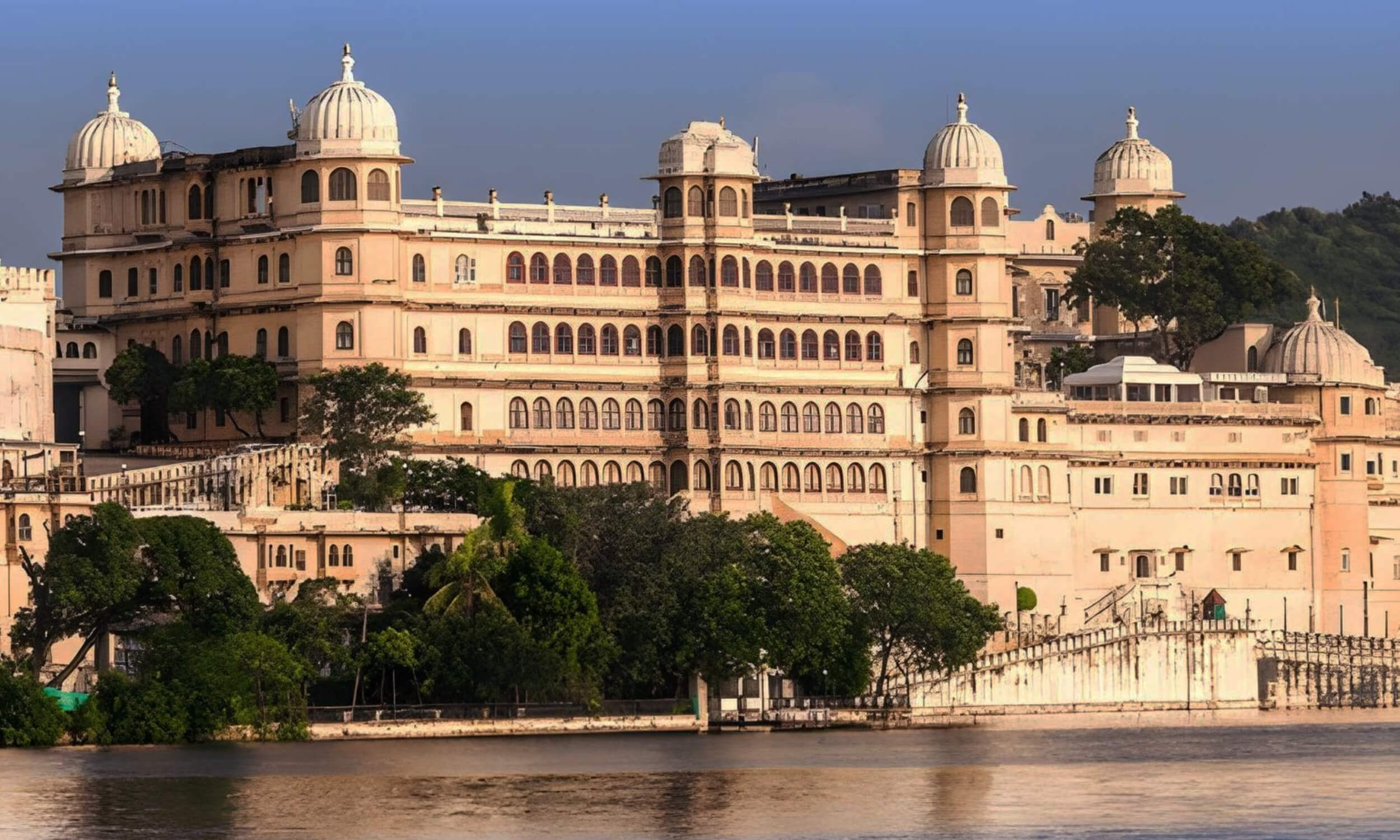
An outstanding example of elegant architecture with a rich blend of Rajasthani, Mughal, European and Chinese influences, the City Palace in Udaipur is regarded as one of the most beautiful palace complexes in Rajasthan. This palatial complex was started in the mid-16th century by Maharana Udai Singh II, after he shifted his capital from Chittor to Udaipur.
Over the years, the palace was extended by his successors, and today it forms a complex structure with several palaces, gateways, balconies, towers, gardens and cupolas that exhibit delicate mirror work, marble work, murals, wall paintings, silver work, inlay work and coloured glass.
The major attractions in the complex are the gateways – Bari Pol, Tripolia and Hathi Pol; palaces – Dilkhush Mahal, Sheesh Mahal, Moti Mahal and Badi Mahal; chambers – Krishna Vilas, Bhim Vilas and Amar Vilas; and other attractions such as Surya Gokhda, Mor Chowk and Surya Chopar.
Shambhu Niwas, which still belongs to the royal family, and Fateh Prakash Palace and Shiv Niwas Palace, which were added later to the complex, are heritage hotels located within the palace complex. Some other tourist attractions inside the City Palace are the museum and temples dedicated to Lord Krishna, Lord Shiva and Meera Bai.
20. Lake Palace, Udaipur
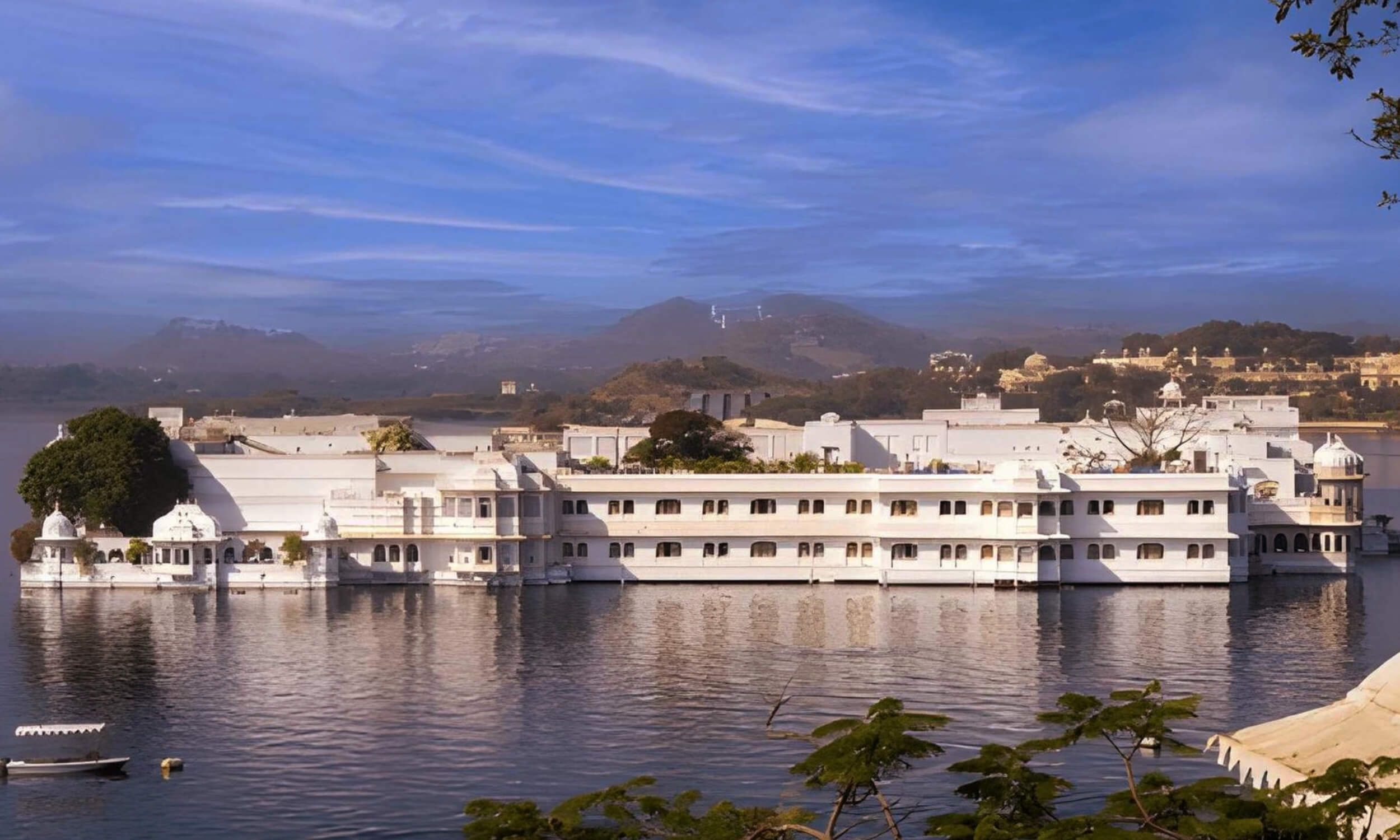
In the middle of Lake Pichola and overlooking Udaipur City, Lake Palace, formerly known as Jag Niwas, is a fine marble masterpiece that was built between 1743 and 1746 by Maharana Jagat Singh II. It served as a summer retreat for the Mewar royal family.
In 1963, the palace was converted into a heritage hotel, and in 1971, an agreement was signed with The Indian Hotels Company Limited (The Taj Group) for its management. Today, it is one of the major tourist attractions in Udaipur and plays a significant role in the city’s tourism and hospitality industry.
The palace has been restored and offers 65 rooms and 18 suites, along with restaurants, recreational facilities and other luxury amenities. Today, it is regarded as one of the most romantic luxury hotels in India due to its scenic location amid Lake Pichola, with the Aravalli hills in the backdrop, pleasing ambience and royal hospitality.
Finally, it’s time to gear up for a heritage tour of Rajasthan. Tour My India is just a click away from your travel plans. We offer Rajasthan tour packages for both luxury and budget travellers. With us, you can explore the erstwhile forts and palaces of Rajasthan, incredible wildlife, temples, bustling markets and much more. Send us your requirements at [email protected], and our experts will get back to you within 4-5 hours. You may also check out our other customised travel packages for India.
Other Interesting Blogs to Read
About the author
From the Lake District, Nainital, Nidhi Singh is a travel writer whose love for mountains can be seen in her write ups. Talk about solo travelling, indulging in adventure activities, binging on good food, planning budget trips or the Aurora Borealis and you will get all her attention. It is the wanderlust that keeps her going and if at all she could get one wish granted she would love to live a life less ordinary. Follow her on Twitter, Facebook & Instagram.


 +91-9212777225
 Plan Your trip