
- Destinations
- Holiday Ideas
-
Popular India Tourism Destinations by Interest
-
-
Popular India Tourism Destinations by Interest
-
Adventure Tourism
-
- Packages
- Places to Stay
- Weekend Getaways
- InternationalNEW






NEW

States › Odisha › Pilgrimage › Lingaraja Temple
Lingaraja Temple Odisha
Lingaraja Temple - a veritable landmark of Odisha, is known for its religious significance and magnificence architecture. Believed to be built in the 11th-century, this Lord Shiva temple has its description in the Brahma Purana (an ancient scripture) and is esteemed as one of the oldest temples in the Bhubaneshwar. The name ‘Lingaraja’ represents the King of Lingas and ‘Linga’ is another form of Lord Shiva. During the month of Phalgun (February-March), the temple receives oodles of devotees, especially on the auspicious day of Shivaratri which is the main festival of Lingaraja Temple.
Besides, the Rath Yatra (chariot festival) is also celebrated at Lingaraja Temple with so much zeal and devotion on the day of Ashokastami. Here at Lingaraja Temple, devotees can be seen enchanting ‘Hari-Hara’ which refers to both Lord Vishnu (Hari) and Lord Shiva (Hara). The temple has four divisions - the Garbh Giriha, the Yajna Shala, the Bhoga Mandap, and the Natya Shala. In the first division, the Garbh Girha (Sanctum Sanctorum), the lingam is worshipped as both Lord Shiva and Lord Vishnu and is esteemed as ‘Swayambhu’.
History and Architecture of the Temple
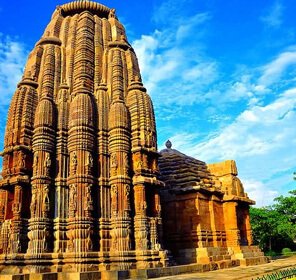
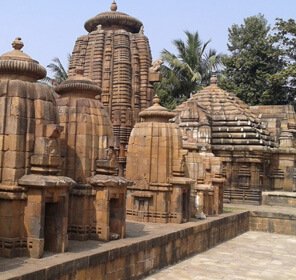
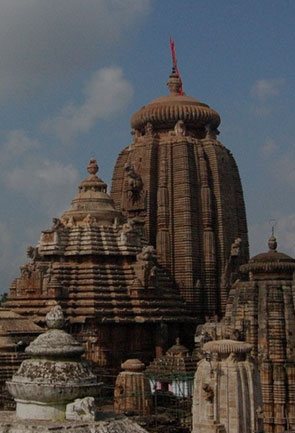
It is said that Lingaraja temple was built in the 11th-century by the Somvanshi King Jajati Kesari. Comfortably stands at the height 55 m is one of the spires of temple dominating the skylines of the city and making it the largest temple in Bhubaneshwar. The striking architecture of the temple is a perfect exemplar of Kalinga design which includes red sandstone and laterite. On the main door of the entrance, there is a Trishul (trident), which represents Lord Shiva, and a Chakra - a disk-like weapon of Lord Vishnu. Moreover, the temple is constructed in Deula style with four parts - jagmohana (assembly hall), bhoga-mandapa (hall of offerings), vimana (sanctum), and natamandira (festival hall).
Jagmohana is 30 m high and has its ingress from south and north whereas bhoga-mandapa includes fours entrances in each of the sides. However, the exterior walls of bhoga-mandapa are adorned with sculptures of men and beasts. Natamandir has three entrances, one main and other two side ones. Furthermore, the courtyard of the temple includes about 50 small temples that are devoted to various Hindu deities. Along with that, there is an entrance - Simha Dwara where the sculptures of lions are carved on both sides, crushing elephants under the feet.
Opening/Closing Time
6:30 AM to 7:30 PM
Best Time to Visit
The months of winter, i.e. from October to February, are considered as the best time to visit Lingaraja Temple. During these months, the temperature of the city remains pleasant and in favourable of tourism.
Nearby Tourist Attractions
- Vaital Deul Temple
- Siddhesvara Temple
- Siddeshwara Temple
- Ananta Vasudeva Temple
- Rameshwar Temple
- Parsurameswar Temple
- Markandeshwar Temple
- Mukteshwar Temple
- Museum of Tribal Arts and Artifacts

Popular Temples in Odisha
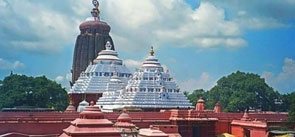
Jagannath Temple Puri

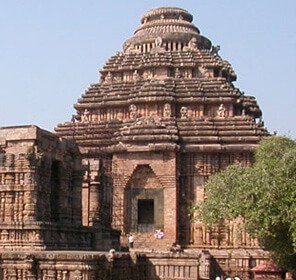
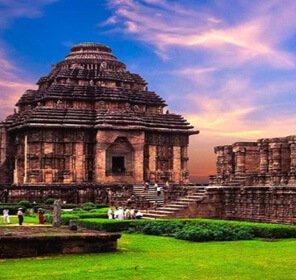
Konark Sun Temple

Brahmeshwar Temple
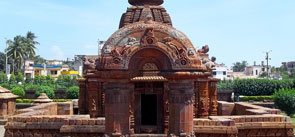
Mukteswar Temple

Parasurameswar Temple

Rajarani Temple

Vaital Deul Temple

Taratarini Temple
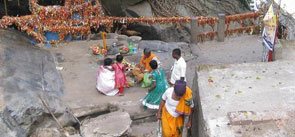
Panchalingeswar Temple

Biraja Temple

Kapilash Temple

Devi Ambika Temple

Samaleswari Temple
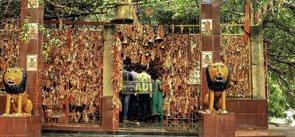
Ghanteswari Temple

Gupteswar Temple

Bharateswar Temple

Gundicha Temple

Pancha Tirtha

Loknath Temple

Chakra Tirtha Temple
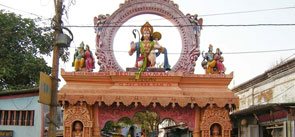
Daria Mahabir Temple

Siddha Mahavir Temple







 Plan Trip
 Call Us
 Packages
 Home
Home