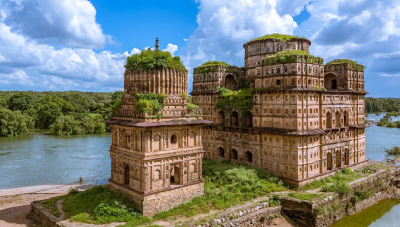
Gurudwara Hari Mandir Sahib, Punjab
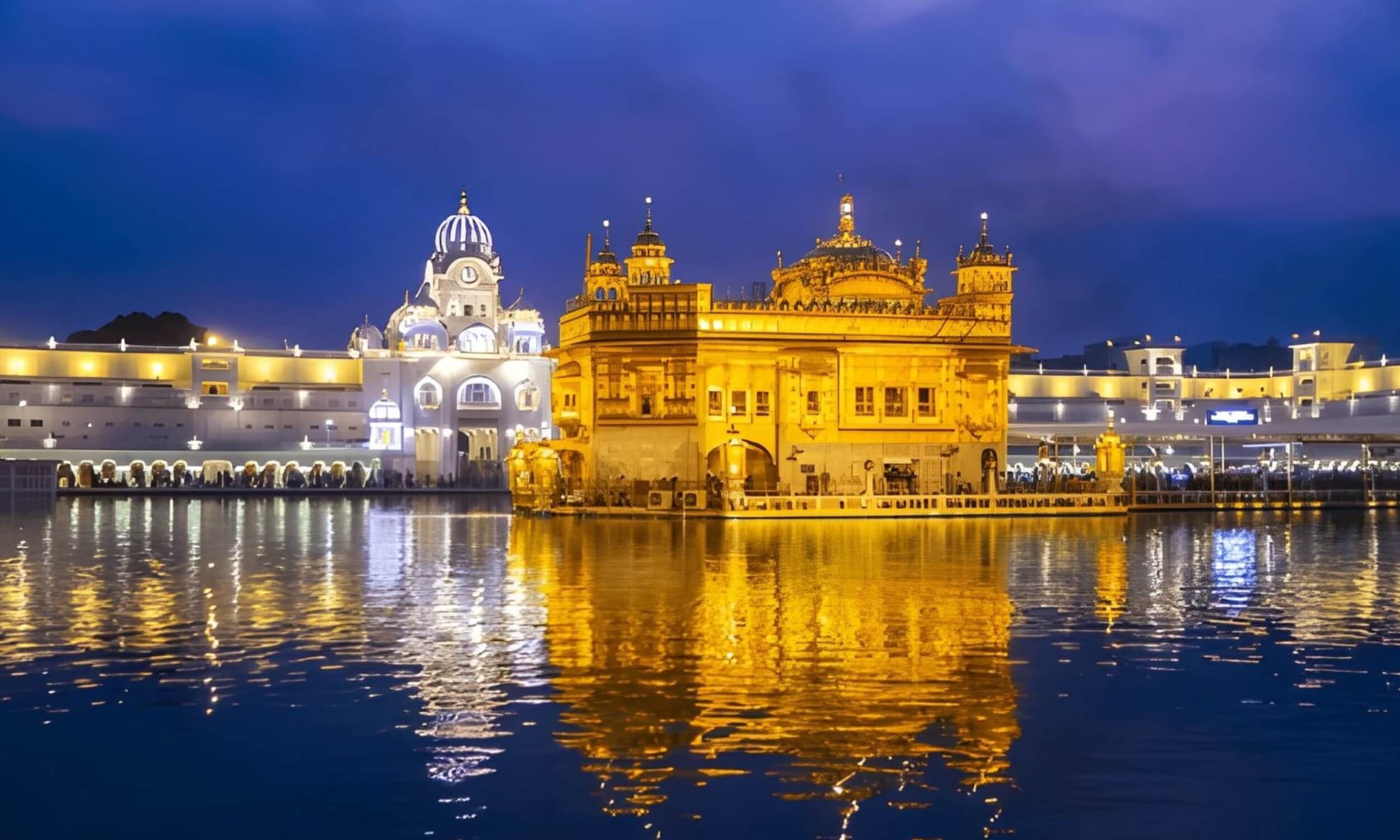
Hari Mandir Sahib is the most famous Gurudwara in India. Located in Amritsar, this Gurudwara is popularly known as the Golden Temple. In 1588, Guru Arjan laid the foundation stone of this sacred shrine, and it was in 1604 that he placed the Holy Scripture, called the Adi Granth, here.
In the 19th century, in order to protect this shrine, Maharaja Ranjit Singh covered the upper floors with sheets of gold, which later gave the Gurudwara its modern name, the ‘Golden Temple’. The Golden Temple has four gates, symbolizing that Sikhs accept people from all walks of life.
>Harmandir Sahib is not only important as a religious structure but also holds great historical significance. Inside the Gurudwara are several memorial items that commemorate the rich past of Sikhism, including events, saints, and martyrs, as well as inscriptions honoring Sikh soldiers who died in World War I and II.
Gurudwara Baba Atal Sahib, Punjab
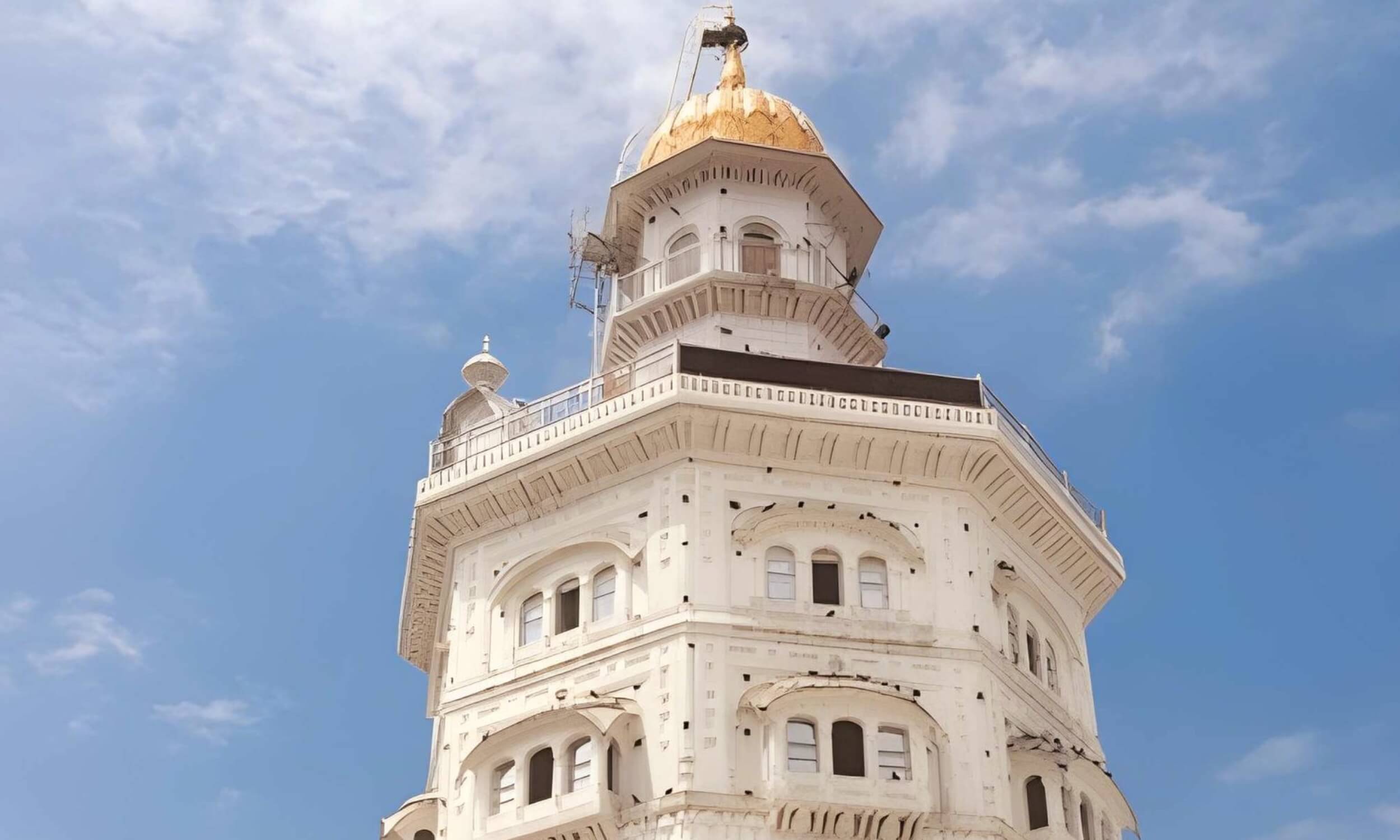
Although Gurudwara Baba Atal Sahib in Amritsar is often overshadowed by the immense popularity of Guru Harmandir Sahib, also known as the Golden Temple, this sacred shrine remains one of the best Gurudwaras in India.
Gurudwara Baba Atal Sahib was built to commemorate the early death of Baba Atal Rai, the son of Guru Hargobind Singh. Baba Atal passed away at the tender age of nine, and the place where he renounced the world marks the exact location of the Gurudwara.
This nine-storied tower is one of a kind, as its architecture differs from other Sikh places of worship in India. It was built between 1778 and 1784 and has since been frequented by devotees.
Takht Sri Damdama Sahib, Punjab
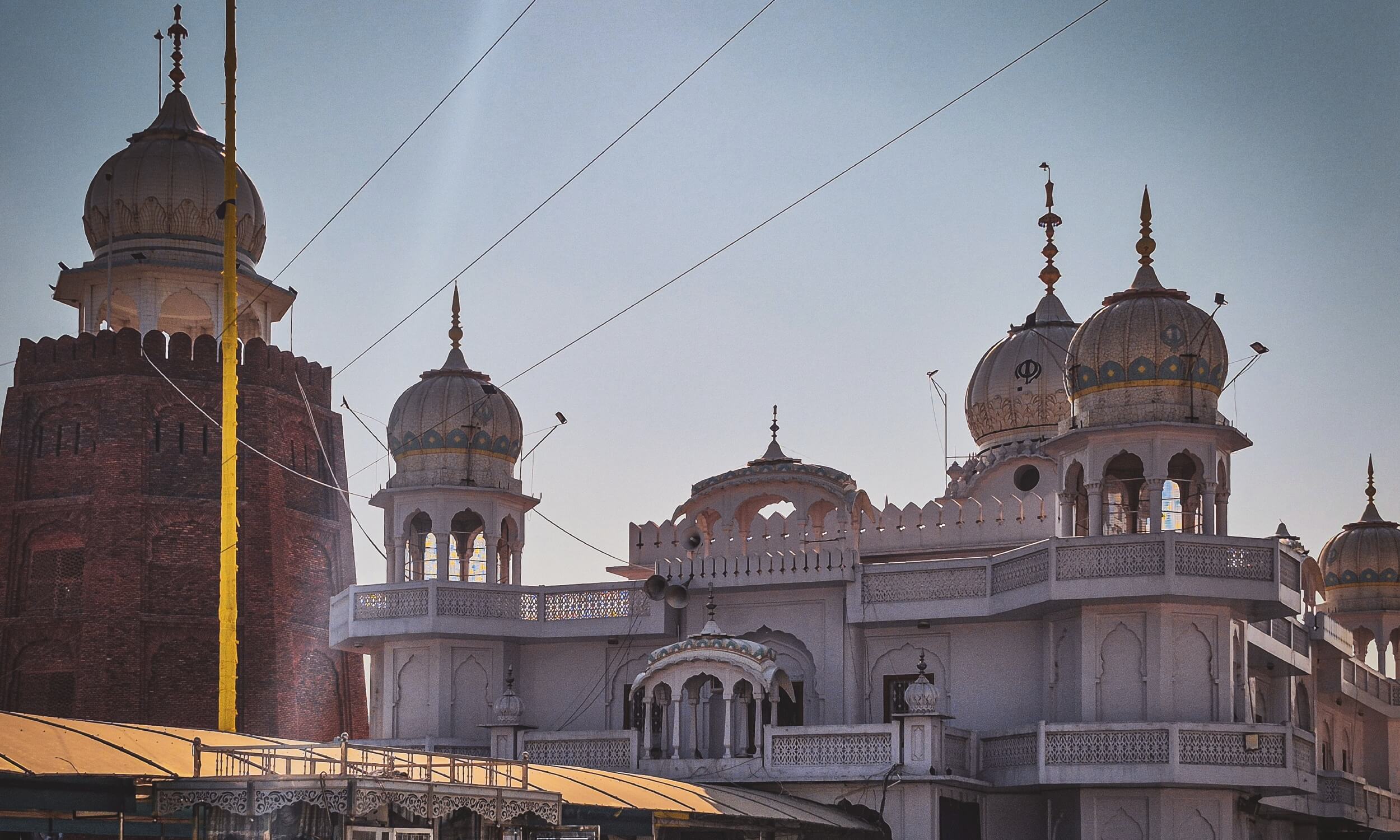
Damdama literally means “a breathing place,” and it was indeed a place where Guru Gobind Singh rested after fighting a battle in Talwandi Sabo. Talwandi Sabo is located about 28 km from Bathinda, Punjab.
Damdama Sahib is also one of the Takhts of Sikhism and holds great historical importance, as it was here that Guru Gobind Singh prepared the Bir (manuscript) of the Sri Guru Granth Sahib. It is also the same place where Guru Ji tested the faith of the Singhs.
Takht Sri Patna Sahib, Bihar
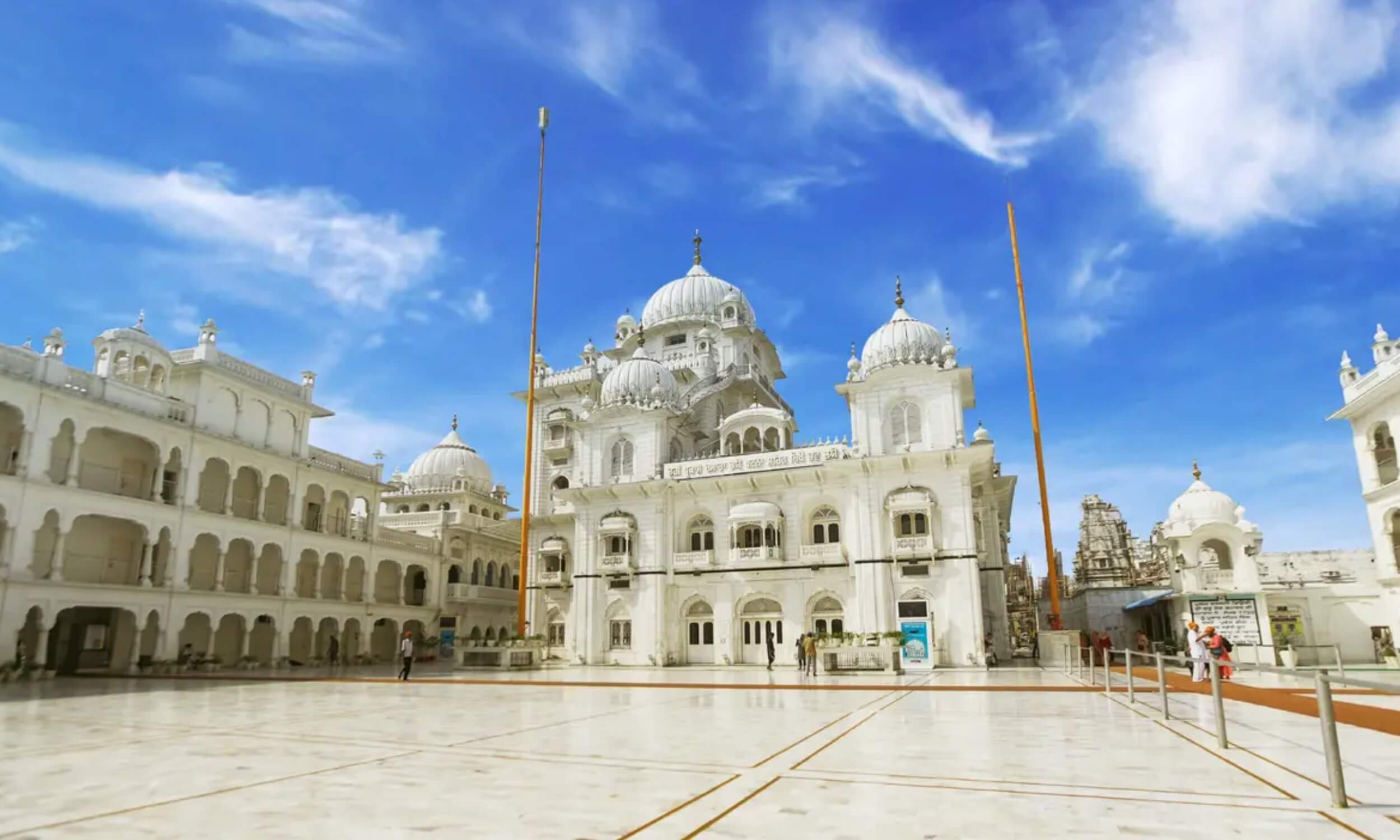
Situated in Patna, Takht Sri Patna Sahib is one of the most important Sikh religious places in India. Patna is the birthplace of Guru Gobind Singh and the city where he spent many years of his life.
The Gurudwara was built in remembrance of Guru Gobind Singh by Maharaja Ranjit Singh in 1780. Besides being his birthplace, Takht Sri Patna Sahib holds great significance for Sikh pilgrims, as Guru Tegh Bahadur also visited Patna and stayed at this very place.
Gurudwara Bangla Sahib, New Delhi
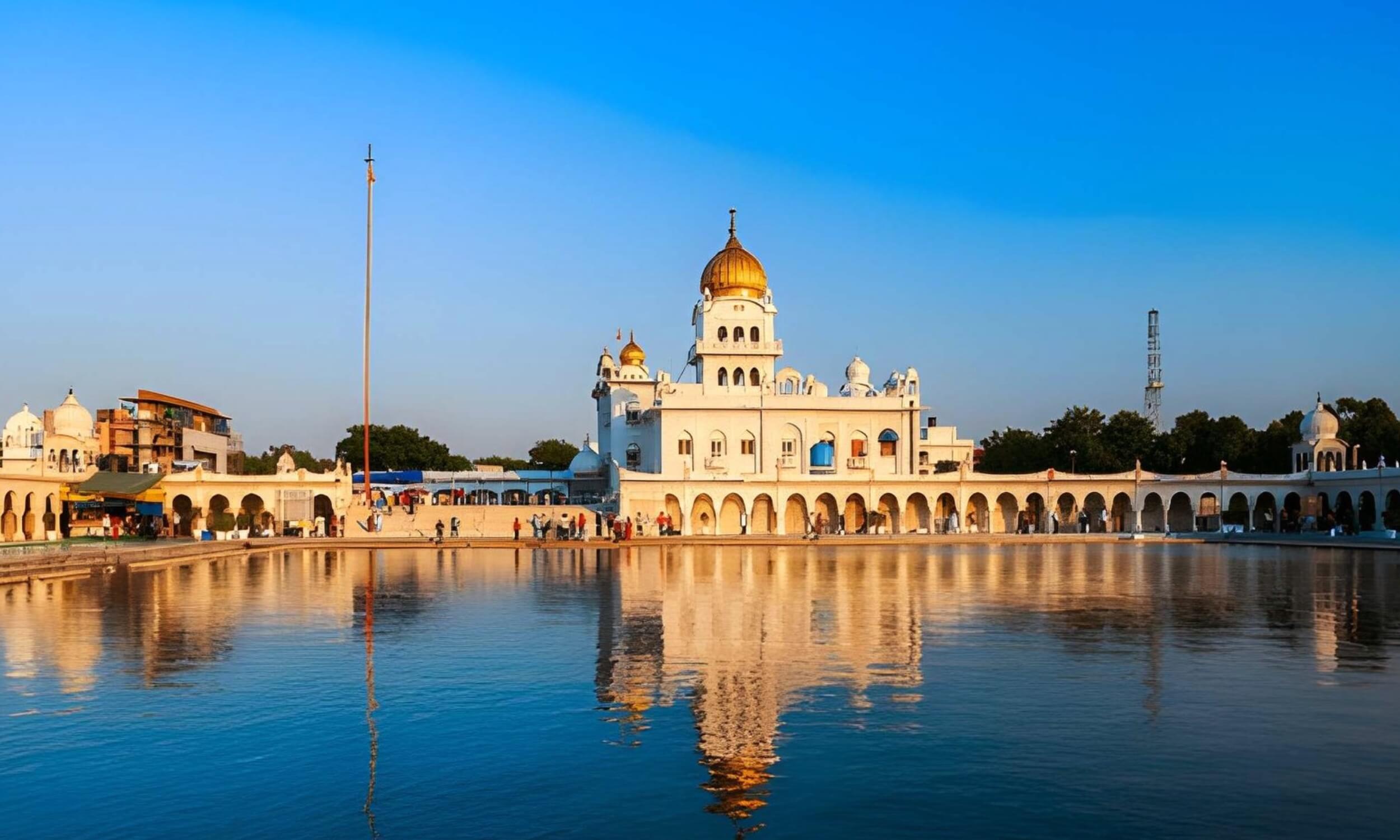
Located in the heart of Delhi, Gurudwara Bangla Sahib is one of the prominent landmarks of the capital city. Originally a bungalow in the 17th century, it was later developed into a Gurudwara in the 18th century to commemorate the stay of the eighth Sikh Guru, Guru Har Krishan.
As mentioned earlier, this sacred edifice was once a bungalow owned by Maharaja Jai Singh. Guru Har Krishan stayed here in 1664, when Delhi was affected by outbreaks of smallpox and cholera. He helped the suffering people by providing them with clean water from a nearby well. Unfortunately, Guru Har Krishan contracted the illness and passed away here.
To pay homage to him, Maharaja Jai Singh built a tank over the well, which is believed to have healing properties. Today, Gurudwara Bangla Sahib is one of the most famous Gurudwaras in Delhi.
Gurudwara Majnu Ka Tila, Delhi
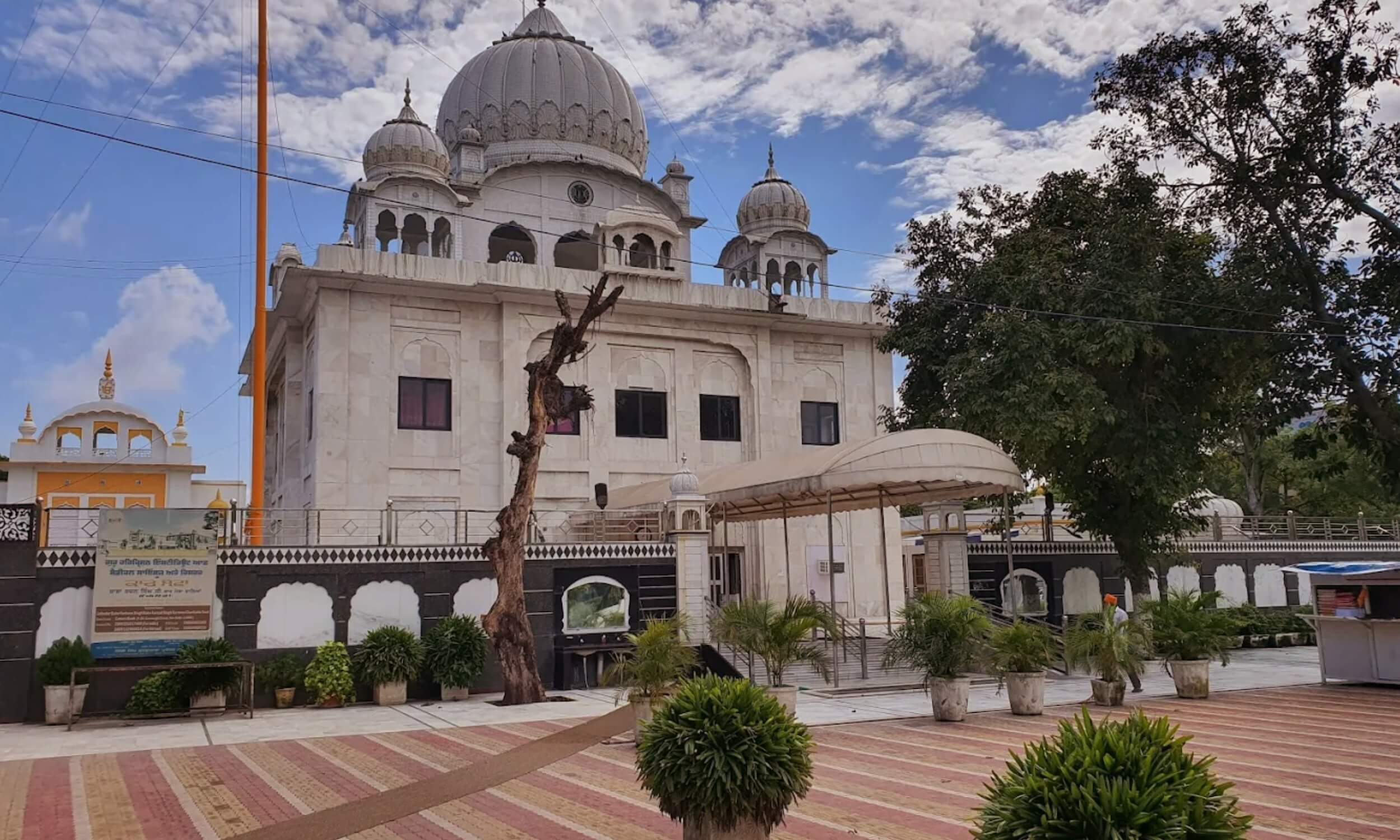
This Gurudwara, situated in North Delhi near ISBT Kashmiri Gate, is considered to be the oldest Sikh shrine in Delhi. The shrine is named after a mound where Majnu, a boatman who used to ferry people across the Yamuna River for free, met Guru Nanak.
In 1783, Sikh leader Baghel Singh built a Gurudwara to commemorate the stay of Guru Nanak. Additionally, the sixth Sikh Guru, Guru Hargobind Singh, stayed here for quite some time, which is another reason why this place holds great importance among Sikh devotees.
Gurudwara Mattan Sahib, Jammu and Kashmir
A highly revered place near Srinagar, Gurudwara Mattan Sahib is situated on the Anantnag–Pahalgam Road. Built by a Brahmin who converted to Sikhism after being inspired by the teachings of Guru Nanak Dev, this Gurudwara stands as a symbol of eternal knowledge and faith in the Supreme.
The Gurudwara is built on the site of ruined temples and is today one of the most popular sacred places in Kashmir, where not only Sikh devotees but also Brahmins come to pay homage.
Gurudwara Chhevin Patshahi Thara Sahib, Jammu and Kashmir
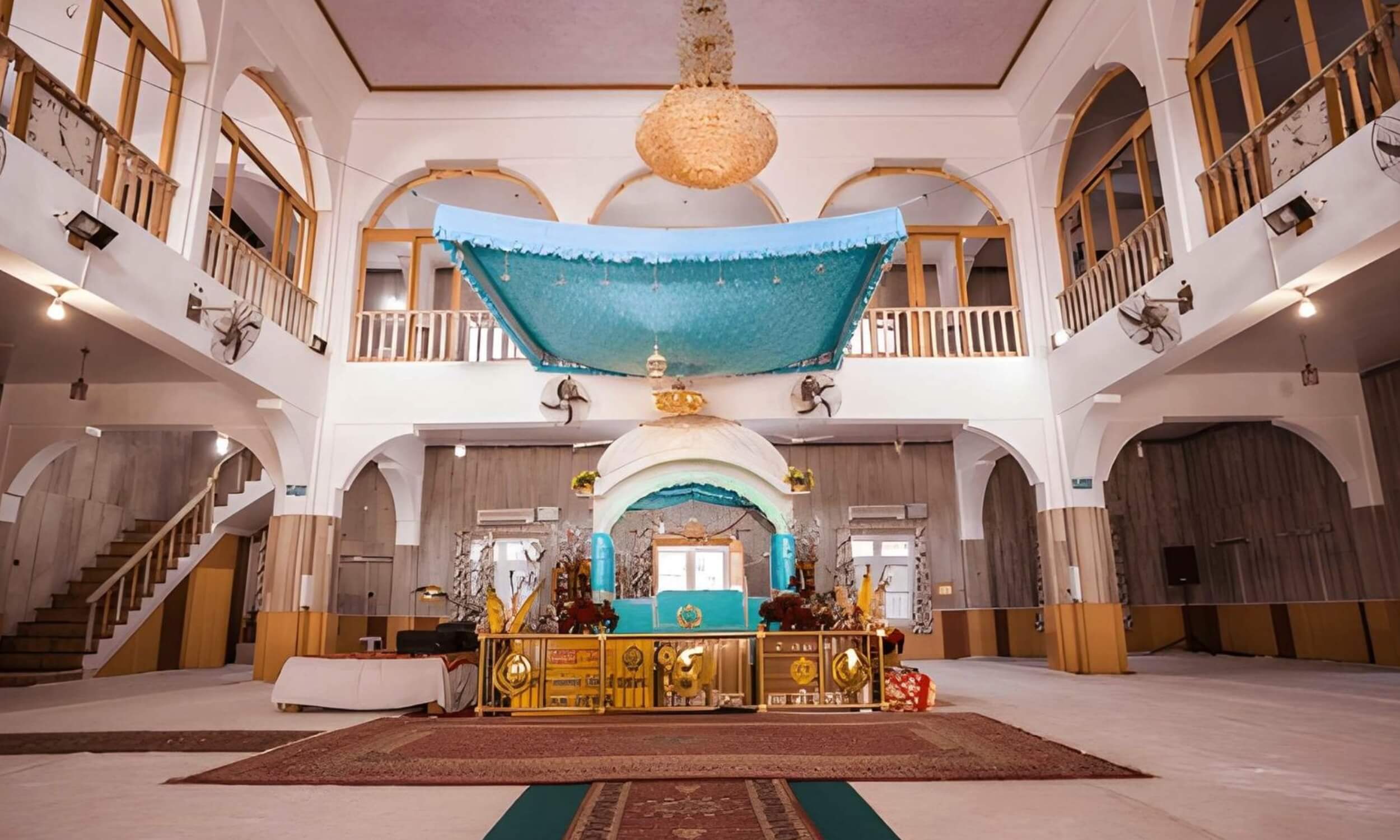
Gurudwara Thara Sahib was built to commemorate the visit of the sixth Sikh Guru, Guru Hargobind Singh. This sacred place of worship is situated in Singhapura village, near Baramulla in Jammu and Kashmir.
Initially, the Gurudwara was just a small mound, but later, in the 1930s, Bhai Vir Singh constructed a square, dome-shaped structure here. Today, it is among the most highly revered places of worship of the Sikh faith in Jammu and Kashmir.
Gurudwara Sehra Sahib, Punjab
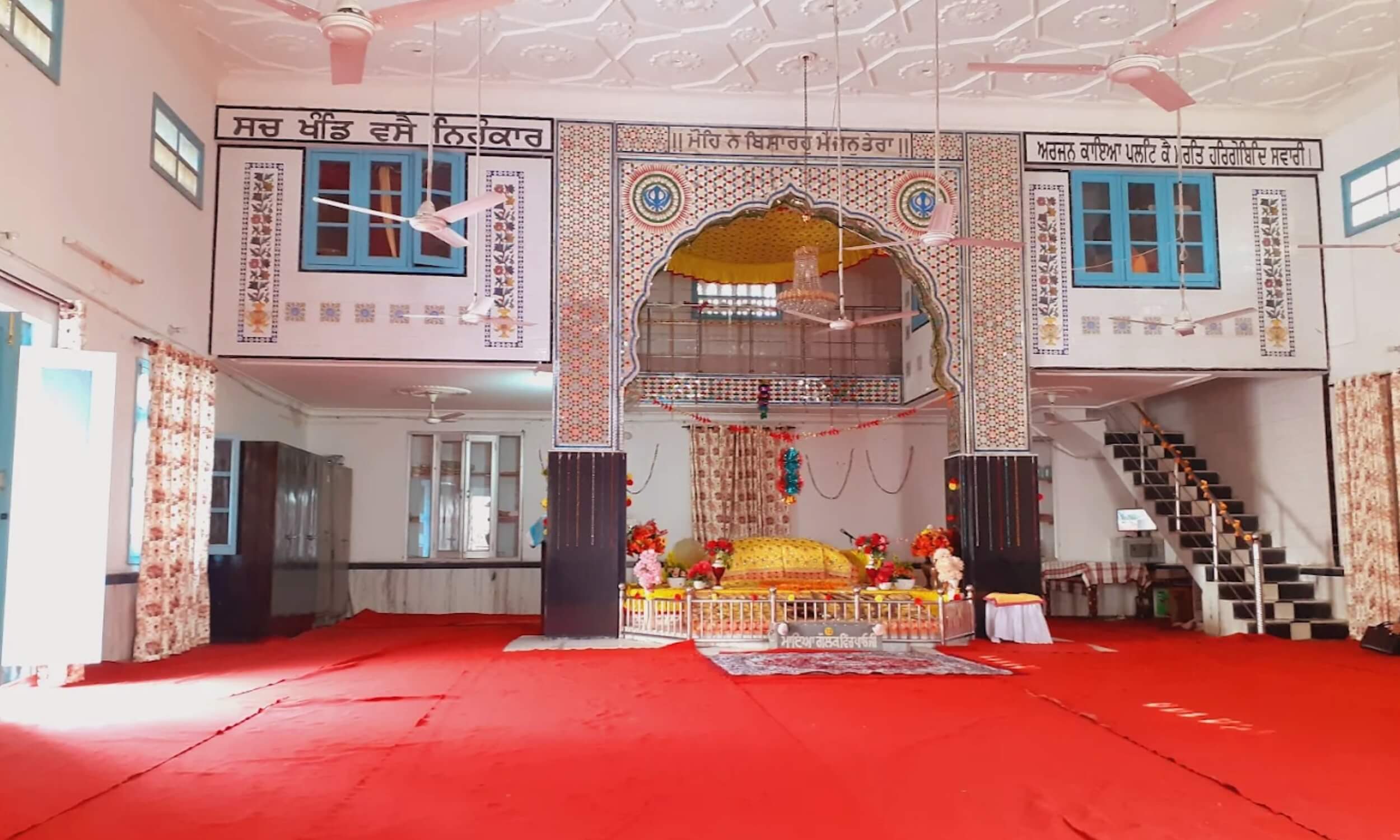
Gurudwara Sehra Sahib is situated in Sultanpur Lodhi city in Punjab. The Gurudwara is named after the Sehra (floral headband) ceremony of Guru Hargobind Singh, which took place here.
While on his way to Dalla for his marriage, Guru Hargobind Singh stopped at Sultanpur Lodhi for a night.
Takhat Sachkhand Shri Hazur Abchalnagar Sahib Gurudwara, Maharashtra
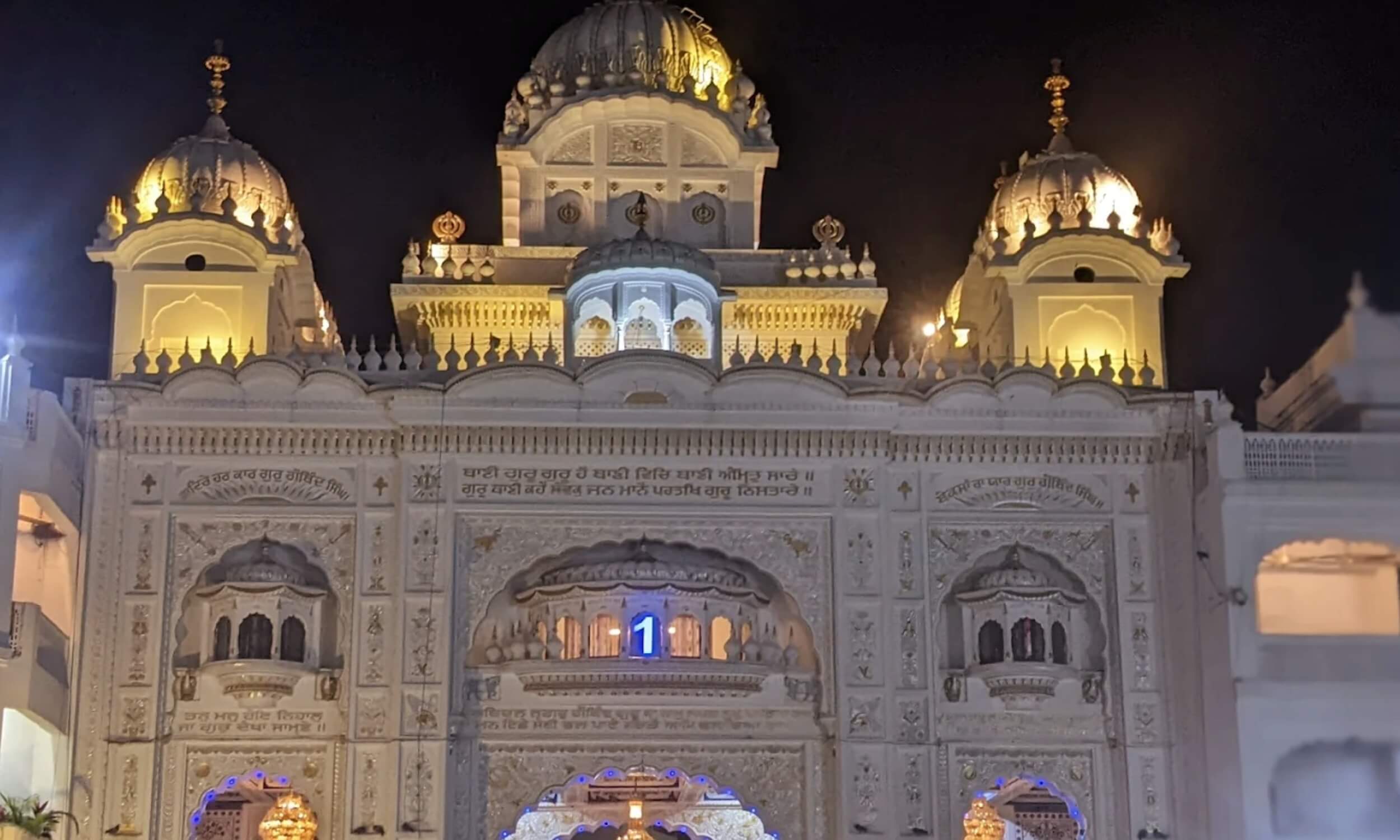
Reckoned to be one of the five Takhts in Sikhism, Takhat Sachkhand Shri Hazur Abchalnagar Sahib Gurudwara is situated in Nanded. It is the place where the tenth Sikh Guru, Guru Gobind Singh, breathed his last.
Maharaja Ranjit Singh constructed the Gurudwara here in 1832, and it is highly revered in the Sikh community. The inner complex is known as Sachkhand, or the “Realm of Truth,” while the room where Guru Gobind Singh breathed his last is called Angitha Sahib.
Gurudwara Nanak Jhira Sahib, Karnataka
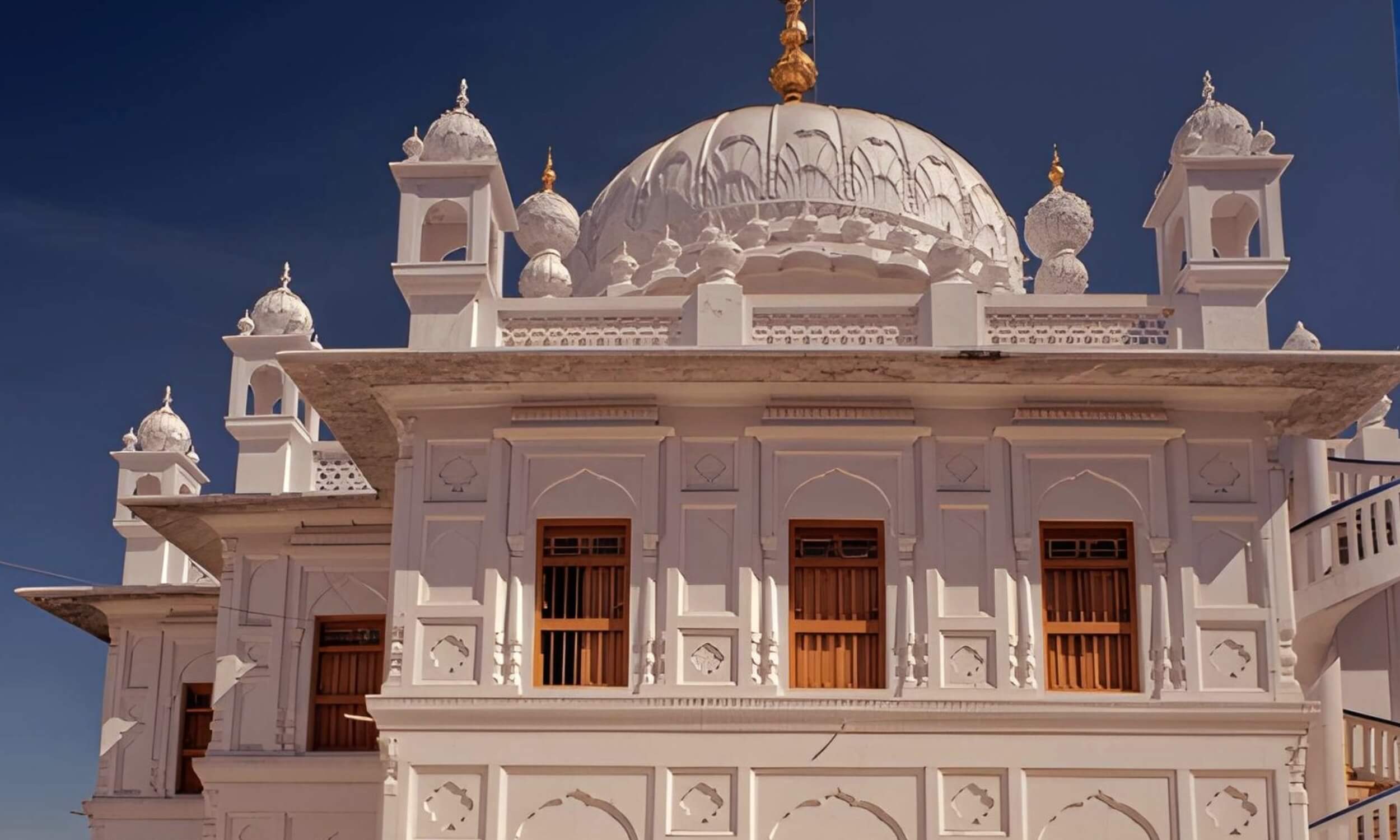
It is one of the most important Gurudwaras in India and is situated in Bidar, Karnataka. The Gurudwara derives its name from a miraculous event that took place here.
Guru Nanak was staying on the outskirts of Bidar, where there was a shortage of water, and despite the efforts of the local people, potable water was hard to find. Guru Nanak touched a part of the hillside with his toes and cleared some debris, after which a fountain of sweet water gushed out. Today, the Gurudwara Nanak Jhira Sahib stands beside this sacred spring.
The Gurudwara is thronged by a large number of devotees three times a year, i.e., on Holi, Dussehra, and Guru Nanak’s birthday.
Gurudwara Sri Hemkunt Sahib, Uttarakhand
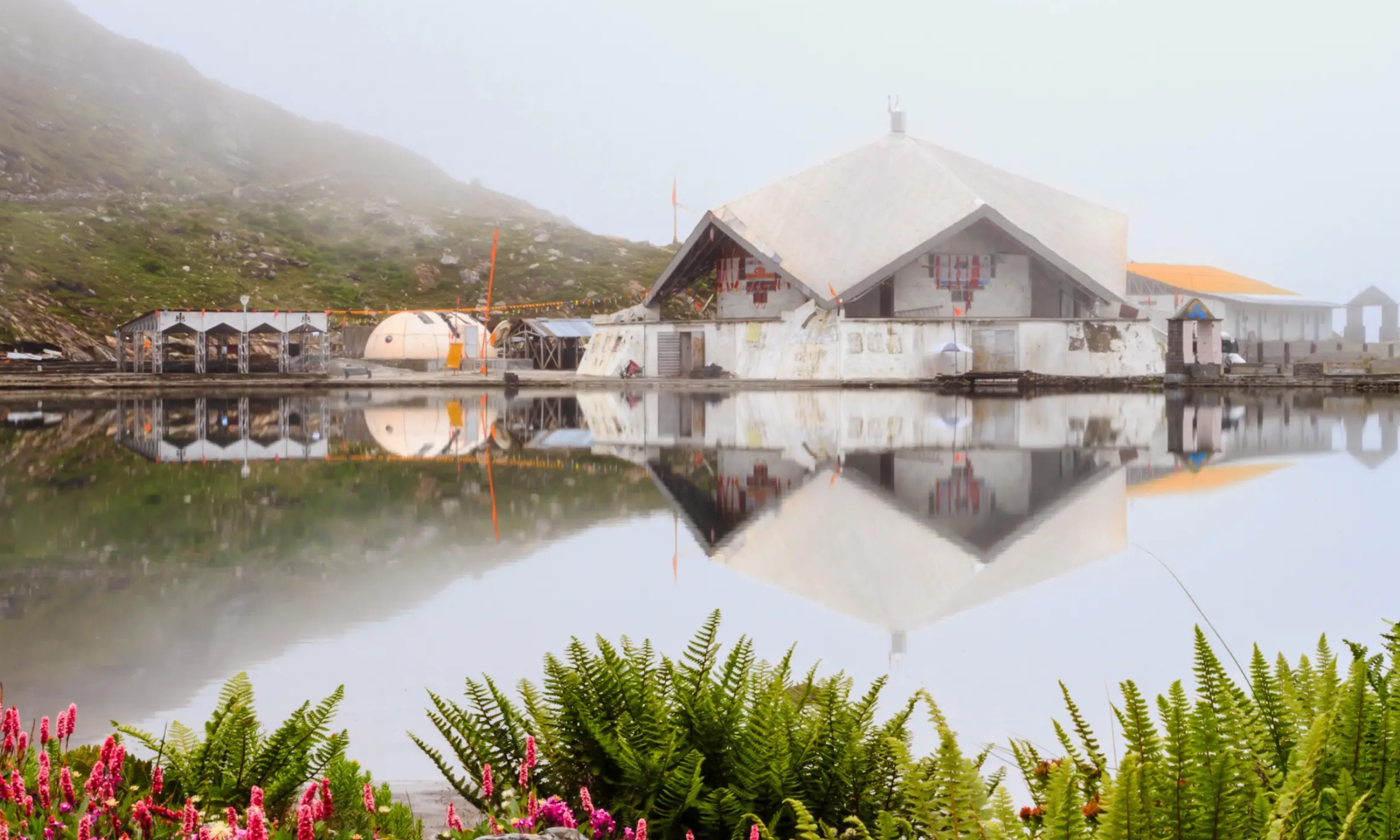
Hemkunt Sahib is situated in the Chamoli district of Uttarakhand and is known for its unique architecture. Dedicated to the tenth Sikh Guru, Guru Gobind Singh, Gurudwara Sri Hemkunt Sahib is located at an altitude of over 4,000 meters above sea level.
It is a star-shaped Gurudwara, specially designed to withstand the extreme weather conditions and high altitude of the region. This sacred Sikh place of worship remains inaccessible from October to April, and it is only in the month of May that pilgrims begin visiting.
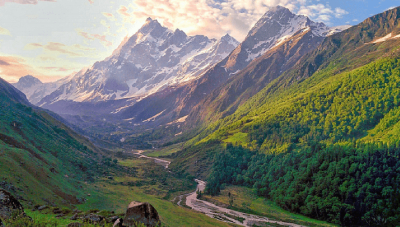
Nestled amidst lofty, snow-clad mountains, Sri Hemkunt Sahib truly redefines spirituality.
Gurudwara Rewalsar, Himachal Pradesh
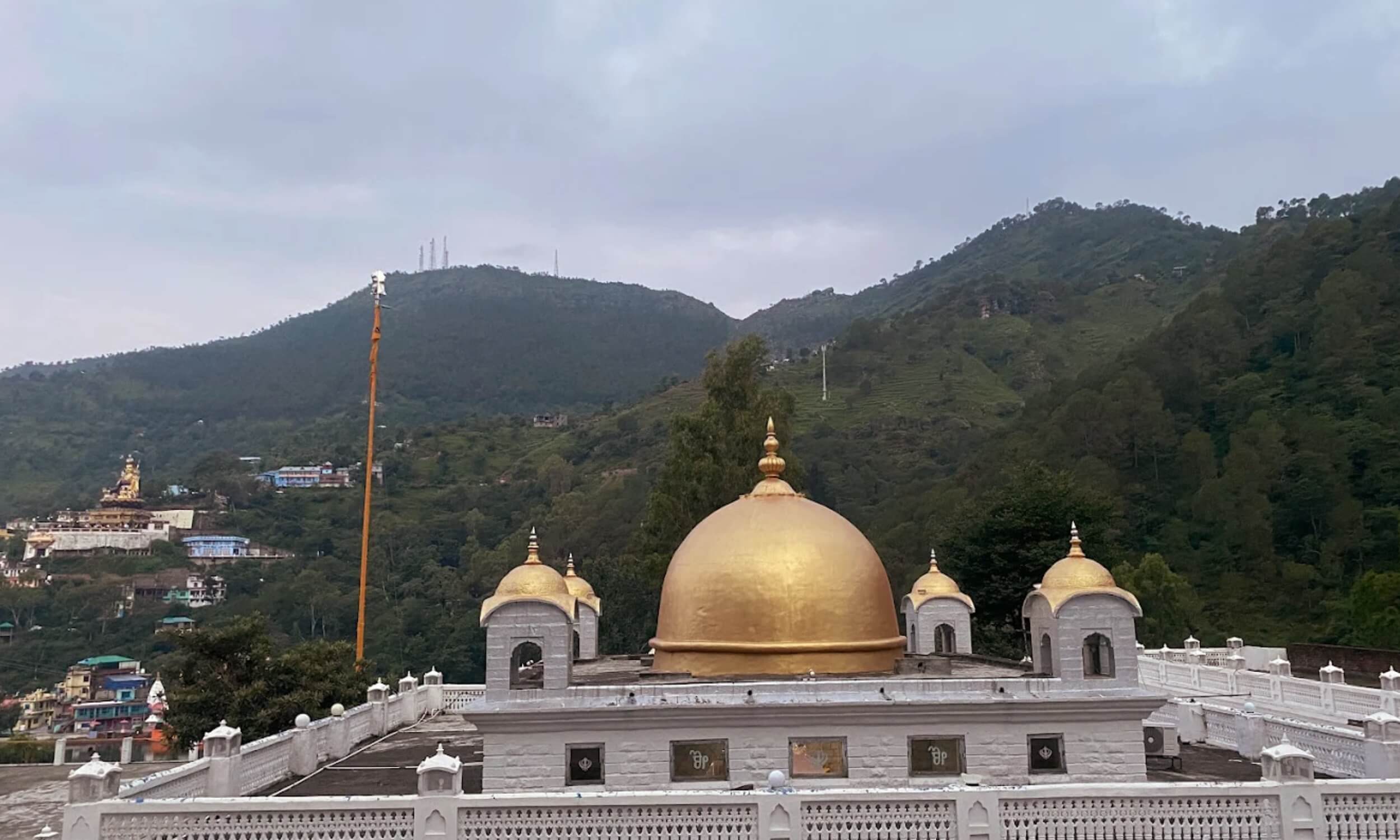
Built to honour Guru Gobind Singh, Gurudwara Rewalsar is situated in the Mandi district of Himachal Pradesh. The Gurudwara was constructed at the same place where Guru Gobind Singh met Raja Siddh Sen of Mandi.
Situated on a hill, Gurudwara Rewalsar can be recognized from a great distance due to its massive dome. One has to climb 108 steps to reach this sacred place of worship.
At a short distance from here is a Buddhist monastery; thus, visitors to the monastery often also pay homage at the Rewalsar Gurudwara.
Gurudwara Dera Baba Bharbhag, Himachal Pradesh
Situated near Una town in Himachal Pradesh, Dera Baba Bharbhag is dedicated to Baba Bharbhag Singh. Locally, this sacred shrine is known as Gurudwara Manji Sahib. It is located atop a hill and is a popular religious site in the region.
Each year, a festival called the Baba Bharbhag Singh Mela, also known as the Hola Mohalla Fair, is held here and is believed to possess spiritual significance. Many people suffering from mental ailments or believed to be under the influence of evil spirits visit this place in the hope of finding relief.
Gurudwara Bhangani Sahib, Himachal Pradesh
Gurudwara Bhangani Sahib, located in the Sirmaur district of Himachal Pradesh, is rich in history. Associated with the Battle of Bhangani, the Gurudwara is regarded as a symbol of victory in the war against Raja Bhim Chand.
Bhangani is the place where Guru Gobind Singh fought his first battle at the age of twenty and emerged victorious. This Gurudwara was built in memory of that battle and signifies the strength and unity of the Sikhs.
Set amidst paddy fields, Gurudwara Bhangani Sahib looks stunning with its white marble architecture.
Gurudwara Nadaun, Himachal Pradesh
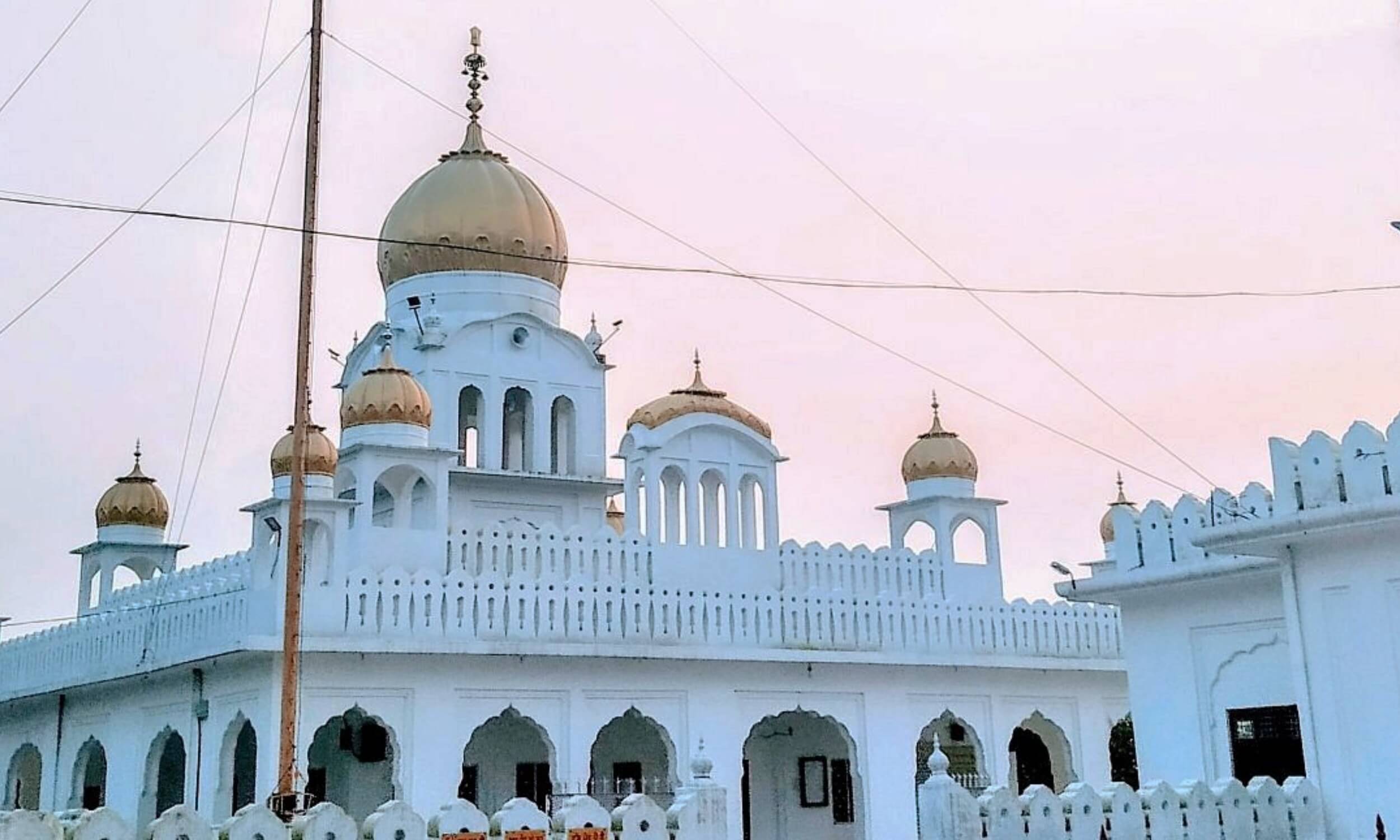
Gurudwara Dasvin Patshahi is situated in Nadaun, a town in the Kangra district of Himachal Pradesh. This holy place was built in memory of the second battle fought by Guru Gobind Singh. He assisted Raja Bhim Chand in defeating the Mughal commander-in-chief, Alif Khan.
After emerging victorious, Guru Ji stayed in Nadaun for nine days; it is believed that this is how the place derived its name. The present structure of Gurudwara Dasvin Patshahi was constructed in 1929 by Rai Bahadur Wasakha Singh.
Gurudwara Paur Sahib, Himachal Pradesh
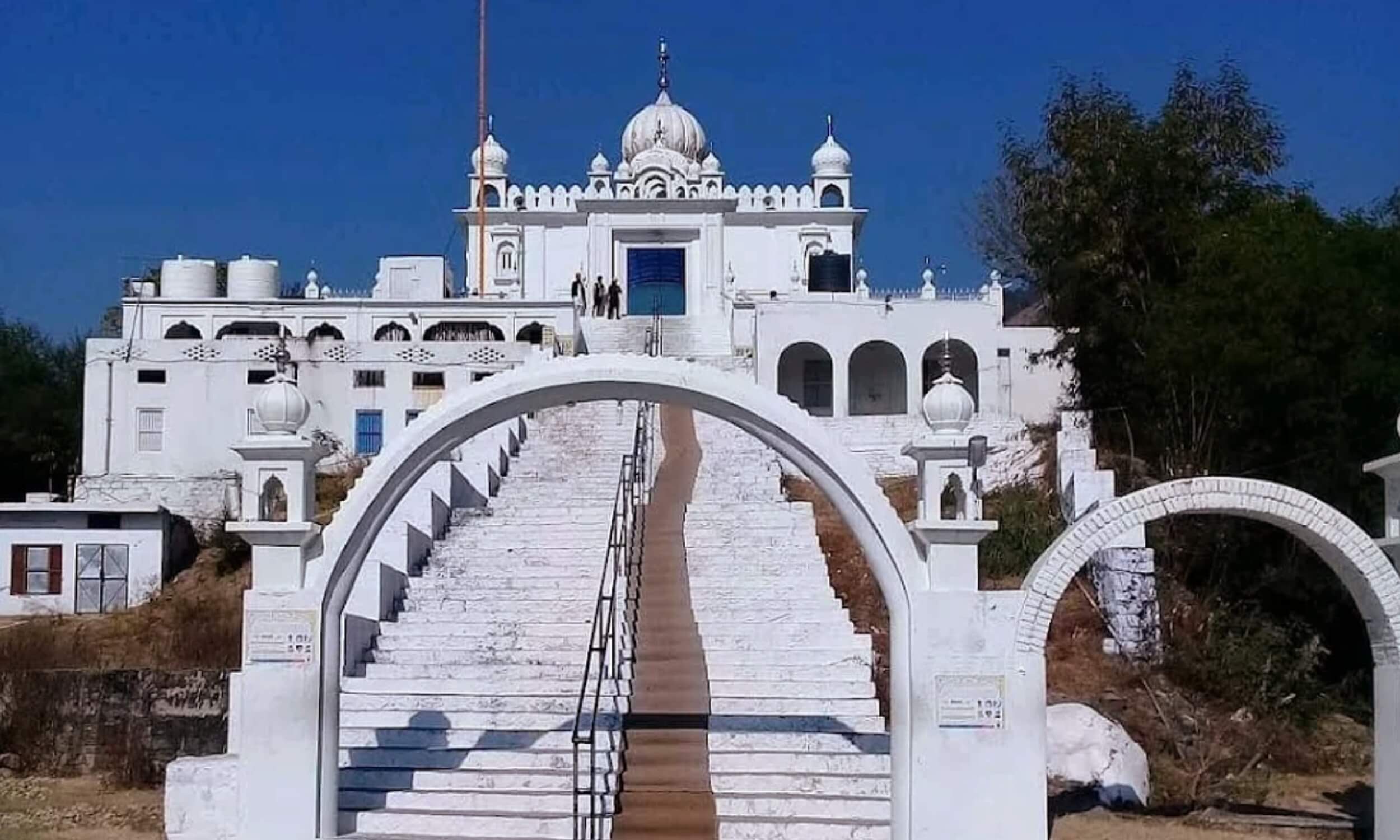
Paur Sahib is situated in Bilaspur, Himachal Pradesh, and like many other Gurudwaras in India, it has a rich history attached to it. As the story goes, Guru Hargobind Singh was on a visit to Bilaspur, and when he reached this place, his horse started stomping the ground, causing water to gush out from it. Today, a Gurudwara stands next to this sacred spring, known as Gurudwara Paur Sahib.
Gurudwara Shergarh Sahib, Himachal Pradesh
This Gurudwara was built to commemorate the bravery of Guru Gobind Singh, who is believed to have slain a man-eating tiger. Gurudwara Shergarh Sahib is situated in the Sirmaur district, about 12 km from Paonta Sahib.
Guru Gobind Singh was in Sirmaur to meet Raja Medini Prakash of Nahan, Raja Fateh Shah, and the Raja of Garhwal, when a villager requested him to save them from the man-eater. Guru Gobind Singh killed the tiger with a single strike and was greatly appreciated for his courage. The Gurudwara was later built to honor this brave act.
Gurudwara Shri Narayan Hari (Manikaran Sahib), Himachal Pradesh
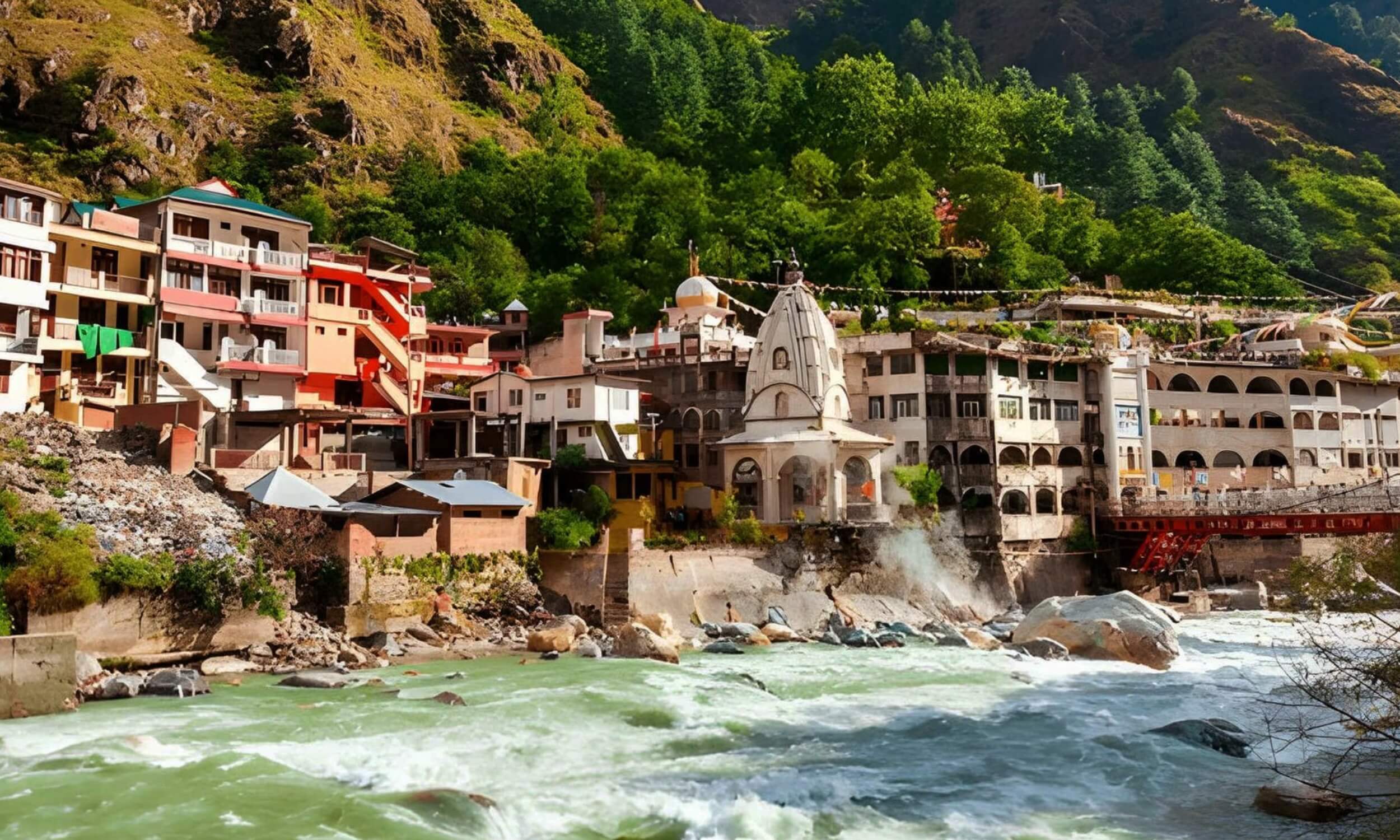
Popularly known as Manikaran Sahib, Gurudwara Shri Narayan Hari is situated in Manikaran, about 45 km from Kullu. The Gurudwara is the result of nearly 50 years of dedicated effort by Baba Narayan Hari.
According to accounts, Baba Narayan came to Manikaran and began constructing a Gurudwara, starting with a small wooden structure. Several times, it faced opposition from local people, who demolished it whenever he tried to rebuild it. However, Baba Narayan Hari remained determined and, over the course of 50 years, succeeded in constructing a larger Gurudwara.
Today, Manikaran Sahib is one of the most revered Sikh places of worship in India.
Gurudwara Mandi, Himachal Pradesh
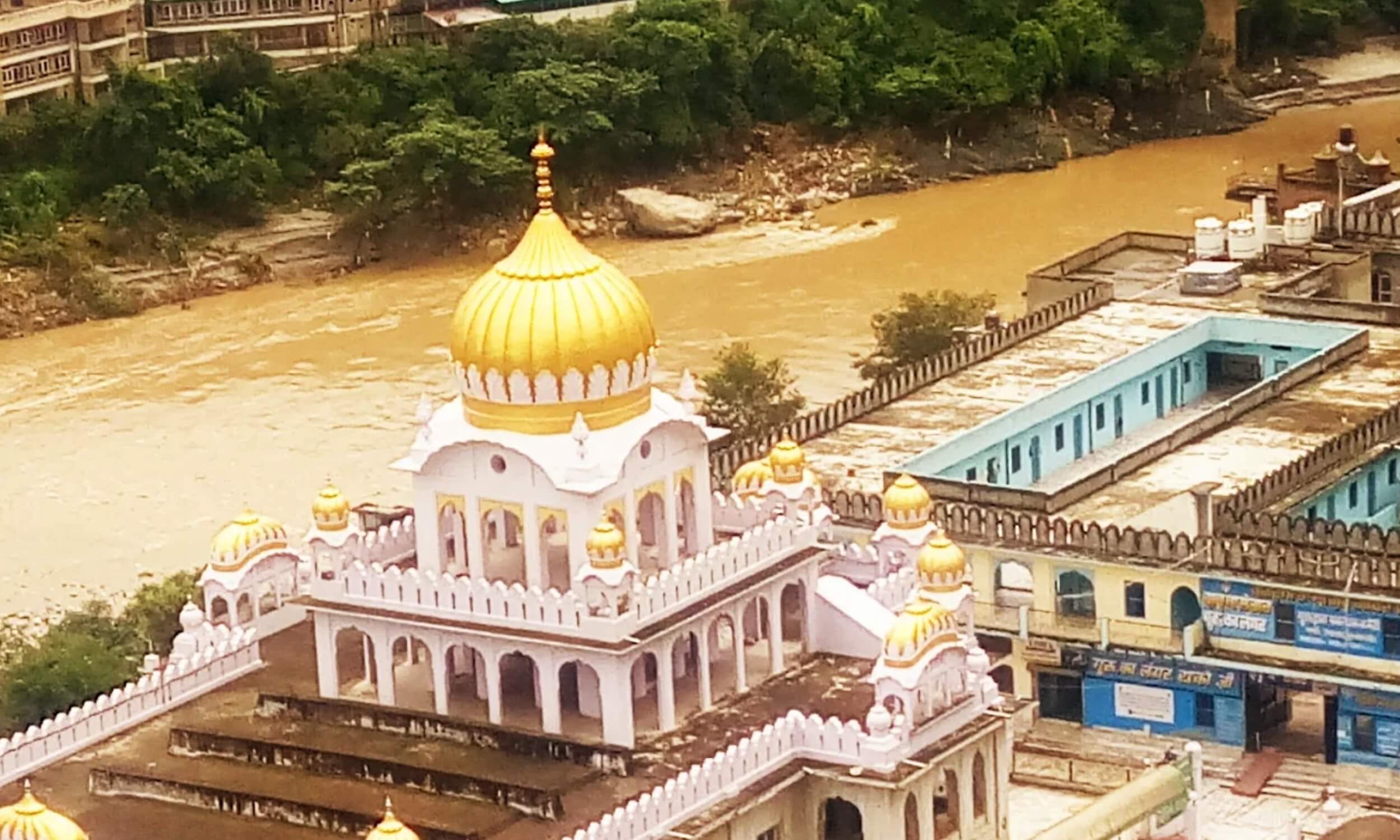
Gurudwara Guru Gobind Singh Ji is situated in Mandi, Himachal Pradesh. This Gurudwara stands as a symbol of the assurance given by Guru Ji to the Raja of Mandi. As the story goes, Guru Gobind Singh was invited by the Raja of Mandi, and when the time came for him to leave, the king humbly asked who would protect Mandi from Aurangzeb.
In response, Guru Ji aimed his gun at a pitcher floating in the river and fired. Instead of sinking, the pitcher continued to float. Seeing this, Guru Gobind Singh assured the king that just as the pitcher remained afloat even after being shot at, Mandi too would remain safe from any attack. A Gurudwara was later constructed at the site of this incident, where some belongings of Guru Ji can still be seen today.
Gurudwara Tirgarh Sahib, Himachal Pradesh
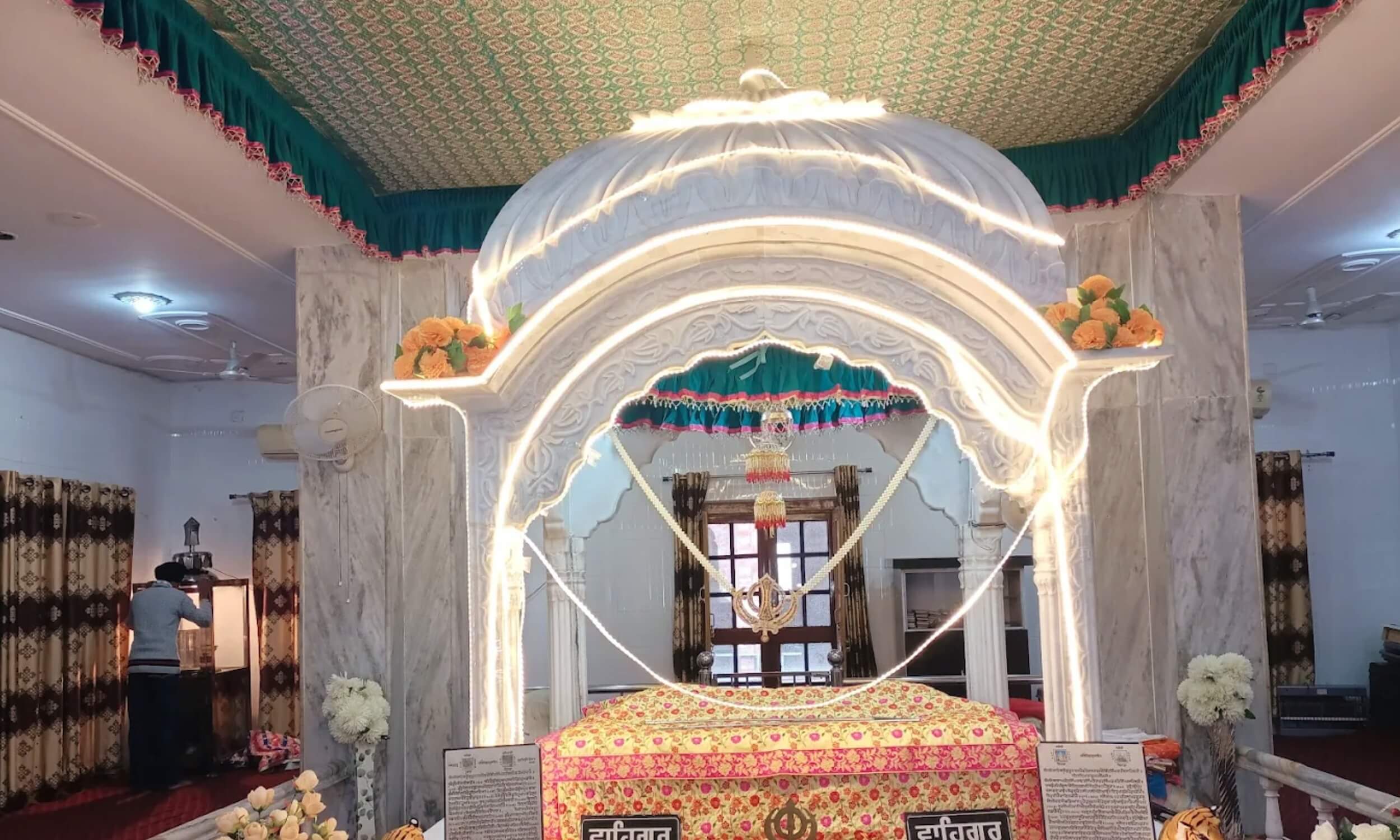
Gurudwara Tirgarh Sahib is situated at a distance of about 22 km from the famed Paonta Sahib Gurudwara in Himachal Pradesh. This Gurudwara is known as the place from where Guru Gobind Singh shot arrows at his enemies during a battle.
It stands as a symbol of courage and is frequently visited by devotees who also come to pay homage at Paonta Sahib.
Gurudwara Sri Paonta Sahib, Himachal Pradesh
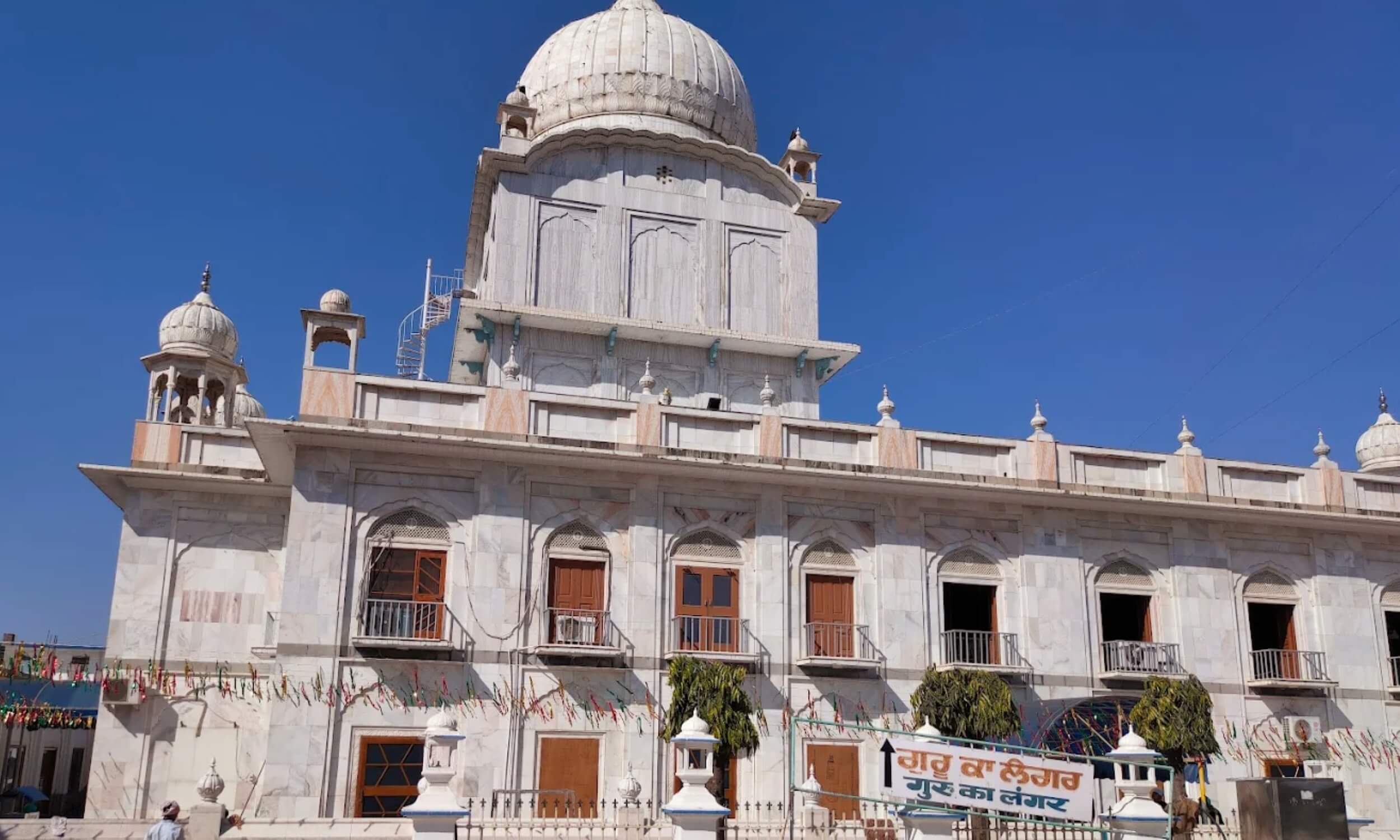
This Gurudwara is among the most renowned Gurudwaras in India. It is situated in the Sirmaur district of Himachal Pradesh and is famous as the place where Guru Gobind Singh composed the sacred Dasam Granth.
An important Sikh pilgrimage site, Paonta Sahib is believed to have derived its name either from Guru Gobind Singh setting his foot here or from an ornament he wore on his foot that was lost at this place. Shri Talab Asthan and Dastar Asthan are important sections within the Gurudwara—at Shri Talab Asthan, salaries are traditionally disbursed, while at Dastar Asthan, turban-tying competitions are held.
Adjacent to the Gurudwara is an ancient temple dedicated to the Yamuna River.
Do you seek a holy plunge into divine India? We can help you plan your journey. At Tour My India, we create tour packages that suit every budget and cater to all your travel needs. We also offer customization options so you can enjoy a holiday tailored to your preferences. Contact us to design your ideal package and explore India like never before.
Other Interesting Blogs to Read


 +91-9212777225
 Plan Your trip