South India’s wildlife is built around connected landscapes rather than single flagship parks. The Nilgiri Biosphere Reserve alone links Nagarhole, Bandipur, Wayanad, Mudumalai, and Sathyamangalam into one of Asia’s largest elephant and tiger ranges, while the Western Ghats add rainforest primates, hornbills, and the Nilgiri tahr found nowhere else on earth. Tiger sighting odds here are lower than in Central India; what South India does better than anywhere is elephants at close range, leopards at Kabini, boat-based wildlife at Periyar, and year-round access through the monsoon. This guide covers the 11 destinations that genuinely deliver, with the gates, timings, and seasons you need to plan around.
At a glance: how to pick one
| If you want |
Go to |
| Elephant herds and the best leopard odds in India |
Nagarhole (Kabini) |
| A classic first South India safari near Mysuru |
Bandipur |
| A reserve that stays open through monsoon |
Mudumalai, Wayanad |
| Boat-based wildlife and nature walks for families |
Periyar |
| Hornbills and river adventure in one trip |
Kali (Dandeli) |
| Tiger landscape with low crowds |
Sathyamangalam, BRT Hills |
| Rainforest safari and elephant camp |
Anamalai (Topslip) and Parambikulam |
| Nilgiri tahr and high-altitude grassland |
Eravikulam |
| Easy wetland birding from a city |
Ranganathittu |
A note on Karnataka safaris
The Karnataka Forest Department suspended safaris at Bandipur and Nagarhole earlier in 2026 pending an eco-tourism capacity review and is restoring them in phases with reduced hours and vehicle numbers. Both reserves remain on this list because the forests are among the best in the country, but confirm the current operating status with the Forest Department or your operator before building a trip around either.
Also Check Out: Popular Wildlife Tour Packages
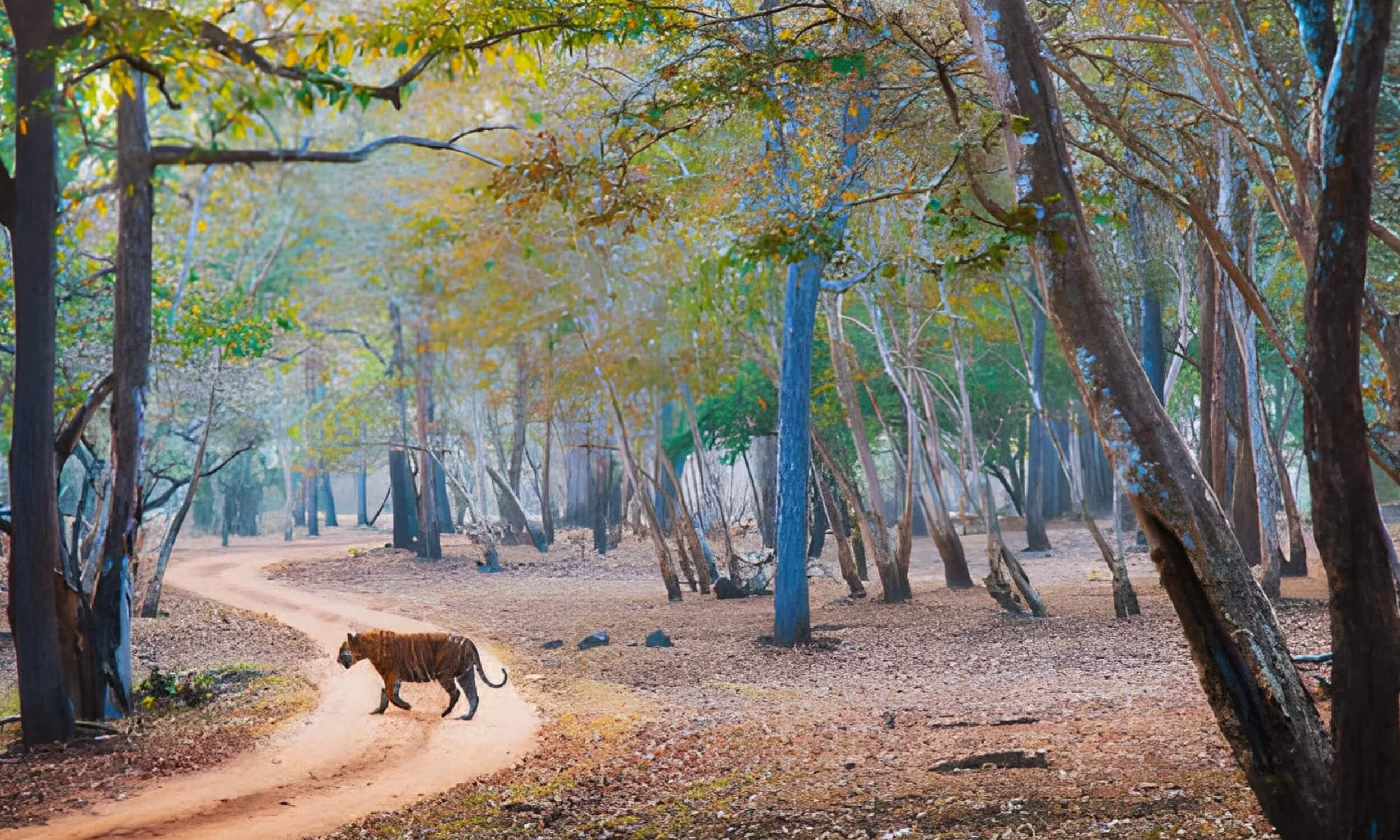
1. Nagarhole Tiger Reserve (Kabini), Karnataka
- Popular Gates: Antharasanthe (Kabini zone), Veeranahosahalli (Hunsur, northern range), Nanachi
- Safari Type: Jeep safari, Forest Department bus safari, Kabini backwater boat safari
- Safari Timings: Morning 6:00 AM to 9:00 AM, afternoon 3:00 PM to 6:00 PM (phased resumption; verify)
- Best Time to Visit: November to May; March to May for the Kabini elephant congregations
- Highlights: Asian elephant herds of 100-plus at the backwaters, Indian leopard (including the famous black panther sightings), tiger, dhole, Kabini boat safari, 270-plus bird species
Kabini is the reason South India sits on serious wildlife itineraries. As the Kabini reservoir recedes between March and May, elephant herds gather on the exposed banks in numbers matched nowhere else in Asia, and the open deciduous forest on the Nagarhole side gives the best leopard sighting odds in India, with the resident melanistic leopard turning the reserve into a photography pilgrimage. Tigers are present and seen with reasonable regularity. Book through Jungle Lodges and Resorts or a Kabini-side lodge whose naturalists hold morning and afternoon safari quotas; walk-in permits are scarce.
2. Bandipur Tiger Reserve, Karnataka
- Popular Gates: Melukamanahalli (main safari reception on the Mysuru to Ooty highway)
- Safari Type: Forest Department bus safari, jeep safari through registered lodges
- Safari Timings: Morning 6:30 AM to 9:00 AM, afternoon 3:30 PM to 6:00 PM (phased resumption; verify)
- Best Time to Visit: October to May; March to May for waterhole sightings
- Highlights: Tiger, elephant, gaur, dhole, dry deciduous forest and grassland, easy pairing with Mysuru and Ooty
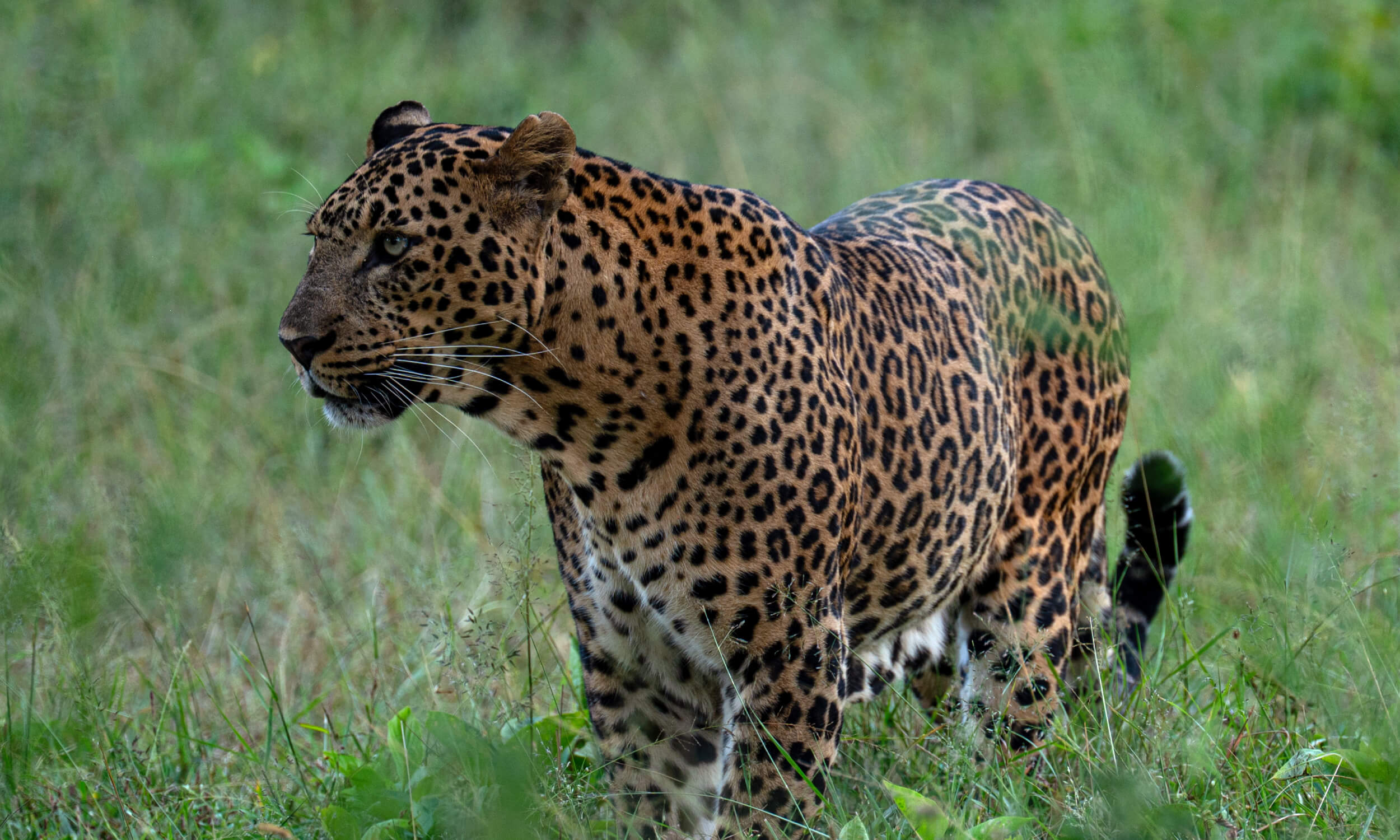
Bandipur is the most accessible classic safari in the south, 80 km from Mysuru on the road to Ooty, with 874 sq km of dry deciduous forest that opens up in the dry season for good visibility. Tiger density is among the highest in Karnataka, and gaur and elephant are near-certain on most drives. The Forest Department bus safari is the budget option, and the lodge-run jeep safaris are the better one for photographers. The highway through the reserve closes to traffic from 9:00 PM to 6:00 AM to protect wildlife crossings; plan arrival times around it.
3. Mudumalai Tiger Reserve, Tamil Nadu
- Popular Gates: Theppakadu (reception center and elephant camp), Masinagudi (buffer resorts)
- Safari Type: Forest Department minibus safari (core), jeep safari with resort naturalists (buffer), guided walks with permit
- Safari Timings: Morning 6:30 AM to 9:00 AM, afternoon 3:00 PM to 6:00 PM
- Best Time to Visit: October to May; buffer stays open June to September
- Highlights: Asian elephant, tiger, gaur, dhole, Theppakadu Elephant Camp, Moyar gorge, easy access from Ooty
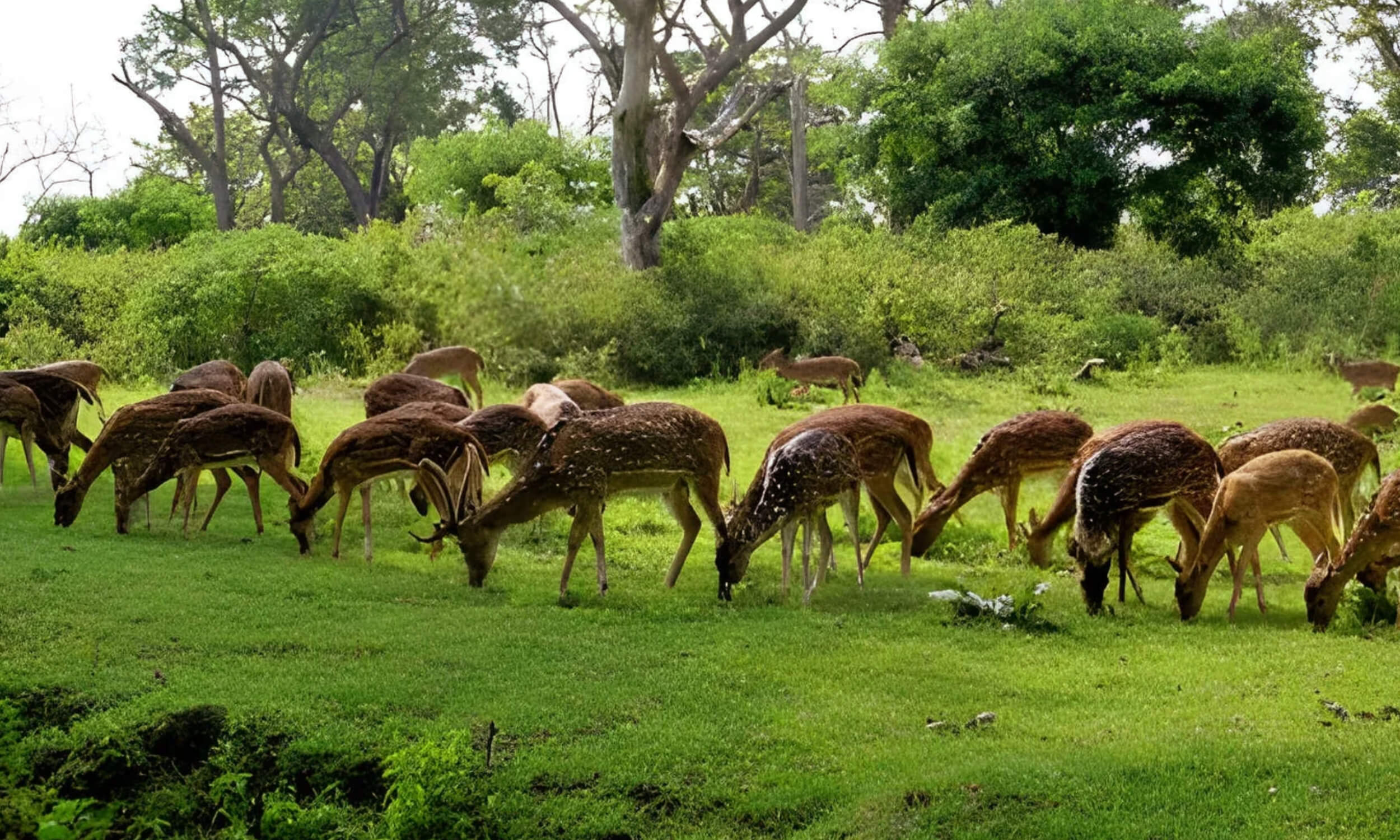
Mudumalai is the Tamil Nadu arm of the Nilgiri landscape and the most monsoon-friendly tiger reserve in the south, with buffer safaris running through the rains when Bandipur and Nagarhole restrict access. The Theppakadu Elephant Camp, one of India’s oldest working camps, runs morning and evening interpretive sessions worth planning around. Masinagudi’s resorts sit inside the buffer and run their own naturalist-led drives, which is the practical way to get multiple safaris here. Combine with Ooty, 35 km up the Sigur Ghat, for a hill-and-forest trip.
4. Wayanad Wildlife Sanctuary, Kerala
- Popular Gates: Muthanga (southern range, near the Karnataka border), Tholpetty (northern range)
- Safari Type: Forest Department jeep safari
- Safari Timings: Morning 7:00 AM to 10:00 AM, afternoon 3:00 PM to 5:00 PM
- Best Time to Visit: October to May for sightings; June to September for the greenest landscape
- Highlights: Elephant herds, gaur, tiger, leopard, Nilgiri langur, contiguous forest with Bandipur and Nagarhole
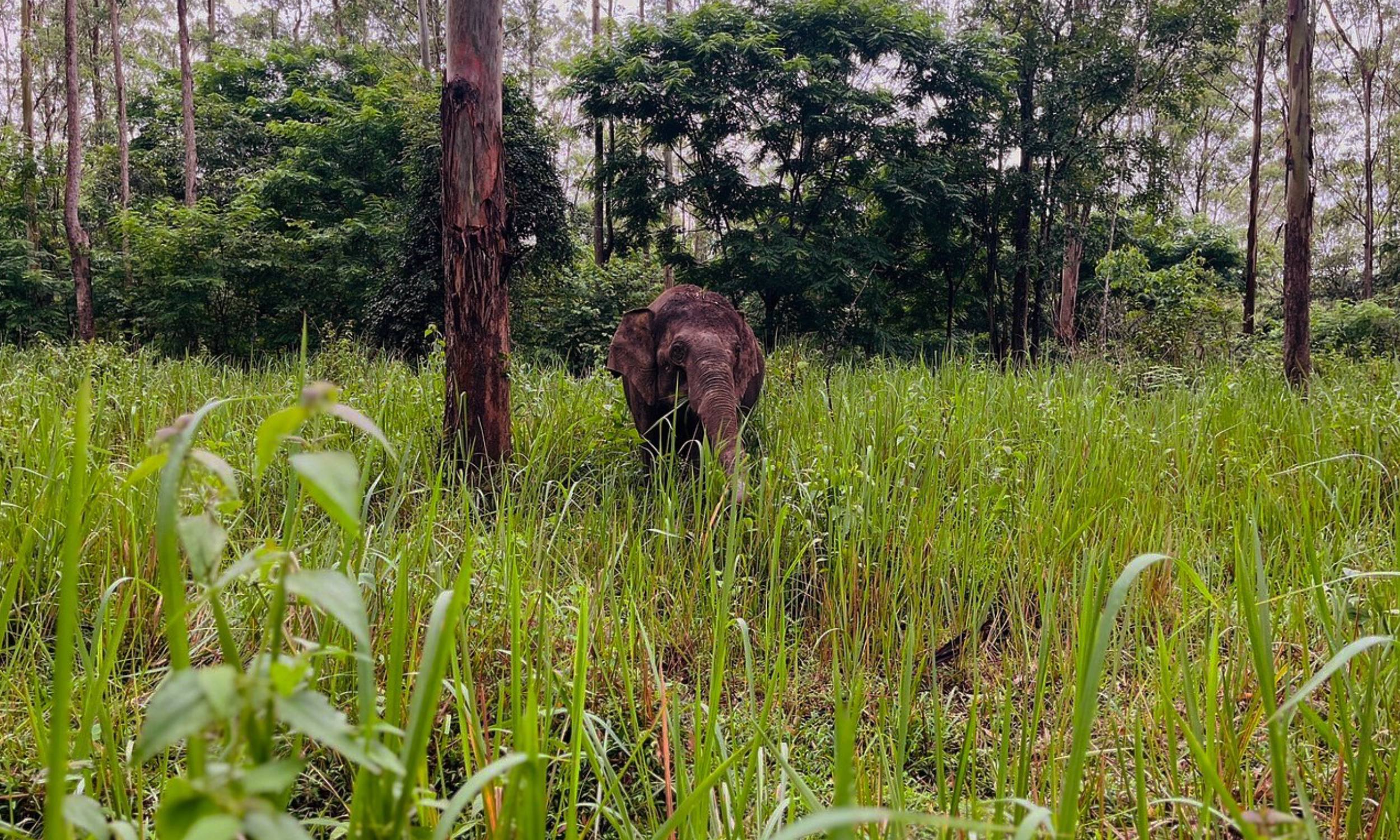
Wayanad’s 344 sq km sanctuary is the Kerala corner of the same elephant range as Kabini and Bandipur, and Muthanga and Tholpetty are two of the most reliable elephant-viewing ranges in the south. Safari permits are limited and issued on the day at the gate, so arrive early. Heavy monsoon rain and thick vegetation reduce big-mammal sightings between June and September, when the plateau is better treated as a landscape-and-elephants trip. Pair the sanctuary with Wayanad’s coffee estates and the Edakkal caves for a three-night stay.
5. Periyar Tiger Reserve, Kerala
- Popular Gates: Thekkady boat landing and the Kerala Forest Department ecotourism office
- Safari Type: KTDC lake cruise, bamboo rafting, border hiking, Periyar Tiger Trail, guided nature walks
- Safari Timings: Boat cruises at 7:30 AM, 9:30 AM, 11:15 AM, 1:45 PM, and 4:00 PM
- Best Time to Visit: October to February for comfort; June to September for atmospheric monsoon cruises
- Highlights: Elephant herds at the lakeshore, gaur, sambar, Nilgiri langur, great hornbill, lion-tailed macaque in the interior, Western Ghats forest
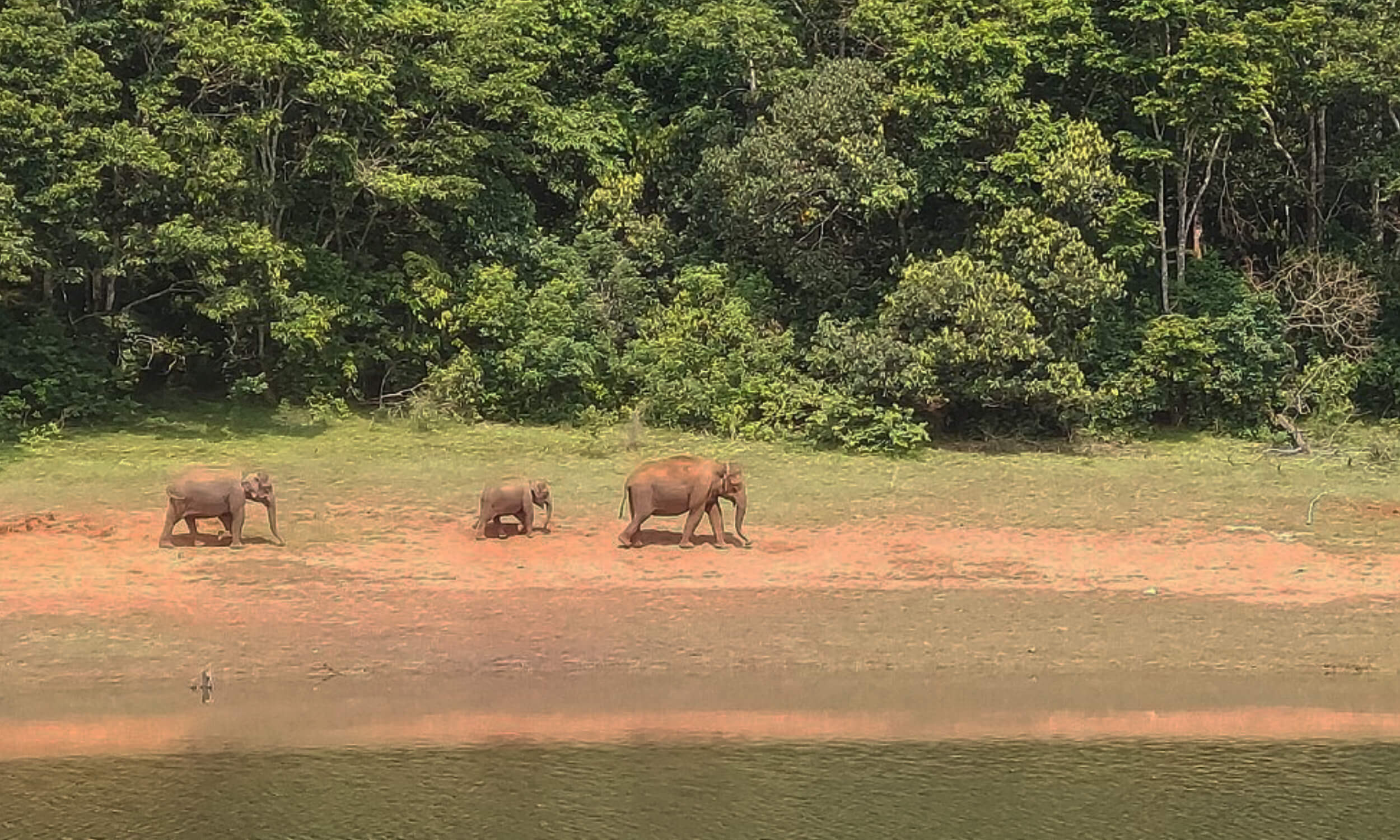
Periyar runs on a different model from the jeep reserves: the two-hour boat cruise on the Periyar lake is the main wildlife activity, and the Forest Department’s community-run programs (bamboo rafting, border hiking, and the overnight Periyar Tiger Trail take you deeper into 925 sq km of evergreen forest on foot. Elephants at the water’s edge are the standard sighting; tigers are present but rarely seen. This is the best South India wildlife destination for families and for travelers who want nature without early-morning jeep queues, and Thekkady’s spice plantation and Ayurveda stays round out the trip.
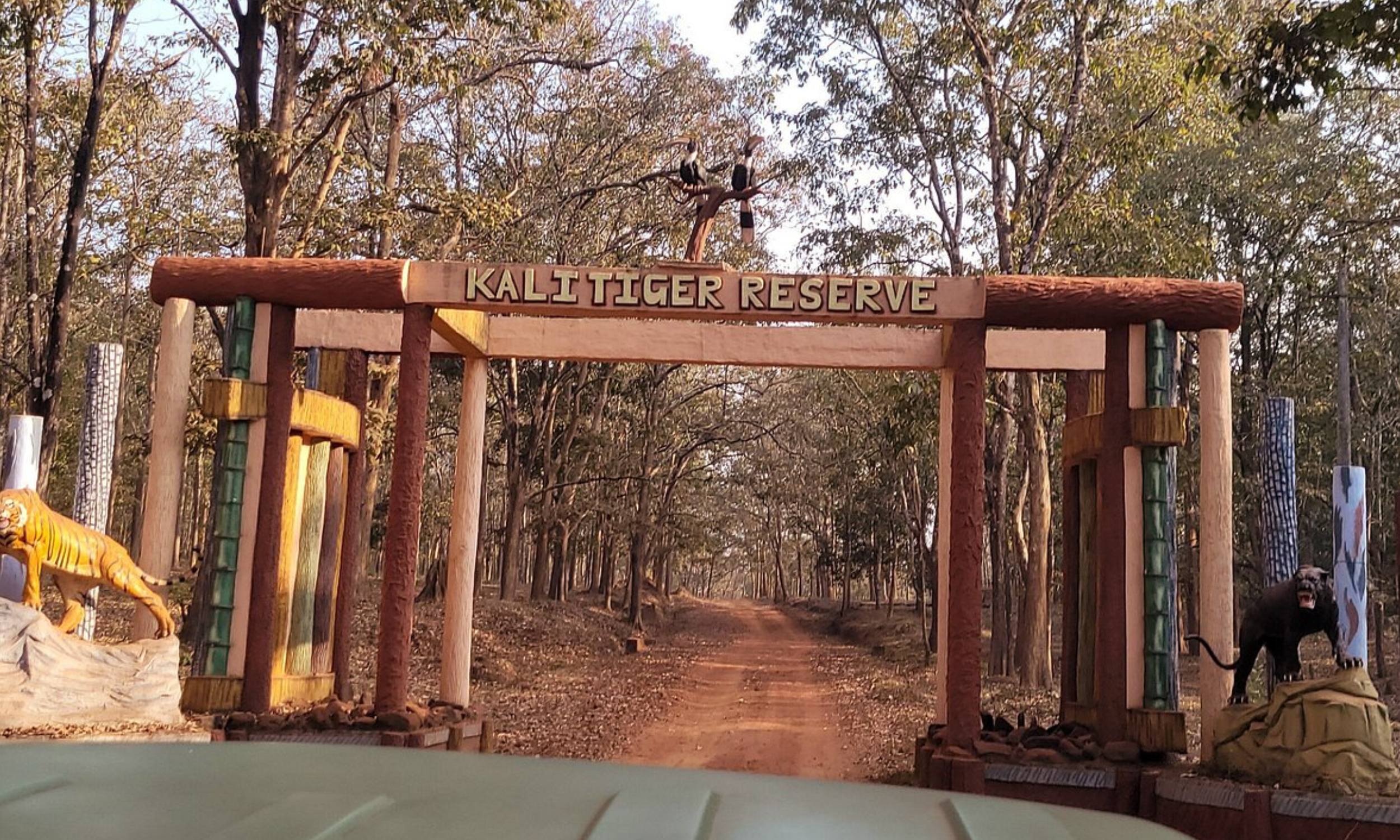
6. Kali Tiger Reserve (Dandeli), Karnataka
- Popular Gates: Kulgi (Dandeli side), Anshi (Joida side)
- Safari Type: Forest Department jeep safari, Kali River coracle and rafting, guided birding walks
- Safari Timings: Morning 6:00 AM to 9:00 AM, afternoon 3:00 PM to 6:00 PM
- Best Time to Visit: October to May; December to February for hornbills and rafting
- Highlights: Four hornbill species, Malabar giant squirrel, black panther sightings, elephant, Kali River rafting, Syntheri Rocks
Kali, formed in 2015 from the Dandeli sanctuary and Anshi national park, covers about 1,300 sq km of evergreen Western Ghats forest in northern Karnataka and offers the most varied trip on this list: a morning jeep safari, an afternoon on the Kali river, and dawn hornbill watching, with great, Malabar pied, Malabar grey, and Indian grey hornbills all resident. Big-cat sightings are infrequent and tiger numbers are low; birders, river adventurers, and travelers combining Goa with a forest stop are the right audience. Dandeli town and the Kulgi nature camp are the practical bases.
7. Sathyamangalam Tiger Reserve, Tamil Nadu
- Popular Gates: Hasanur (safari reception), Bannari, Thalavadi
- Safari Type: Forest Department safari vehicle from Hasanur
- Safari Timings: Morning 6:00 AM to 9:00 AM, afternoon 3:30 PM to 6:00 PM (seasonal)
- Best Time to Visit: November to May
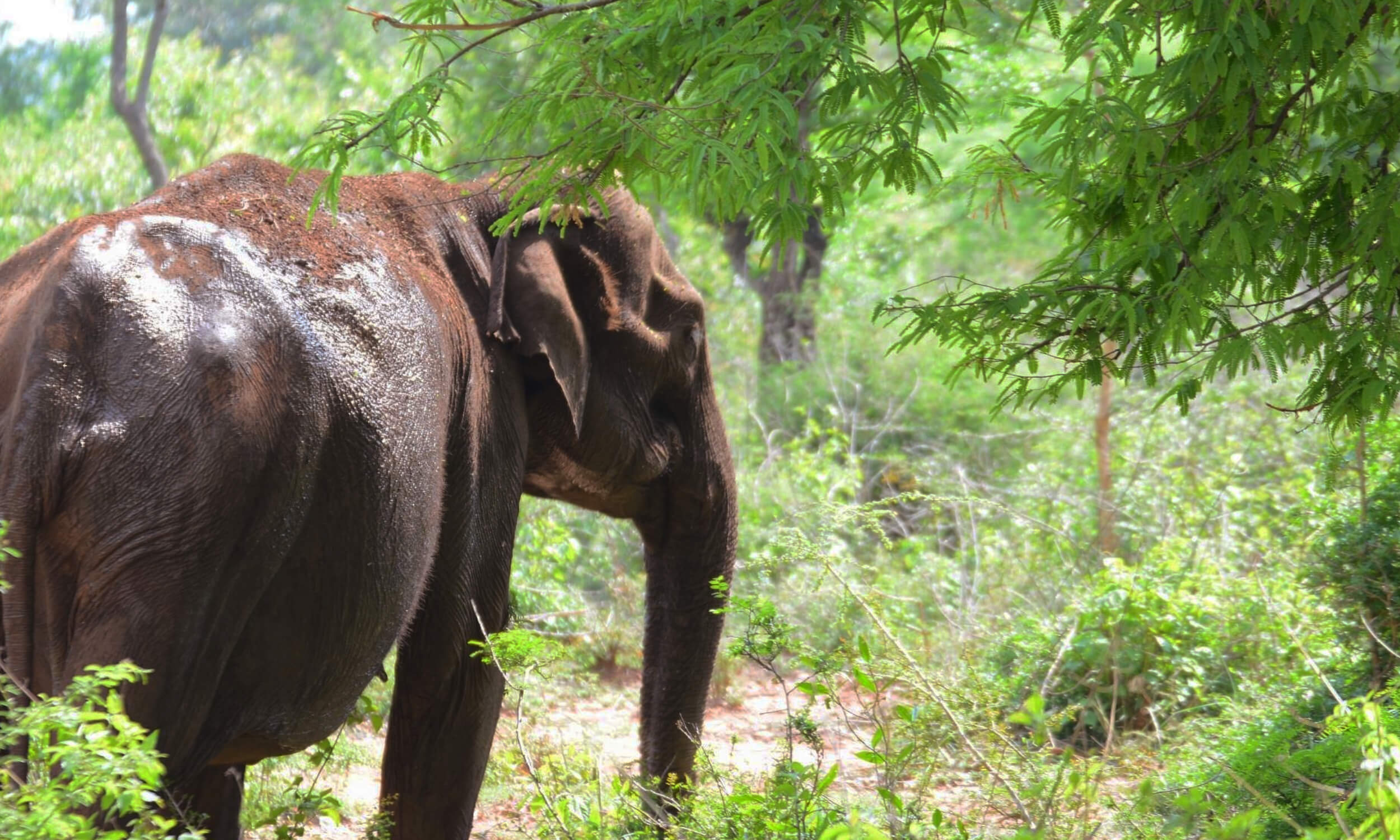
- Highlights: Tiger, elephant corridor between the Eastern and Western Ghats, leopard, dhole, gaur, and blackbuck on the Moyar side
Sathyamangalam is the 1,411 sq km reserve that links the Nilgiri landscape to the Eastern Ghats, and it became a tiger reserve in 2013 after decades as the hideout of the forest brigand Veerappan. Tourism is young and quiet: the Forest Department runs safaris from Hasanur with low vehicle numbers, and the reserve holds one of Tamil Nadu’s largest tiger populations, so sightings reward patience rather than crowds. It is a sensible add-on to a Mudumalai or Bandipur trip, 90 km from both via the Dimbam Ghat, and an honest pick for travelers who want the Nilgiri forests without lodge-circuit prices.
8. Biligiri Rangaswamy Temple (BRT) Tiger Reserve, Karnataka
- Popular Gates: K Gudi (Jungle Lodges camp), Biligiri Rangana Betta temple road
- Safari Type: Jeep safari through jungle lodges and resorts, Forest Department safari
- Safari Timings: Morning 6:30 AM to 9:00 AM, afternoon 3:30 PM to 6:30 PM
- Best Time to Visit: October to May
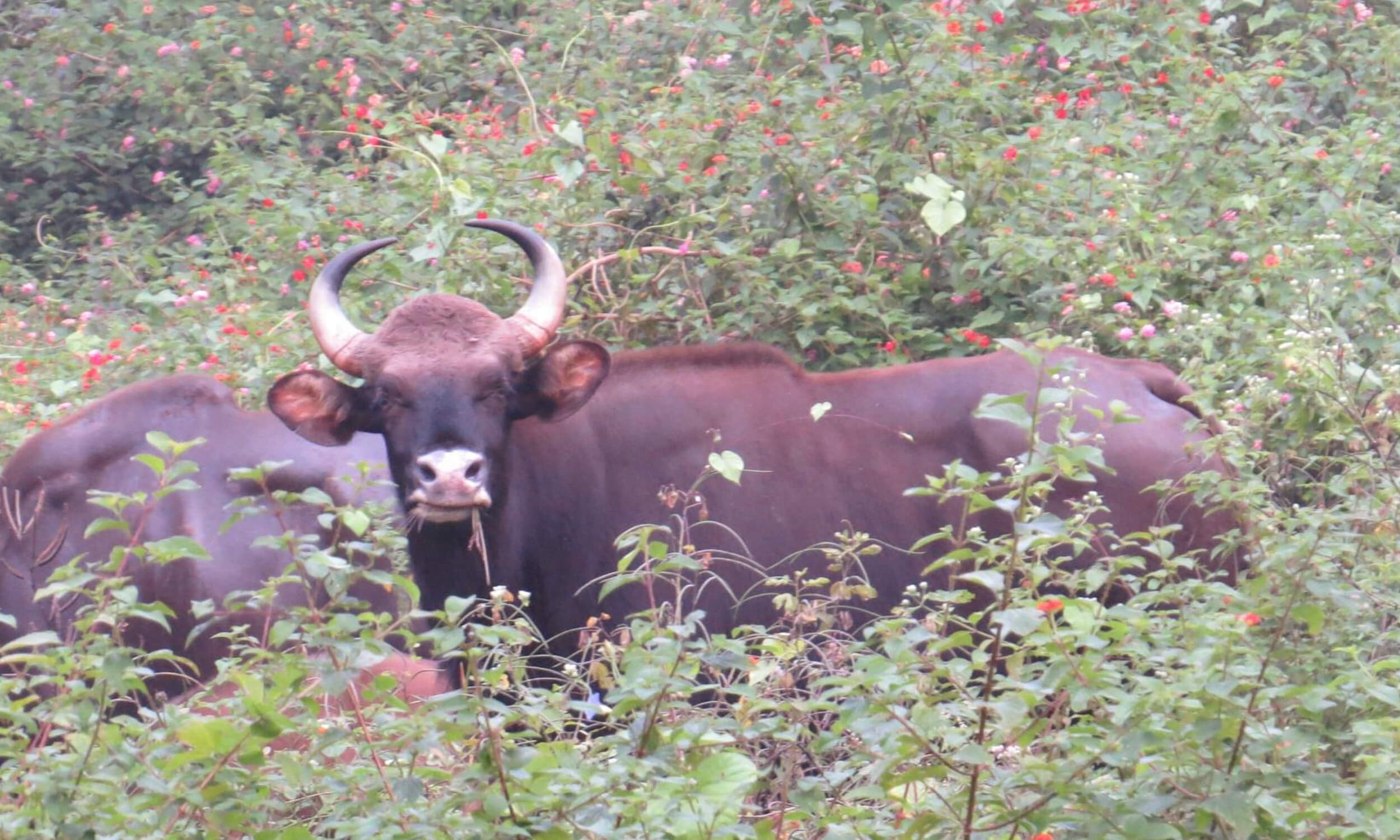
- Highlights: Elephant, gaur, tiger, sloth bear, 250-plus bird species, hilltop Biligiri Rangaswamy temple, Soliga tribal landscape
BRT Hills sits at the meeting point of the Eastern and Western Ghats, 574 sq km of hill forest where the Soliga community still lives inside the reserve under India’s first forest-rights settlement in a tiger reserve. Safaris run from the K Gudi camp, and the mix of dry and moist forest produces reliable elephant, gaur, and sloth bear sightings with occasional tigers. It is 180 km from Bengaluru and 90 km from Mysuru, which makes it the quiet alternative to Bandipur for travelers who want a forest stay without highway traffic and bus-safari crowds.
9. Anamalai Tiger Reserve (Topslip) and Parambikulam, Tamil Nadu and Kerala
- Popular Gates: Topslip (Anamalai, Tamil Nadu side), Anappady and Thunakadavu (Parambikulam, Kerala side)
- Safari Type: Forest Department safari vehicle, elephant camp at Kozhikamuthi, Parambikulam boat and guided treks
- Safari Timings: Morning 6:30 AM to 9:30 AM, afternoon 3:00 PM to 5:30 PM (seasonal)
- Best Time to Visit: October to May
- Highlights: Elephant, gaur, lion-tailed macaque, Nilgiri tahr on the higher slopes, great hornbill, Kozhikamuthi elephant camp, Parambikulam’s Kannimara teak
Anamalai and Parambikulam are one forest divided by a state line, and the best trip treats them as a pair. Topslip on the Tamil Nadu side runs safaris, treks, and the Kozhikamuthi elephant camp from Forest Department rest houses booked through Pollachi, 35 km away. Parambikulam on the Kerala side is better organized for visitors, with boat rides on the reservoirs, tribal-guided treks, and tented camps booked online through the Kerala Forest Department. Lion-tailed macaques and great hornbills make this the strongest rainforest-wildlife destination on the list.
10. Eravikulam National Park, Kerala
- Popular Gates: Rajamalai (10 km from Munnar)
- Safari Type: Forest Department bus to the viewing area, short walking trail
- Safari Timings: 7:00 AM to 4:00 PM, last entry 3:30 PM
- Best Time to Visit: April to January; closed February and March for tahr calving; September to October in Neelakurinji bloom years
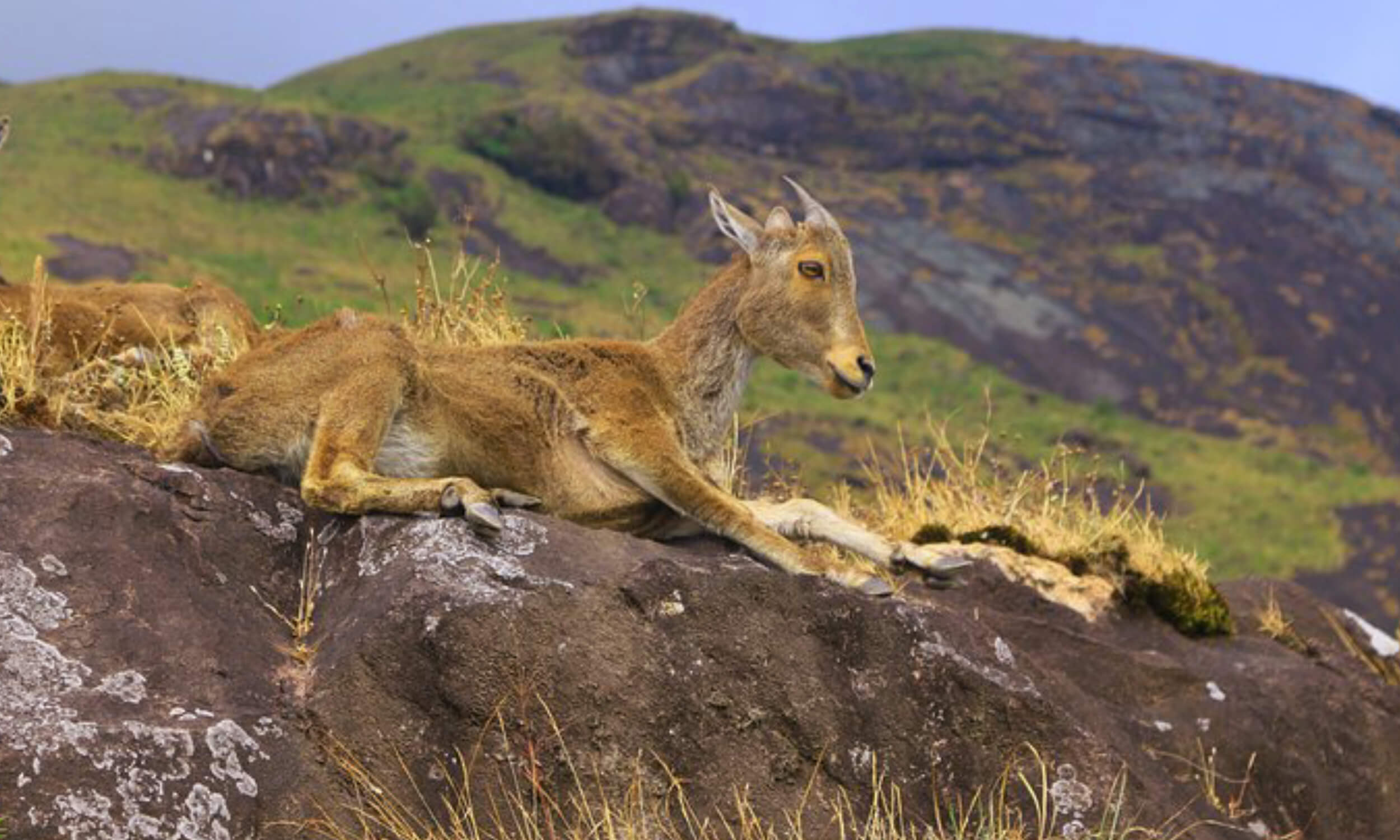
- Highlights: Nilgiri tahr (700-plus), Nilgiri langur, Anamudi at 2,695 m, and shola and grassland ecosystem
Eravikulam holds the largest surviving population of the Nilgiri tahr and is the one place in the south where seeing the species is near-certain, since habituated herds graze beside the viewing trail at Rajamalai. The 97 sq km park closes every February and March for the calving season, and the once-in-twelve-years Neelakurinji bloom (next due in 2030) turns the slopes blue-purple. Pair it with Munnar’s tea estates for an easy two days; Mukurthi National Park in the Nilgiris holds the same species but is largely closed to visitors.
11. Ranganathittu Bird Sanctuary, Karnataka
- Popular Gates: Main entrance near Srirangapatna, 18 km from Mysuru
- Safari Type: Guided boat rides around the river islands, walking trails
- Safari Timings: 8:30 AM to 6:00 PM
- Best Time to Visit: December to June; January to March for peak nesting
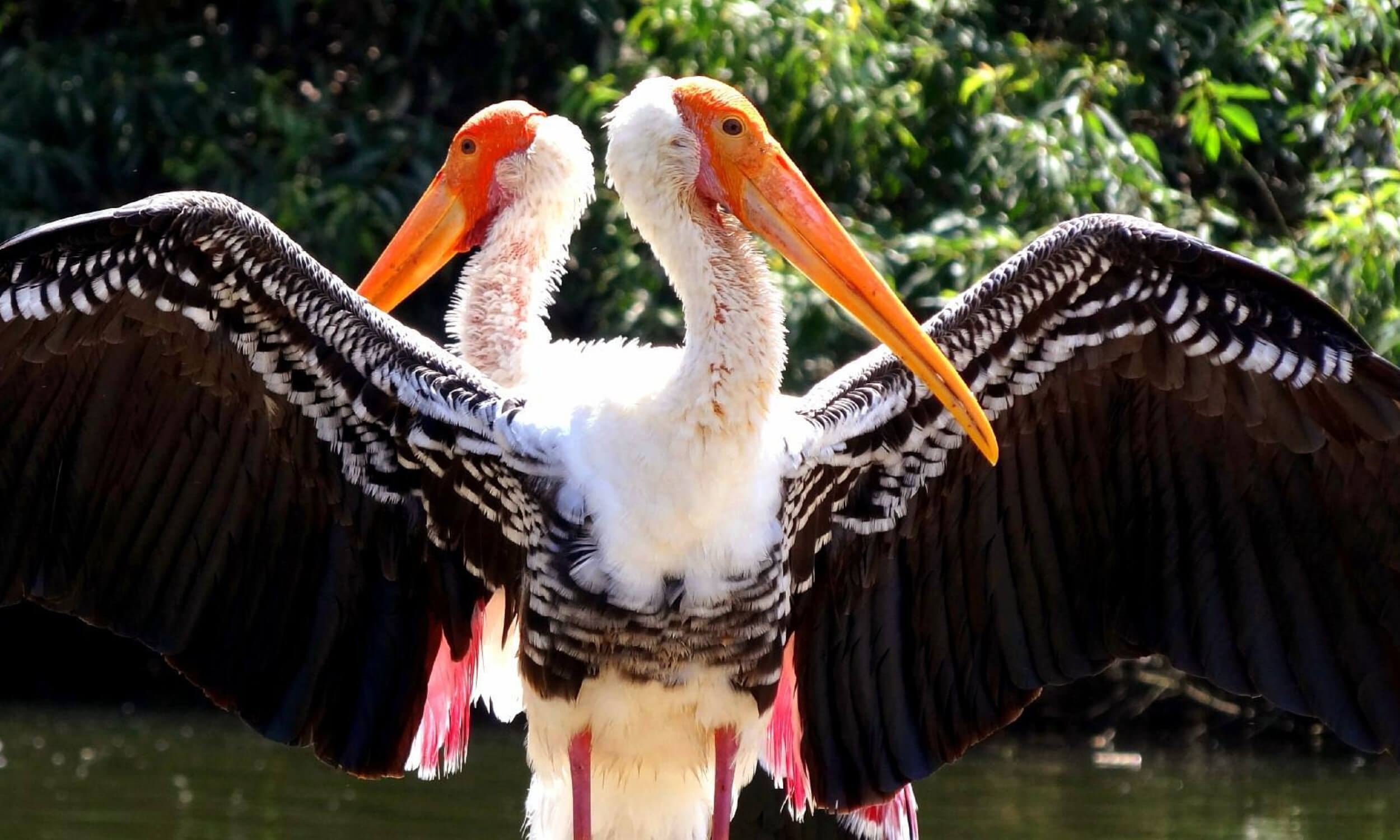
- Highlights: Painted stork, spot-billed pelican, black-crowned night heron, Asian openbill, mugger crocodile, fruit bat colonies
Ranganathittu is a cluster of islets in the Cauvery that becomes one of South India’s great heronries each winter, with thousands of painted storks, pelicans, and night herons nesting within meters of the boats. Mugger crocodiles bask on the rocks, and the boatmen are reliable spotters. It is a half-day from Mysuru rather than a destination in itself, and it suits families and first-time birders who want wildlife without a dawn safari. Avoid monsoon months, when the sanctuary closes if the Cauvery rises.
When to Visit South India for Wildlife?
October to February brings comfortable weather across every reserve and peak birding at Ranganathittu. Eravikulam closes in February and March regardless.
March to May is the sighting season, when the Kabini backwaters draw elephant congregations and dry forests at Bandipur, Mudumalai, and Sathyamangalam open up around waterholes; expect 35-degree-Celsius afternoons.
June to September is monsoon, and South India is the one region where wildlife travel continues: Mudumalai and Wayanad keep buffer safaris running, Periyar’s lake cruises are at their most atmospheric, and the Western Ghats are at their greenest, with reduced big-mammal visibility as the trade-off.
Plan your South India wildlife trip with Tour My India
TMI’s South India team builds Nilgiri and Western Ghats wildlife circuits with safari quotas secured through licensed lodges, Forest Department permits for Periyar, Parambikulam, and Topslip, gateway transfers from Bengaluru, Mysuru, Coimbatore, or Kochi, and buffer days built in for monsoon and ghat-road conditions. Call +91-9212777223/24 or write to us for a quote matched to your dates.
Other Interesting Blogs to Read
Frequently Asked Questions
Which are the best wildlife destinations in South India?
Nagarhole's Kabini zone is the strongest all-round choice for elephants and leopards, Bandipur is the most accessible classic safari near Mysuru, and Periyar is the best option for families who prefer boats and walks to jeeps. Mudumalai, Wayanad, Kali, Sathyamangalam, BRT Hills, Anamalai with Parambikulam, Eravikulam, and Ranganathittu complete the list, each with a distinct reason to go.
Which South India reserve is best for tiger sightings?
Bandipur and Nagarhole carry the highest tiger densities and the best odds in the south, with Sathyamangalam holding a large but less frequently seen population. Tiger sightings across South India are less predictable than in Central India's reserves, so multiple safaris in one reserve improve the chances far more than single drives across several.
Where can I see elephants in South India?
The Kabini backwaters at Nagarhole produce the largest herds in Asia between March and May, while Bandipur, Mudumalai, Wayanad, and Periyar offer reliable elephant sightings through most of the season. The Theppakadu camp at Mudumalai and the Kozhikamuthi camp at Anamalai add close-range interpretive encounters with camp elephants.
Which wildlife parks in South India stay open during monsoon?
Mudumalai and Wayanad keep buffer safaris running from June to September, Periyar's lake cruises operate year-round, and Kali, BRT, and Sathyamangalam remain open subject to weather. Bandipur and Nagarhole restrict access during heavy rain, and Ranganathittu closes when the Cauvery floods.
What is the best time for a South India wildlife trip?
March to May gives the best sightings as animals gather at waterholes, October to February gives the most comfortable weather and the best birding, and June to September suits travelers who want green landscapes and monsoon-open reserves over sighting odds. Eravikulam is the exception, closing every February and March for the tahr calving season.
How many days do I need for a wildlife tour in South India?
Two to three nights in one reserve of South India is the practical minimum for three or four safaris. A week covers a Nilgiri circuit of Kabini, Bandipur, and Mudumalai, and a second week covers a Western Ghats circuit of Periyar, Parambikulam, and Eravikulam; combining both in a single short trip leaves too much time on the road.
About the author
From the Lake District, Nainital, Nidhi Singh is a travel writer whose love for mountains can be seen in her write ups. Talk about solo travelling, indulging in adventure activities, binging on good food, planning budget trips or the Aurora Borealis and you will get all her attention. It is the wanderlust that keeps her going and if at all she could get one wish granted she would love to live a life less ordinary. Follow her on Twitter, Facebook & Instagram.


 +91-9212777225
 Plan Your trip