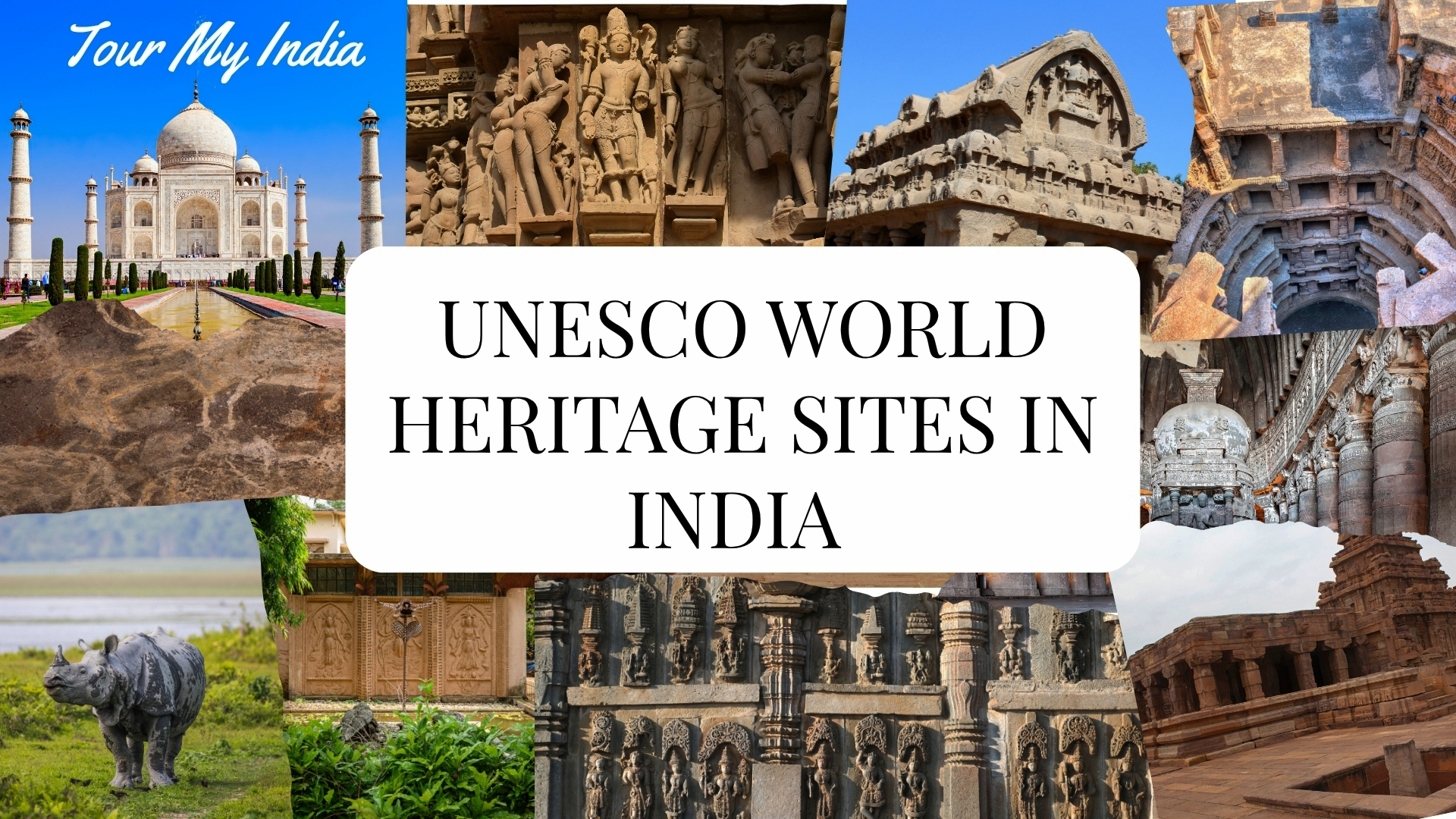
India holds a prominent place in the list of countries with a rich cultural and historical legacy. The Indian civilization, also known as the Indus Valley civilization, is believed to date back to around 3000 BCE. Over time, as cultures and traditions evolved, various monuments and sites were built by the rulers who governed the land. Today, these ancient UNESCO world heritage sites in India are revered by archaeologists, historians, and art enthusiasts alike. Presently, India boasts over a thousand such historical sites. Many of these monuments have been recognized as UNESCO world heritage sites to protect them from the ravages of time.
Check out our complete guide, where we explore 43 of the most fascinating UNESCO world heritage sites in India, with all the interesting facts you need to know.
Keoladeo National Park, Rajasthan
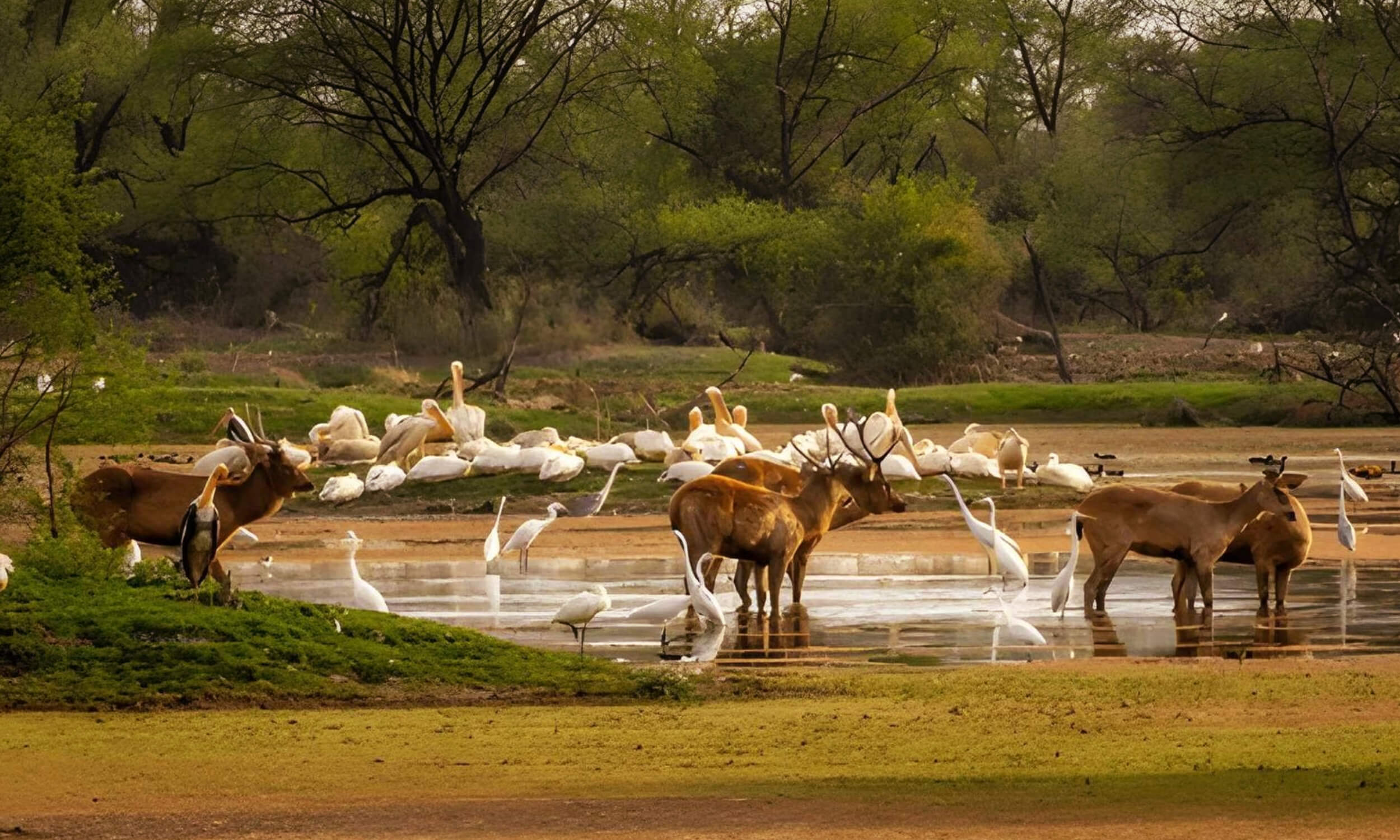
Keoladeo National Park, located in Rajasthan, is a birdwatcher’s paradise and one of the most significant wetland habitats in India. Declared a UNESCO World Heritage Site in 1985, this park spans 29 square kilometers and is home to over 370 species of birds, including migratory species that stop here during their seasonal journeys. Originally created as a hunting preserve for the Maharajas of Bharatpur, Keoladeo is now a protected sanctuary and a haven for biodiversity. The park is famous for its rich avian population, including rare species like the Siberian crane.
- Year of Induction: 1985
- Category: Natural — Contains important and significant habitats for the conservation of biological diversity.
Rock Shelters of Bhimbetka, Madhya Pradesh
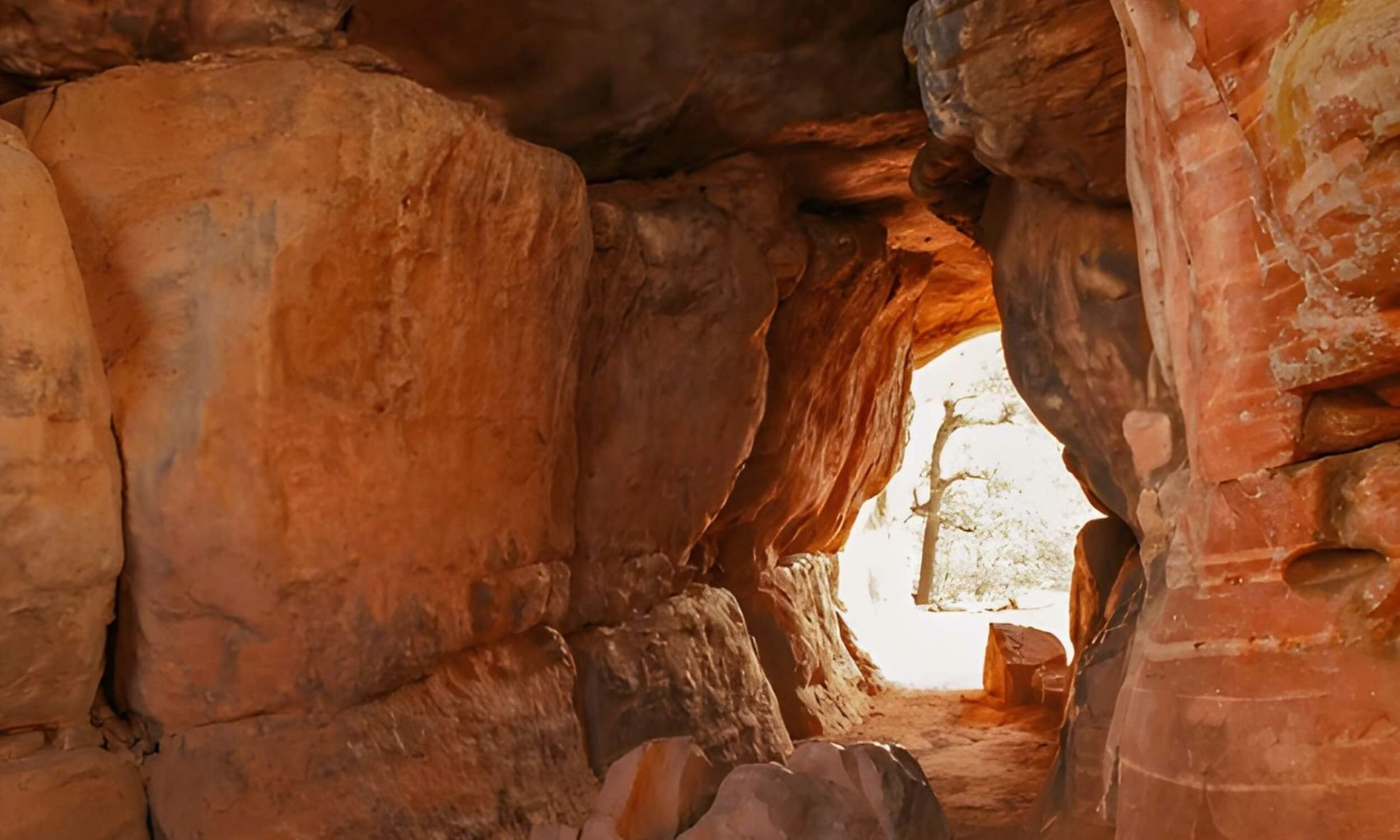
The Rock Shelters of Bhimbetka, located in Madhya Pradesh, are a remarkable testament to prehistoric human life in India. These rock shelters are spread over 16 square kilometers and house some of the oldest known rock paintings in the world, dating back to the Mesolithic period. The paintings depict scenes of daily life, wildlife, and rituals, offering a unique glimpse into early human culture. The Bhimbetka shelters are not only significant for their artistic heritage but also for their role in understanding the evolution of human civilization.
- Year of Induction: 2003
- Category: Cultural — An outstanding example of the evolution of human history and a unique testimony of prehistoric cultural traditions.
Rani-ki-Vav (The Queen’s Stepwell), Gujarat
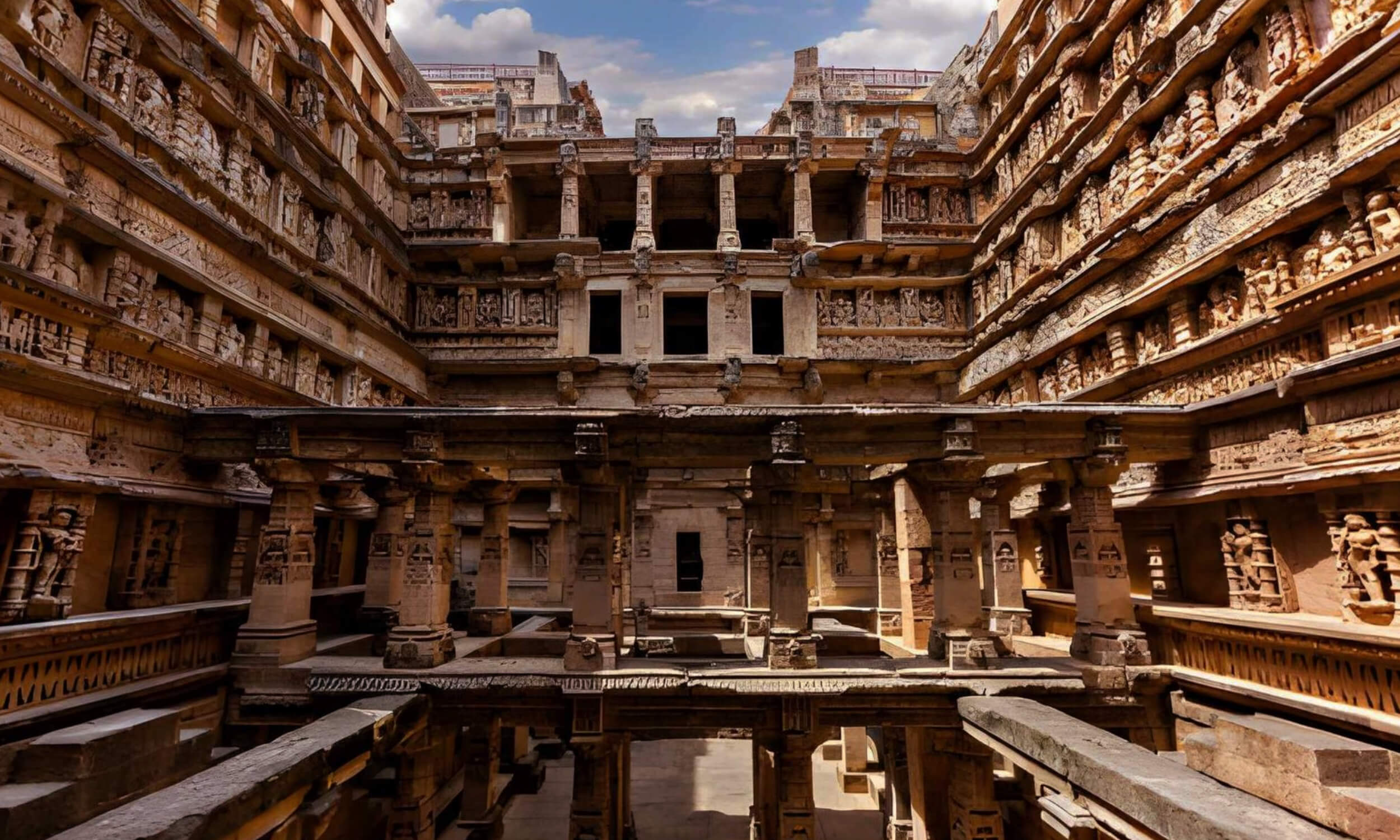
Rani-ki-Vav, located in Patan, Gujarat, is one of India’s most intricate and architecturally stunning stepwells. Recognised as a UNESCO World Heritage Site in 2014, this 11th-century stepwell was built by Queen Udayamati in memory of her husband, King Bhimdev I. Spanning over 64 meters in length and 20 meters in depth, it is a remarkable example of ancient water management systems, adorned with intricately carved sculptures and exquisite inscriptions. The stepwell is renowned for its intricate design, with seven levels of stairs leading down to a water reservoir. Today, Rani-ki-Vav stands as a symbol of Gujarat’s rich cultural and architectural heritage.
- Year of Induction: 2014
- Category: Cultural — An architectural masterpiece that showcases the brilliance of ancient engineering and design.
The Architectural Work of Le Corbusier (Capitol Complex), Chandigarh
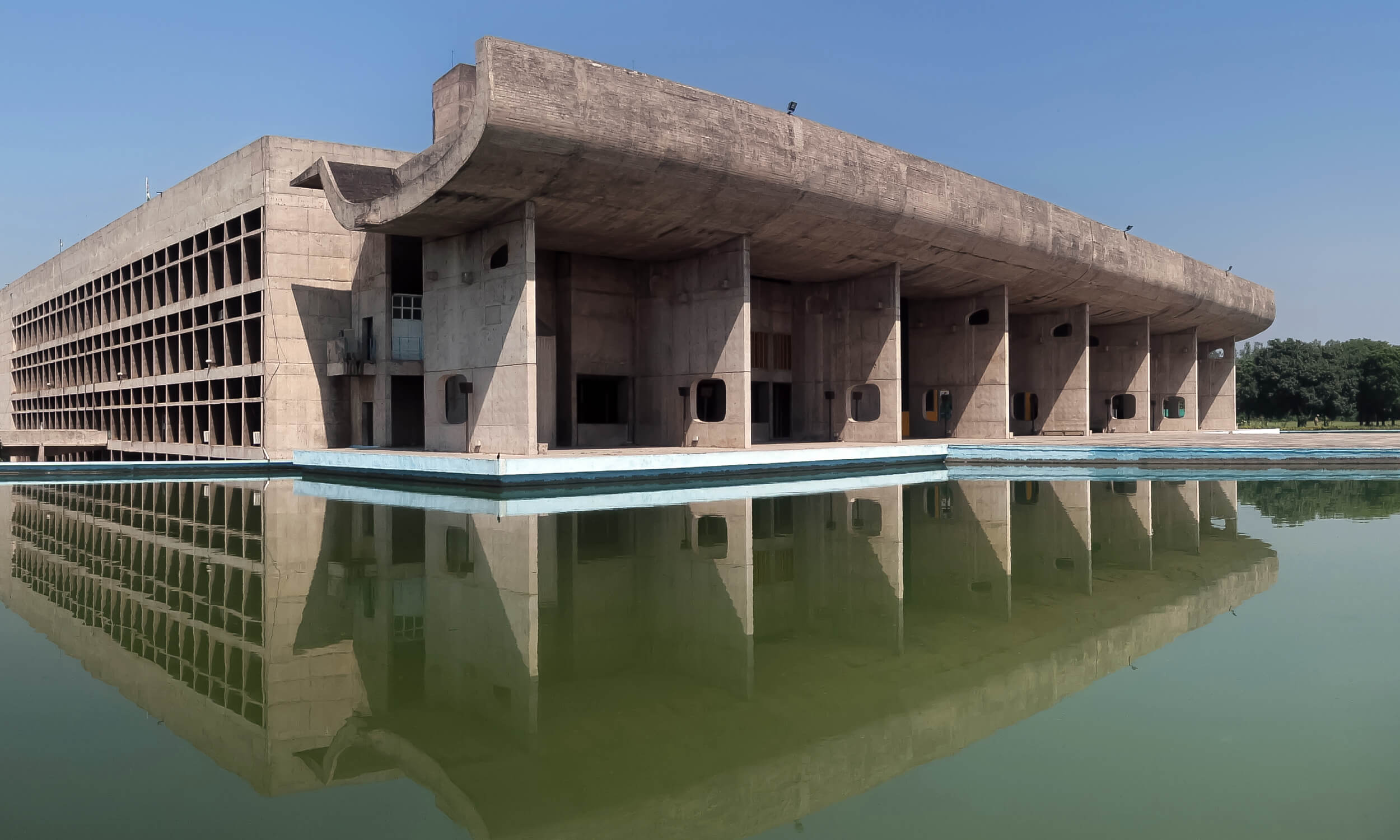
The Capitol Complex in Chandigarh, designed by the legendary architect Le Corbusier, is a masterpiece of modern architecture and urban planning. This complex is an iconic representation of 20th-century architecture, blending bold, innovative designs with functional urban spaces. The Capitol Complex houses several key government buildings, including the Punjab and Haryana High Court, the Secretariat, and the Assembly Hall, all characterized by Le Corbusier’s signature use of concrete and open spaces. The complex is a testament to his vision for urban design and has become an integral part of Chandigarh’s identity.
- Year of Induction: 2016
- Category: Cultural — A masterpiece of modern architecture that represents an important stage in the development of architectural design and urban planning.
Nanda Devi & Valley of Flowers National Park, Uttarakhand
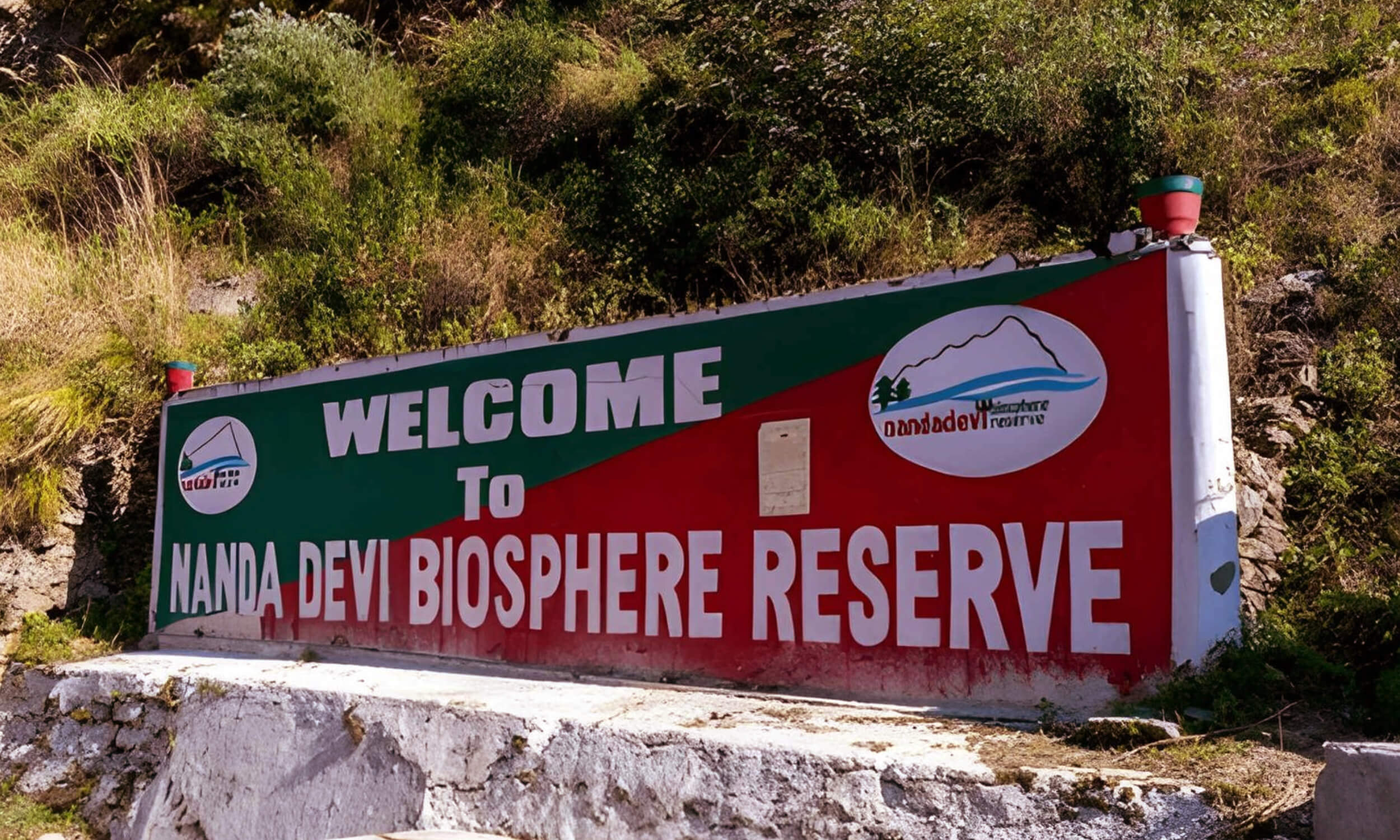
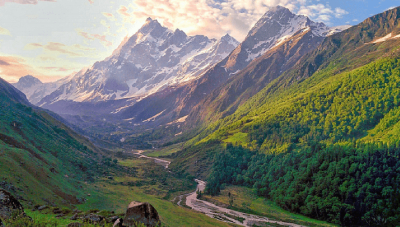
Nanda Devi and the Valley of Flowers National Park, located in Uttarakhand, are renowned for their stunning natural beauty and biodiversity. These parks, which hold a prestigious place on the UNESCO World Heritage Site list, span an area of 2,236 square kilometers and are home to an incredible range of flora and fauna. The Valley of Flowers is famous for its vibrant, colorful meadows that bloom with over 500 species of wildflowers, while Nanda Devi, the second-highest peak in India, adds to the area’s grandeur. Together, they represent a unique combination of pristine natural beauty and ecological importance.
- Year of Induction: 1988
- Category: Natural — Contains important and significant habitats for the conservation of biological diversity, representing exceptional beauty and natural processes.
Kakatiya Rudreshwara (Ramappa) Temple, Telangana
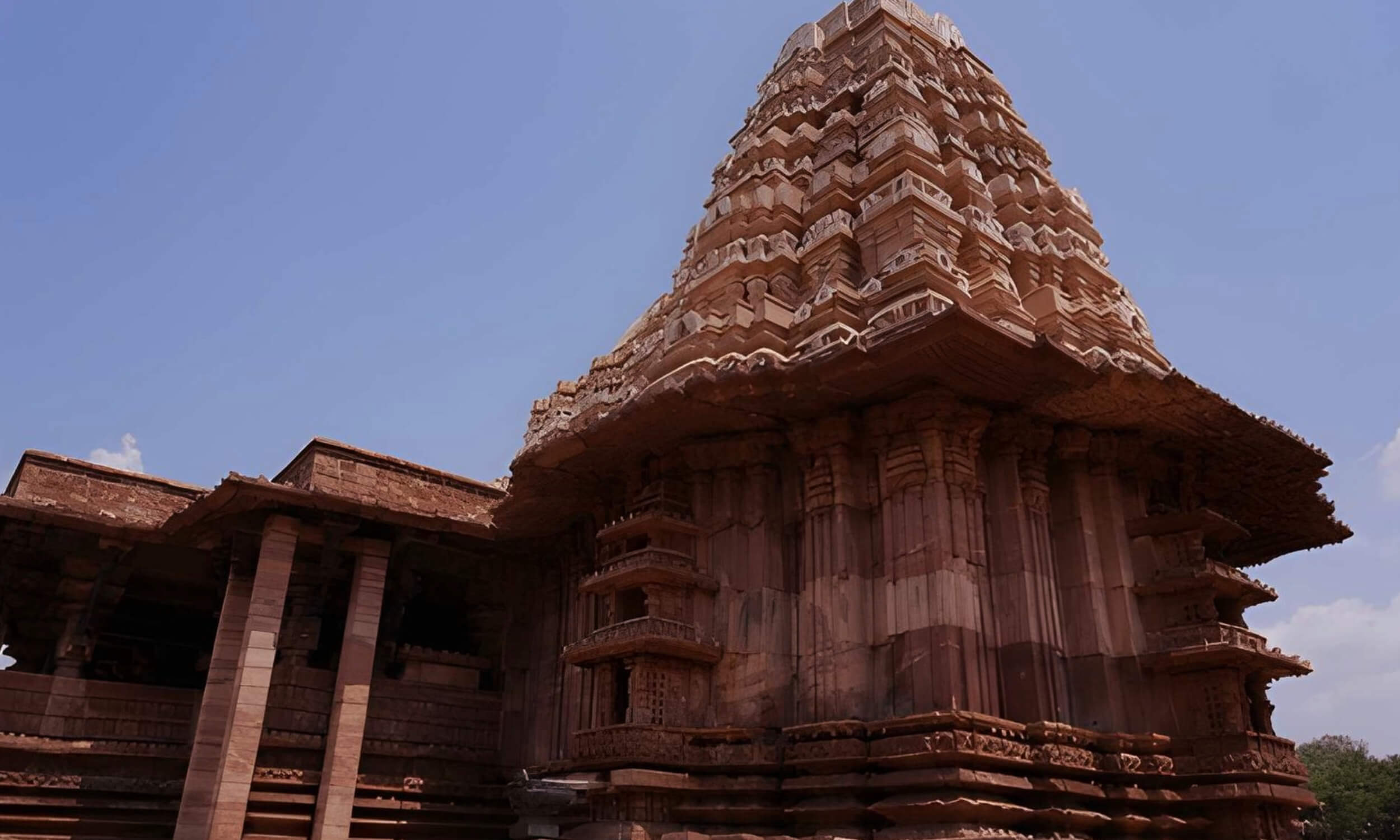
The Kakatiya Rudreshwara Temple, also known as Ramappa Temple, located in Telangana, is a stunning example of Kakatiya dynasty architecture. This 13th-century temple was built by the Kakatiya ruler, King Rudradeva, and is dedicated to Lord Shiva. The temple is renowned for its intricately carved pillars, stunning sculpture work, and the unique architecture that blends South Indian Dravidian styles with the regional influences of the Kakatiya period. The Ramappa Temple, famous for its intricate workmanship and artistic beauty, remains a symbol of the Kakatiya dynasty’s architectural brilliance and continues to attract visitors and scholars from across the world.
- Year of Induction: 2021
- Category: Cultural — A masterpiece of human creative genius that exemplifies the development of architectural traditions and cultural significance.
Dholavira, Gujarat
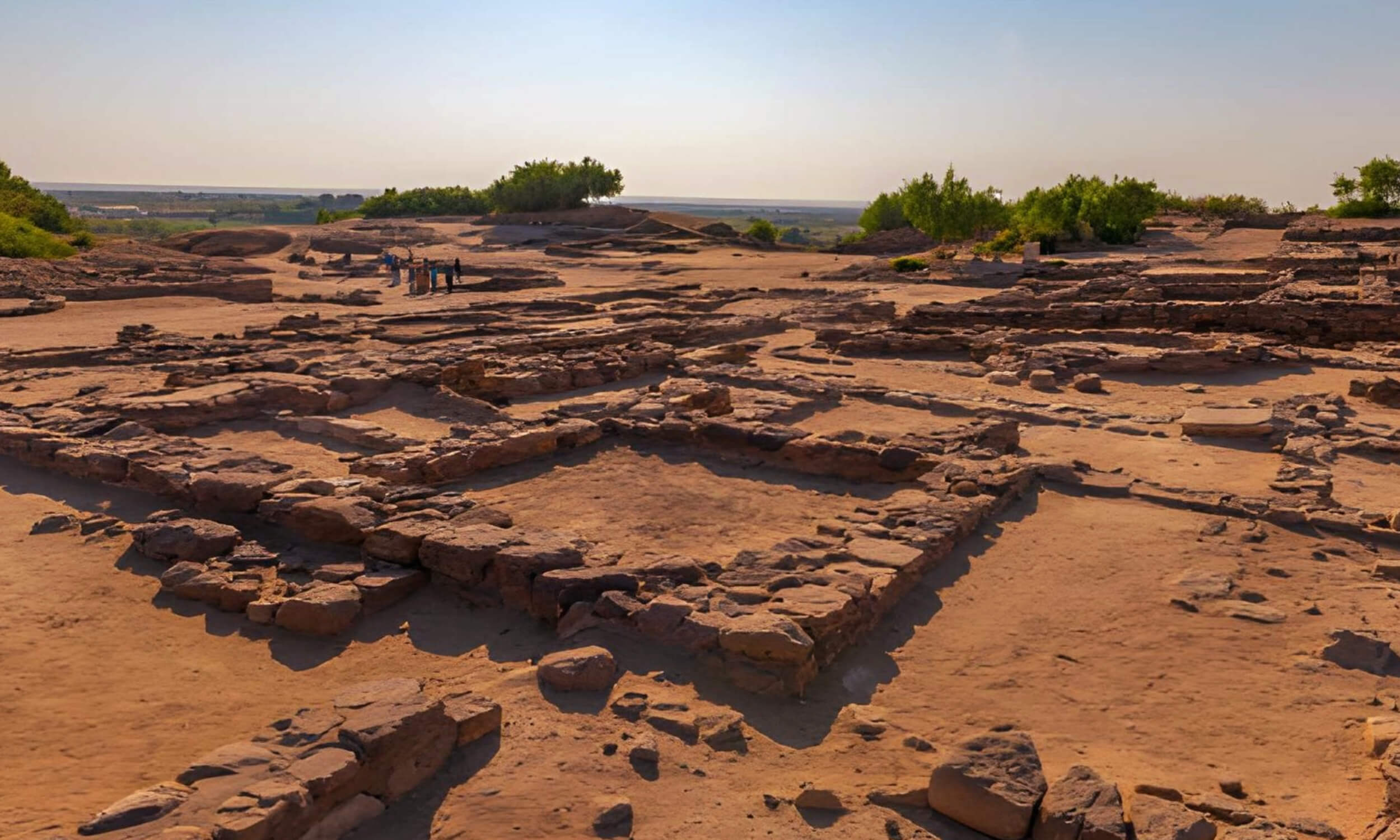
Dholavira, located in the arid Kutch region of Gujarat, is one of the most remarkable archaeological sites of the Harappan Civilization. Declared a UNESCO World Heritage Site in 2021, Dholavira is a well-preserved city that dates back to around 3000 BCE. The site includes an extensive array of ruins, including a sophisticated water management system, well-planned streets, and large reservoirs. Dholavira provides significant insights into the advanced urban planning and engineering skills of the ancient Harappans. The discovery of various artifacts, seals, and inscriptions further enhances its importance.
- Year of Induction: 2021
- Category: Cultural — An outstanding example of human settlements and urban planning that sheds light on the advancements of the Harappan Civilization.
Santiniketan, West Bengal
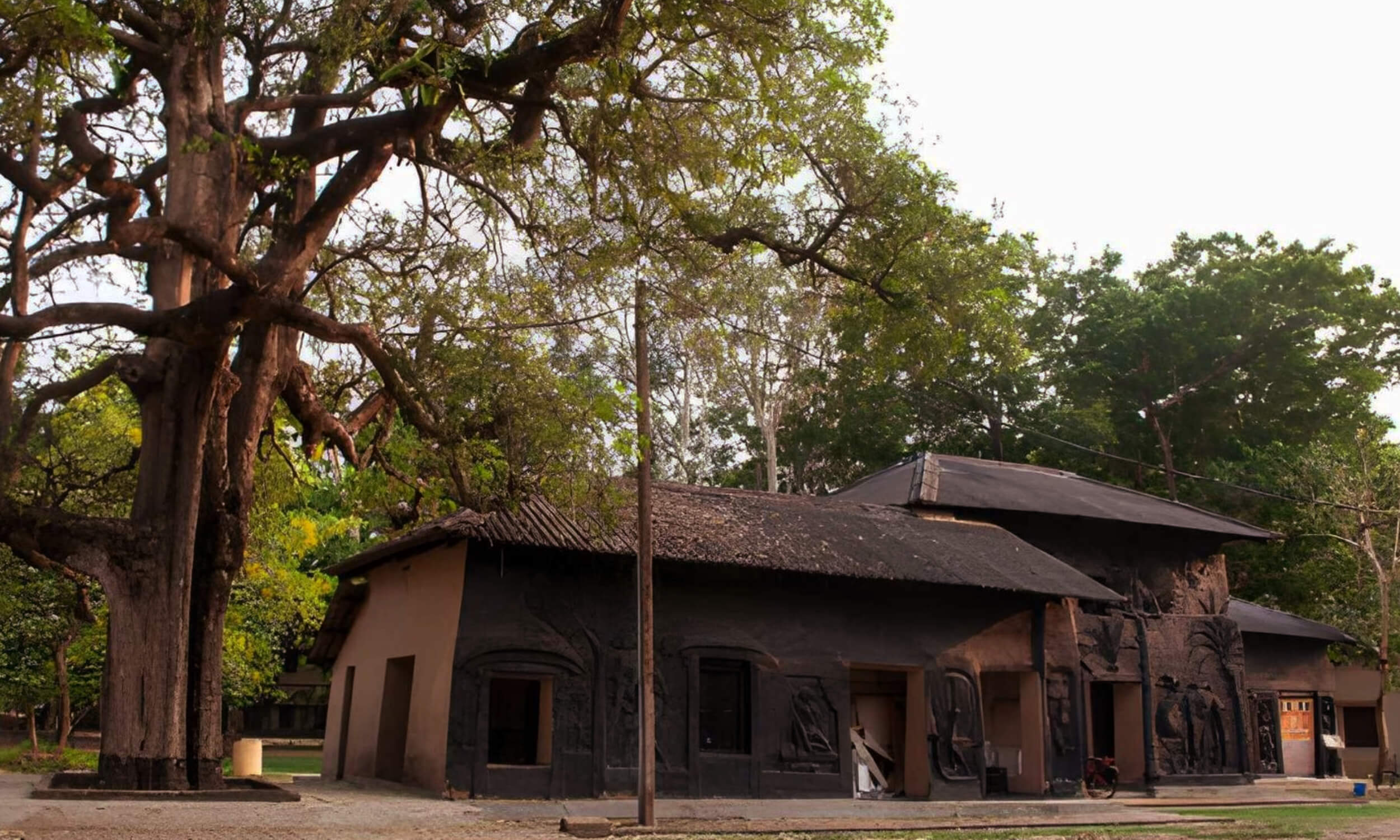
Santiniketan, located in West Bengal, is a renowned cultural and educational hub founded by Rabindranath Tagore. With its inclusion as a UNESCO World Heritage Site in 2023, Santiniketan is celebrated for its open-air classroom concept, where nature and the environment are integral to the learning process. Established in the early 20th century, it started as a school and later became Visva-Bharati University, attracting scholars and artists from across the globe. Known for its unique blend of architecture, art, and culture, the site embodies Tagore’s vision of education as a harmonious relationship between human beings and nature. Santiniketan continues to stand as a significant center for cultural exchange and learning.
- Year of Induction: 2023
- Category: Cultural — An exceptional testimony to a unique cultural and educational tradition created by Rabindranath Tagore, representing a synthesis of education, art, and nature.
Hoysala Temples of Belur, Halebid, and Somanathpura, Karnataka
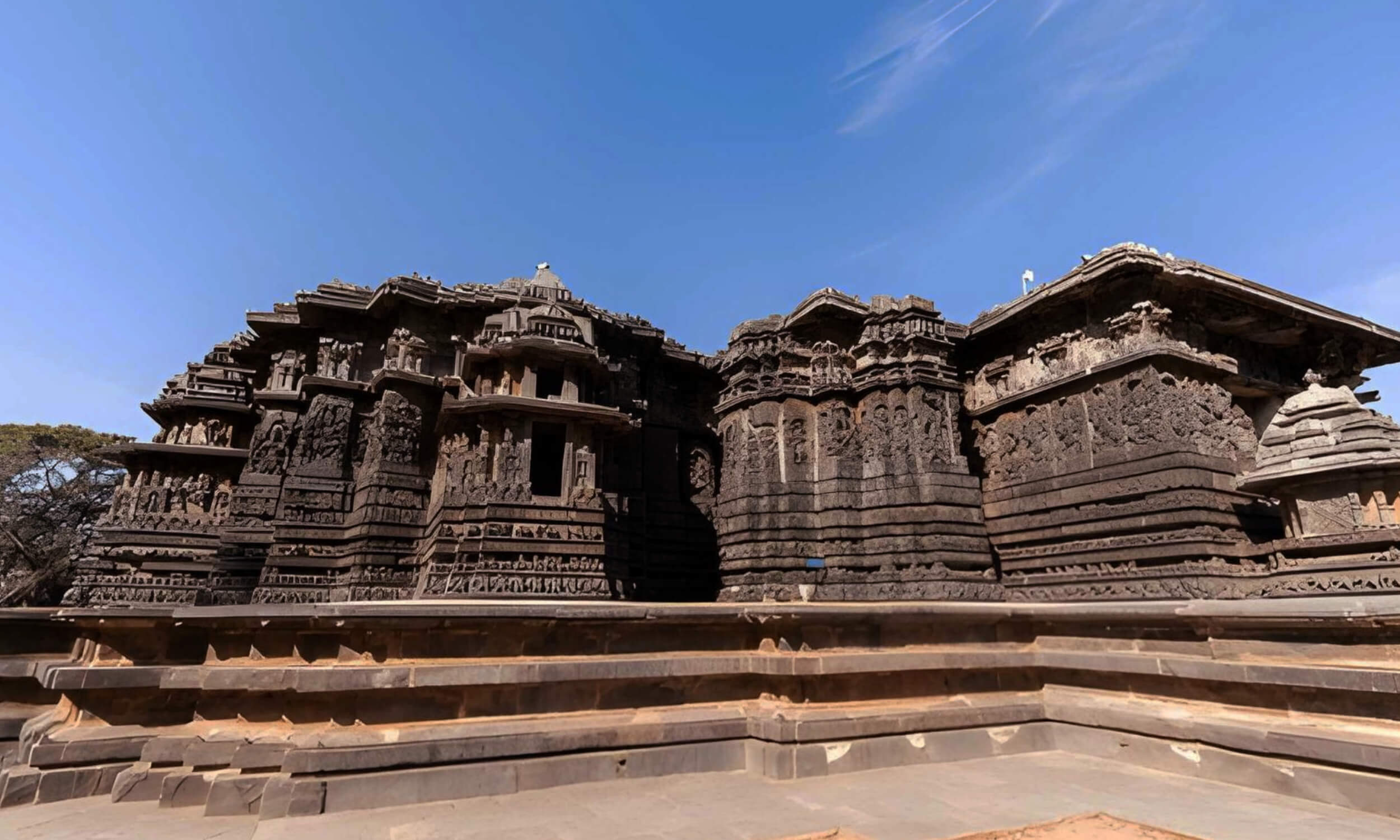
The Hoysala Temples of Belur, Halebid, and Somanathpura, located in Karnataka, are some of the finest examples of Hoysala architecture. These temples, built between the 11th and 14th centuries, showcase intricate stone carvings, detailed sculptures, and stunning architectural design. The temples of Belur, Halebid, and Somanathpura are dedicated to Hindu deities and reflect the grandeur and cultural richness of the Hoysala dynasty. The craftsmanship and artistic excellence displayed in the temples’ carvings and sculptures make them significant historical and cultural landmarks.
- Year of Induction: 2021
- Category: Cultural — An architectural masterpiece that exemplifies the skill and creativity of the Hoysala dynasty, representing an important stage in the development of Indian temple architecture.
Group of Monuments at Pattadakal, Karnataka
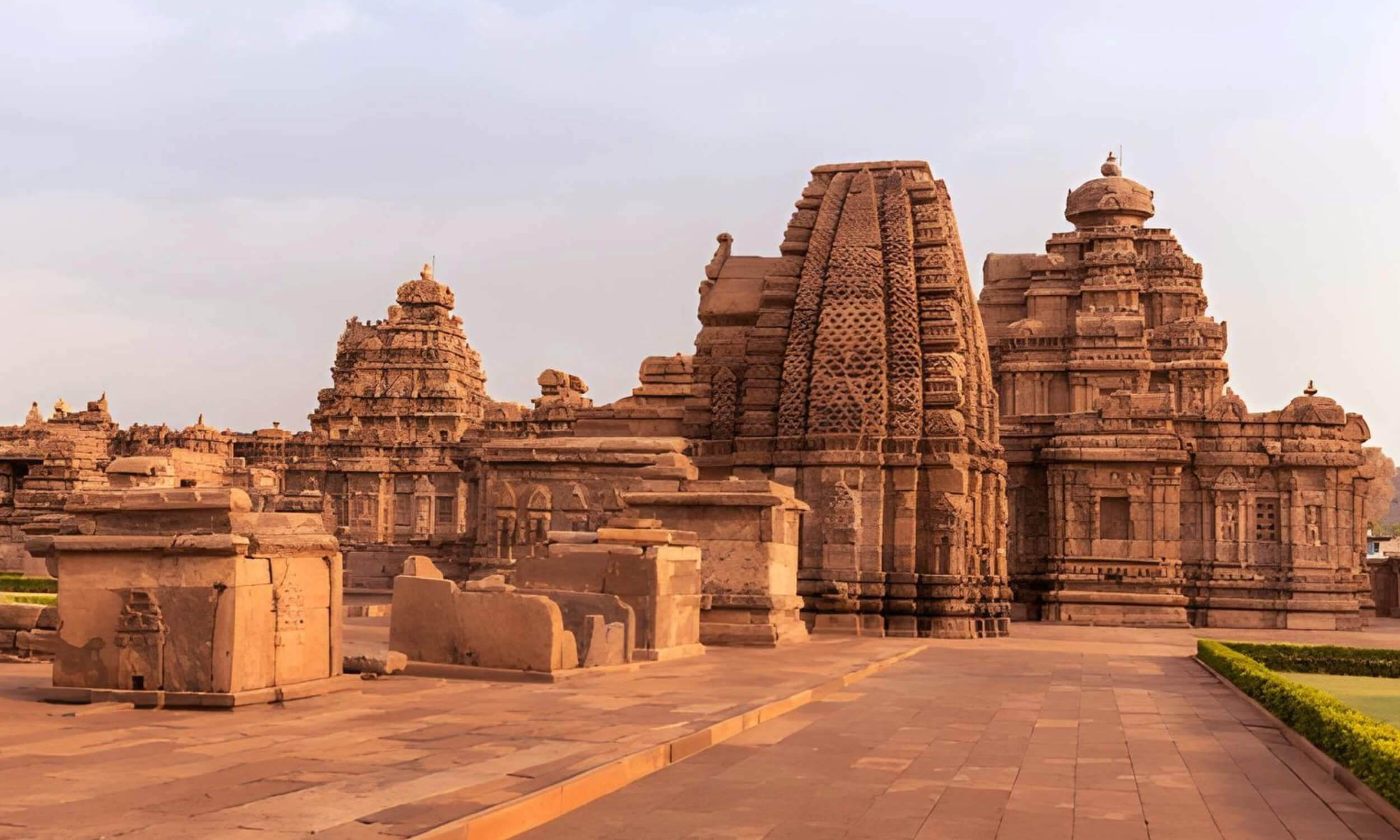
The Group of Monuments at Pattadakal, located in Karnataka, is an exceptional collection of Hindu temples showcasing a unique blend of Dravidian and Nagara architectural styles. Pattadakal was the capital of the Chalukya dynasty and served as an important center for the construction of grand temples between the 7th and 9th centuries. The site features temples dedicated to various deities, including the famous Virupaksha Temple, and is renowned for its architectural diversity, including exquisite carvings and intricate designs. The Group of Monuments at Pattadakal reflects the high level of craftsmanship and architectural innovation of the Chalukyas.
- Year of Induction: 1987
- Category: Cultural — A masterpiece of architecture and a key example of the cultural exchange and architectural evolution in the history of Indian temple architecture.
Historic City of Ahmedabad, Gujarat
The Historic City of Ahmedabad in Gujarat is a remarkable fusion of cultural, architectural, and historical heritage. As one of India’s celebrated UNESCO World Heritage Sites, Ahmedabad boasts a rich history dating back to the 11th century. The city is renowned for its unique Indo-Islamic architecture, with stunning stepwells, mosques, tombs, and traditional wooden houses. Its vibrant pols (neighborhoods) and intricate urban planning stand as a testament to its architectural brilliance. Ahmedabad’s significance is also rooted in its role in India’s freedom struggle, particularly through its association with Mahatma Gandhi.
- Year of Induction: 2017
- Category: Cultural — An exceptional example of urban planning and a reflection of the cultural and architectural achievements of the city throughout history.
Victorian Gothic and Art Deco Ensembles of Mumbai, Maharashtra
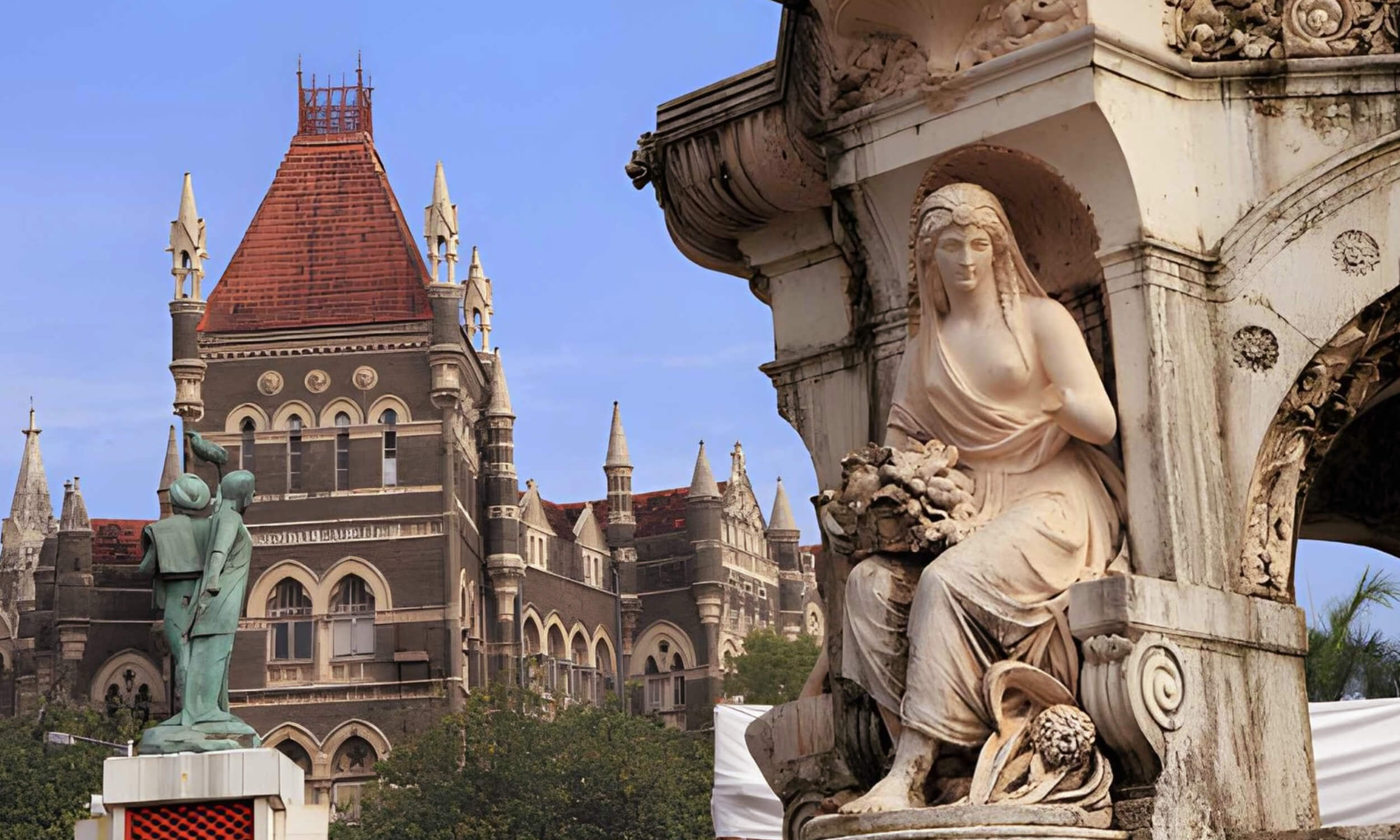
The Victorian Gothic and Art Deco Ensembles of Mumbai, located in Maharashtra, are a stunning display of architectural innovation and cultural significance. Recognized as a UNESCO World Heritage Site, this ensemble comprises a unique blend of 19th and 20th-century architectural styles. The Victorian Gothic buildings, including iconic structures like the Chhatrapati Shivaji Maharaj Terminus and the Mumbai University, reflect the grandeur of colonial architecture, while the Art Deco buildings along Marine Drive are a testament to Mumbai’s modernity during the early 20th century. This remarkable fusion of styles showcases the city’s rich colonial past and its vibrant development during the early modern era, making it an architectural gem.
- Year of Induction: 2018
- Category: Cultural — A masterpiece of architectural design, demonstrating an outstanding example of the evolution of architectural styles in urban planning and construction.
Jaipur City, Rajasthan
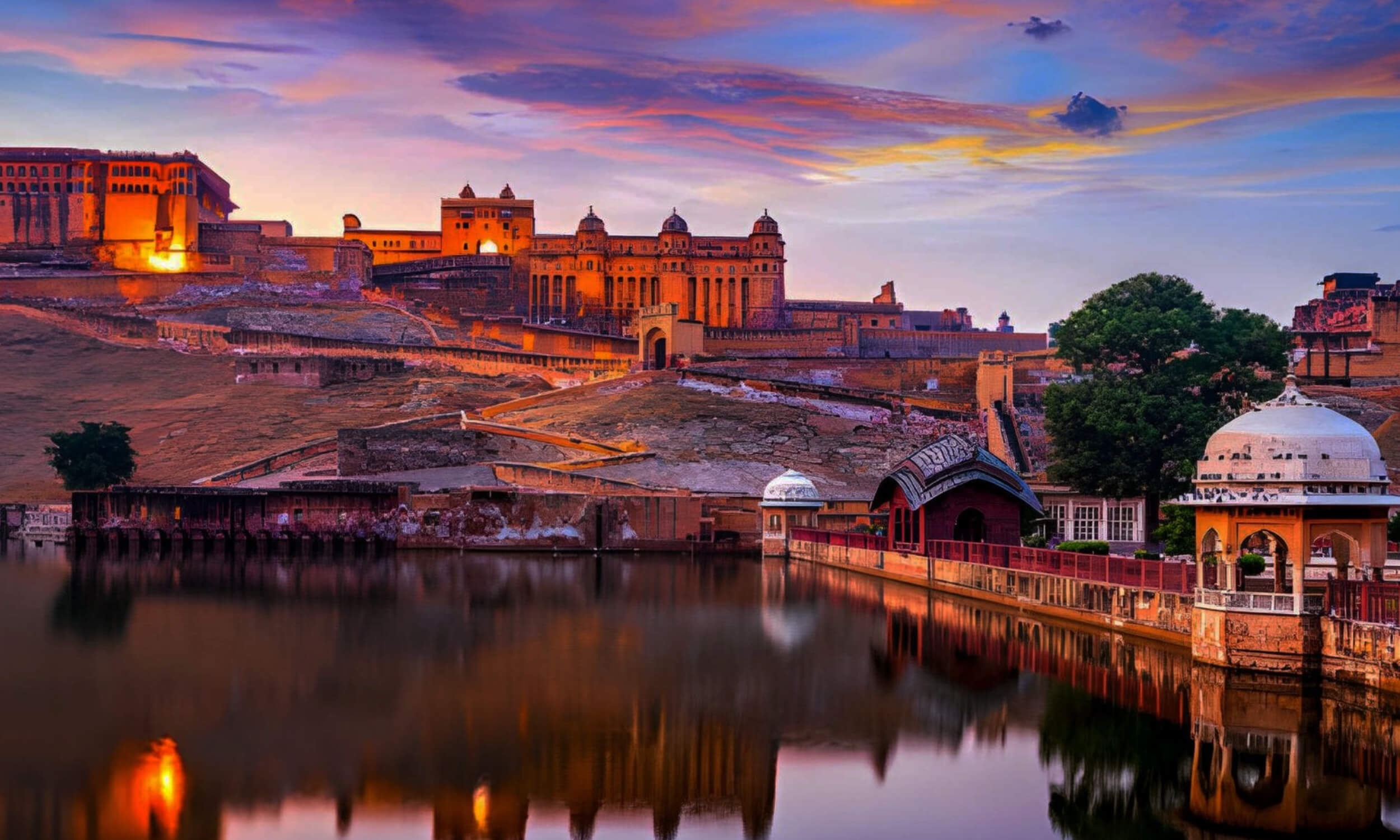
Jaipur City, located in Rajasthan, stands as a testament to India’s rich architectural and cultural heritage. This historic city, which has earned a prestigious spot among UNESCO’s World Heritage Sites, is celebrated for its distinctive pink buildings, grand palaces, and majestic forts. Founded in 1727 by Maharaja Jai Singh II, Jaipur was meticulously planned using ancient Hindu architectural principles, creating a harmonious blend of structure and design. Iconic landmarks like the Amber Fort, Hawa Mahal, and City Palace showcase the city’s royal history and its architectural prowess. Today, Jaipur continues to attract global visitors, drawn by its unique charm and historical significance.
- Year of Induction: 2020
- Category: Cultural — A prime example of urban planning and architecture, representing the cultural history and significance of the city throughout time.
Moidams, Assam
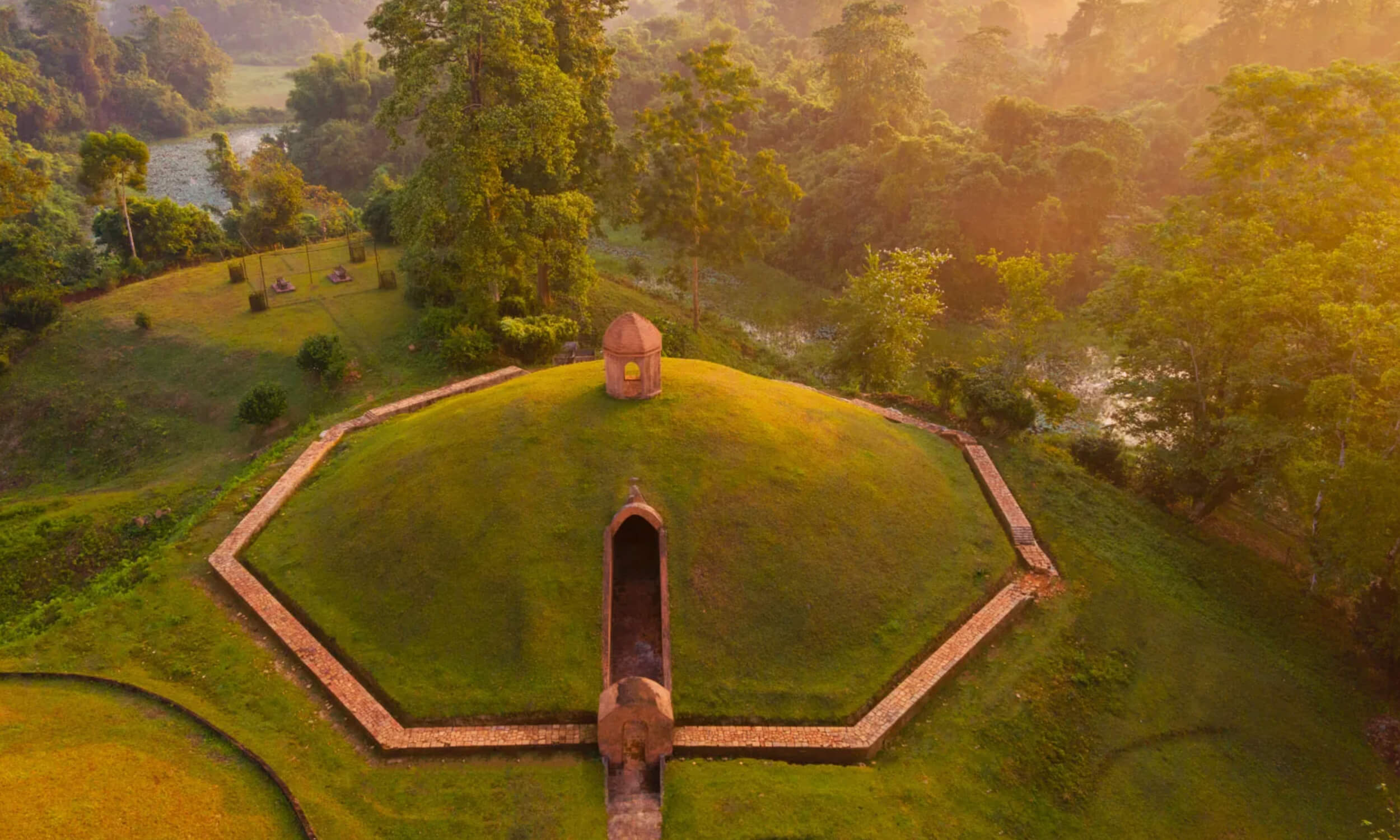
The Moidams, located in Assam, are a unique and significant archaeological site that offers a glimpse into the rich history of the Ahom dynasty. These ancient burial mounds, which have earned a place among UNESCO World Heritage Sites, serve as the royal cemeteries for the kings, queens, and nobles of the Ahom dynasty, which ruled Assam for over six centuries. The Moidams are spread across various locations in Assam, each marked by intricately constructed burial structures, reflecting the region’s royal customs and architectural craftsmanship. These mounds, often called the “Pyramids of Assam,” continue to be a valuable part of Assam’s cultural heritage, drawing interest from historians and tourists alike.
- Year of Induction: 2021
- Category: Cultural — An exceptional example of royal burial traditions, offering insights into the history, culture, and architectural achievements of the Ahom dynasty.
Ajanta Caves, Aurangabad, Maharashtra
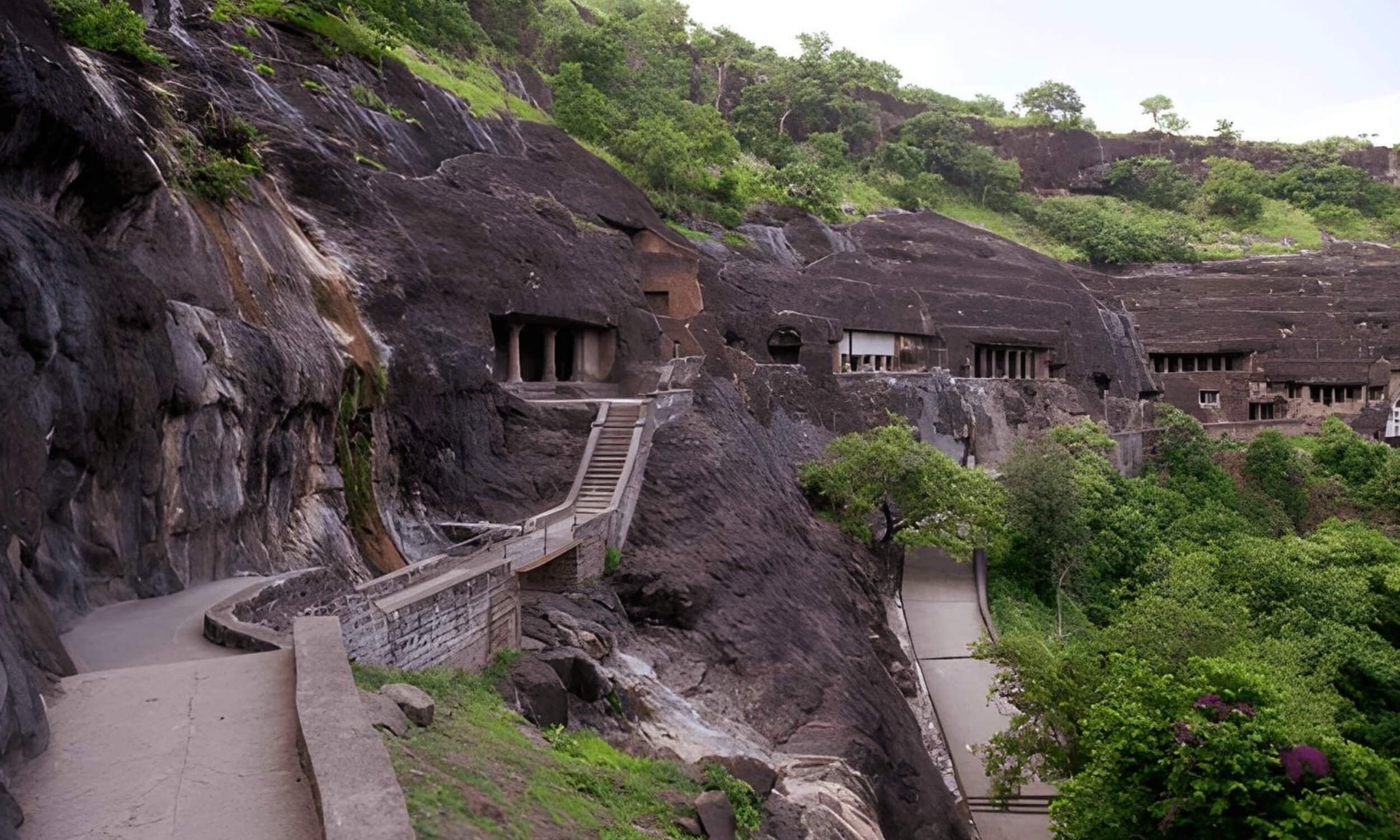
The Ajanta Caves, one of the oldest and most remarkable UNESCO world heritage sites in India, are located in Aurangabad, Maharashtra. These ancient caves date back to approximately 200 BCE to 650 CE, showcasing an extraordinary blend of Buddhist rock-cut architecture, paintings, and sculptures. The site consists of 30 caves, each offering a glimpse into the grandeur of ancient Indian art. The construction of the caves is believed to have occurred in two distinct phases: during the Satavahana period (230 BCE – 220 BCE) and the Vakataka period under King Harishena. The artistic heritage of the Ajanta Caves, particularly its intricately carved sculptures and wall murals, continues to influence the study of art and architecture. The caves are primarily known for their Buddhist monasteries, with Cave 1, Cave 2, Cave 4, and Cave 17 featuring some of the most famous Bodhisattva murals and detailed terrace paintings.
- Year of Induction into UNESCO World Heritage List: 1983
- Category of UNESCO World Heritage List: Cultural — an exceptional testimony to a living cultural tradition, a masterpiece of human creative genius, and cultural significance.
Ellora Caves, Aurangabad, Maharashtra
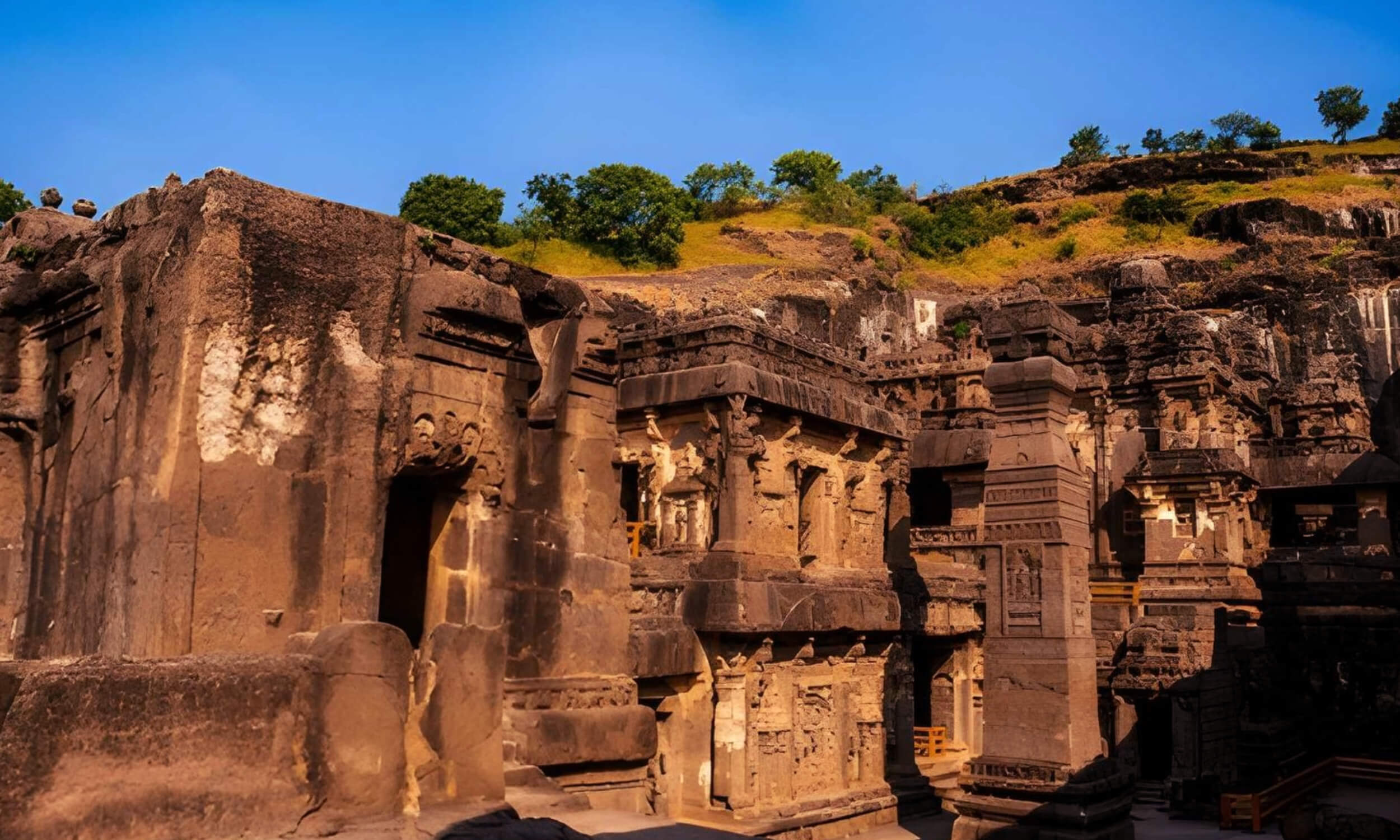
The Ellora Caves, located approximately 30 kilometers from Aurangabad. These caves, like the Ajanta Caves, are an extraordinary example of ancient rock-cut architecture and artistic craftsmanship. The Ellora Caves comprise over 100 caves, spread out in a scattered design, and represent the intersection of three major religions: Hinduism, Buddhism, and Jainism. The caves serve as an embodiment of religious harmony, with temples and monasteries dedicated to each faith. The artistic elements of the caves date back to between 600 and 1000 AD, showcasing intricate sculptures and exquisite carvings. One of the standout attractions is Cave 16, also known as the Kailash Temple, which is dedicated to Lord Shiva. This temple is recognized as the largest monolithic rock excavation in the world, further enhancing the site’s historical significance.
- Year of Induction: 1983
- Category of UNESCO World Heritage List: Cultural — an exceptional testimony to a cultural tradition and a masterpiece of human creative genius.
Agra Fort, Agra, Uttar Pradesh
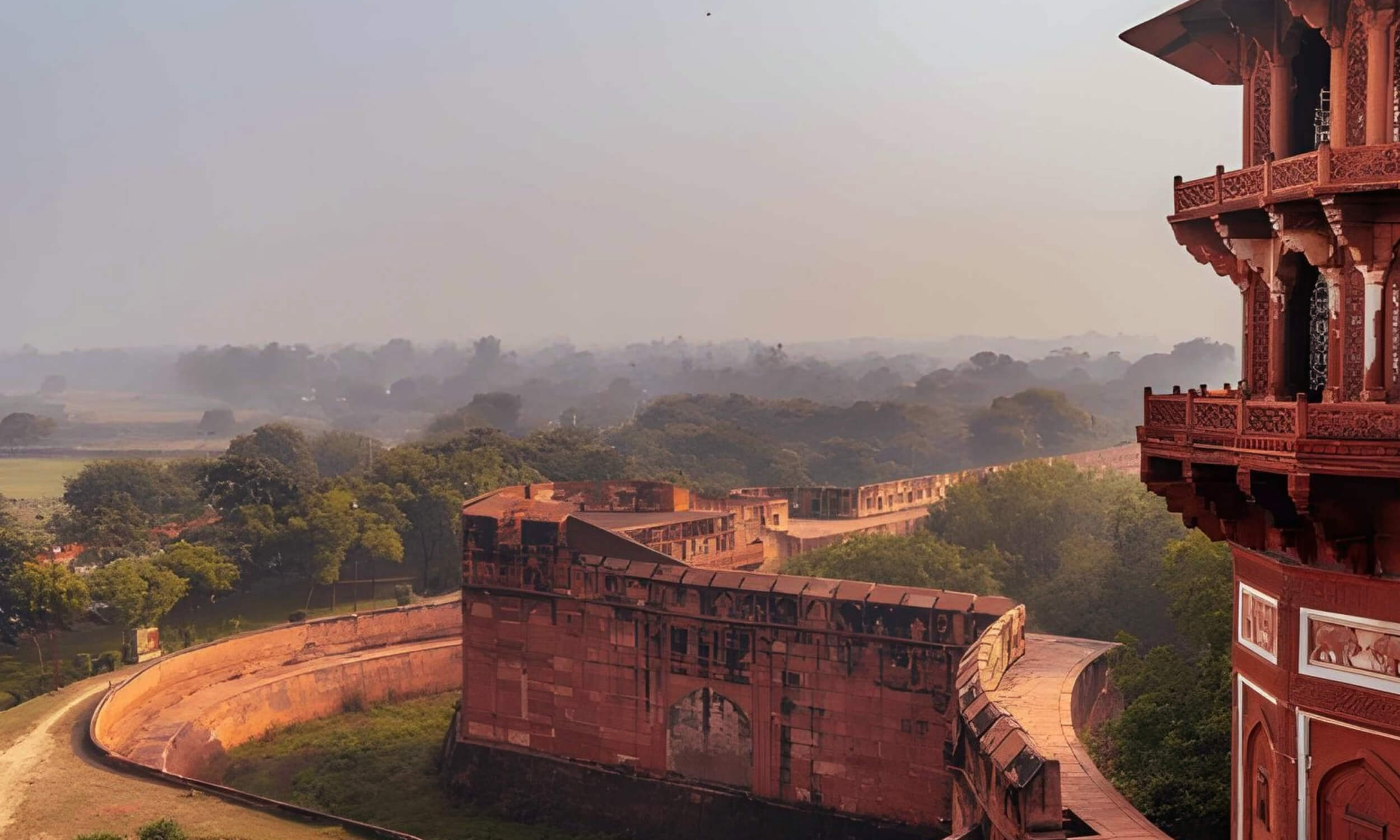
Located near the majestic Taj Mahal, Agra is a city that stands as a testament to India’s Mughal architectural legacy. The Agra Fort, once the residence of the Mughal emperors, was originally a palace of Ibrahim Lodi before being transformed into a magnificent Mughal fort under the reign of Babur. It remained the royal seat of the Mughal empire until the capital shifted. The fort is a stunning blend of Persian and Indian architectural styles. Among its many attractions, the Diwan-i-Am, a hall for public gatherings with the emperor, and the Moti Masjid, a mosque that remains closed to the public, stand out. Other notable monuments within the fort include the ruins of Akbar Mahal, Sheesh Mahal, Khas Mahal, Diwan-e-Khas, and the Nagina Masjid. As one of the significant UNESCO world heritage sites in India, Agra Fort continues to draw visitors from around the globe.
- Year of Induction: 1984
- Category of UNESCO World Heritage List: Cultural — an exceptional testimony to a cultural tradition that once thrived.
Taj Mahal, Agra, Uttar Pradesh
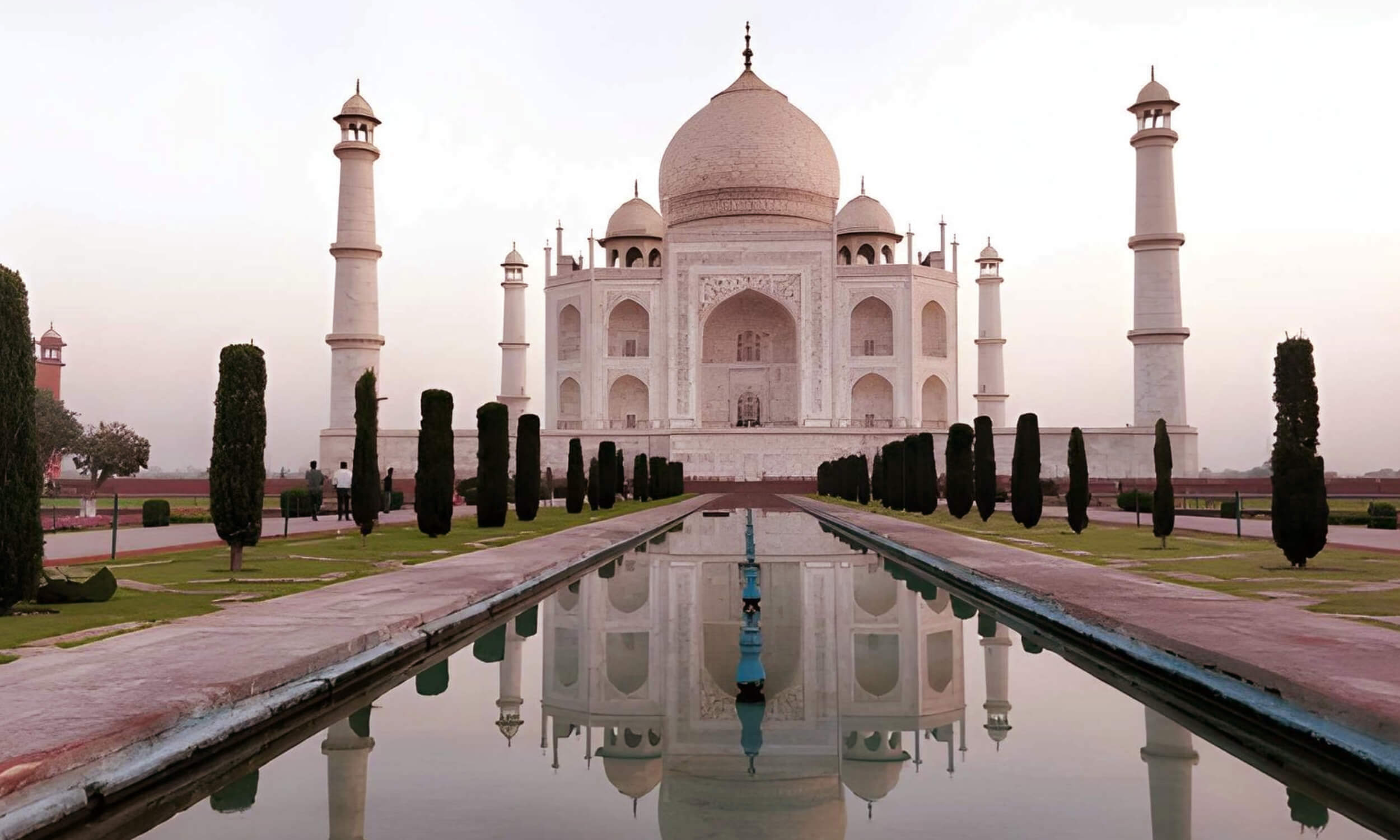
The Taj Mahal, one of the most iconic testament eternal love and an architectural masterpiece. Built by Mughal Emperor Shah Jahan in memory of his beloved wife Mumtaz Mahal, this breathtaking white marble mausoleum attracts millions of visitors each year. Situated along the Yamuna River in Agra, the Taj Mahal was constructed at a cost of approximately INR 32 million, which is now valued at around INR 58 billion. Revered as the pinnacle of Mughal architecture, it remains a testament to India’s rich cultural heritage and architectural brilliance.
- Year of Induction: 1983
- Category of UNESCO World Heritage List: Cultural — a masterpiece of human creative genius and of profound cultural significance.
Sun Temple, Konark, Odisha
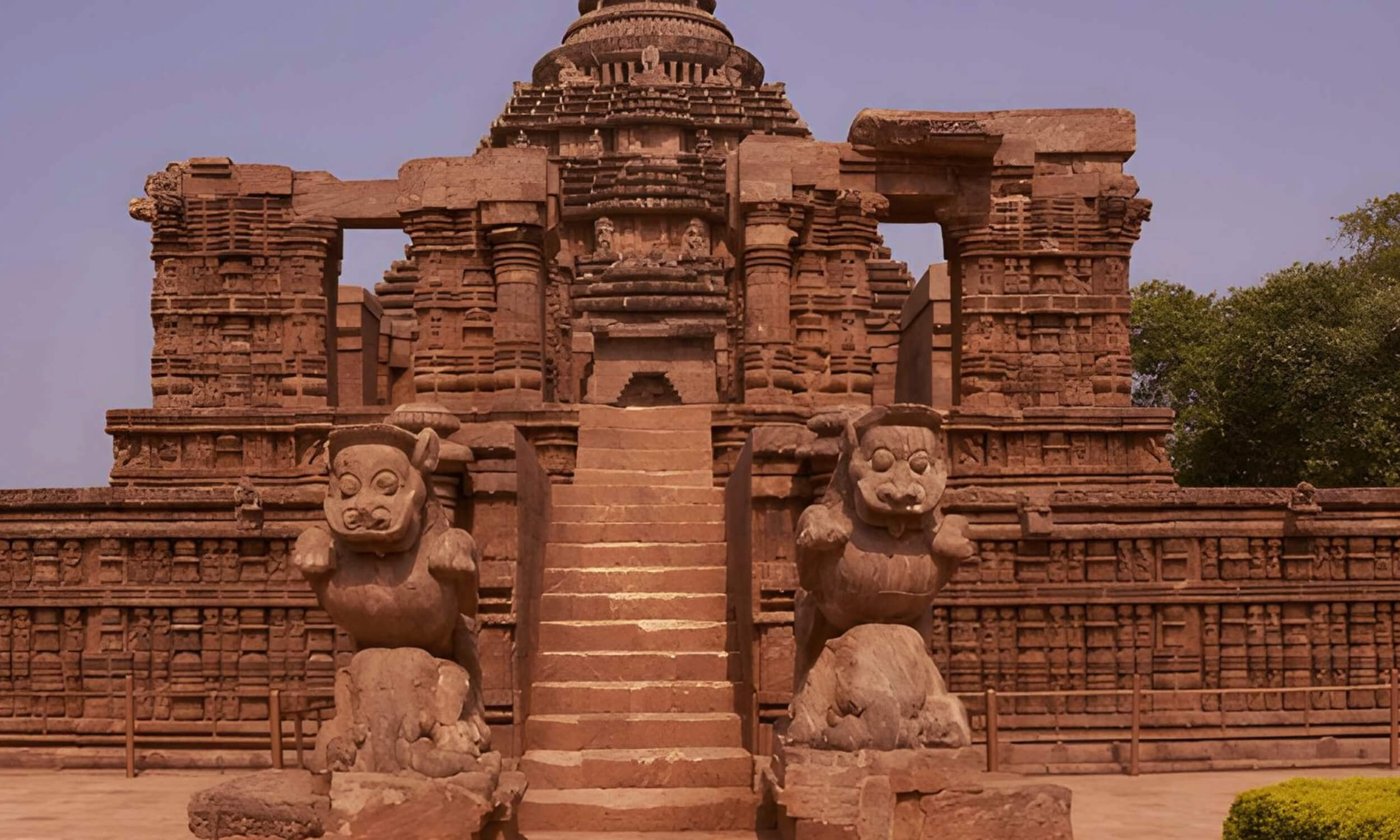
The Sun Temple in Konark, celebrated for its stunning architecture and historical importance. Built in the 13th century by King Narasimhadeva of the Eastern Ganga Dynasty, the temple is designed in the shape of a grand chariot drawn by seven horses. Though the temple now lies in ruins, its original structure, including a towering 200-meter dome, once stood as a marvel of architectural excellence. Dedicated to Surya, the Sun God, the temple remains a revered pilgrimage site for many, particularly among followers of Brahminism. The cause behind its destruction remains a mystery. Originally positioned along the banks of the Chandrabhaga River, the temple represents the Kalinga style of architecture, reflecting India’s rich cultural heritage.
- Year of Induction: 1984
- Category of UNESCO World Heritage List: Cultural — a masterpiece of human creative genius and profound cultural significance.
Group of Monuments at Mahabalipuram, Tamil Nadu
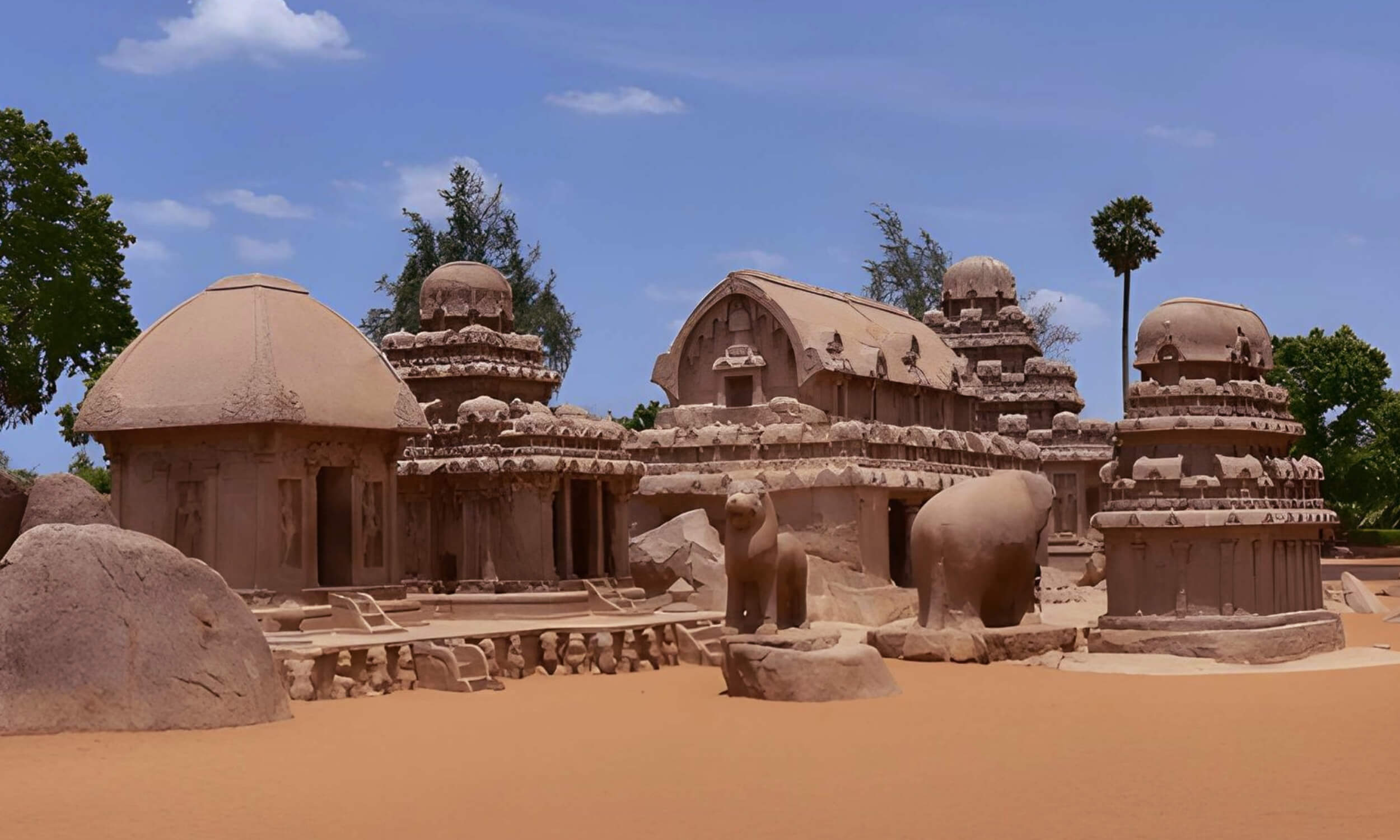
Located in the town of Mahabalipuram, just 60 km from Chennai, the Group of Monuments is one of the most renowned UNESCO world heritage sites in India. Built during the 7th century CE under the Pallava dynasty, this impressive temple complex consists of around 400 temples, showcasing the grandeur of ancient Indian architecture. Among the notable features is the famous rock relief, The Descent of the Ganges, one of the largest of its kind. Mahabalipuram is one of the most visited heritage sites in South India, drawing tourists and devotees alike. Key attractions include the Rath Temple, shaped like a horse carriage, and the cave temples, which are carved out of stone and adorned with intricate wall paintings and artwork. These rock reliefs and carvings continue to captivate historians, archaeologists, and visitors each year.
- Year of Induction: 1983
- Category of UNESCO World Heritage List: Cultural — a masterpiece of human creative genius and cultural significance.
Kaziranga National Park, Assam
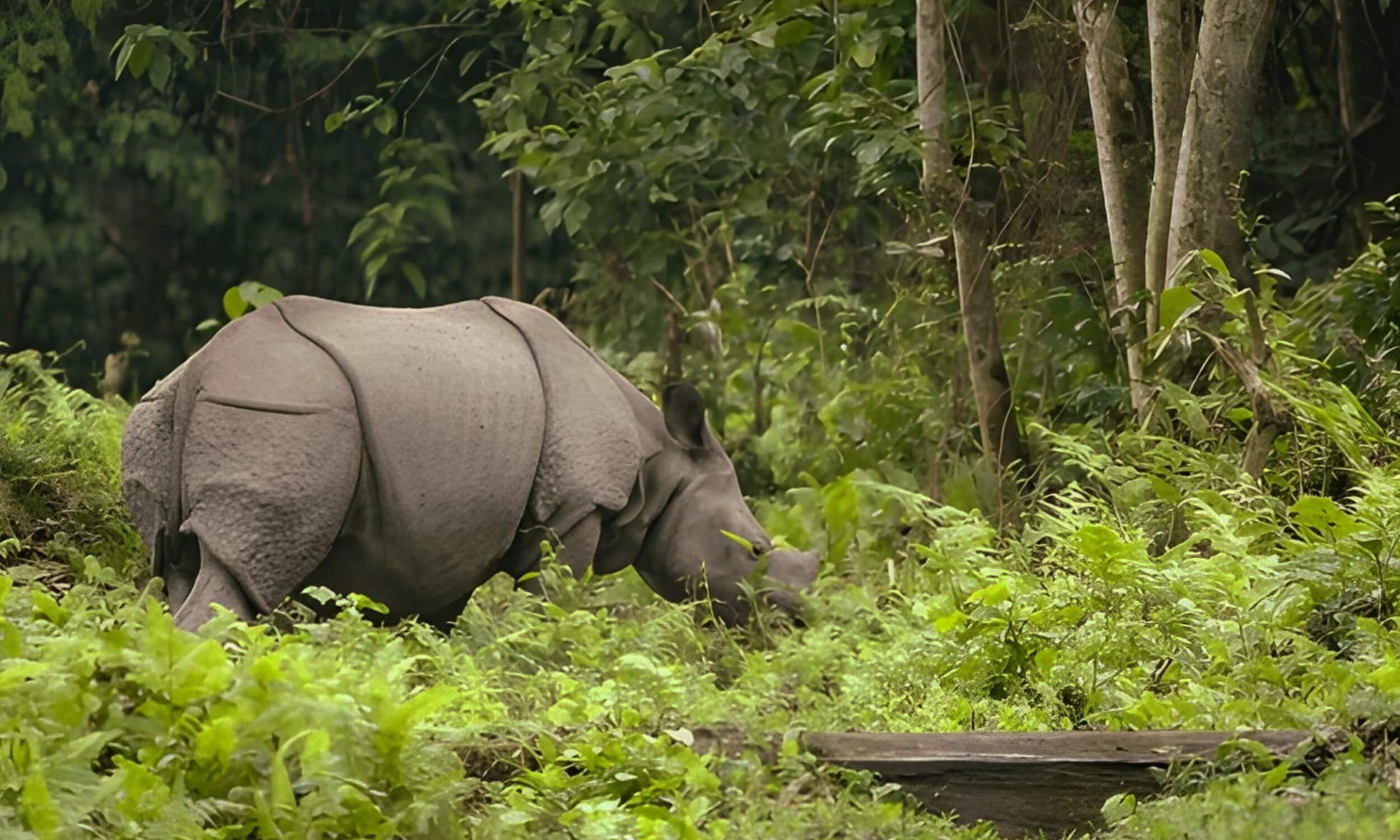
A pristine sanctuary of biodiversity, Kaziranga National Park stands as a testament to India’s commitment to natural preservation. Recognized as a UNESCO World Heritage Site in India since 1985, this park, nestled within the expansive floodplains of the Brahmaputra River, is renowned for its exceptional dedication to safeguarding the endangered one-horned rhinoceros. The park’s origins, attributed to a conservation initiative prompted by Lord Curzon’s era, have transformed it into a critical habitat for a vast array of wildlife. Beyond the iconic rhinoceros, Kaziranga shelters 15 endangered species, including the elusive Bengal tiger, the majestic water buffalo, the agile capped langur, the rare Ganges river dolphin, and the reclusive sloth bear. This natural haven showcases the untamed beauty of North-East India, offering a glimpse into a world where wildlife thrives in its most authentic state.
- Year of Induction: 1985
- Category: Natural — designated for its vital and significant natural habitats, crucial for the conservation of biological diversity, particularly for species classified as endangered.
Manas National Park, Assam
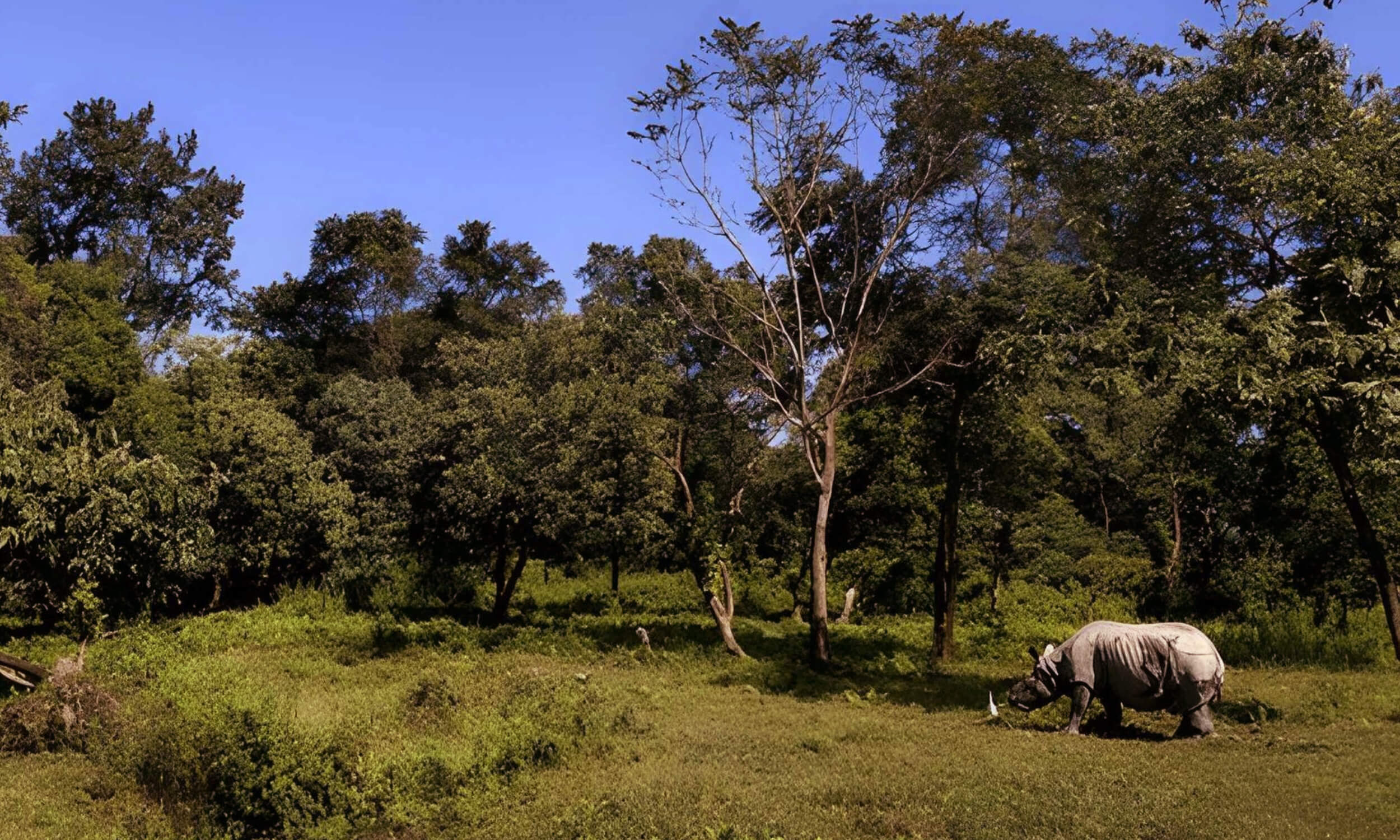
A pristine sanctuary in Assam, Manas National Park is a designated UNESCO World Heritage Site in India, recognized in 1985. Named for the Hindu Goddess Manasa and the Manas River, this 500 square kilometer reserve is a critical habitat for endangered species. It serves as a Biosphere, Elephant, and Tiger Reserve, sheltering rare wildlife like golden langurs, one-horned rhinoceroses, and Assam roofed turtles. Its lush landscapes and diverse ecosystems make it a crucial conservation area and a must-visit for nature enthusiasts.
- Year of Induction: 1985
- Category: Natural — containing important and significant natural habitats for conservation of biological diversity, including those declared an endangered species and the area of exceptional natural beauty.
Churches and Convents of Goa
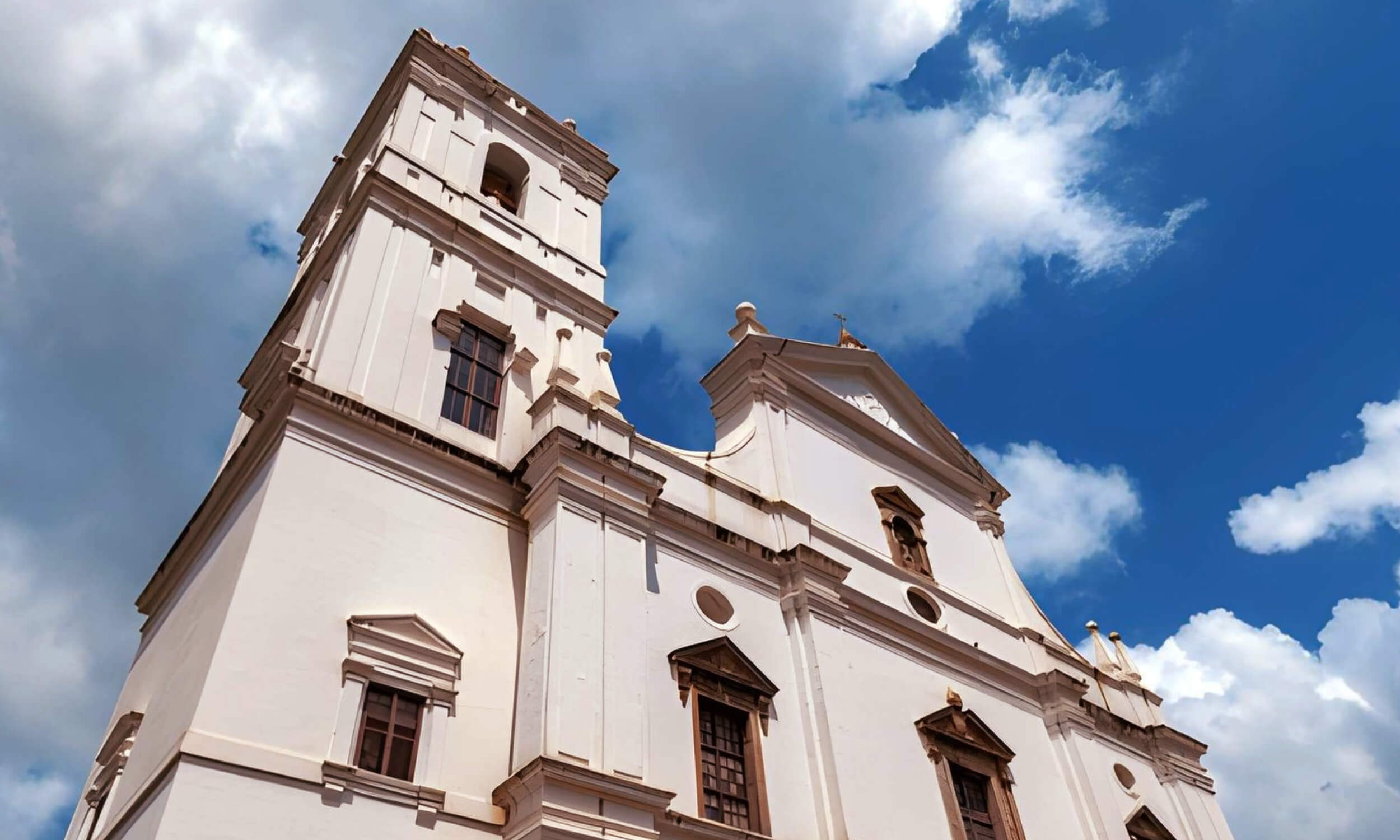
The Churches and Convents of Goa, a collection of remarkable structures, stand as prominent UNESCO World Heritage Sites in India. These monuments, including the Basilica of Bom Jesus and Se Cathedral, reflect the profound impact of Portuguese culture and the introduction of Christianity to the subcontinent. Their unique architectural blend, showcasing a fusion of Indian and European styles, attracts global admiration. These sites are recognized for their historical and cultural importance, serving as a testament to a significant period of cultural exchange.
- Year of Induction: 1986
- Category: Cultural — Exhibition of an important interchange of human values and religious significance.
Group of Monuments at Hampi, Karnataka
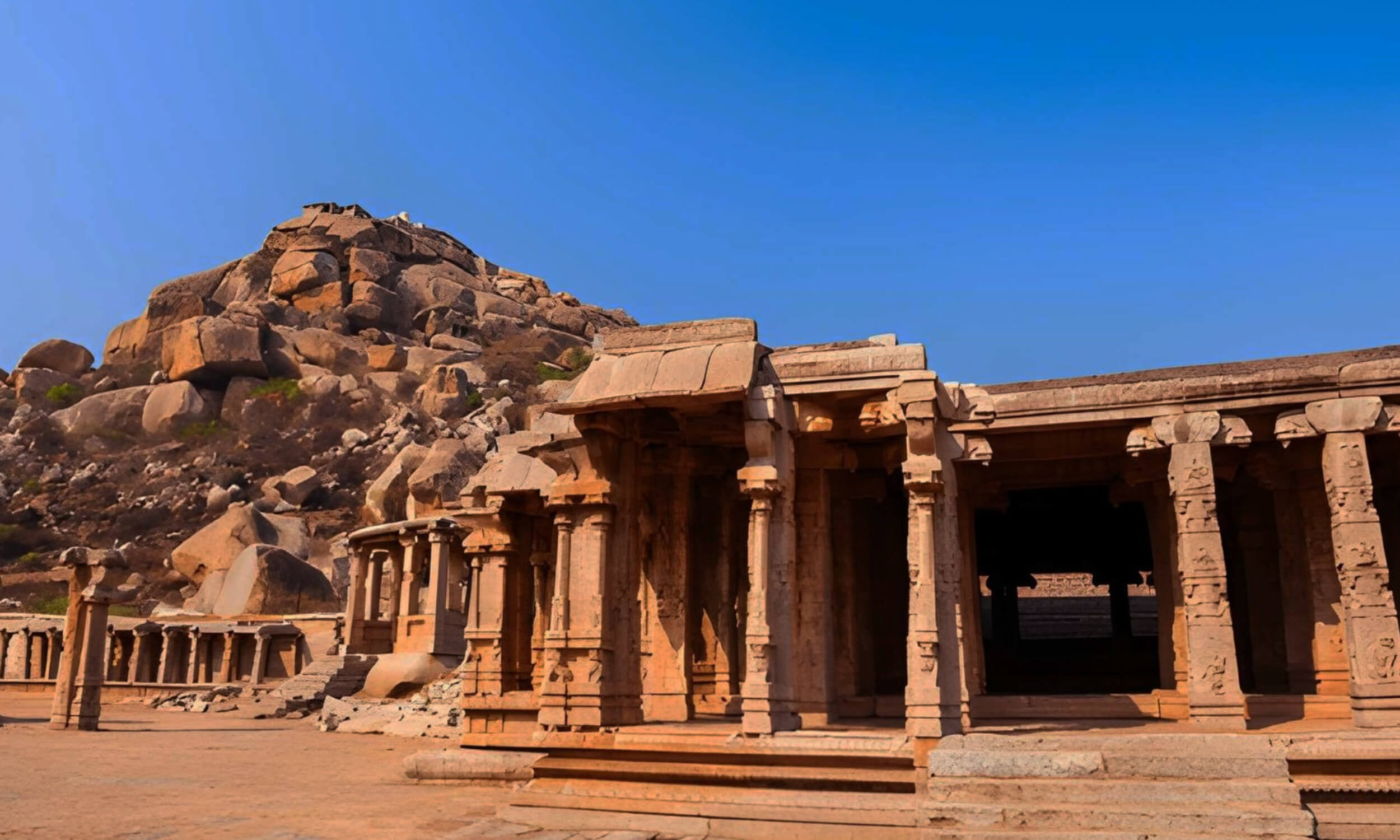
A captivating UNESCO World Heritage Site in Karnataka, Hampi showcases the remnants of the Vijayanagar Empire. Its ruins, a testament to Dravidian architectural mastery, draw visitors seeking historical and spiritual immersion. The Virupaksha Temple anchors this sacred complex, alongside other notable sites like the Krishna, Hemakuta, and Narasimha temples. Hampi’s tranquil ambiance, combined with its architectural grandeur, makes it a premier destination for those exploring India’s rich cultural heritage.
- Year of Induction: 1986
- Category:
Khajuraho Group of Monuments, Madhya Pradesh
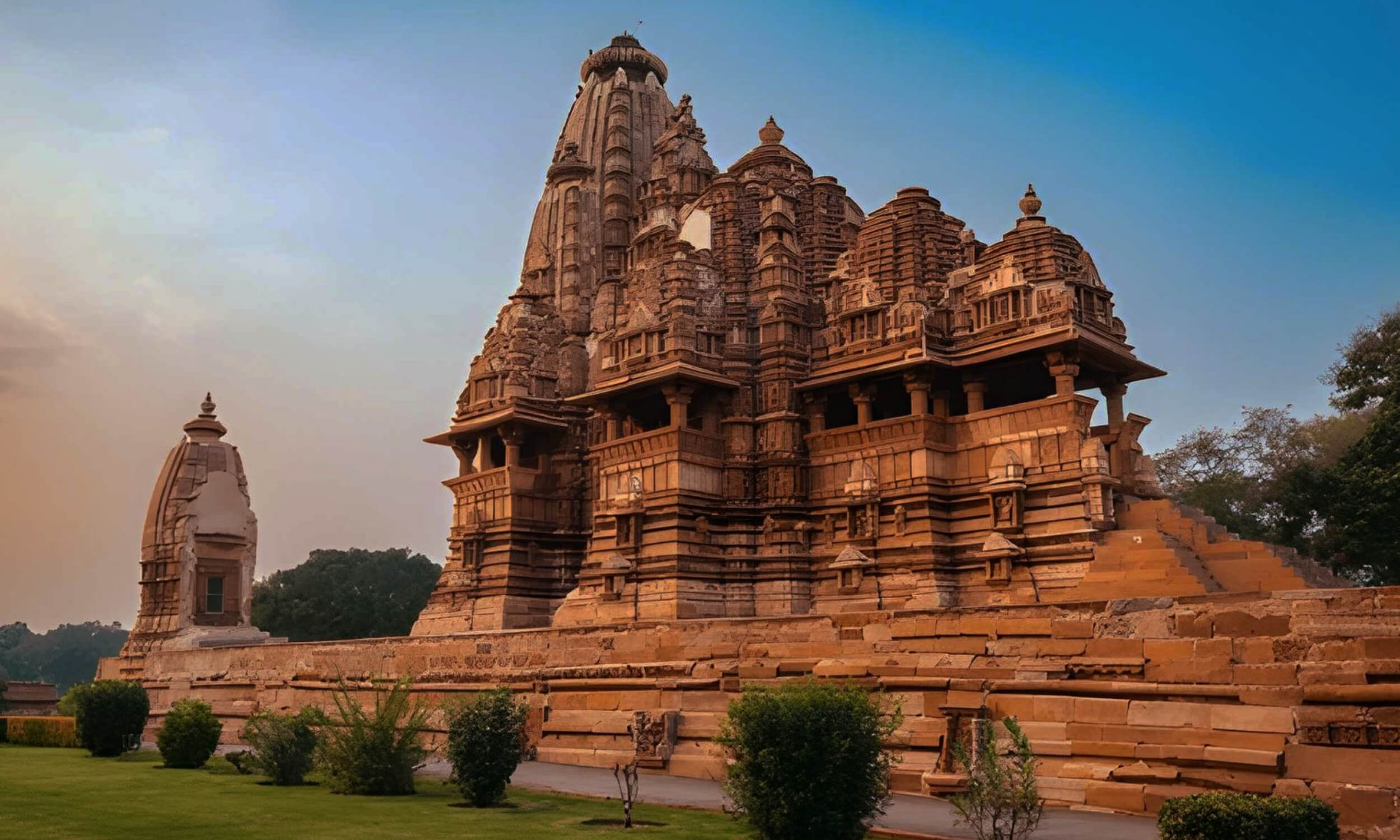
A cultural gem in Central India, the Khajuraho Group of Monuments are the ancient Hindu and Jain temples, built by the Chandela dynasty between 950-1050 AD, are renowned for their Nagara architecture and intricate erotic sculptures. The stone carvings, including depictions from the Kamasutra, and the Nandi Statue, showcase India’s rich artistic heritage. Khajuraho’s unique blend of spiritual and artistic expressions attracts visitors worldwide.
- Year of Induction: 1986
- Category:
Fatehpur Sikri, Uttar Pradesh
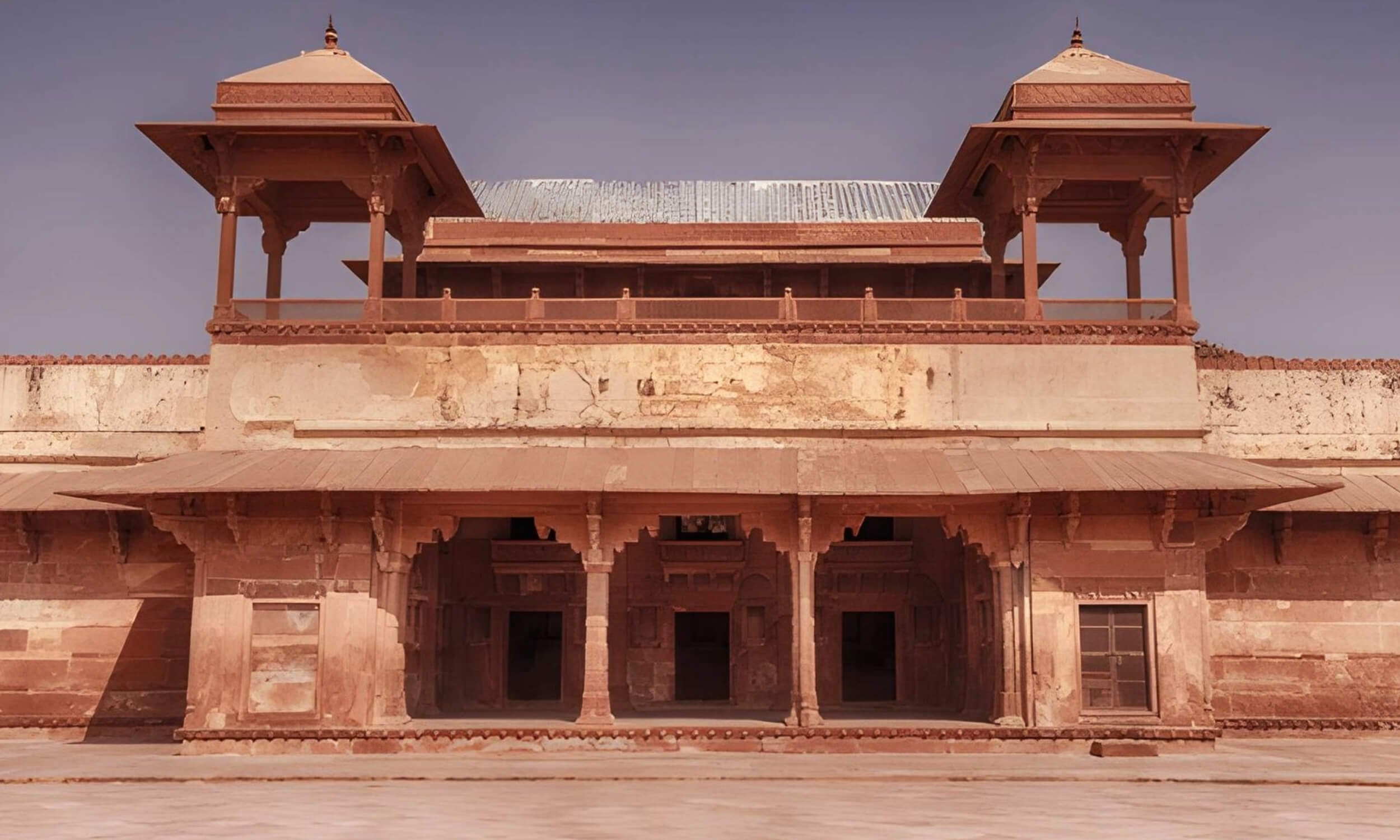
Fatehpur Sikri, a celebrated complex among India’s UNESCO World Heritage Sites, commemorates Mughal Emperor Akbar’s triumphs. This historical site, near Agra, features architectural marvels like the Jama Masjid and the Buland Darwaza, known for its unique Australian wood. The Panch Mahal and the Diwan-e-Aam/Khas further showcase Mughal grandeur. Beyond its architectural splendor, Fatehpur Sikri holds significant historical weight, housing the graves of notable Mughal military figures, and serving as a key testament to Mughal heritage.
- Year of Induction: 1986
- Category:
Elephanta Caves, Mumbai, Maharashtra
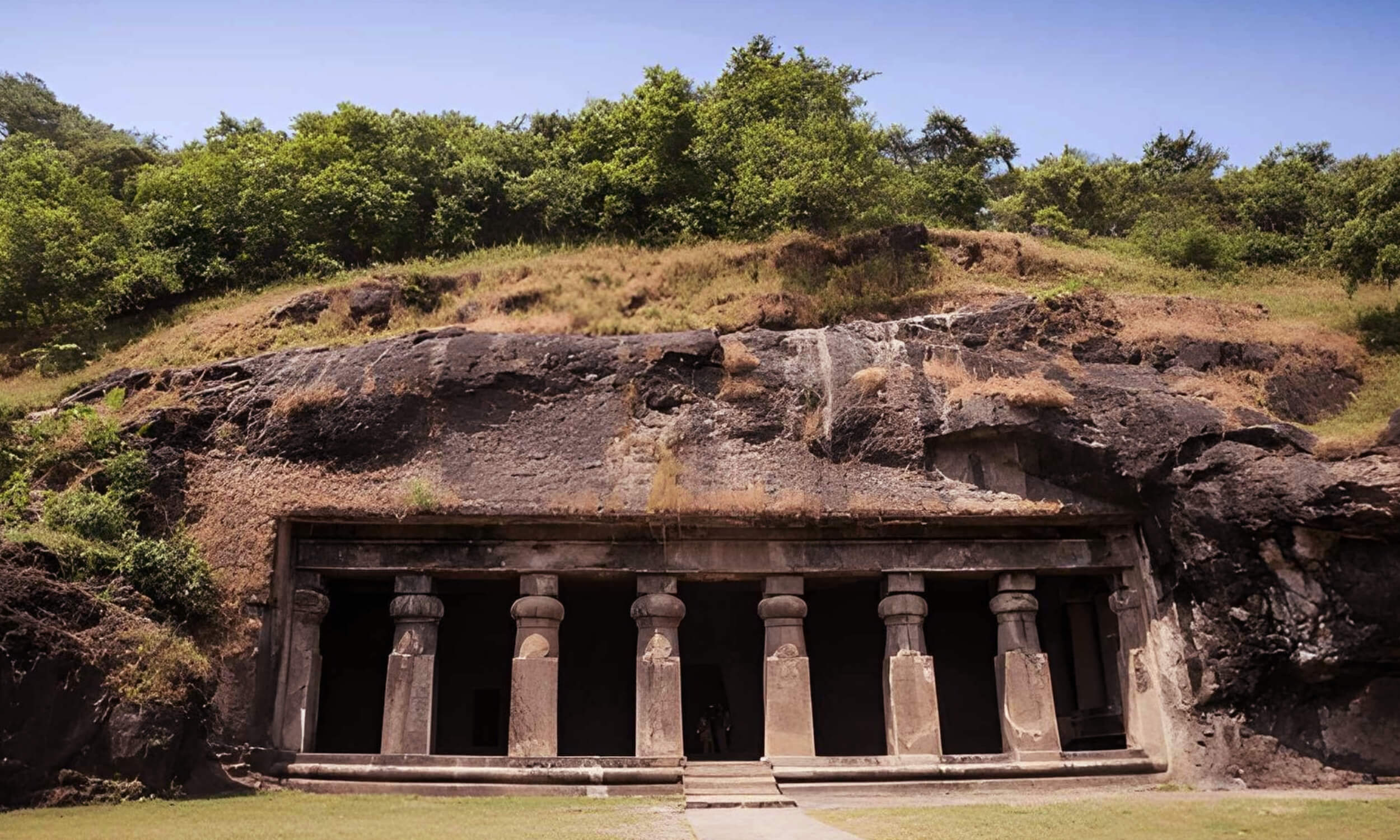
Nestled on an island in the Arabian Sea, the Elephanta Caves are a prominent example of India’s ancient artistry and a designated UNESCO World Heritage Sites. These rock-cut caves, known locally as Gharapuri, are primarily dedicated to Lord Shiva, featuring intricate sculptures that portray his various forms. Cave 1, the main cave, stands as a testament to Hindu mythology, with its walls narrating tales of Shiva. Notably, the complex also includes Buddhist caves, such as Caves 6 and 7, which illustrate the evolution of Buddhist teachings. A short ferry ride from Mumbai’s coast transports visitors to this historical marvel, offering a glimpse into India’s rich cultural and religious heritage.
- Year of Induction: 1987
- Category:
Great Living Chola Temples, Thanjavur, Tamil Nadu
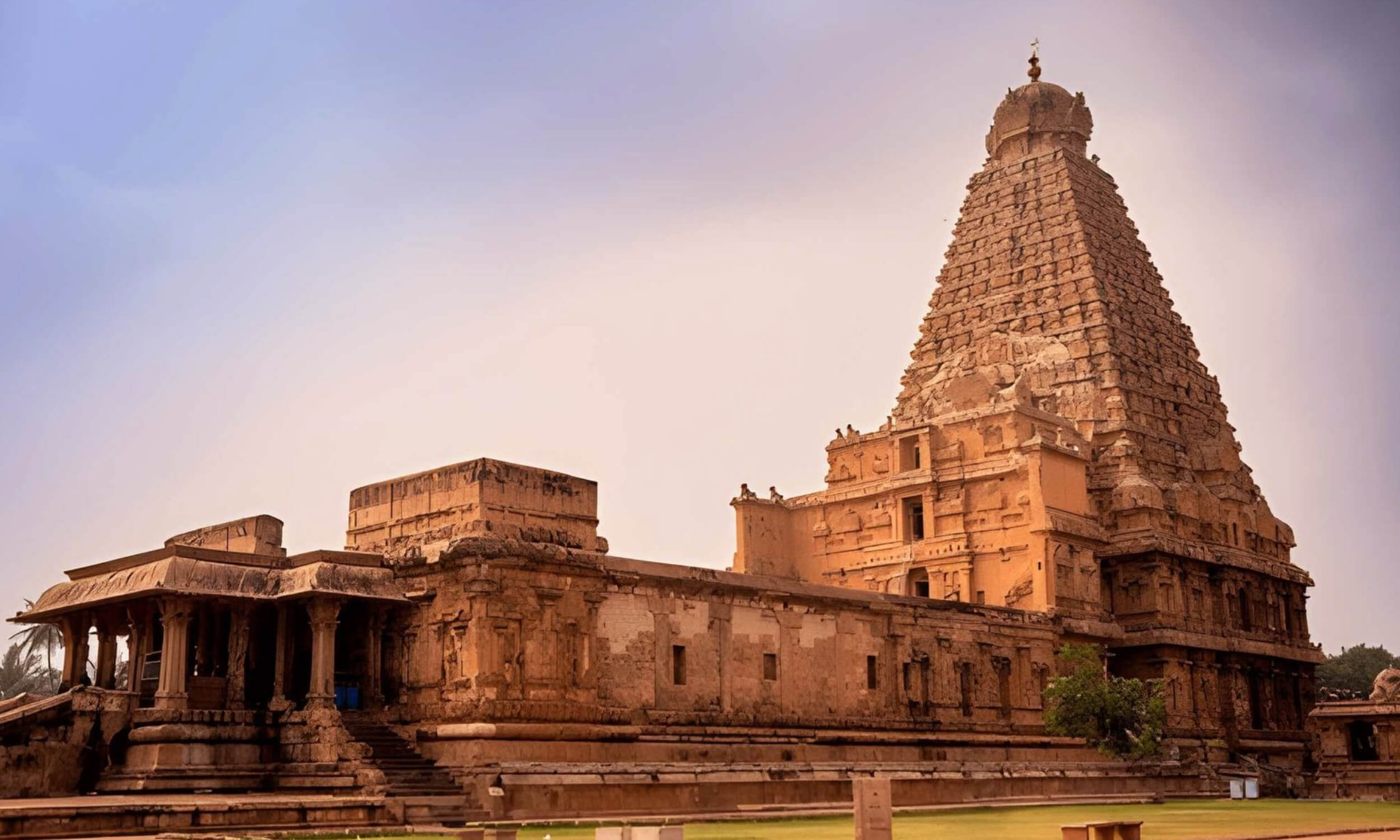
The Great Living Chola Temples, a cluster of architectural masterpieces, including the Brihadisvara, Gangaikonda Cholapuram, and Airavatesvara, are testaments to the Chola Empire’s artistic and engineering prowess. Brihadisvara, commissioned by Raja Raja I, is particularly renowned for its grandeur and the sacred linga of Lord Shiva. Gangaikonda Cholapuram, also by Raja Raja I, commemorates his northern victories, while Airavatesvara, by Raja Raja II, further showcases Chola devotion to Shiva. These temples, with their intricate carvings and towering structures, draw devotees and tourists alike, hosting vibrant festivals that celebrate Tamil Nadu’s rich cultural heritage.
- Year of Induction: 1987
- Category:
Sundarban National Park, West Bengal
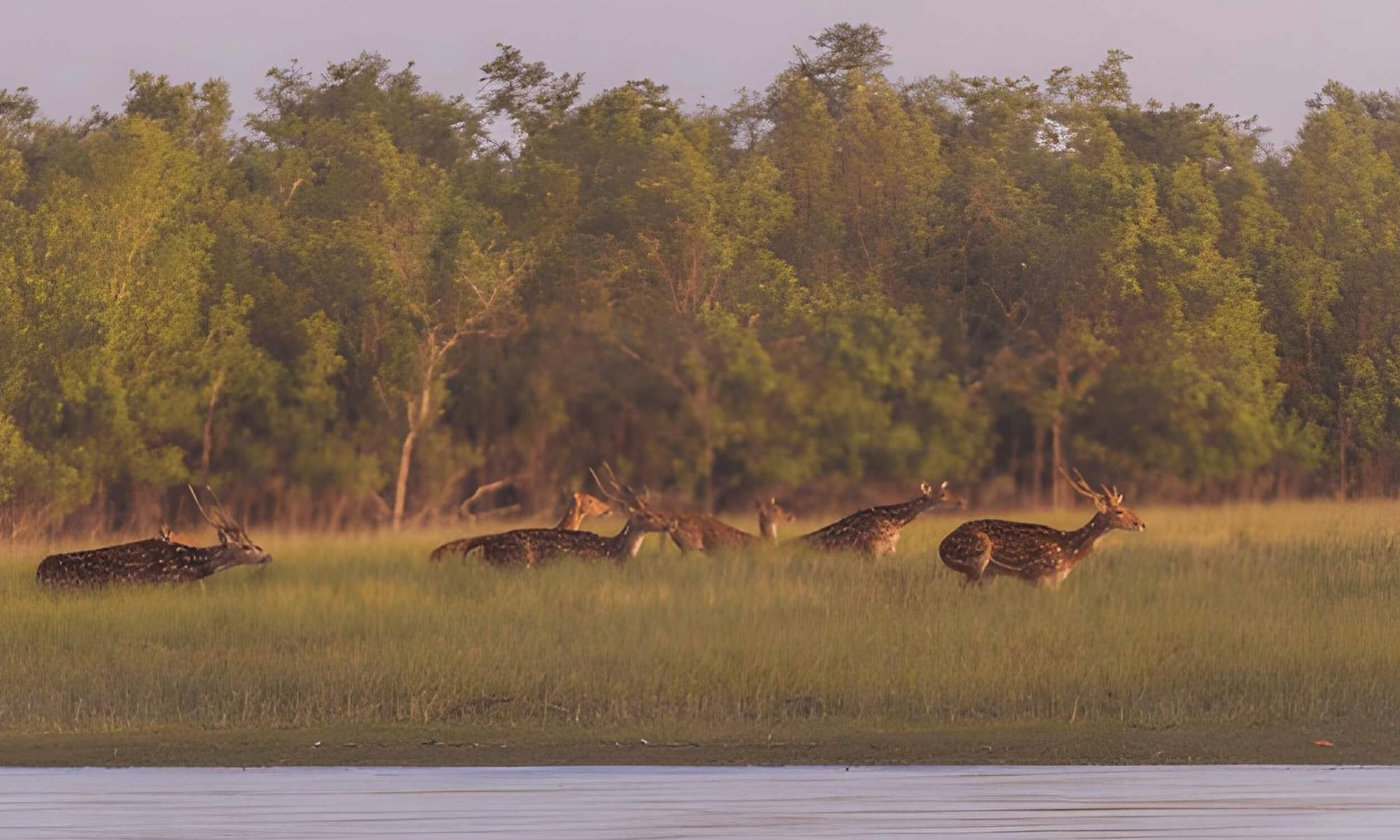
Sundarban National Park, a vital component of India’s UNESCO World Heritage Sites, stands as a crucial tiger reserve and biosphere. Located in the Sundarban delta, where the Ganga meets the Bay of Bengal, it encompasses India’s largest mangrove forest. This unique ecosystem provides a sanctuary for the Royal Bengal Tiger, alongside Gangetic dolphins, wild boars, spotted deer, and the formidable saltwater crocodile. The park is recognized for its significant ecological processes and its role in protecting endangered species, making it a critical natural treasure. Its unique ecosystem is a natural wonder.
- Year of Induction: 1984
- Category: Natural — significant to ongoing ecological process and home to endangered species necessary for the natural cycle.
Buddhist Monuments at Sanchi, Madhya Pradesh
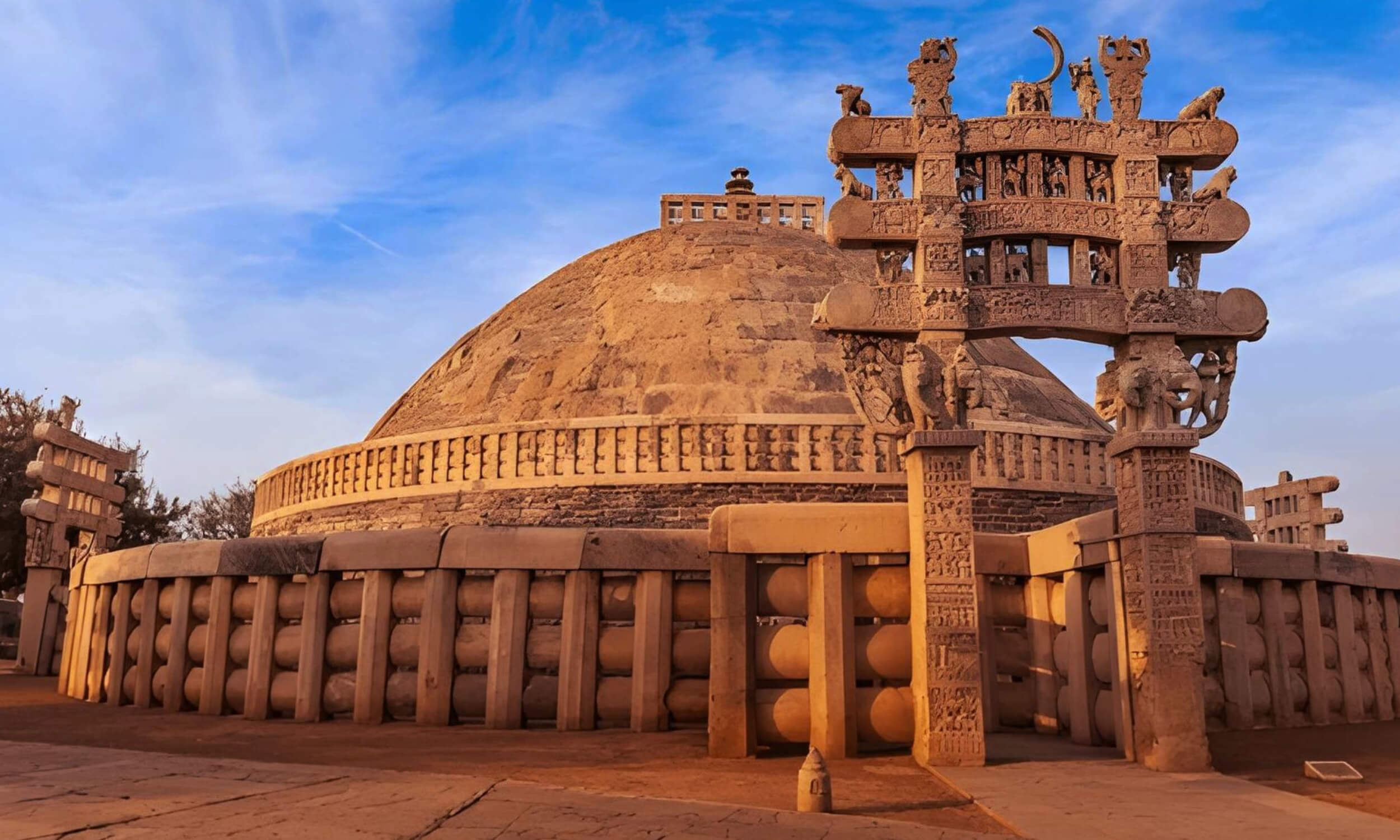
The Buddhist Monuments at Sanchi, a collection of India’s oldest stone structures is located near Bhopal. These monuments, initiated by Emperor Ashoka in the 3rd century BCE, embody key aspects of Buddhist philosophy. While the stupa faced damage in the 2nd BCE and was later restored during the Satavahana period, the site retains its historical and religious importance. The complex features various temples and monasteries, including the iconic Ashoka Pillar and Temple 40. Subsequent rulers added to the site, creating a rich tapestry of Buddhist architecture, making Sanchi a vital heritage destination.
- Year of Induction into UNESCO World Heritage List: 1988
- Category of UNESCO World Heritage List: Cultural — exceptional testimony to a cultural tradition which lives or ever lived, Masterpiece of Human creative genius, an example of traditions of human settlements, religious significance and of cultural significance and exhibition of an important interchange of human values.
Humayun’s Tomb, Delhi
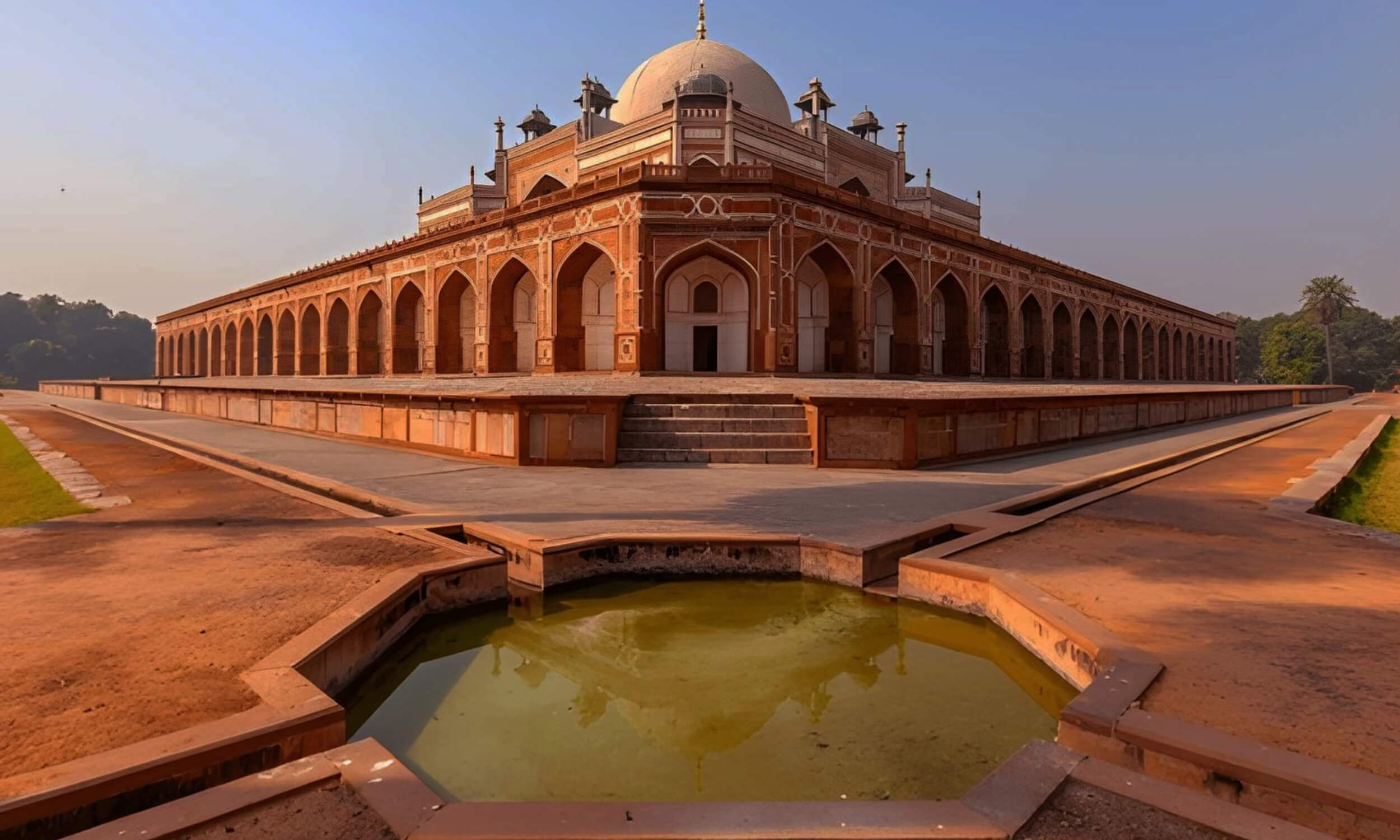
A prominent landmark in Delhi, Humayun’s Tomb, is a significant example of Mughal architecture and one of India’s esteemed UNESCO World Heritage Sites. Commissioned by Empress Bega Begum in 1569, this tomb, dedicated to Emperor Humayun, draws countless domestic and international visitors. Its UNESCO designation in 1993 has further amplified its historical and architectural importance. The complex also houses other notable monuments, including Isa Khan’s tomb, which predates Humayun’s, adding layers of historical depth to this iconic site. It’s a must-see for those exploring Delhi’s rich Mughal heritage.
- Year of Induction: 1993
- Category:
Qutub Minar and Monuments, Delhi
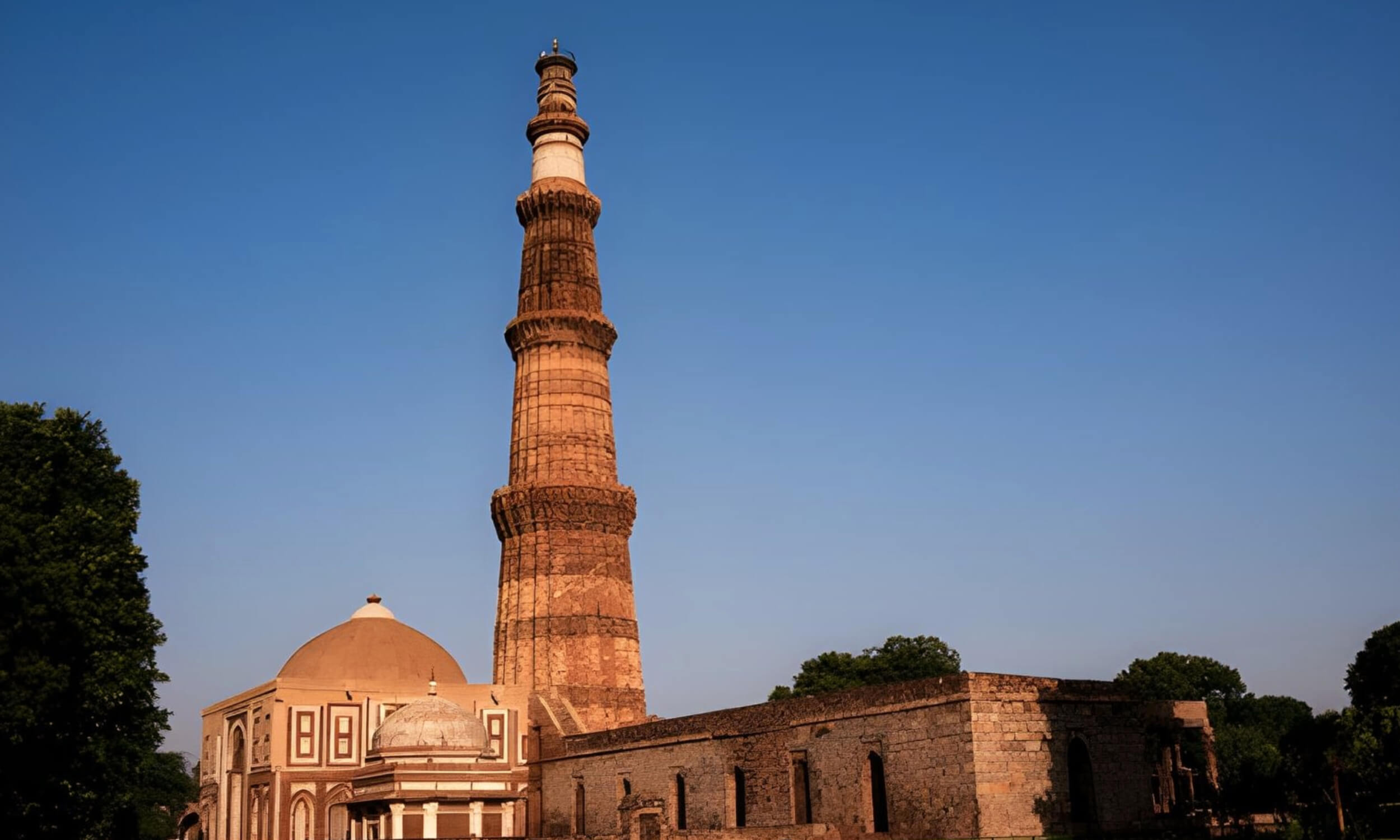
The Qutub Minar complex, a collection of historical structures, is recognized as one of India’s prominent UNESCO World Heritage Sites. Qutub Minar itself, a towering 73-meter monument, stands as one of India’s oldest surviving structures. Initiated by Qutub al-Din Aibak in 1192 and completed by Iltutmish in 1220, this red sandstone and marble marvel showcases medieval architectural brilliance. The complex encompasses other significant monuments, including the Quwwat-ul-Islam mosque, the Iron Pillar, the Tomb of Iltutmish, Ala-ud-din Khilji’s Tomb, and the unfinished Alai Minar. Its rich history and architectural grandeur make it a must-visit destination.
- Year of Induction: 1993
- Category:
Mountain Railways of India
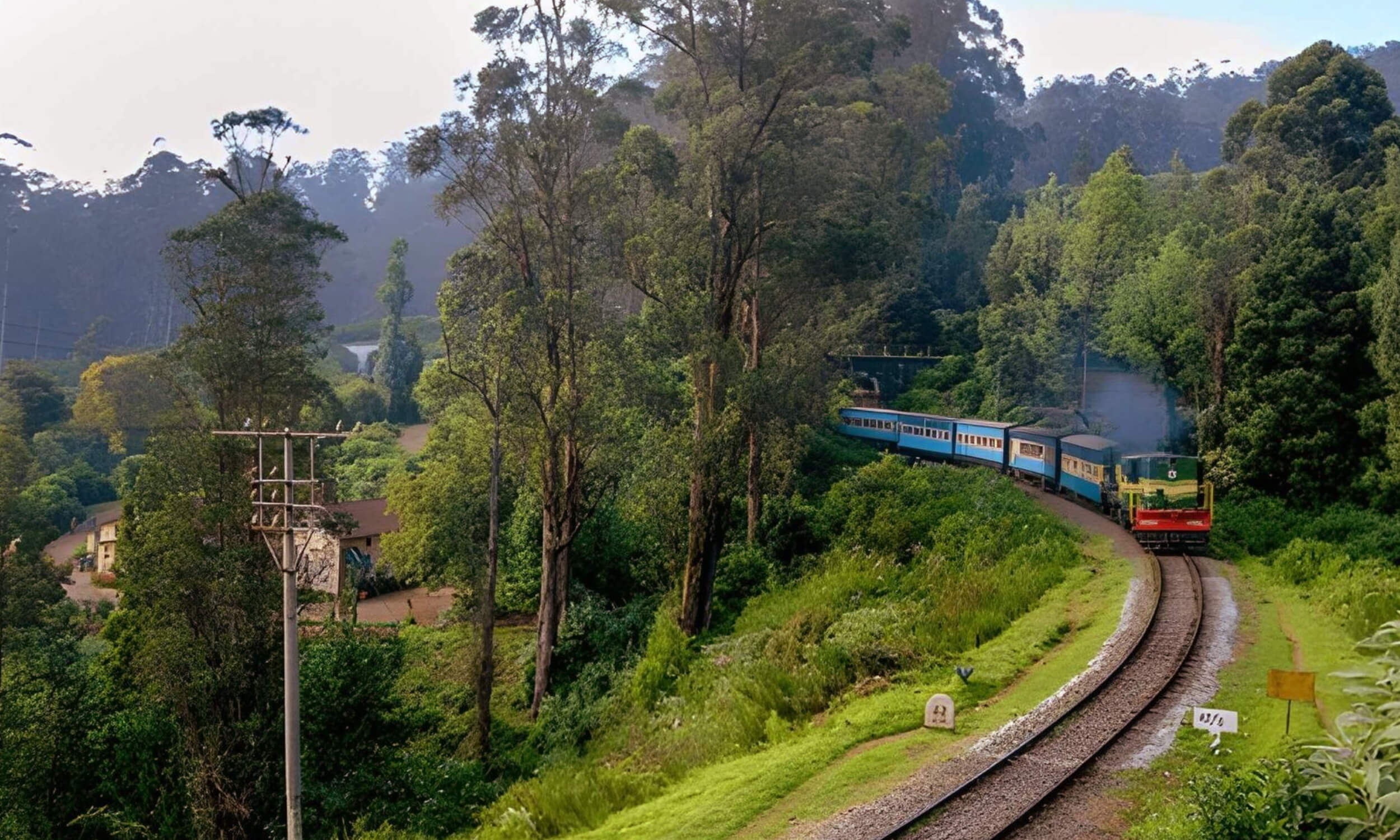
India’s railway network currently operates five narrow-gauge “Toy Train” routes, of which three have earned the prestigious distinction of being UNESCO World Heritage Sites in India. These include the Darjeeling Himalayan Railway, the Kalka-Shimla Railway, and the Nilgiri Mountain Railway. These heritage routes offer a unique experience to travelers, with scenic journeys winding through spectacular mountain landscapes. Every year, both domestic and international tourists flock to ride these historic trains, which provide unmatched views of lush valleys and rolling hills.
- Year of Induction: 1999
- Category: Cultural
Mahabodhi Temple Complex, Bodhgaya, Bihar
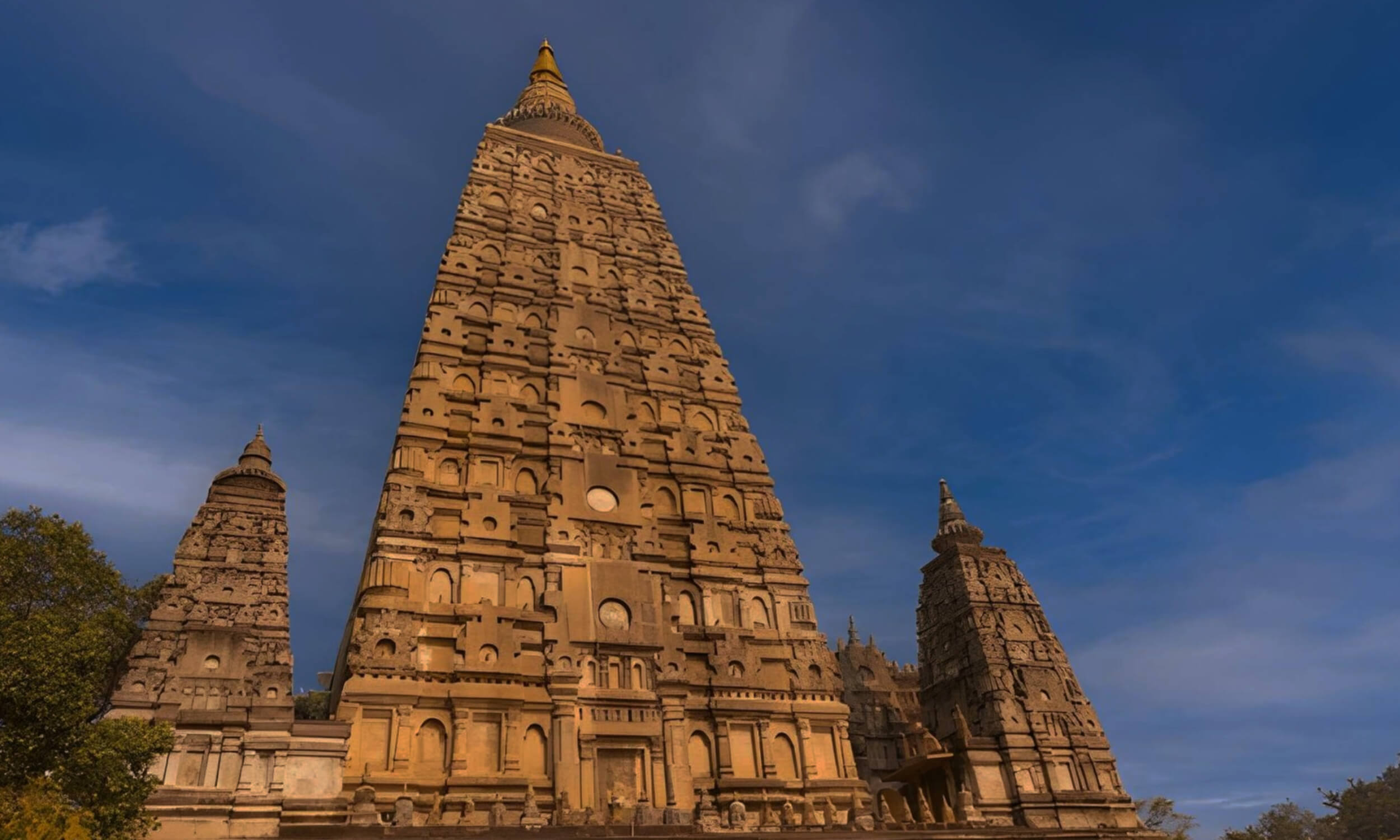
The Mahabodhi Temple, located in Bodhgaya, Bihar, stands as a profound symbol of Buddhism, marking the very spot where Lord Buddha attained enlightenment. Recognized as one of the holiest places for Buddhists worldwide, the temple attracts pilgrims and tourists alike. Built by Emperor Ashoka in 250 BC, it is among the oldest temples in existence. The iconic Bodhi tree, beneath which Buddha meditated, still thrives, adding to the temple’s spiritual significance. The sacred chants of “Buddham saranam gacchami, Dhammam saranam gacchami, Sangham saranam gacchami” fill the air, creating a serene and peaceful atmosphere.
- Year of Induction: 2002
- Category: Cultural — Exceptional testimony to a cultural tradition which has lived or still exists, a masterpiece of human creative genius, an example of religious and cultural significance, and a site demonstrating an important interchange of human values.
Chhatrapati Shivaji Terminus, Mumbai
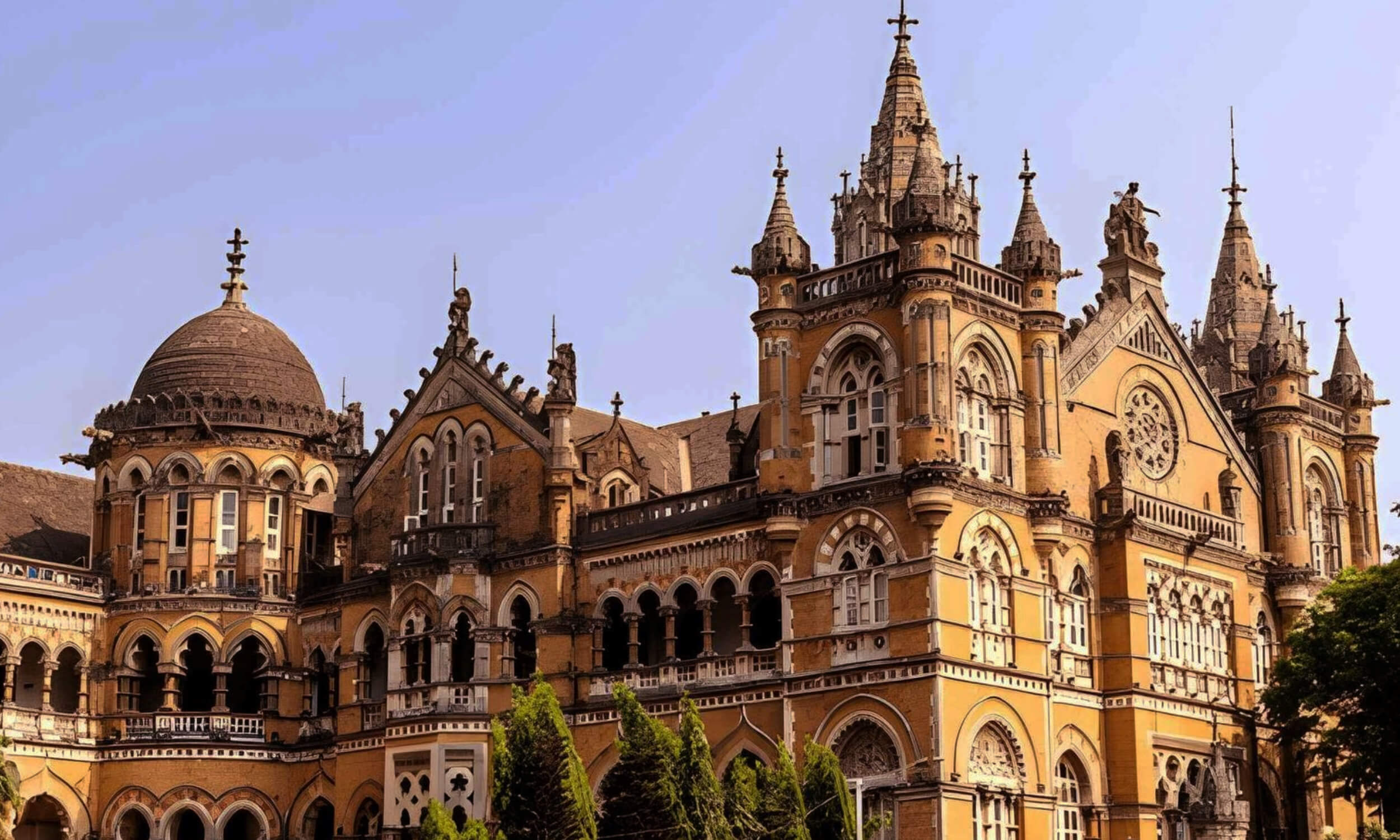
Formerly known as Victoria Terminus, Chhatrapati Shivaji Terminus in Mumbai serves as the operational headquarters of the Central Railway. Constructed between 1878 and 1888, this iconic building was designed by architect Frederick William Stevens, drawing inspiration from Mughal architecture as well as Greek Revival styles. The station showcases a unique blend of Western architectural elements and traditional Indian palace designs, making it an architectural marvel. Declared a UNESCO World Heritage Site in India in 2004, the terminus stands as a remarkable example of the fusion of different cultural influences, highlighting the rich colonial history of Mumbai.
- Year of Induction: 2004
- Category: Cultural
Champaner-Pavagadh Archaeological Park, Gujarat
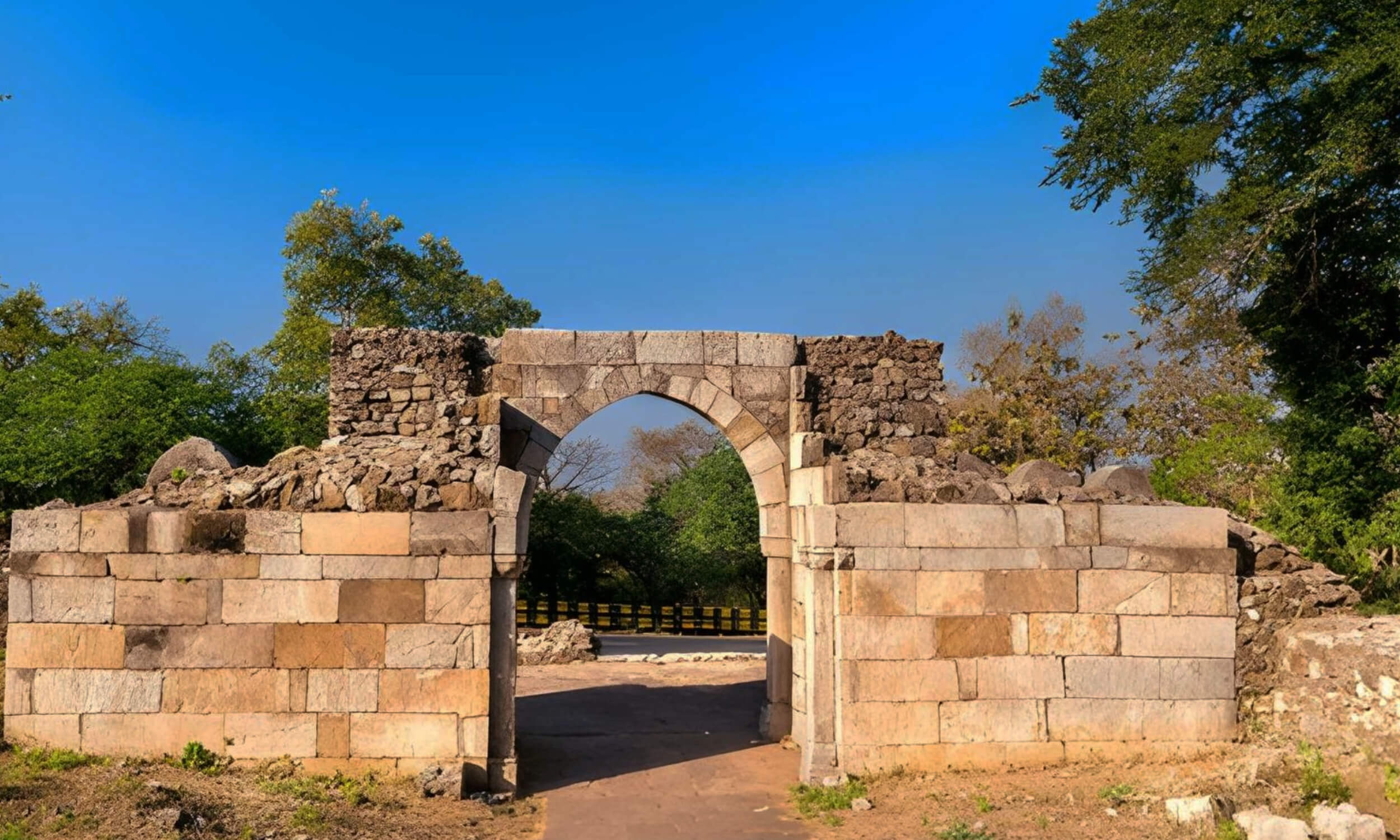
Situated in the Panchmahal district of Gujarat, the Champaner-Pavagadh Archaeological Park, a historic site in West India is primarily centered around the town of Muhammadabad (modern-day Champaner), was established by Sultan Mahmud Begada. The park is home to 11 different types of heritage monuments, including temples, mosques, tombs, and fortifications, reflecting the rich cultural transition from Hindu to Muslim architecture. With a total of 114 monuments in the area, 39 are maintained by the Archaeological Survey of India (ASI). Notable landmarks include the Sakar Khan’s Dargah, Sahar ki Masjid, the Main Fortress, Pavagadh Fort, and the ancient Hindu and Jain temples perched atop Pavagadh Hills.
- Year of Induction: 2004
- Category: Cultural
Red Fort Complex, Delhi
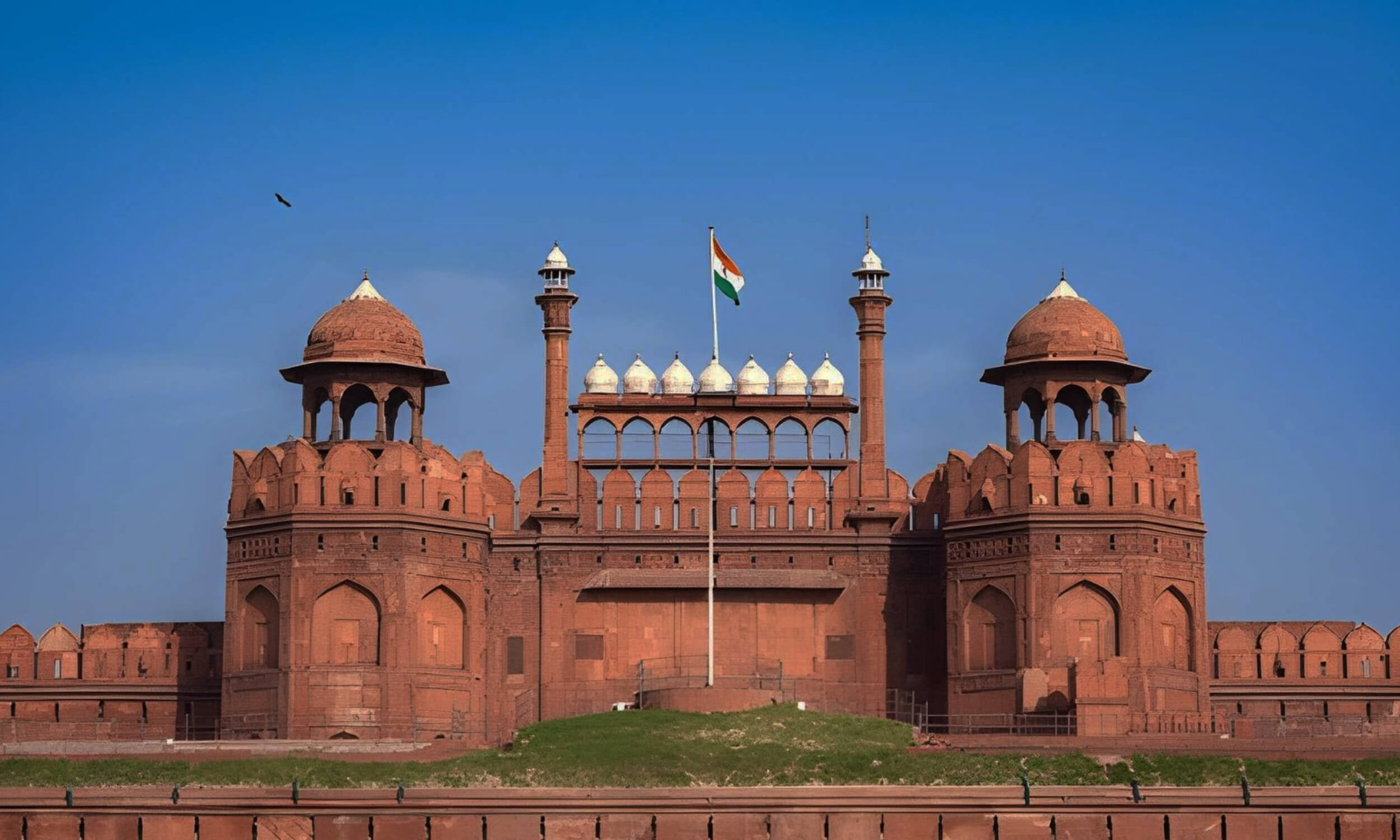
The Red Fort, one of Delhi’s most iconic landmarks, is a true testament to the grandeur of Mughal architecture. Commissioned by Emperor Shah Jahan in the 17th century, the fort served as the Mughal Empire’s royal residence for nearly 200 years, as well as its political and cultural hub. Constructed using red sandstone, it exemplifies the distinct Mughal architectural style. The fort holds immense historical significance, particularly in India’s freedom struggle, as it was from here that Jawaharlal Nehru, the first Prime Minister of India, delivered his famous speech. Situated on the banks of the Yamuna River, the Red Fort now houses several museums that offer a glimpse into Mughal history. Key attractions within the complex include the Diwan-i-Aam, Diwan-i-Khas, Mumtaz Mahal, Baoli, and the Moti Masjid.
Category: Cultural
Western Ghats
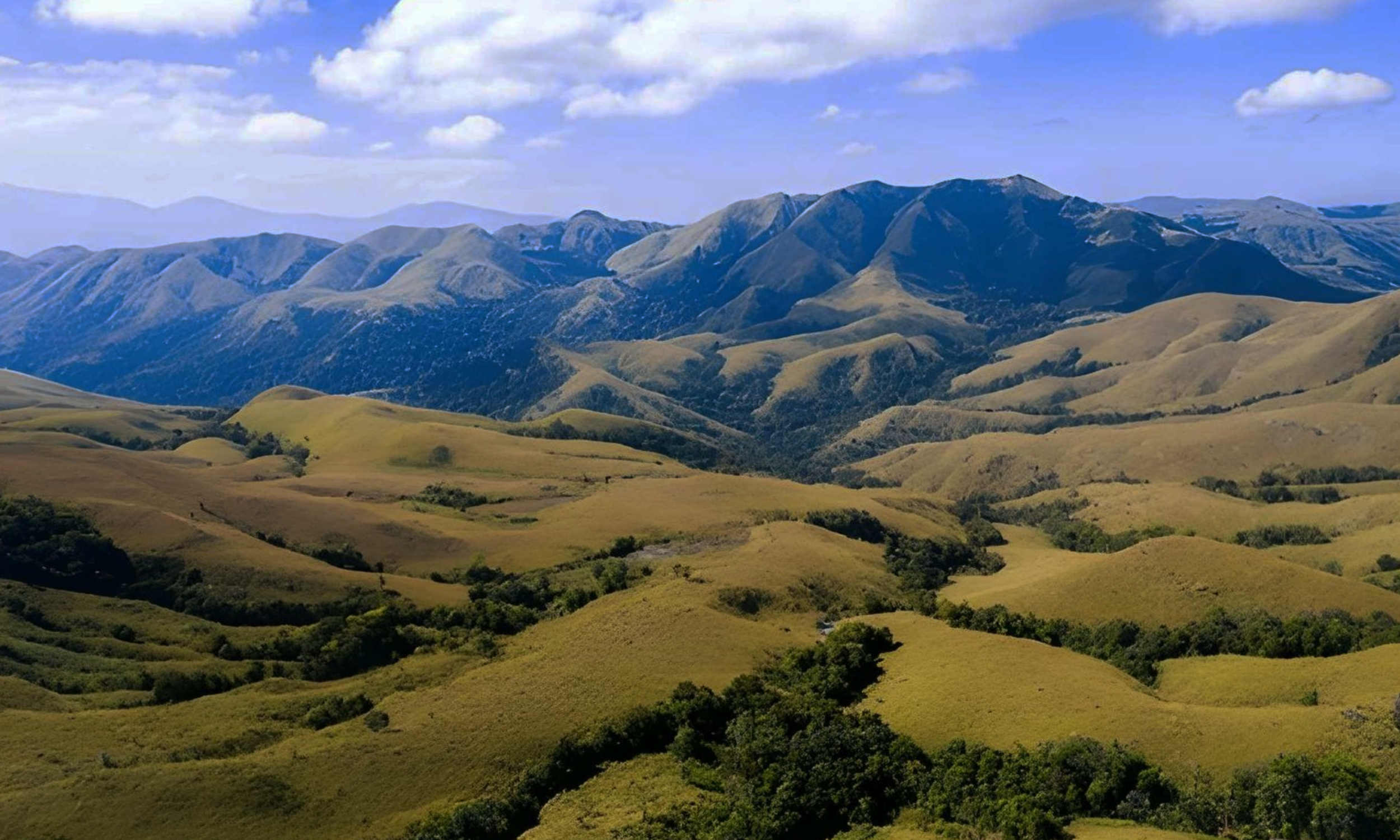
The Western Ghats, in stark contrast to the rugged mountains of North India, offer a lush and diverse landscape that stretches along the western edge of the Deccan Plateau. The Ghats spans from Gujarat in the north to Kerala in the south, passing through Maharashtra, Goa, Karnataka, and Tamil Nadu. The Western Ghats encompass several national parks and biodiversity reserves, particularly in Karnataka, Kerala, and Tamil Nadu. This mountain range is a haven for some of the world’s most endangered species of plants and animals, and its ecological significance led to its designation as a UNESCO World Heritage Site. The range plays a crucial role in conserving biodiversity and supporting vital ecological processes.
- Year of Induction: 2012
- Category: Natural — Representing ongoing ecological and biological processes in the evolution of terrestrial and aquatic species and providing important habitats for the conservation of biological diversity.
Hill Forts of Rajasthan
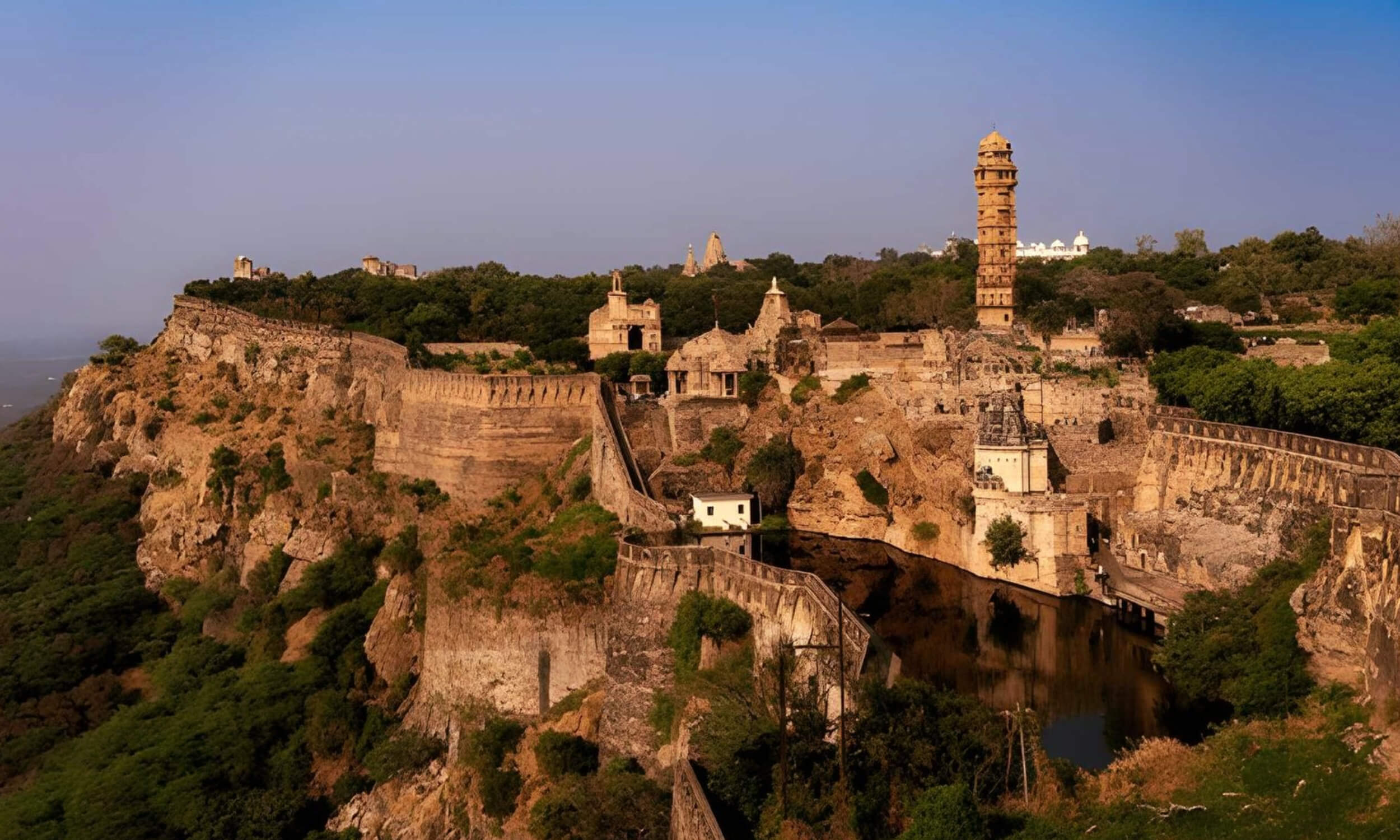
The Hill Forts of Rajasthan, a stunning testament to the grandeur of the Rajputana kingdom. These six majestic forts—Kumbhalgarh Fort, Jaisalmer Fort, Chittorgarh Fort, Amber Fort, Gagron Fort, and Ranthambore Fort—are located across the Aravalli mountain range in Rajasthan. These forts, which once housed thriving mini-cities within their walls, reflect the power and glory of the Rajput rulers. While some of the forts may not be in their original splendor today, they continue to stand as symbols of Rajasthan’s rich history. Famous for their strategic locations and architectural brilliance, the Hill Forts are now a major draw for tourists exploring Rajasthan’s royal heritage.
- Year of Induction: 2013
- Category: Cultural
Great Himalayan National Park, Himachal Pradesh
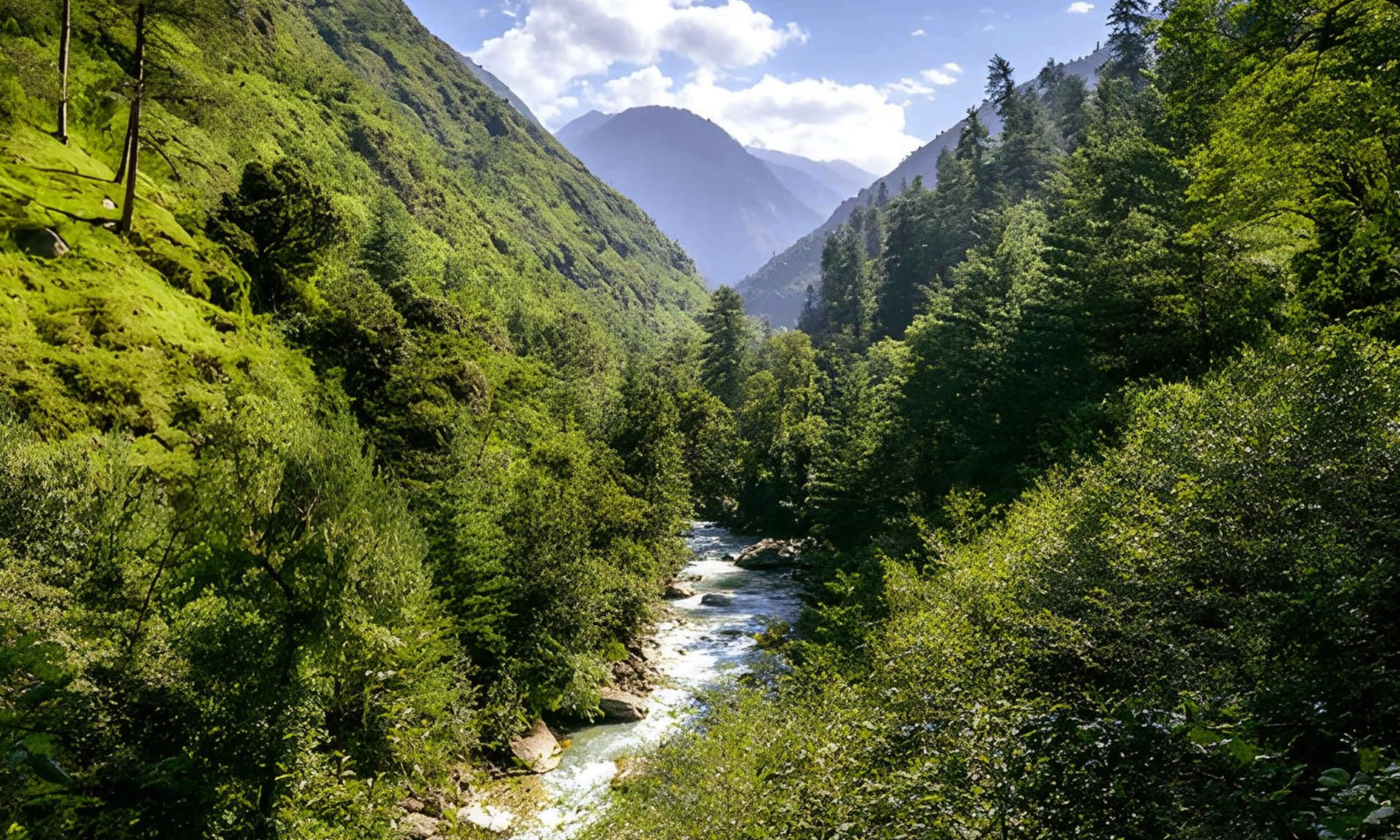
The Great Himalayan National Park, spanning over 754 square kilometers in the Kullu region of Himachal Pradesh, is a haven for biodiversity. This UNESCO World Heritage Site is home to more than 830 species of plants and 400 species of animals. The park’s upper reaches feature several glaciers that feed into the River Indus. Known for its rich flora and fauna, it provides critical habitats for endangered species, including the elusive snow leopard. The park’s inclusion as a UNESCO World Heritage Site has contributed to the conservation efforts, helping the populations of these endangered species thrive. Hunting is strictly prohibited in the park, and violations are punishable under the Environment Protection Act.
- Year of Induction: 2014
- Category: Natural — Containing important and significant habitats for the conservation of biological diversity.
Nalanda, Bihar
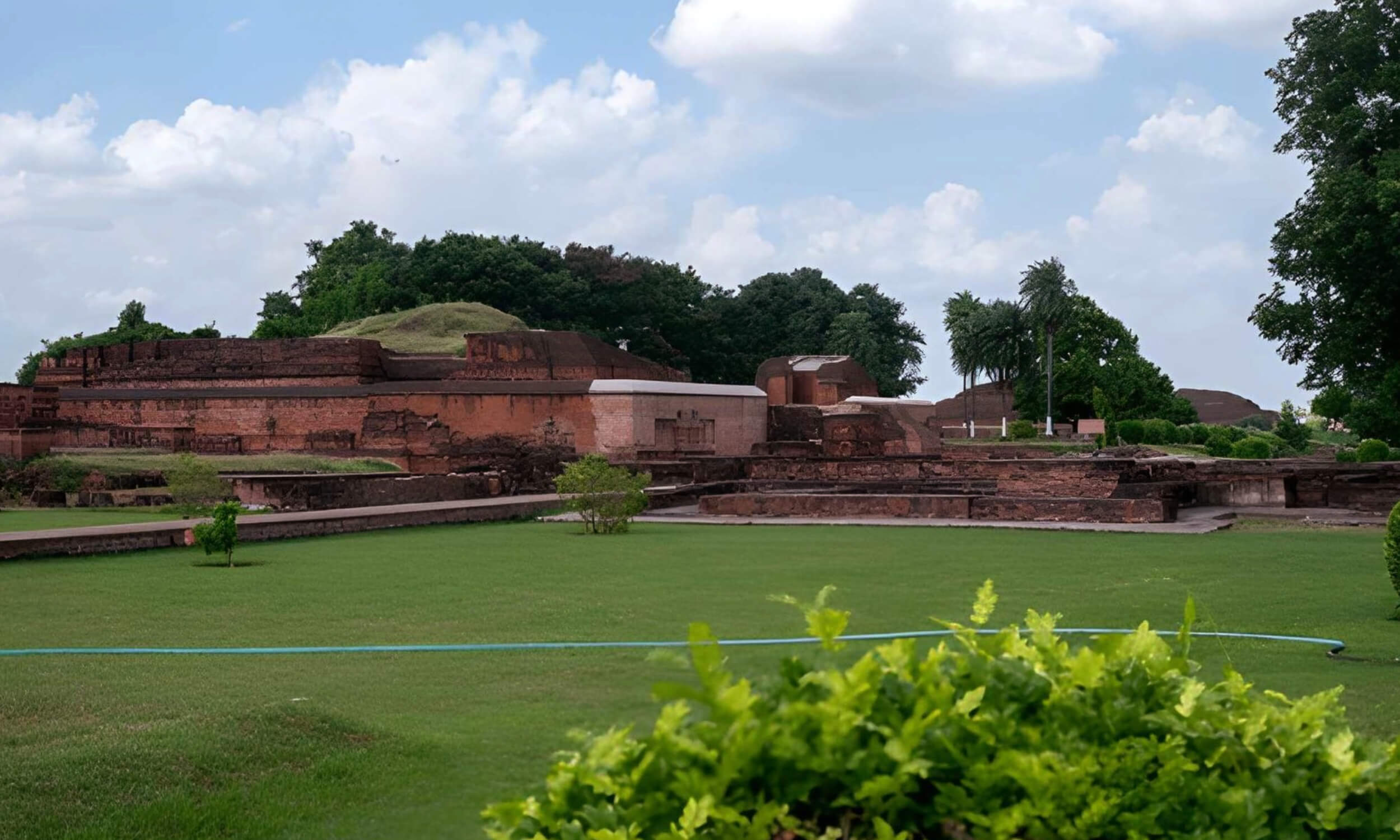
The ancient town of Nalanda, now in ruins, was once a thriving center of learning and housed numerous Buddhist monasteries. Nalanda University, which flourished as a beacon of knowledge, was renowned for its Vedic teachings and became a global hub for Buddhist scholarship. The remnants of shrines and viharas within the complex stand as a testament to its glorious past, marking the evolution of Buddhism into a fully established religion. Nalanda continues to attract tourists and scholars from around the world, offering a glimpse into the intellectual heritage of ancient India.
- Year of Induction: 2016
- Category: Cultural — An architectural marvel that represents an important stage in human history and is directly linked to significant events and living traditions.
Khangchendzonga National Park, Sikkim
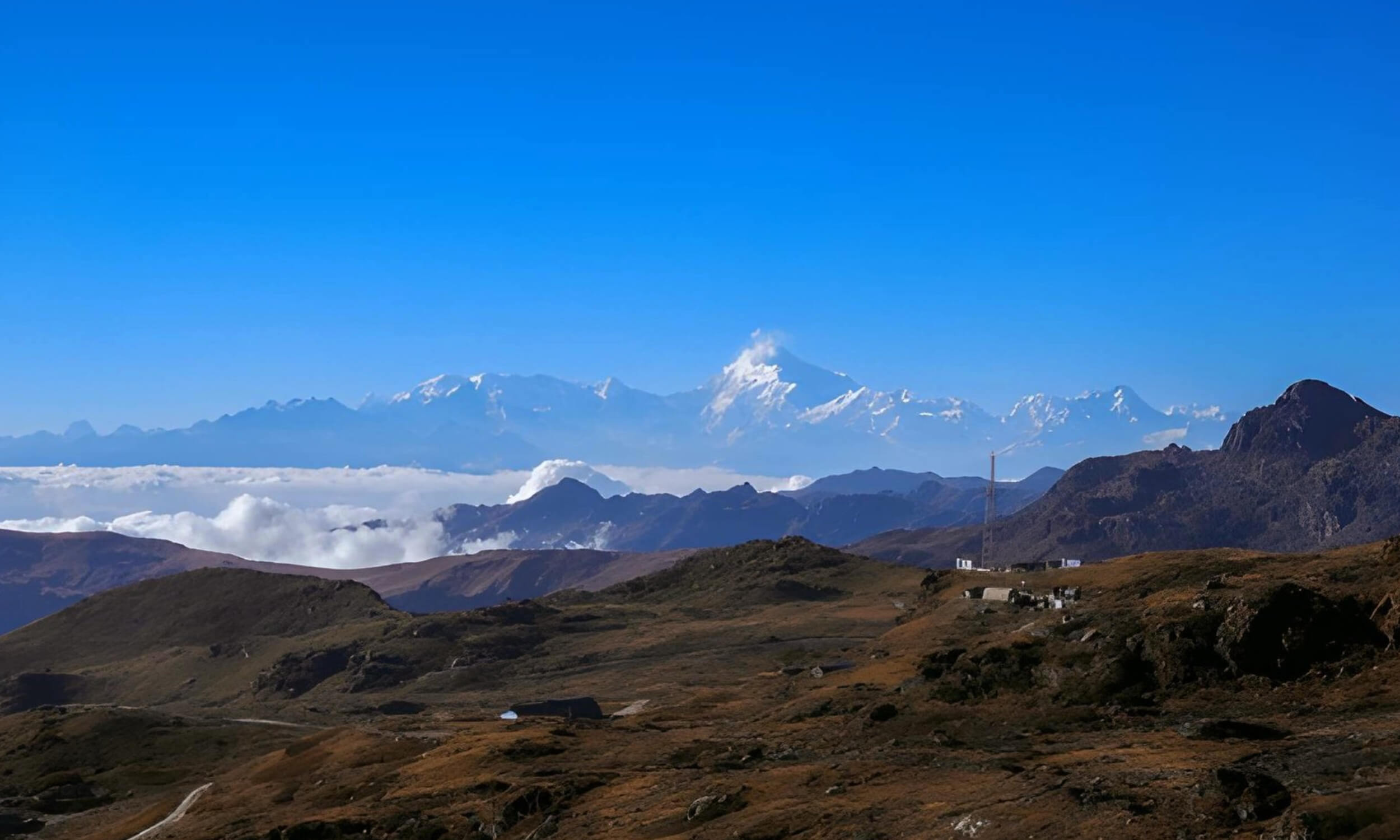
Khangchendzonga National Park, located in the picturesque state of Sikkim, is a stunning showcase of North-East India’s natural beauty. Declared as the 35th UNESCO site in India. Spanning over 850 square kilometers, the park’s elevations range from 1,800 meters to 8,500 meters, making it the gateway to the majestic Kanchenjunga Peak, the third-highest mountain in the world. The park is home to an incredible array of flora and fauna, including rare sightings of the elusive snow leopard. Renowned for its trekking trails, the park attracts adventure seekers and nature enthusiasts alike, offering an opportunity to explore its exceptional natural and cultural beauty.
- Year of Induction: 2016
- Category: Natural and Cultural — Contains significant habitats for the conservation of biological diversity, areas of exceptional beauty, and bears unique testimony to a civilization that has lived or continues to live.
Other Interesting Blogs to Read
About the author
From the Lake District, Nainital, Nidhi Singh is a travel writer whose love for mountains can be seen in her write ups. Talk about solo travelling, indulging in adventure activities, binging on good food, planning budget trips or the Aurora Borealis and you will get all her attention. It is the wanderlust that keeps her going and if at all she could get one wish granted she would love to live a life less ordinary. Follow her on Twitter, Facebook & Instagram.


 +91-9212777225
 Plan Your trip