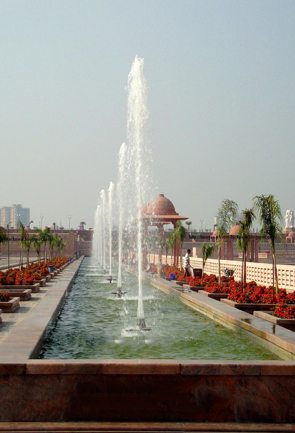
A melting pot of culture that still keeps a distinct tradition alive, Lucknow, the capital city has everything you would want to relish on a holiday in Uttar Pradesh. The modern-day city has quite an upbeat vibe that mind you, does not shadow the charm of its historical side. The city is a perfect tourist destination with attractions ranging from heritage buildings to modern memorials and gardens. One can hardly miss a heritage tour to Bada and Chhota Imambara and to other historically important sightseeing places like Vidhan Sabha and Residency. However, one cannot ignore the trending cafe and bar scene in the city that offers great recreational options. A smooth sail between the ancient world and the modern one is certainly an unforgettable experience to have in Lucknow.
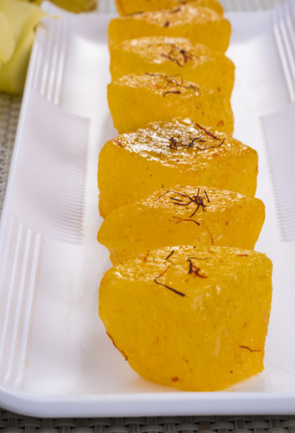
This tourism destination also boasts a flavoursome food retreat which no food lover can resist. Just trust your nose and follow the aromas around the city to treat yourself with best flavours of Galouti Kebab, Biryani, Tandoori Chicken, Basket Chat and what not! Lucknow allows a fine glimpse of its ancient craft of Chikankari, and buying some samples is the best thing to do here. It wasn’t the ancient architecture wasn’t enough to make the city look stunning, the parks and gardens have been created to further enhance the look and to offer friends and family some great picnic spots to celebrate togetherness. Lucknow promises an amazing tour in Uttar Pradesh with its attractions, activities, food, and hospitality.











 Plan Trip
 Call Us
 Packages
 Home
Home