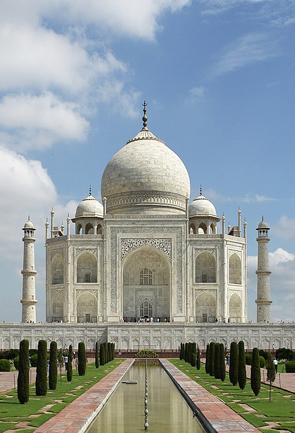
Not many people have heard of the Tomb of Itimad-ud-Daulah, and yet fewer bother to visit it. Located in close proximity to the Taj Mahal, it is also called the "Baby Taj", "jewel box" and "draft of the Taj Mahal". According to various sources, it was this white marbled structure which influenced the design of the Taj Mahal. True or not, it is one of the most beautiful tourist attractions in Agra.
The Tomb of Itimad-ud-Daulah was built under Nur Jahan, wife of the Mughal Emperor Jahangir. She was also the only Mughal empress to have a coin issued in her name. The tomb was built by her for her father, Mirza Ghiyas Beg, who was a Persian amir in exile. He was also the grandfather of Mumtaz Mahal. While the design and architecture certainly demand your attention, the Persian styled gardens surrounding the tomb are an attraction in themselves.
Architecture
The Tomb of Itimad-ud-Daulah is built in pure white marble. Although the main building is the tomb, there are also other outbuildings along with the Persian styled gardens. It is often commented that the architecture of this tomb represents a transitory phase in Mughal architecture. The first phase was marked by the use of red sandstone and marble decorations, an example of which is Humayun’s Tomb. The second phase was marked by the use of white marble and pietra dura inlay work. This style reached its ultimate perfection in the Taj Mahal.
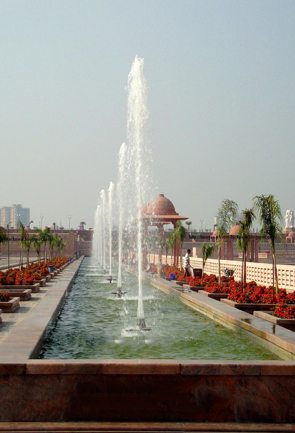
One of the most beautiful heritage structures in Agra, this tomb is also called a "jewel box" because it resembles a jewel box placed in the middle of a garden. The tomb, which sits on the banks of the Yamuna River, is intersected by walkaways and water courses. The four hexagonal towers standing on each corner of the tomb, measure 13 m.
The walls are adorned with intricate decorations from semi-precious stones like topaz, onyx and cornelian. These have been carved into various images, from wine bottles to vases containing bouquets. The ceilings too, were once adorned with hand painted pattern. Now however, they lie in ruins.
Entry Fees
There are different entry fees for both domestic and international tourists wanting to visit the Tomb of Itimad-ud-Daulah. For domestic tourists, the entry fee is 20 INR, while the entry fee for international tourists is 210 INR. The tomb is open to the public seven days a week from sunrise to sunset.

Best Time to Visit
The Tomb of Itimad-ud-Daulah is located in the city of Agra, Uttar Pradesh. It can get extremely hot there during the summers. However, if you are not daunted by the heat, you can visit it during this time. During winters, the cool and pleasant weather affords the best opportunities for sightseeing and exploration. This is when a large number of tourists prefer to visit Agra.
Nearby Tourist Attractions
After visiting one of the most amazing monuments in UP, the Tomb of Itimad-ud-Daulah, you can set off to explore other places which lie in close proximity. Here are some of them.
- Chini Ka Rauza
- Taj Mahal
- Agra Fort














 Plan Trip
 Call Us
 Packages
 Home
Home