
- Destinations
- Holiday Ideas
-
Popular India Tourism Destinations by Interest
-
-
Popular India Tourism Destinations by Interest
-
Adventure Tourism
-
- Packages
- Places to Stay
- Weekend Getaways
- InternationalNEW






NEW

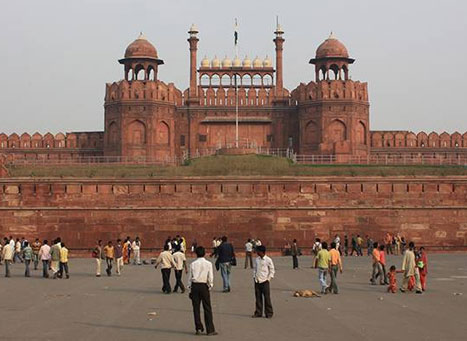
Red Fort Delhi
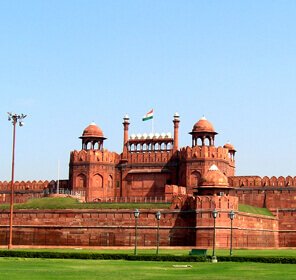
Built out of red sandstone, Red Fort or Lal Quila was initially a residential area of the Mughals for about 200 years. The place was once used to celebrate various ceremonies and have now become one of the major tourist attractions in Delhi. Red Fort was even used to perform various ceremonies.
The fort’s massive wall standing at a height of 75 feet (23 metres) high, comprises a complex of palaces and entertainment halls, projecting balconies, baths and indoor canals, and geometrical gardens, as well as an ornate mosque. Visiting Red Fort, visitors come across the most famous structures of the complex, i.e., Diwan-i-Am, consisting of 60 red sandstone pillars supporting a flat roof, Diwan-i-Khas which is smaller, with a pavilion of white marble.
Today the Red Fort is considered to be representing the zenith of the Mughal creativity. On visiting the tourist spot, one could witness the Islamic prototypes and each pavilion reveals architectural elements typical of Mughal building. Last but not the least, it is the innovative planning and and beautiful architecture including the garden style which make Red Fort a must visit tourist attraction in Delhi.
History of the Attraction
The construction of the Red Fort began in the sacred month of Muharram in the year 1638 under the supervision of Shah Jahan when he moved the capital of his empire from Agra to Delhi which he called Shahjahanabad. Moving to Delhi Shah Jahan laid the foundation of Red Fort taking nearly a decade to complete. For around 200 years, Red Fort was the seat of the Mughal empire until it fell into the British Hands. This fort was the seat of the Mughal empire for around 200 years, until it fell into British hands. Unlike other Mughal Forts, Red Fort has boundaries and walls that are asymmetrical.
Visiting Timings
The Red Fort remains open all throughout the week except Mondays. The Red Fort from 7:00 AM to 5:30 PM.
Entry Fees
The entry to Red Fort is INR 35 for Indians and INR 550 for Foreign Tourists.
Best Time to Visit
The Red Fort can be visited at any time of the year but winter season between November and February can be considered for making the most out of visit to Red Fort.
Top Things to Do & Places to See Nearby
Apart from visiting the Red Fort, tourists have plenty of other options to explore and witness the other activities near Red Fort.
- Located at a distance of 18 km, a visit to Zafar Mahal is a perfect place for the history buffs and those looking forward for photography.
- Located at a distance of 2 km from Red Fort, a visit to Bhadon Pavilion will take you to the ancient rain house of the Rajas and the Raos.
- For shopaholics, Chatta Chowk in Chandni Chowk (Covered Bazaar) would be the right place. Chatta Chowk is the first bazaar with a roof built in the 17th century in the realms of the Red Fort.
- A visit to Maulana Azad Tomb is yet another place for those wanting to relive the historic era.
How to Reach
One needs to get down at Lal Qila Metro Station on Heritage Line (Violet) or can also get down at the Chandi Chowk metro station (Yellow Line).
Explore Other Popular Heritage Sites in Delhi
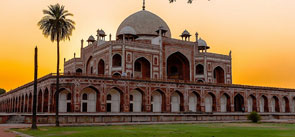
Humayun’s Tomb
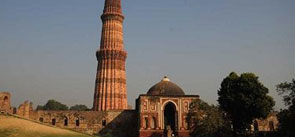
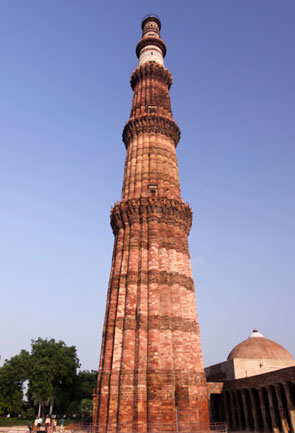
Qutab Minar
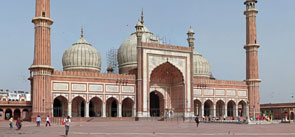
Jama Masjid
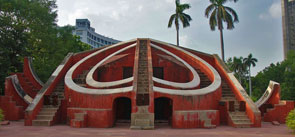
Jantar Mantar

Lodi Tomb
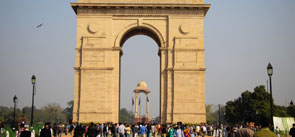
India Gate
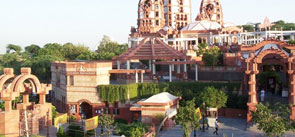
ISKCON Temple
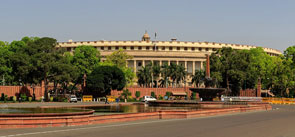
Parliament House

Purana Qila
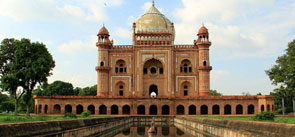
Safdarjung Tomb
Mutiny Memorial

Dara Shikoh Library
Maqbara Paik
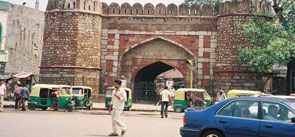
Turkman Gate
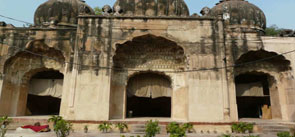
Qudsia Bagh
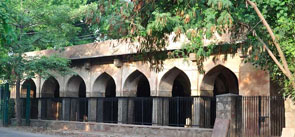
Baradari at Sadhna Enclave

Ghalib ki Haveli
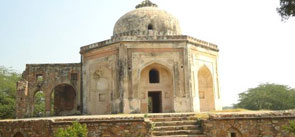
Tomb of Mohd Quli Khan
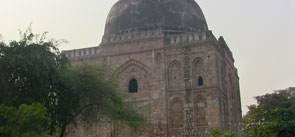
Bijri Khan's Tomb

Hastsal Minar
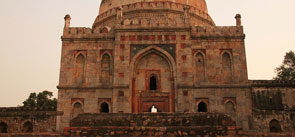
Bara Lao Ka Gumbad
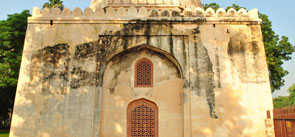
Gol Gumbad
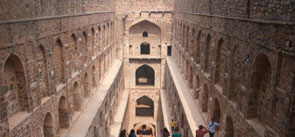
Agrasen ki Baoli

Hazrat Nizamuddin Ki Baoli
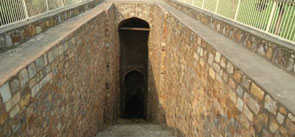
Purana Qila Baoli
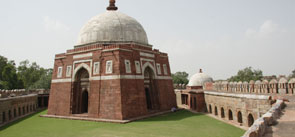
Tughlaqabad Fort
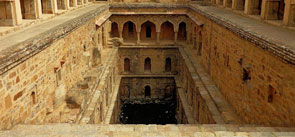
Rajon Ki Baoli
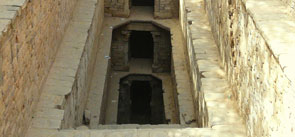
Gandhak Ki Baoli
Red Fort Baoli

Rashtrapati Bhavan










 Plan Trip
 Call Us
 Packages
 Home
Home