
- Destinations
- Holiday Ideas
-
Popular India Tourism Destinations by Interest
-
-
Popular India Tourism Destinations by Interest
-
Adventure Tourism
-
- Packages
- Places to Stay
- Weekend Getaways
- InternationalNEW




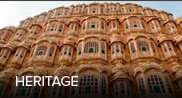


NEW

Qutub Minar Delhi
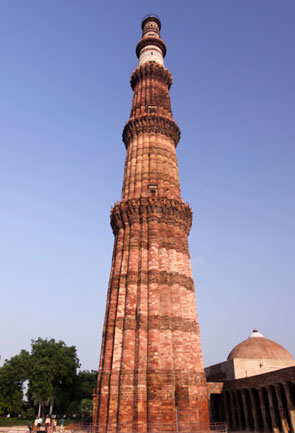
Built in the 13th century Qutub Minar is not only the highest brick minaret in the world but also one of the famous historical landmarks of India. Being the cultural UNESCO World Heritage Site, Qutub Minar attracts thousands of visitors everyday. Visiting the tourist spot, one would come across the surrounding archaeological area that comprises funerary buildings, notably the magnificent Alai-Darwaza Gate, the masterpiece of Indo-Muslim art which was built in the year 1311, and two mosques.
Witnessing the monument, you will be surely enthralled by the huge structure that withstood all tests of time. Rising up to 72.5, Qutub Minar have 379 steps which is required to be covered to reach to the top. Built out of redstone and marble, the three stories from the base are built using red sandstone while the top two stories are made of marble and sandstone.
The magnificent architectural structure was built to propound the prominence of the Islam religion. Also, it was not completely built in one go rather it underwent various repairing works for the restoration of this structure by maintaining the Indo-Islamic Style inspired from the Minaret of Jam in Afghanistan. Entering the minaret, one would come across the Arabic inscriptions on the walls of the tower that truly depict the historical importance of the structure.
Being the popular tourist spot in Delhi, the monument remains open from sunrise to sunset for the locals as well as both national and international tourists. So, don’t miss out visiting the imposing structure Qutub Minar during your visit to Delhi to make the most out of your tour in India.
History of the Attraction
The construction of Qutub Minar was started in the year 1199 AD by Qutb ud-Din Aibak, the founder of the Mamluk Dynasty in Delhi which was later completed by his successor and son-in-law Iltutmish. Although the origin of the Qutub Minar is shrouded with controversy and some believe it was erected as a tower of victory to signify the beginning of Muslim Rule in India. While, some believe it was constructed to call the faithful to prayer.
Visiting Timings
One can make a visit to Qutub Minar between Monday to Sunday from 6:00 AM to 6:00 PM.
Entry Fees
The entry to Qutub Minar is INR 10 for Indians and INR 250 for Foreign Tourists.
Best Time to Visit
Qutub Minar can be visited in all seasons all through the year. To experience and admire the beauty of Qutub Minar, try visiting during the winter season when the weather remains cool.
Top Things to Do & Places to See Nearby
The other tourist attractions near Qutub Minar satiate the urges of history buffs who are looking to gather information that depict the rich culture and art.
- Located at a distance of 3km, visit Mehrauli Archaeological Park, that has unique distinction of holding monuments around the 11th century.
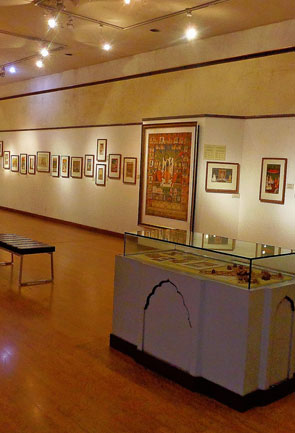
- A visit to Threshold Art Gallery which is 2km away from Qutub Minar would take you to minimal of decorations where exhibitions and art shows are held.
- Jahaz Mahal is yet another tourist attraction which is at a distance of 3 km from Qutub Minar.
- At a distance of 3 km from Qutub Minar, you’ll find the Garden of Five Senses which is a perfect and tranquil place where you can witness the abundance of birds and beautiful flowers.
How to Reach
Getting to Qutub Minar is convenient. Travellers need to take the Yellow Line towards Huda City Center in Gurgaon.

Explore Other Popular Heritage Sites in Delhi
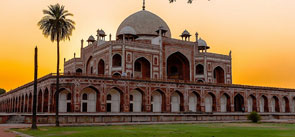
Humayun’s Tomb
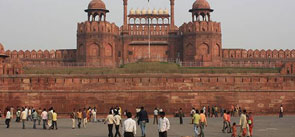
Red Fort
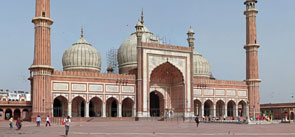
Jama Masjid
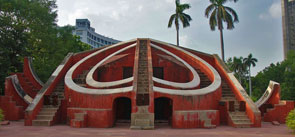
Jantar Mantar
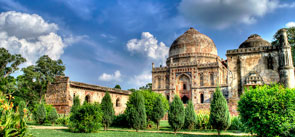
Lodi Tomb
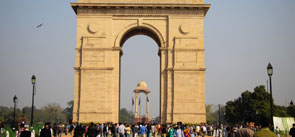
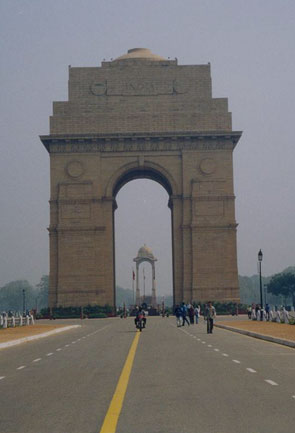
India Gate
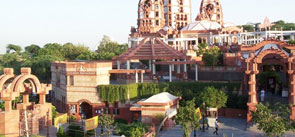
ISKCON Temple
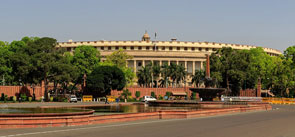
Parliament House

Purana Qila
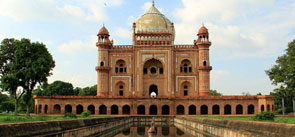
Safdarjung Tomb
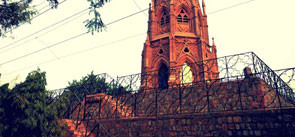
Mutiny Memorial

Dara Shikoh Library
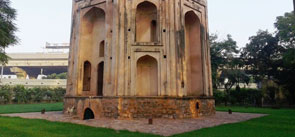
Maqbara Paik
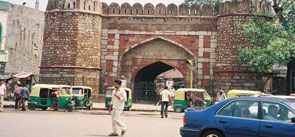
Turkman Gate
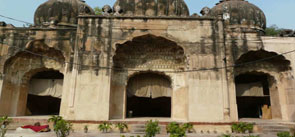
Qudsia Bagh
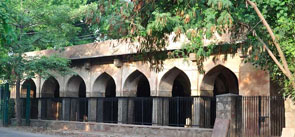
Baradari at Sadhna Enclave

Ghalib ki Haveli
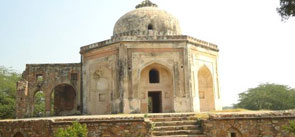
Tomb of Mohd Quli Khan
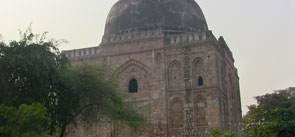
Bijri Khan's Tomb
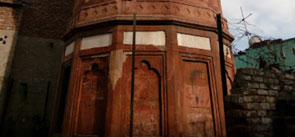
Hastsal Minar
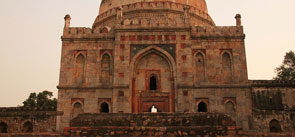
Bara Lao Ka Gumbad
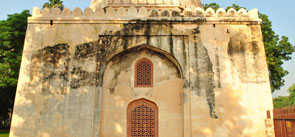
Gol Gumbad
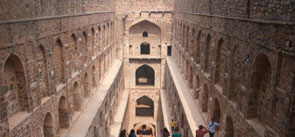
Agrasen ki Baoli

Hazrat Nizamuddin Ki Baoli
Purana Qila Baoli
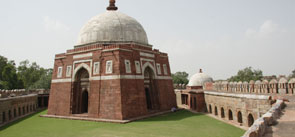
Tughlaqabad Fort
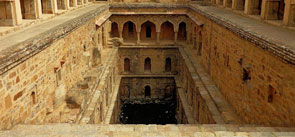
Rajon Ki Baoli
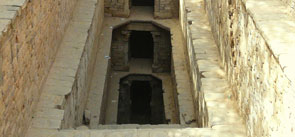
Gandhak Ki Baoli
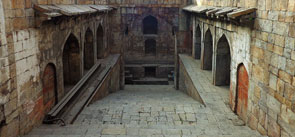
Red Fort Baoli

Rashtrapati Bhavan






 Plan Trip
 Call Us
 Packages
 Home
Home