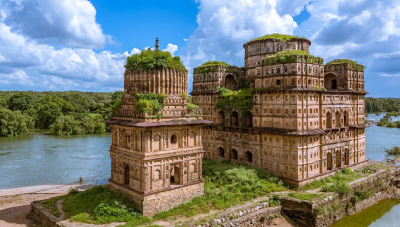
In a proud moment for Indian heritage and history, UNESCO has added the Maratha Military Landscapes to its prestigious World Heritage List in 2025. This landmark recognition includes 12 awe-inspiring Maratha forts, each standing as a testament to the strategic brilliance, architectural innovation, and enduring legacy of the Maratha Empire. With 11 of these forts located in Maharashtra and one in Tamil Nadu, this UNESCO nod brings global attention to the rich and complex military landscape shaped by the Marathas between the 17th and 19th centuries.
All these 12 Maratha forts recognized by UNESCO not only reflect the political and military ingenuity of the Maratha rulers, especially Chhatrapati Shivaji Maharaj, but also blend harmoniously with their natural surroundings, showcasing a distinctive tradition of fortification in Indian military history. As India celebrates this global recognition, it is time to revisit these fortresses that once guarded empires and now safeguard stories of valor and vision.
12 Maratha Forts as UNESCO World Heritage Sites
- Raigad Fort – The Capital of the Maratha Empire
- Sinhagad Fort – The Lion’s Fort
- Rajgad Fort – Shivaji’s Hill Capital Before Raigad
- Torna Fort – The First Fort Captured by Shivaji
- Lohagad Fort – The Iron Fort
- Pratapgad Fort – The Site of Shivaji-Afzal Khan Duel
- Sindhudurg Fort – The Sea Fort
- Vijaydurg Fort – The Eastern Gibraltar
- Rajmachi Fort – The Twin Fortresses
- Khanderi Fort (Underi-Khanderi) – The Island Sentinel
- Suvarnadurg Fort – The Golden Fort
- Gingee Fort – The Lone Tamil Nadu Entry
Also Explore: Popular Heritage Tour Packages
Raigad Fort – The Capital of the Maratha Empire
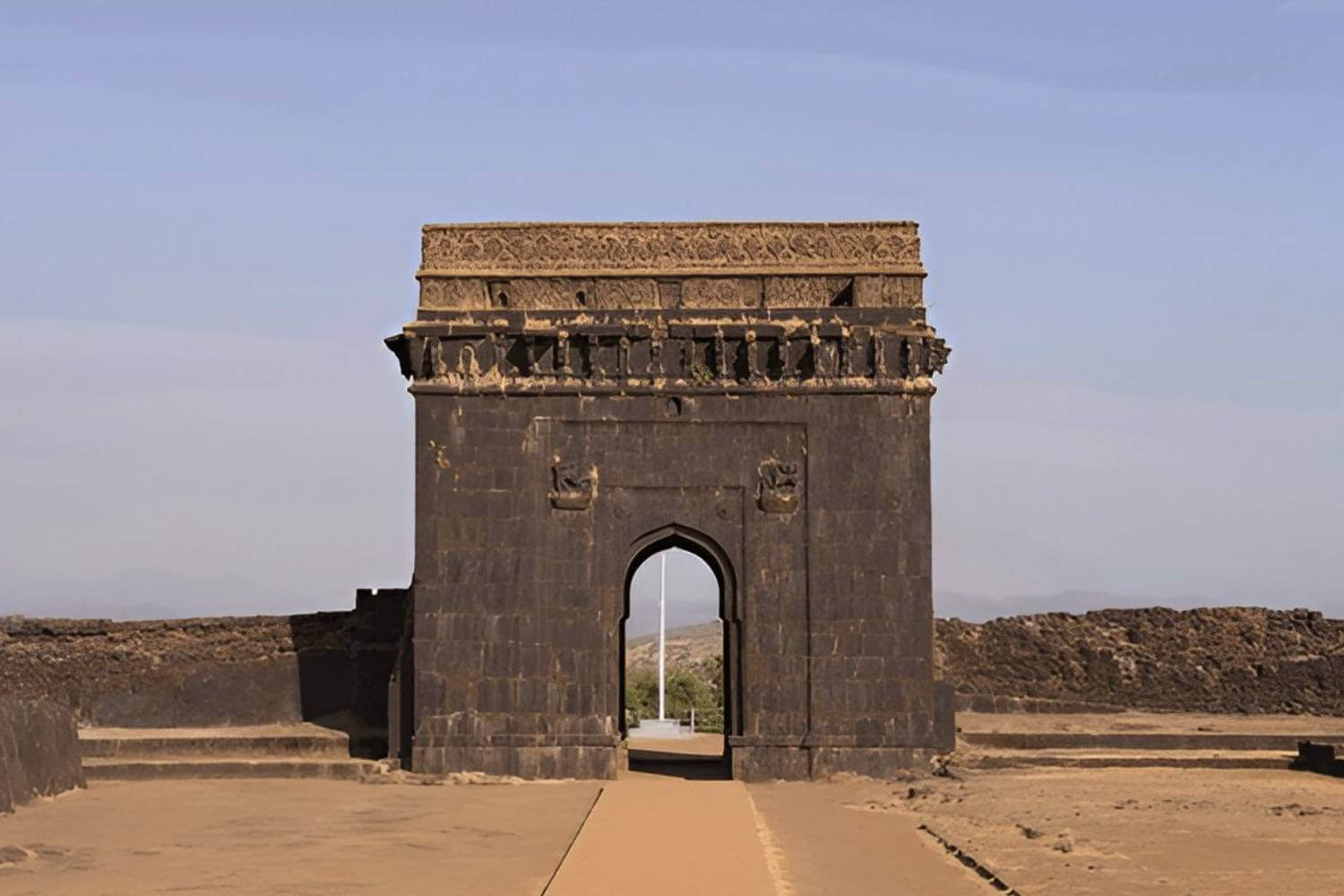
- Location: Mahad, Raigad district, Maharashtra
- Built By: Chhatrapati Shivaji Maharaj in 1674
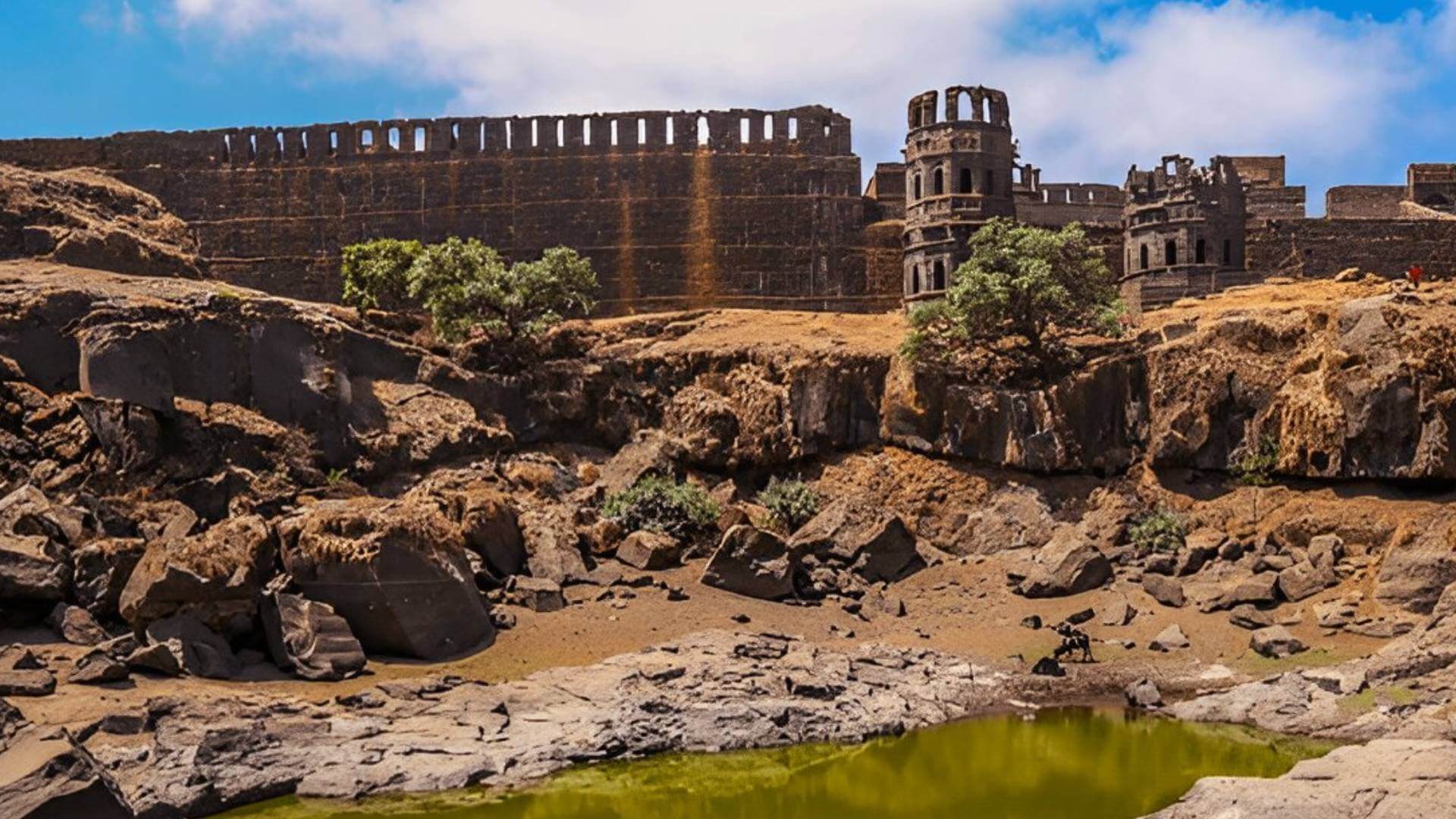
Raigad Fort, locally called Raigad Killa, holds a special place in Maratha history as the capital of Chhatrapati Shivaji’s empire. After being crowned as the king of Maratha Kingdom, Shivaji Maharaj chose Raigad as the capital of his Hindavi Swaraj. Situated 820 meters above sea level in the Sahyadri Range, the Shivaji Maharaj Fort was not only a military base but also the site of his coronation. It is one of the strongest fortresses on the Deccan Plateau.
The architecture of this fort includes watchtowers, residential quarters, market areas, and the queen’s quarters, all connected by complex defense mechanisms. Visitors can still feel the pulse of history while walking through the Jagadishwar Temple, Maha Darwaja, Samadhi of Shivaji Maharaj, and the Takmak Tok, a cliff used to execute enemies.
Sinhagad Fort – The Lion’s Fort

- Location: Pune district, Maharashtra
- Famous For: Battle of Sinhagad (1670) and in modern day as a weekend destination from Pune
Sinhagad Fort is linked with the legendary Battle of Sinhagad (Kondhana) in 1670, where military commander and companion of Shivaji Maharaj, Tanaji Malusare laid down his life to recapture the fort from the Mughals. It is one of the first forts that Shivaji Maharaj recaptured from the Mughals following the treaty of Purandar.
The fort is situated on a hill about 760 metres (2,490 ft) above the ground. The dramatic topography, steep slopes, and narrow entrances made it a strategic fortress, ideal for guerilla warfare, a tactic perfected by the Marathas. Now a popular trekking destination near Pune, Sinhagad Fort, on a clear day offers views of the other forts associated with the Maratha empire such as Rajgad, Purandar and Torna.
Rajgad Fort – Shivaji’s Hill Capital Before Raigad
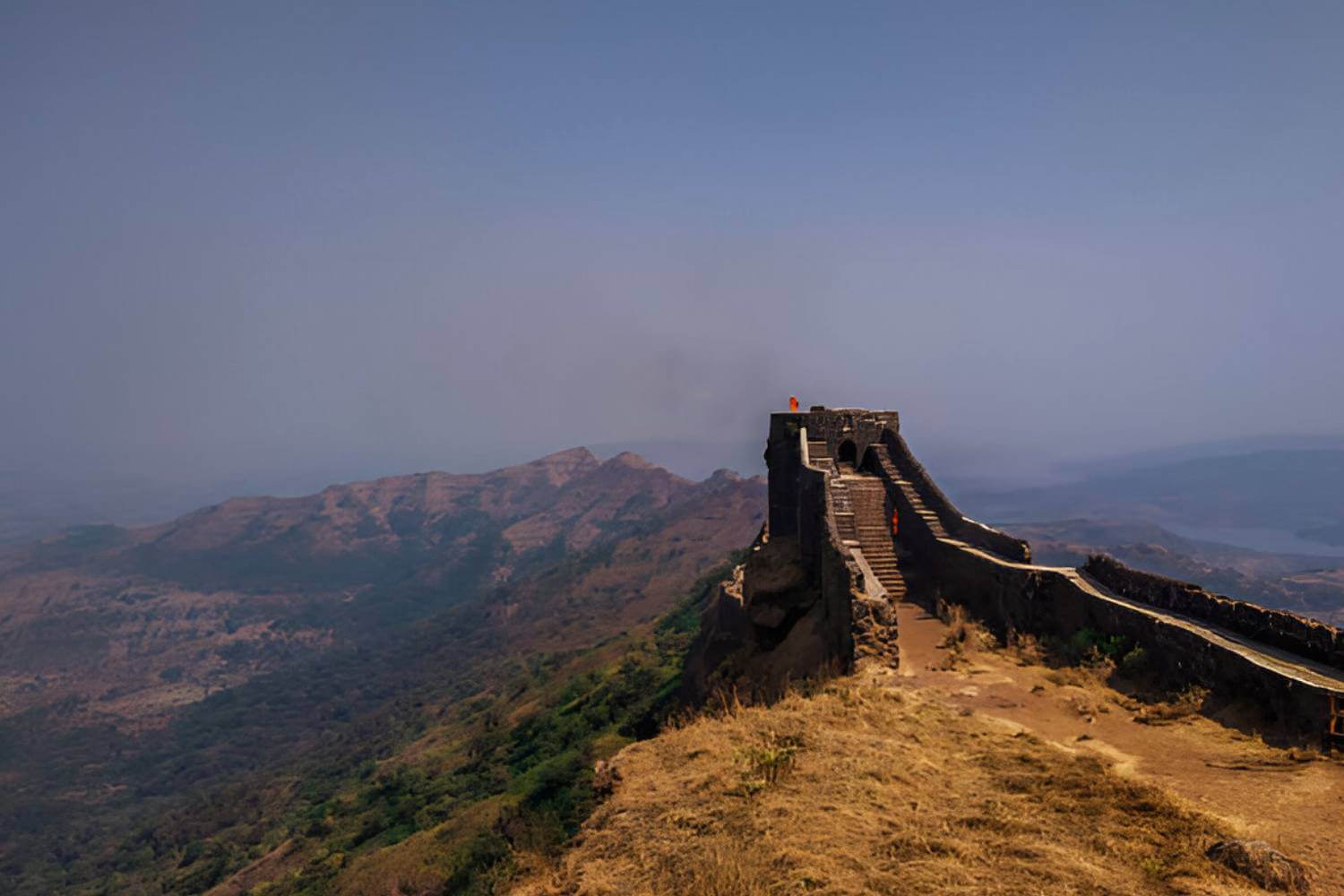
- Location: Pune district, Maharashtra
- Built On: Murumbadevi Dongar (hill) at 1376 meters
The Rajgad Fort was the first capital of the Maratha Empire under the rule of Chhatrapati Shivaji Maharaj for almost 26 years. Its vastness is unmatched, spread over four ridges, and its name, ‘Royal Fort’, is fitting for the architectural beauty it holds. Rajgad, a magnificent Chhatrapati Shivaji Maharaj Fort features strong bastions, water cisterns, palaces, and secret pathways. The fort is also notable for being a place of personal importance to Shivaji, as his wife Saibai passed away here, and his son Rajaram I was born here. One prominent historic event at Rajgad Fort is the burial of Afzal Khan’s head in the Mahadarwaja walls of Balle Killa.
Rajgad Fort is a prominent tourist attraction near Pune, particularly popular during the monsoon season. Due to its vast expanse, visitors often choose to stay overnight, as exploring the entire fort in a single day is challenging. The Padmavati Temple within the fort premises can accommodate around 50 people. Several water tanks ensure a year-round supply of fresh water. Additionally, local villagers from the foothills sell traditional items and antiques to visiting tourists, adding to the charm of the experience.
Torna Fort – The First Fort Captured by Shivaji
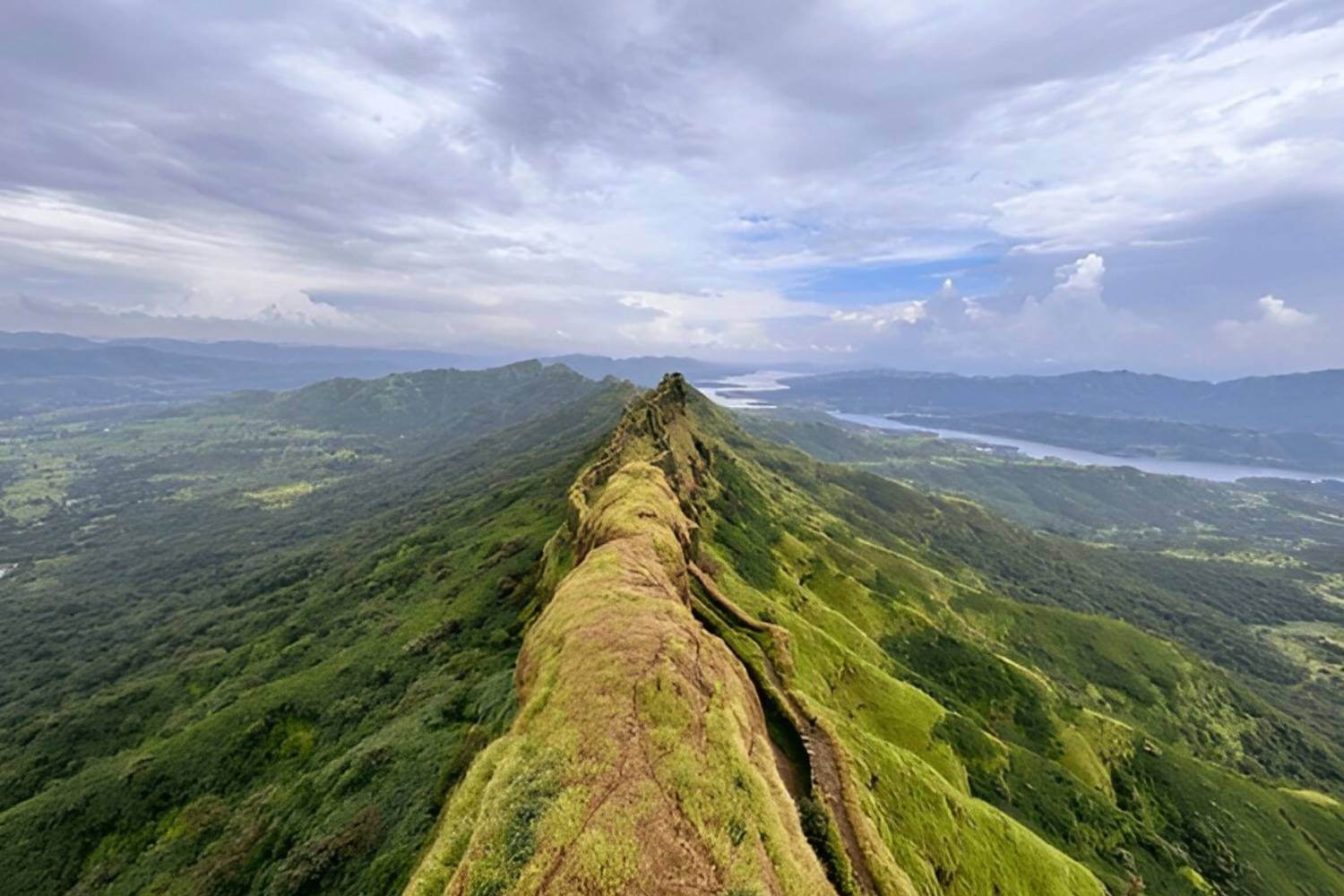
- Location: Pune district, Maharashtra
- Built by: Shiva Panth in the 13th century
In 1646, a young Shivaji Maharaj, just 16 years old, captured Torna Fort, marking it as the first fort of the Maratha Empire. Malik Ahmed, a Bahamani ruler, captured this fort during the reign of Alauddin Khilji during the late 1470s. Torna, meaning “pride,” lives up to its name with its tall towers and high elevation (1,403 meters), making this Shivaji Fort one of the tallest in Maharashtra. After capturing the fort, whilst repairing the fort and digging ruins, Shivaji discovered large quantities of gold buried, which was used later to build Rajgarh fort among others. Also known as Prachandagad, the fort features citadel, granaries, temples, and water tanks that showcase its strategic importance and ability to withstand sieges, securing its place in the list of 12 Maratha forts recognized as UNESCO World Heritage Sites in 2025.
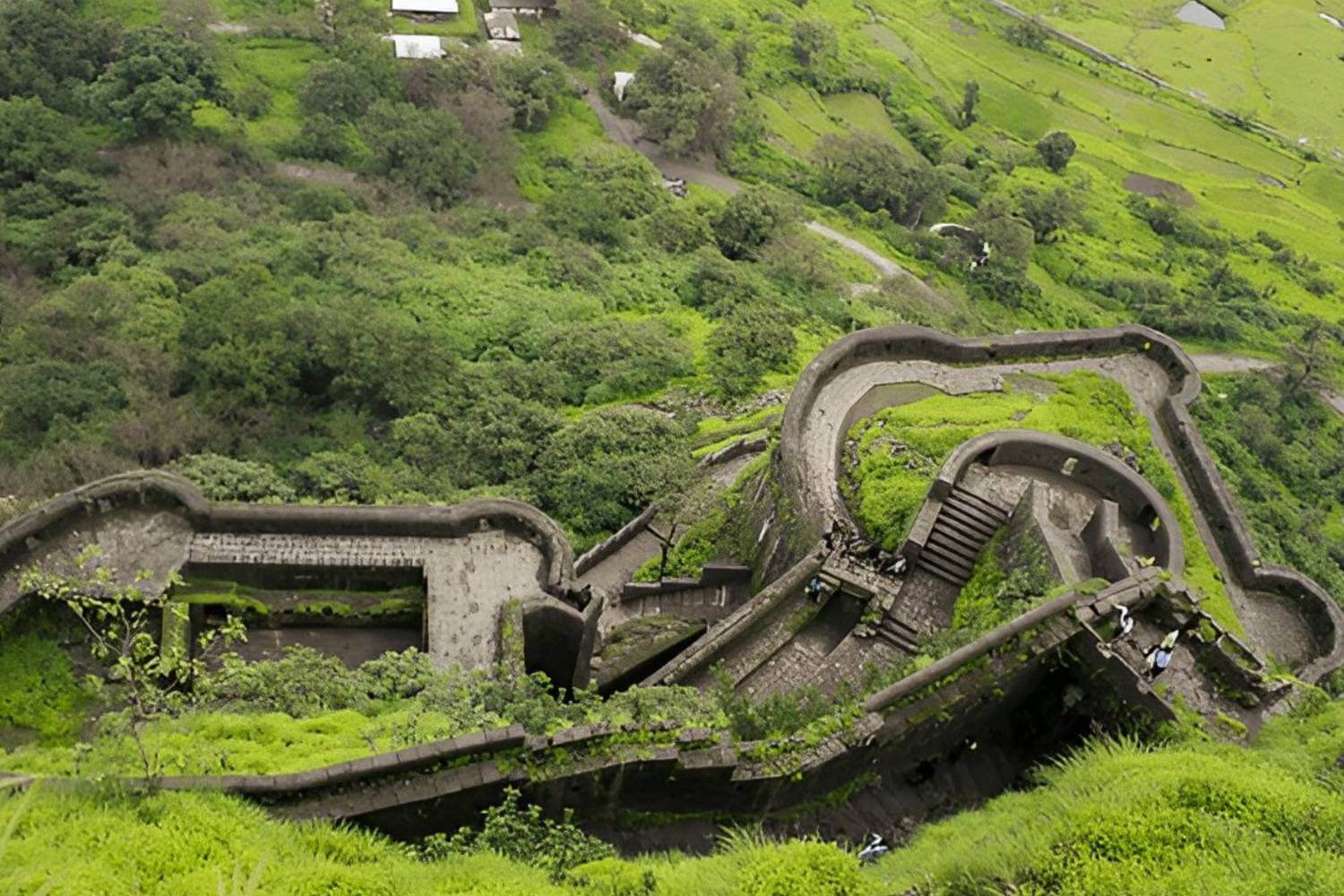
Lohagad Fort – The Iron Fort
- Location: Near Lonavala, Maharashtra
- Built by: Lohtamia dynasty in the 10th century CE
Lohagad Fort, meaning “Iron Fort,” lived up to its name as an almost impenetrable stronghold. Situated near Lonavala, the fort connects to the nearby Visapur Fort. Chatrapati Shivaji Maharaj captured Lohagad Fort in 1648 CE but he was forced to surrender it to the Mughals in 1665 AD under the Treaty of Purandar but he recaptured the fort in 1670 and used it as treasury. The Vinchukata (scorpion), a long tail-like fortification, adds to the visual and strategic uniqueness of Lohagad Fort.
Pratapgad Fort – The Site of Shivaji-Afzal Khan Duel

- Location: Near Mahabaleshwar, Satara district, Maharashtra
- Built by: Shivaji Maharaj in 1656
Pratapgad’s historical claim to fame is because of the duel between Shivaji Maharaj and Bijapur Sultanate general, Afzal Khan in 1659. The fort has several watch towers and bastions for providing strategic military advantages during its time of use. Pratapgad Fort holds great significance in the history of the Maratha Empire. It is one of the few Maratha forts that still retains much of its original structure, including the Tulja Bhawani Temple. Its hilltop location offers dramatic views of the surrounding region.
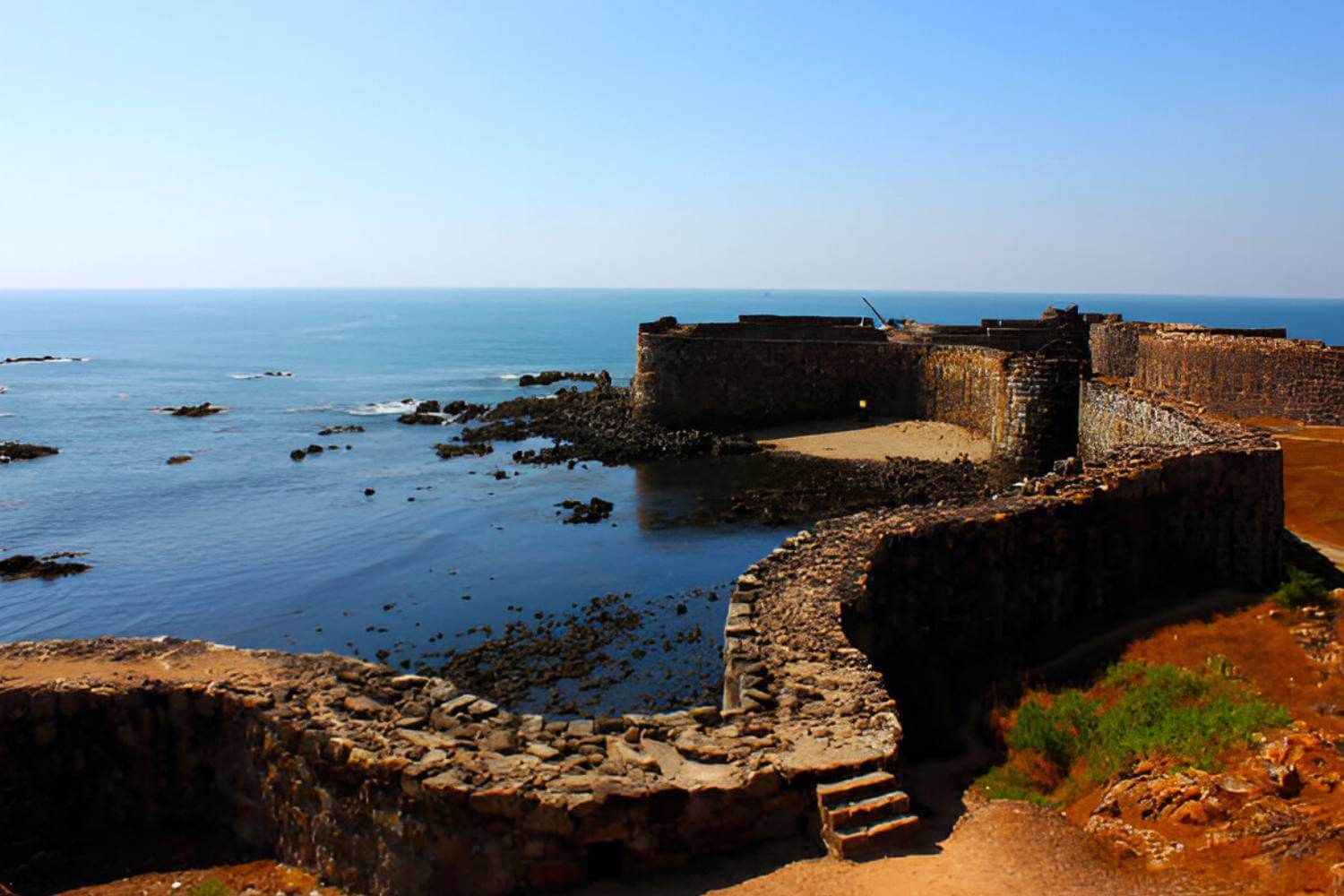
Sindhudurg Fort – The Sea Fort
- Location: Malvan, Maharashtra
- Built By: Shivaji Maharaj between 1664 and 1667
Unique among the Maratha forts, Sindhudurg is a sea fort built on an islet called Khurte island in the Arabian Sea. Constructed over three years with the help of thousands of workers, this Maratha Fort was designed to counter rising influence of English, Dutch, French and Portuguese merchants and to curb the rise of Siddhis of Janjira. Its design includes a concealed main entrance, freshwater reservoirs, and temples, including one dedicated to Shivaji himself, a rarity, making it a prominent feature of the list of 12 Maratha forts recognized by UNESCO in 2025.
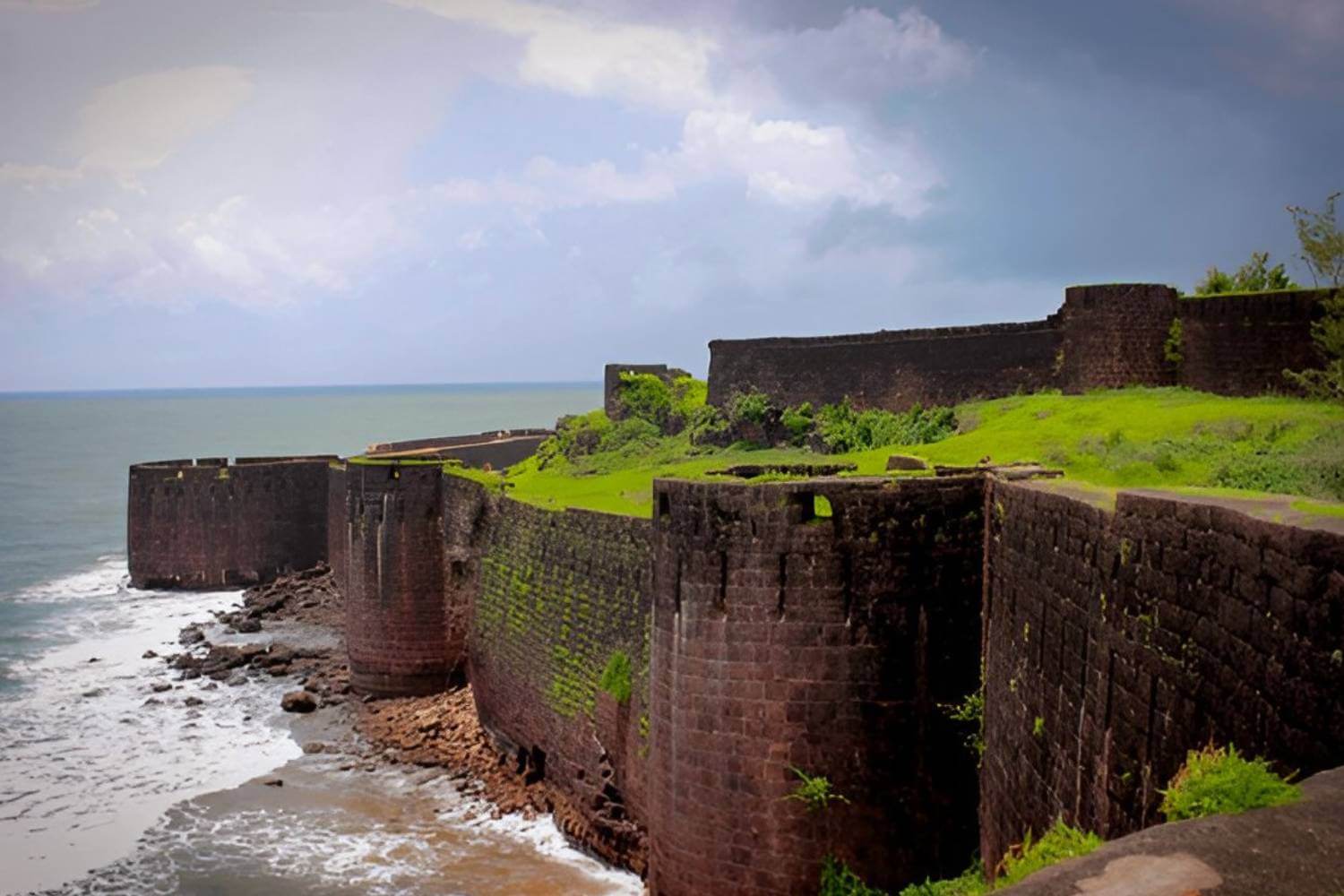
Vijaydurg Fort – The Eastern Gibraltar
- Location: Sindhudurg district, Maharashtra
- Built by: Raja Bhoja II of the Shilahar dynasty between 1193 and 1205 and restructured by Chattrapati Shivaji Maharaj
Vijaydurg, located on the Konkan Coast, is one of the oldest forts in Maharashtra. Initially built by Raja Bhoja II in the 12th century and later fortified by Shivaji, it was a key naval base. This Shivaji fort includes a unique undersea wall built to trap enemy ships, a marvel of Maratha naval engineering.
Dubbed the ‘Eastern Gibraltar’ for its formidable defenses, the fort was considered nearly impregnable. One of its key strategic advantages was its location near the 40-kilometre-long Waghotan or Kharepatan Creek. The creek’s shallow waters prevented large enemy ships from entering, while Maratha warships could anchor safely within, hidden from view at sea. Vijaydurg also played a pivotal role in expanding the Maratha presence along India’s western coastline.
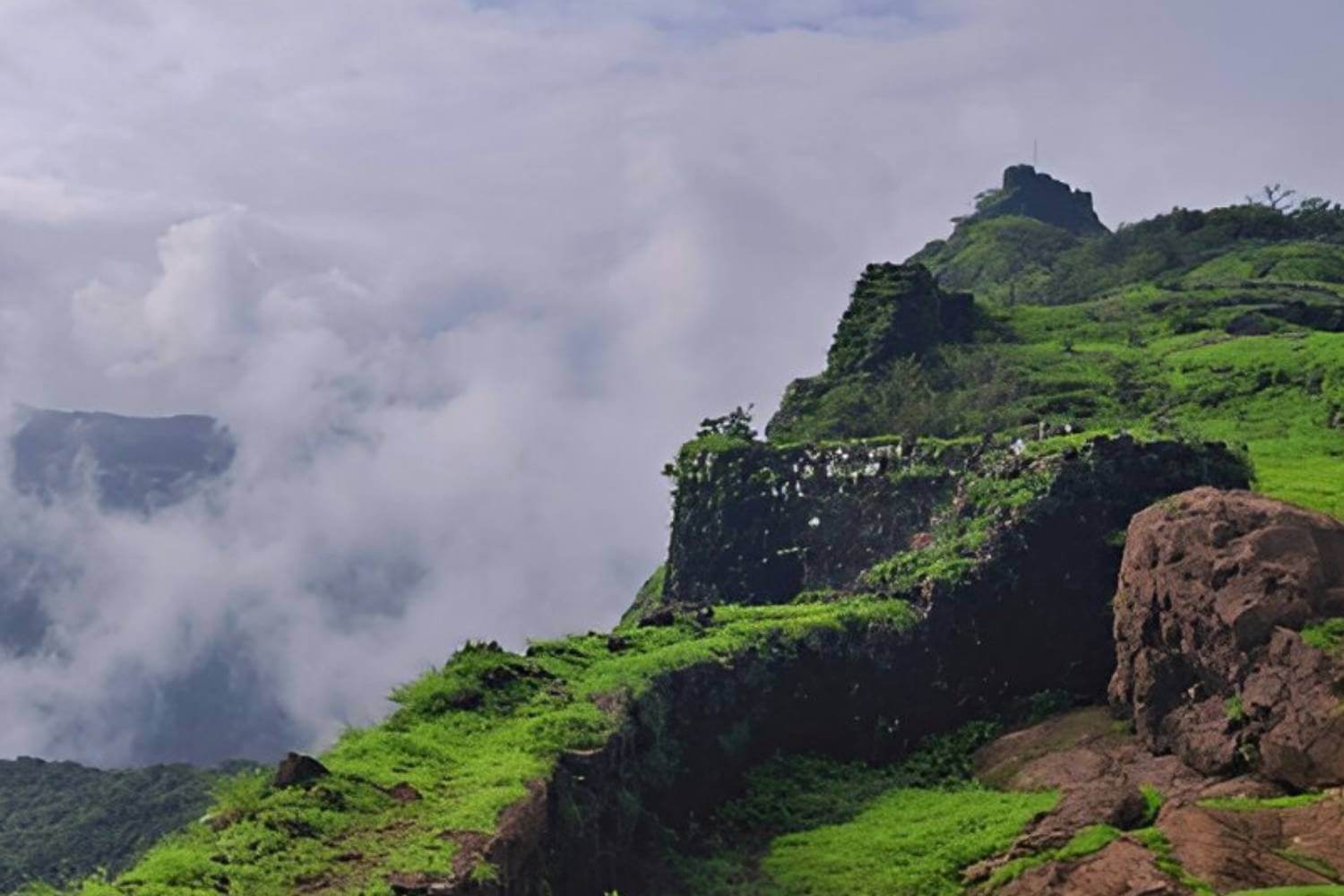
Rajmachi Fort – The Twin Fortresses
- Location: Near Lonavala, Maharashtra
Set against the backdrop of the Sahyadris, Rajmachi Fort is known for its twin fortresses, namely, Shriwardhan and Manaranjan, with a wide machi (plateau) surrounding the two Balekillas (watch towers). Though it pre-dates Shivaji, it gained strategic importance during his rule and was fortified further to monitor the Bor Ghat trade route. The lush greenery during monsoon and the historic caves make it a favorite among trekkers and history enthusiasts alike, and it’s certainly an important site among the list of 12 Maratha forts.
Khanderi Fort (Underi – Khanderi) – The Island Sentinel
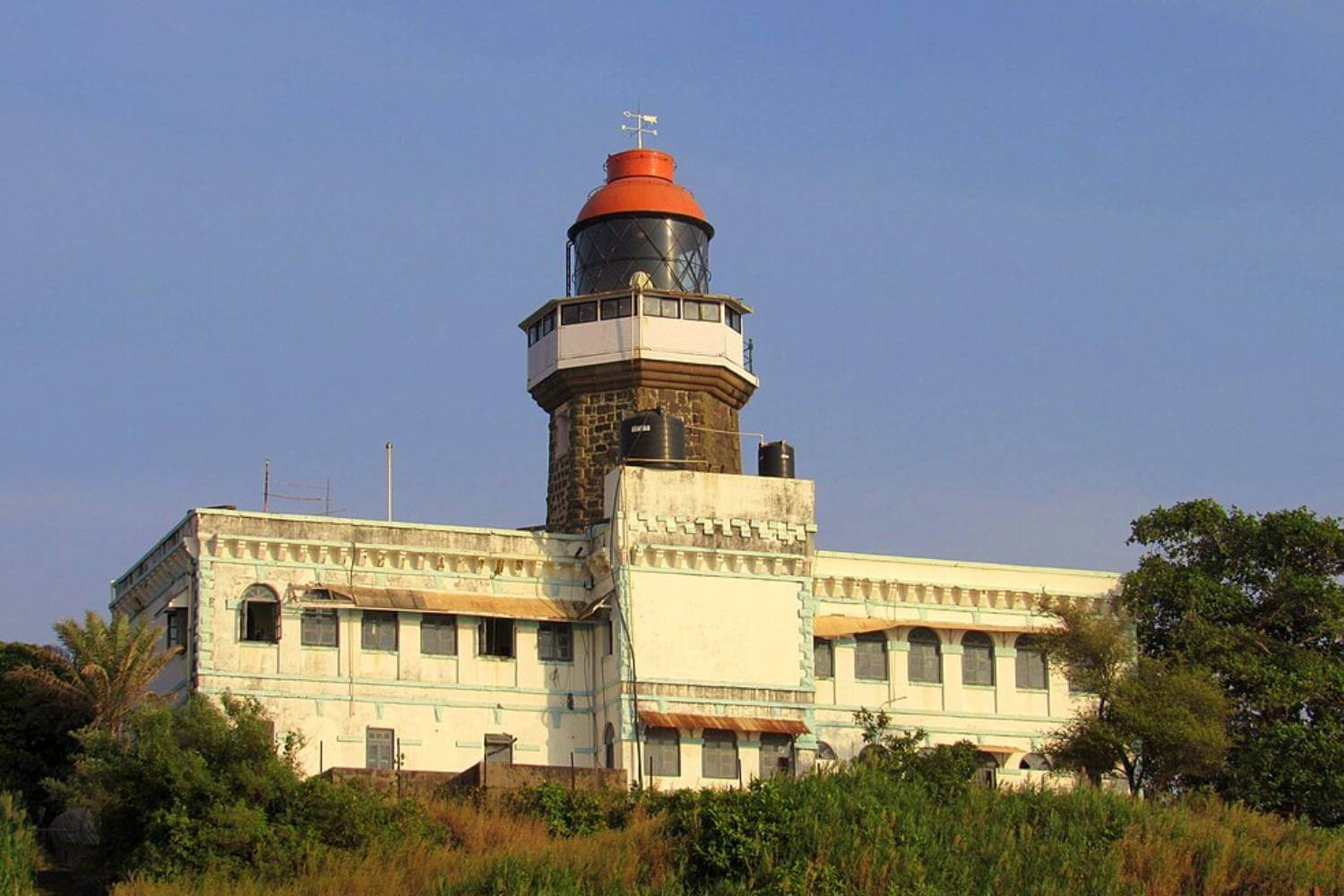
- Location: 20 km off the Coast of Mumbai, Maharashtra
- Built by: Shivaji Maharaj in 1679
Located about 20 km off the coast of Mumbai, Khanderi is a fortified island that, along with its twin fort Underi, played a pivotal role in the Maratha naval defense against British and Portuguese forces. These island strongholds were equipped with lighthouses, cannons, and maritime surveillance systems, reflecting Shivaji Maharaj’s strategic foresight in establishing a formidable naval presence. The fort also houses the tomb of Daud Pir, a revered local saint, and features a fascinating musical stone that produces metallic tones when struck. A secret passage is believed to connect it to the Kulaba Fort in Alibag. Today, Khanderi is accessible by boat and offers visitors a glimpse into the maritime prowess of the Maratha Empire.
Suvarnadurg Fort – The Golden Fort

- Location: Near Dapoli, Maharashtra
- Built by: Adil Shahi dynasty and further fortified by Shivaji Maharaj in 1660
Suvarnadurg, meaning “Golden Fort,” was a vital naval headquarters under Shivaji and later the Angres. It is located on the rocky island and served as a bastion of Maratha sea power, guarding trade and coastal integrity. The fort complex, a testament to Chhatrapati Shivaji Maharaj Fort design, includes land and sea fortifications and was known for its advanced surveillance mechanisms. It is believed that Kanakadurga Fort, along with other mainland forts like Bankot, Fattehgarh, and Gova, was primarily constructed as a network of lookout posts to safeguard the strategically important Suvarnadurg Fort.
Suvarnadurg itself lacks a proper landing jetty; instead, access is gained via the rocky island’s sandy shoreline. A narrow sea channel separates the mainland forts of Gova, Kanakadurga, and Fattehgarh, highlighting the region’s natural defenses. Notably, Suvarnadurg Fort is accessible only during low tide, when walking through its premises becomes significantly easier. Though partially in ruins, Suvarnadurg is a vivid reminder of Maratha maritime legacy.
Gingee Fort – Great Wall of South India
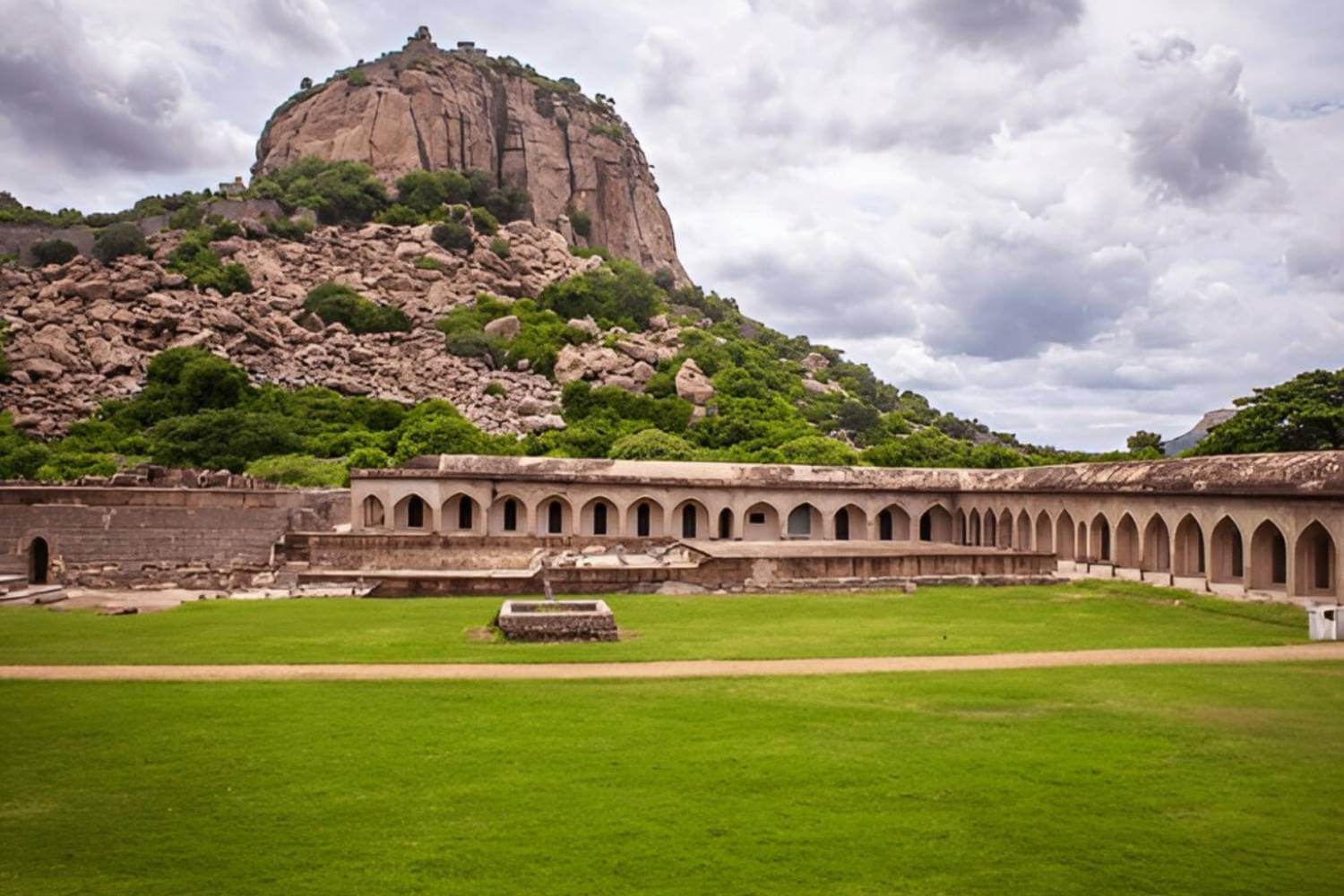
- Location: Viluppuram district, Tamil Nadu Originally
- Built By: Cholas, later captured by Marathas in 1698
The only fort in this list that lies outside Maharashtra, Gingee Fort was won for Swarajya by Subedar Harji Rajemahadik for the Marathas under the leadership of Shivaji in 1677 AD. It became a temporary Maratha capital during Aurangzeb’s southward invasion. Set across three hillocks and often called the Troy of the East, this Shivaji fort features enormous granaries, temples, and fortified citadels. Its inclusion highlights the expansive reach of the Marathas and their ability to adapt and fortify even in distant territories.
The UNESCO World Heritage designation is a global acknowledgment of cultural, architectural, and historical significance. With these Maratha forts, UNESCO recognizes the prominence of Maratha Military Landscapes, which were known for their innovative and location-specific military architecture; integration with natural terrain; strategic planning and use in Maratha guerrilla warfare; blend of utility, spiritual, and aesthetic design and enduring symbols of regional and national pride.
These forts are living chronicles of the Maratha spirit and a strong reminder of India’s rich, regional heritage. As we look to preserve and promote them, one thing is certain, the legacy of the Maratha forts will continue to inspire and endure.
Other Interesting Blogs to Read
About the author
From the Lake District, Nainital, Nidhi Singh is a travel writer whose love for mountains can be seen in her write ups. Talk about solo travelling, indulging in adventure activities, binging on good food, planning budget trips or the Aurora Borealis and you will get all her attention. It is the wanderlust that keeps her going and if at all she could get one wish granted she would love to live a life less ordinary. Follow her on Twitter, Facebook & Instagram.


 +91-9212777225
 Plan Your trip