The spiritual fabric of Gujarat is made of different patterns, textures and hues. Hinduism is the main religion that continues to pulsate throughout the state since the Vedic times. Nevertheless, other religions also have a long history related to Gujarat. The sacred land abodes oodles of shrines that drench tourists in every bit of spirituality. Each and every shrine of Gujarat is unique and has a story to tell.
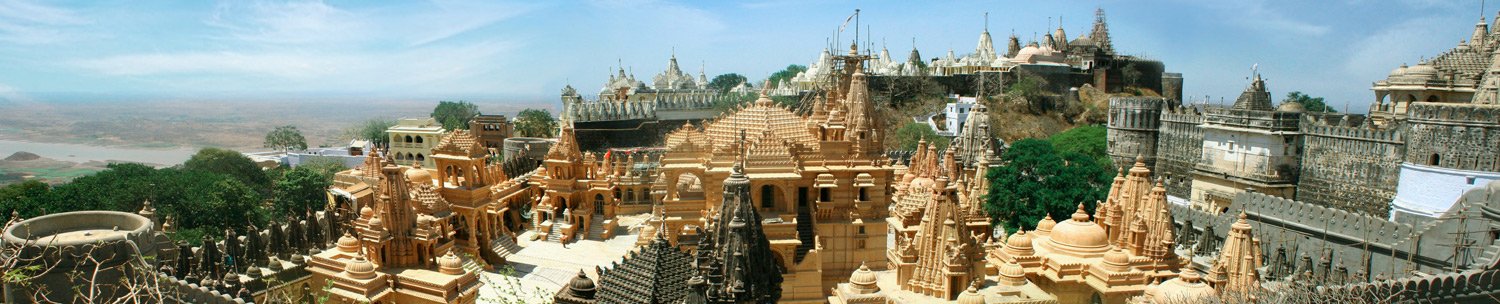
Ornately carved temples like Somnath and Dwarkadheesh temples are important Hindu pilgrimage shrines. Jama Masjid and Sidi Saiyyed Mosque are the evidence of the monumental heights Islamic architecture has attained in Gujarat. The state is home to numerous sites that have utmost significance for Parsis and Sikhs with their place of worship in Udwada and Lakhpat respectively. In Sikhism context, it is also said that Guru Nanak visited many regions in Gujarat, establishing Sangats wherever he went. Churches too found a vernacular expression in the state at the time when colonization entered India. Palitana, a pilgrimage site of Jain dharma, is an incredible hilltop sea of temples, built over 900 years. Such grand is the religious diversity of Gujarat.
There are many colourful and vivid shrines in Gujarat. People who are spiritual at heart and want to unravel the peaceful time should go for a pilgrimage tour to Gujarat. Peek into the pilgrimage destinations of Gujarat by clicking on the links below.
Hindu Pilgrimage – Go For a Spiritual Voyage
Gujarat is the land of Lord Krishna, Lord Shiva, Lord Vishnu and many other saints and lords in Hinduism. Experience the spiritual journey of the lifetime at the Hindu temples of Gujarat.
Click here for more details.
Islam Pilgrimage: Blend of Spirituality and Art
Talking about the leading Muslim pilgrimage destinations, one can't afford to miss Gujarat. Muslim rulers created their base in Gujarat in early 14th Century; they had at their disposal some of the finest craftsmen India has ever produced.
Click here for more details.
Jain Pilgrimage: Embrace Spirituality
Gujarat is deemed as the sacred destination for people of Jain community as this was the place where 22nd Tirthankara (propagators of Jain religion) attained salvation. Here tourists can see temples that are 3000 years old. In Gujarat, one can see beautifully carved temples that are approximately 3000 years old. Explore the beauty and carving of Jain temples on a spiritual trip to Gujarat.
Click here for more details.
Parsi Pilgrimage- Witness the Revered Fire Burning Bright
Gujarat is the first place in India where Zoroastrians landed. The Udvada Atash Behram in India is the oldest continuously burning fire-temple fire in the world.
Click here for more details.