Overview
Known to the world as the Jewel of Kathiawar, Jamnagar is an offbeat tourist holiday destination in Gujarat brimming with the ornate building, pristine coastal region and picturesque lakes. Located on the coast of Gulf of Kutch, Jamnagar is the largest city on the western region of India. In the heart of the city, there is a fort amidst the lake while the coastal area is covered with an oil refinery, which is largest in the world, beaches and spectacular Marine National Park. With exquisite Rajput architecture and pristine coastline, Jamnagar is Gujarat's lesser-known gems.
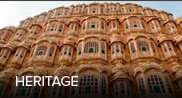
Jamnagar (former Nawanagar) came into limelight 444 years ago when it was established on the bank of Nagmatti and Rangmattiriver by the Shri Jam Raval, who is deemed as one of the heirs of Lord Krishna. The city witnessed a major makeover during the rule of KS Ranjit Sinhi, who was also a famous cricketer. Ranjit Sinhi, along with the famous architecture Edward Lutyens, reconstructed the city in European style and made many gardens, lakes and important landmarks like Willingdon Crescent, Pratap Vilas Palace, and Solarium were built under his patronage. After such major uplift, the city started getting the attention of people and was captioned "Jewel of Khathiyawad." Legends even say that Lord Krishna used to stay in this city when he moved out of Mathura.
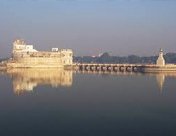
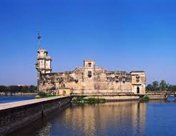
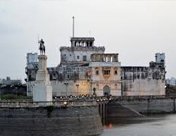
There are multiple attractions and places to see in Jamnagar but one place that dominates the old city is the Lakhota Fort, the original seat of Jamnagar ruler and Ranmal Lake, which surrounds the fort. Respiratory in the fort showcases finest sculptures from the nearby evacuation sites, dating from 9th to 18th centuries. Within the walking distance from Ranmal lake is the Kotha Bastion, which was once the storehouse of rulers' weapons'.
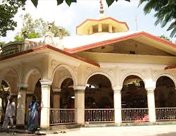
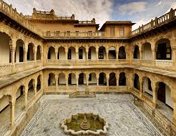
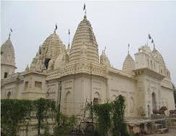
In the heart of the old city is the circular Darbar Gadh, an area where the rulers of Jamshedpur received members of the general public and heard their grievances. The lanes leading off from Darbar Gadh are worth exploring as one can see people putting together different colours and making the finest Bandhani fabric. In this area, there are two Jain temples, the Shantinath and Adinath temple, entirely covered with mirror, gold leaf, murals and mosaics, one cannot ignore these temples. Close to the temples is the 19th century Ratan Bhai mosque, its doors inlaid with mother-of-pearl.
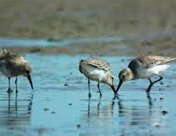
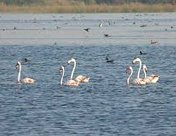
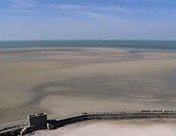
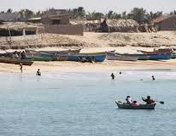
A place of eternal beauty, Jamnagar is also an ornithologist's paradise. Jamnagar has a start of the art ecosystem called Khijadiya Bird Sanctuary. This birding paradise houses many avian species like the black-winged kite, brahminy kite, great thick-knee, common greenshank, grey francolin, etc. A major part of Jamshedpur is hugging the Gulf of Kutch. The coastal area of Jamnagar is famed for Marine National Park. Evidently the first marine park in India, this is the only place in India where one can see coral reefs without diving in the water. Sights like pods of dolphin swimming in the water and migratory birds crossing the azure Gulf of Kutch are quite prominent. One can also visit the nearby beaches like Narara beach, Balachadi beach, and Madhi beach to bask in the sun or for long walks.
Making brass utensils, and tie-dye fabrics were the main occupations of Jamnagar people until there was emergence in the refinery sector. Refinery complex owned by Reliance in Jamnagar is the world's largest oil refinery in the world, which on an average 660,000 barrels of crude oil per day. Earlier, Jamnagar was also called 'pearl city' as many as it was a pearl fishing center with one of the biggest pearl fisheries in the world.
Jamnagar is a mixture of ancient sites and natural beauty, with a healthy dash of breathtaking sites thrown in. From lakes to places to gardens to museums, Jamnagar has a lot to offer to tourists.
Major Tourist Attractions in Jamnagar:
| Khijadia Bird Sanctuary |
Marine National Park |
Bedi Port |
Bala Hanuman Temple |
| Lakhota Talav |
Darbargadh |
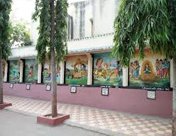
Adinath Mandir Jain Temple |
Pirotan Island |
| Ayurvedic University |
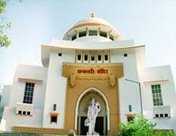
Lakhota Museum |
Balachari Beach |
Lakhota Palace |
Things to Do in Jamnagar
- Go for shopping to the Old City, also known as Chandi Bazaar, a market known for Bandhani sarees and silver jewellery.
- Hope in a ferry and explore the unique marine world at the Marine National Park, a gorgeous and isolated park encompasses 42 islands, 33 of which are ringed by a coral reef. Also, one can spot hoards of dolphins and unique aquatic species swimming in the water.
- Go for a nature walk to the Khijadiya Bird Sanctuary and spot different types of birds.
- Enjoy a boat ride with your loved ones at the Lakhota Talav.
Interesting Facts
- Oil refinery operated by Reliance Petroleum Ltd in Jamnagar is the world's largest grass route refinery.
- Marine National Park in Gulf of Kutch, Jamnagar District, is India's first marine park. It is the only place in the world where one can see reef without diving into the water.
- According to the Guinness Book of Records, world's largest Rotla, weighing 63.99 kg (141 lb 1 oz), was made by Shree Jalarm Mandir Jirnodhar Samitee, an organization in Jamnagar.
- Bala Hanuman Temple in Jamnagar is also listed in the Guinness Book of Records for the longest continuous chanting of "Ram Dhun."
- In the 16th century, Jamnagar was a pearl fishing center with one of the biggest pearl fisheries in the world.
Where to Stay
For the comfortable stay for tourists, there are many hotels and homestays in Jamnagar that offers all the services that tourist can ask for at affordable prices. Mostly hotels located in the city are built in the close proximity of many tourists attractions. In Jamnagar, one can hardly find any five-star accommodations, but there are many four star hotels that offers tourist once in a lifetime experience without burning hole in the pocket. For all the accommodation type, it's advisable to book in advance ahead over festivals. Mentioned below are some decent deluxe and recommended hotels in Jamnagar where tourists can book their stay.
- Hotel Fortune Palac
- Hotel President
- Hotel Ashiana
- Hotel Vraj Inn
- Hotel Express Residency
- Hotel Keshwaras Residency
- Hotel Aram - Heritage Hotel
- Nova KD Comfort
- Hotel J R Avezika Comfort
- Hotel Vishal International