Overview
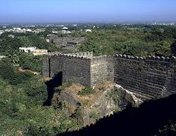
Junagadh, one of the Gujarat's most inspiring and beautiful districts, is a heady mix of marvellous architecture and vibrant street life. The literal meaning of the term "Junagadh" is "old city", the city takes its name from Uparkot, an ancient fort built in the 4th century CE on a plateau at the eastern edge of the town. Junagadh is also known as "Sorath", the name of the earlier Princely State of Junagadh. In Junagadh, one can see in inscriptions, edicts, caves, temples, forts, stepwells, tanks and canons dating back to 2nd century AD, and not to forget the Girnar Hill.
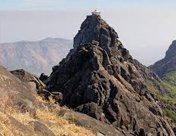
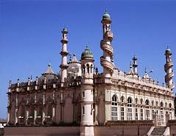
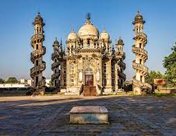
Amongst the numerous attractions in Junagadh, places like Girnar, Mahabat Maqbara, Uperkot fort, Sakkarbaug Zoological Garden, Damodar Kund and Damodarji Temple, are most favourite of the tourists. Jungadh's main attraction, however, remains the Girnar hill, located towards the east of the city. Girnar Hill is an extinct volcano, which has been a holy site for Buddhist, Jains and Hindus since the 3rd century BC. On the hill, one can easily notice cluster highly revered Hindu and Jain temples. In the 18th century, Nawabs took control of Junagadh and made many buildings and public sites which are still the famous tourist attraction. Close to the main city, the Gir National Park is one of the most popular national parks in India. Gir National Park is a must visit for every nature lover as it is home to the endangered Asiatic Lions.
A fairytale moat, lovely palaces and a temple are its chief attractions today. The tinsel town still preserves the old world charm and houses several remnants dating back to the medieval era. A tour to Junagadh will allow one to capture the different facets and true essence of Gujarat.
Things to Do and See in Junagadh
- Go for a heritage walk to the historical places of Junagadh
- Try scrumptious Gujarati food at any restaurant.
- Animals and nature lovers can go for a jeep safari to Gir National Park.
Where to Stay
In Junagadh, one can find accommodations and service while also being easy on the wallet. Junagadh offers plenty of accommodation options, from deluxe to 4-star hotels. Homestay facility is also available in the hotel, allowing one to explore Junagadh at a lower price.
In Gir National Park, one can find jungle resorts and hotels. Most of the hotels/resorts are located at or around the fringes of Gir National Park. All these accommodation options offer wonderful infrastructure, exceptional facilities and impeccable services at a very reasonable price. Some of the best hotels, resorts and homestays in Junagadh are listed below:
Hotels & Resorts
- Asiatic Lion Lodge
- Indralok
- Leo Resort
- Hotel Anil Farm House
- Shaan-e-gir Forest Camp Resort
- The Fern - Gir Forest Resort
- Magnum Inn
- Gir Lodge
- Harmony
- Sapphire
- Sapphire
- Vishala
- The Lotus
Homestays:
- Ansuyaben Bavakubhai Vala
- Bharat Pandit & Dinesh Pandit
- Dhanbaiben H Vikma
- Mr. Dhirendrasinh Naranbhai Dodiya
- Satyjitbhai M Sekhva
- Urmilaben Gokaldas Vithlani
- Vanitaben C Makwana