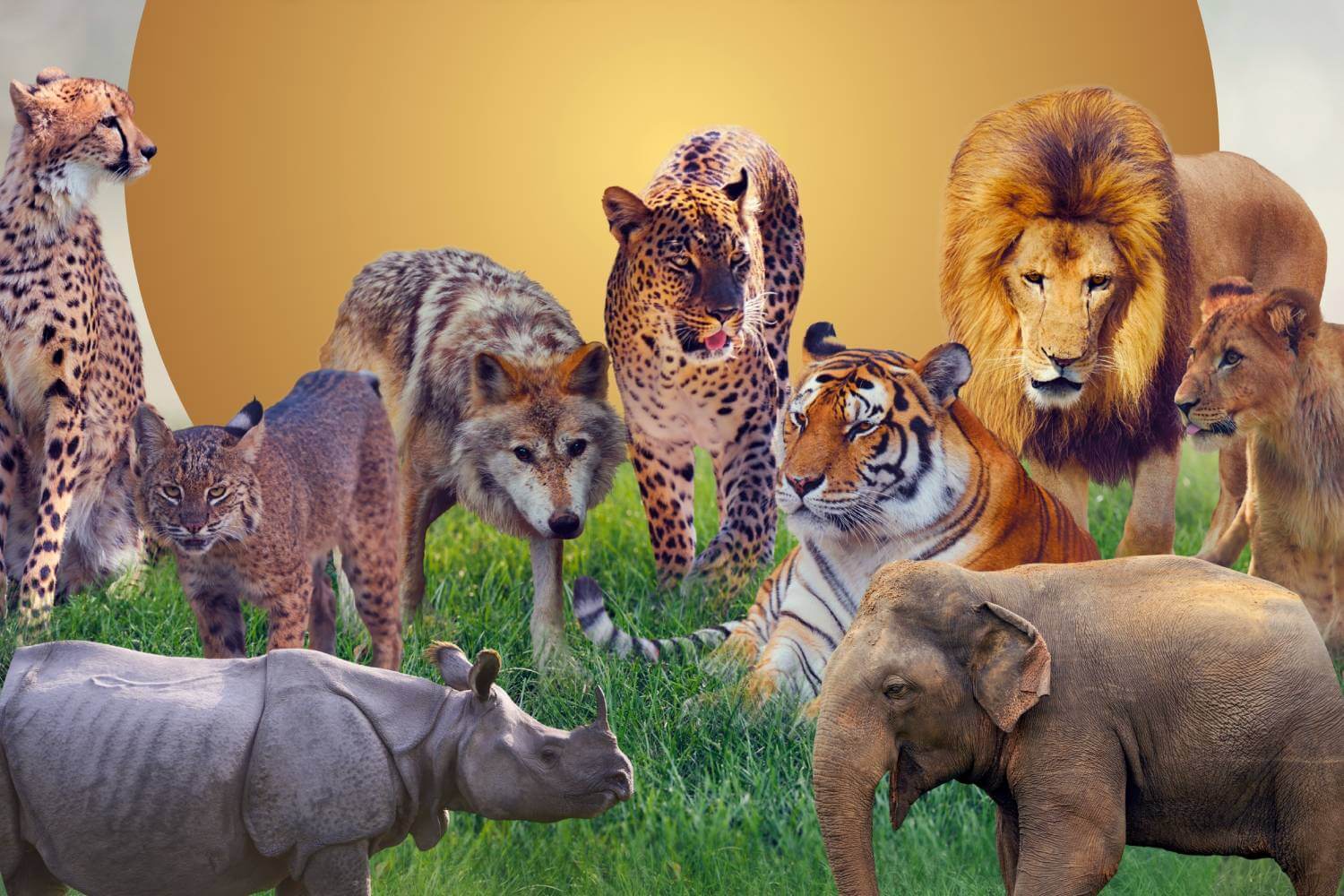
Wildlife is an essential part of the earth’s ecosystem for maintaining a healthy ecological balance on the planet. Each organism on this earth has a unique place in the food chain that helps contribute to the ecosystem in its own special way.
Sadly today, as per the IUCN report, more than 47,000 species are threatened with extinction, which is 28% of all assessed species.
In 2025 alone, we have seen how unchecked deforestation, mining, and road construction are destroying fragile Himalayan ecosystems: destabilizing slopes, disrupting rivers, and accelerating habitat loss. These actions not only endanger wildlife but also put human lives at risk, as evidenced by the flash floods in Dharali, Manali, and Kishtwar, along with the recent Punjab floods. The extinction of species is not a distant concern; it directly threatens human survival by weakening ecosystems that sustain us. Saving wildlife means protecting our planet, our people, and our shared future.
Here are some important reasons that will provide you with an in-depth understanding of why we should save wildlife and why it plays such a significant role in maintaining an ecological equilibrium on Earth:
- For a Healthy Ecosystem
- For Protection Against Climate Change
- For Medicinal Values
- For Agriculture and Horticulture
- For a Healthy Environment
- For Preserving Rich Biodiversity
- For Recreation
- For Economic Value
- For Livelihood of Individuals
- For Aesthetical Value
- For Socio-Cultural Value
For a Healthy Ecosystem
The ecosystem is all about relationships between different organisms connected through food webs and food chains. Even if a single wildlife species gets extinct from the ecosystem, it may disturb the whole food chain, ultimately leading to disastrous results. Consider a simple example of a bee that is vital for the growth of certain crops due to its pollen-carrying role. If bees get reduced in numbers, the growth of food crops would definitely lower owing to lack of pollination. This highlights the critical importance of conservation of wildlife to maintain ecological stability.
Similarly, if a species increases in number, again it can have an adverse effect on the ecological balance. Consider another simple case of carnivores, whose numbers are depleting every day due to human poaching and hunting. The depletion of the population of carnivores is leading to an increase in the number of herbivores who are dependent on forest vegetation for their survival. It would not be long before the number of herbivores in forests would soar to such a great extent that they would move to agricultural lands and villages for their food needs. Therefore, conserving wildlife plays a great role in ensuring a check on the ecological balance, thereby maintaining a healthy ecosystem.
For Protection Against Climate Change
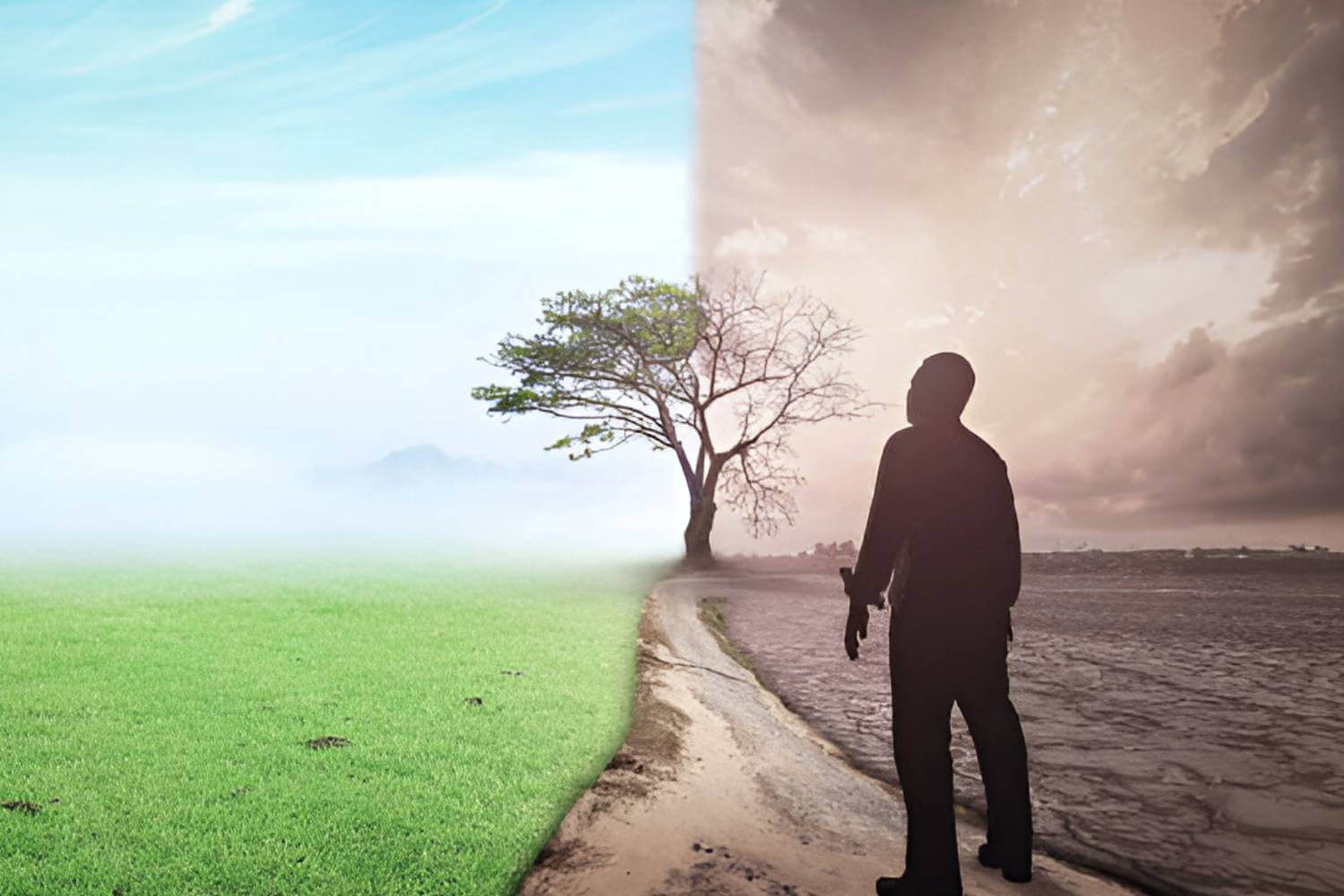
Wildlife and ecosystems are crucial in mitigating climate change impacts. Forests, as carbon sinks, absorb carbon dioxide from the atmosphere through photosynthesis. Deforestation releases massive stores of carbon back into the atmosphere, diminishing the planet’s capacity to absorb future emissions and causing extreme weather events and sea-level rise. This is why efforts to save wildlife often go hand-in-hand with strategies for climate change mitigation.
Coastal ecosystems like mangroves, coral reefs, and salt marshes provide vital buffers against rising sea levels and intense storms. These habitats are teeming with diverse marine life, and their preservation is a key aspect of protecting wildlife in vulnerable coastal zones while simultaneously enhancing our resilience to climate impacts. On the other hand, large herbivores and carnivores can indirectly affect ecosystem dynamics. Understanding these complex interactions is crucial for the conservation of wild animals in a climate-changing world.
For Their Medicinal Values

A number of plant and animal species are used for the benefit of humans in one way or another. Many medicines, such as aspirin, penicillin, quinine, morphine, and vincristine, have been derived from uncultivated plants. If we talk about the ancient medicinal system of Ayurveda, it has also been using extracts and juices from various plants and herbs to cure problems like blood pressure, diabetes, and many other neurological problems for ages.
It’s not only the plants that are useful; many of the extracts from animal species are rich in nutrients and antioxidants. For instance, the oil from the liver of codfish is rich in omega-3 and omega-6 antioxidants that help fight aging, chemicals derived from shrimps and lobsters are used in treating fungal infections, and the venom of the cobra is used as a cure for leprosy, and the list does not end here. Today, various species of animals are also being studied and researched to find cures for deadly diseases like cancer, Alzheimer’s, and Parkinson’s. Recent advancements in biotechnology continue to uncover new therapeutic potentials from nature’s pharmacy, underscoring why we should save wildlife and its genetic diversity.
For Agriculture and Horticulture
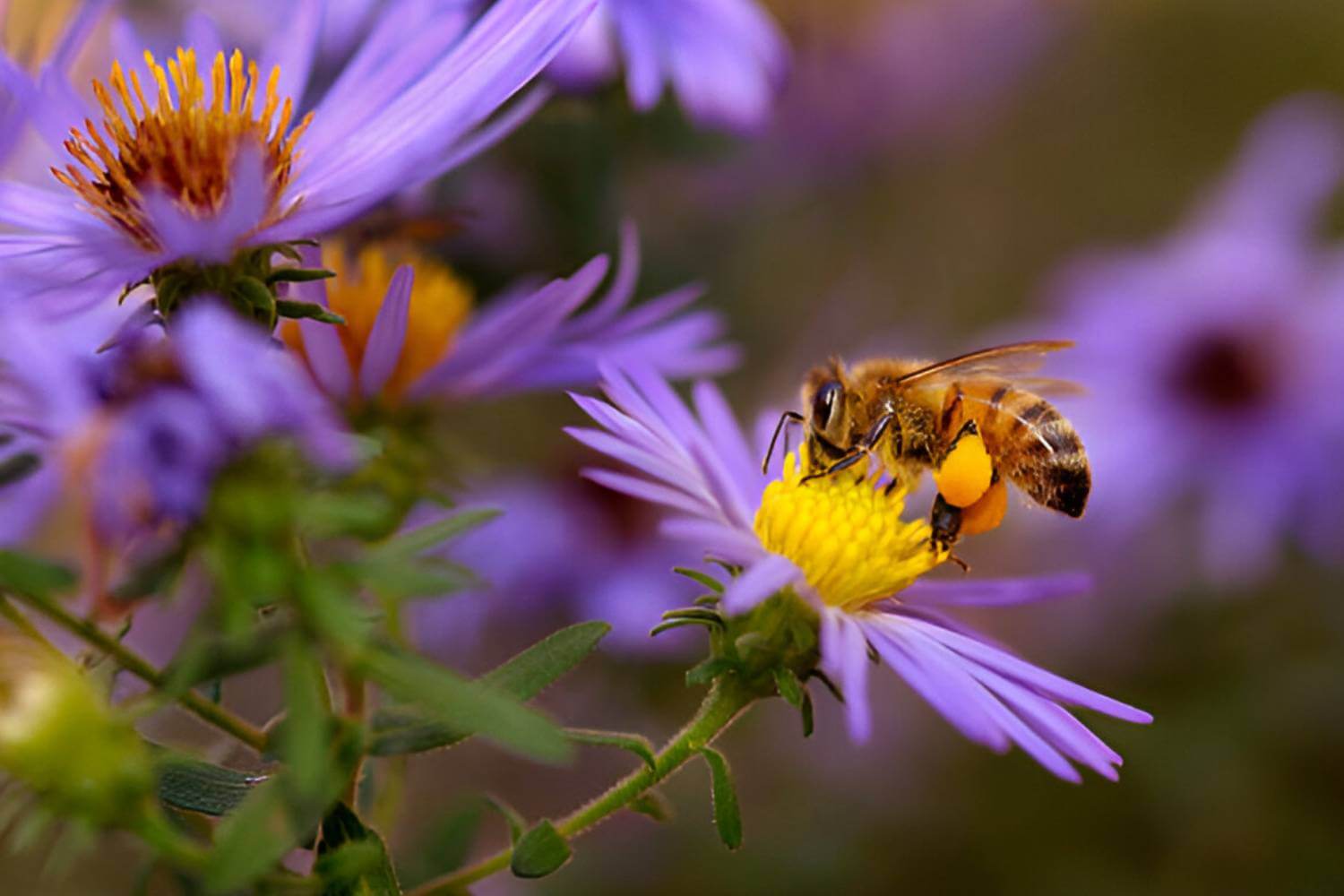
Human population largely depends on agricultural crops and plants for its food needs. Are you aware that wildlife plays a significant role in the growth of these crops? If not, let’s understand the concept. The fruits and vegetables that we get from plants are a result of a process called pollination, a reproduction system in plants wherein the pollen grains from the male flower are transferred to the female flower, resulting in the production of seeds. Now, for the pollination to occur, birds, bees, and insects, which are some of the tiniest species on this planet, play an important role. It is through these insects and birds that the pollens are transferred between flowers as they move from one flower to the other.
The crop growth can be significantly affected if the pollen-carrying birds and insects are reduced in numbers for whatsoever reason. You would be amazed to know that globally, about 75% of the leading food crops rely on animal pollination. This highlights the crucial role wildlife plays in our food security. Besides pollination, many birds also play an important role in controlling pests by feeding on them. This natural pest control is a cost-effective and environmentally friendly alternative to chemical pesticides, further emphasizing why we need to protect wildlife species that contribute to the ecosystem.
For a Cleaner, Safer Environment
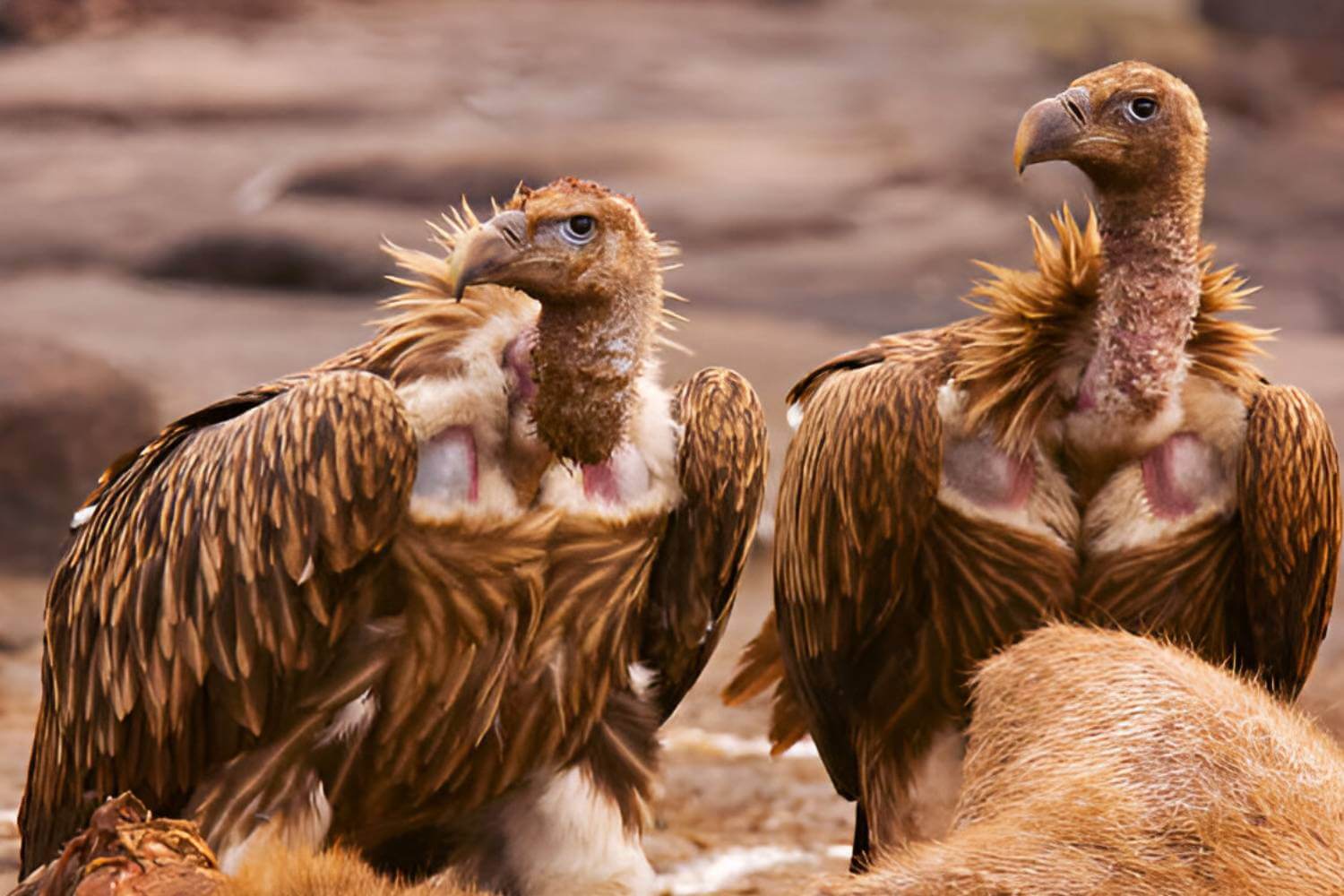
Wildlife also plays a significant role in keeping the environment clean and healthy. Many microorganisms, bacteria, slime molds, fungi, and earthworms feed on plant and animal wastes, decomposing them and releasing their chemicals back into the soil, thus replenishing it with nutrients, which, in turn, are taken up by the roots of plants, enabling them to grow and develop.
Do you know that birds like eagles and vultures also play a great role in nature conservation? These scavengers help remove the carcasses and dead bodies of animals, thereby keeping the environment clean. Just imagine a life surrounded by layers of dead bodies lying near us, undecayed and unrotten. Thanks to these species who are helping us to live in a clean and healthy environment.
For Preserving Rich Biodiversity

Scientists and researchers are aggressively working these days to preserve plants and animals through ‘gene banks.’ These gene banks are a storehouse of cells and tissues of scores of wildlife species that play an important role in agriculture and farming. With these cells and tissues, not only can the original plant varieties and animal breeds be regenerated in times of wildlife epidemics, climate changes, or any such natural calamities resulting in reduction or extinction of these species, but also new varieties and breeds with improved genetic traits can be generated, thus increasing chromosomal diversity within species. The Svalbard Global Seed Vault, for instance, holds millions of seed samples, serving as a critical backup for global food security.
Besides cells and tissues, gene banks also store plant seeds, sperm, eggs, and embryos of numerous mammal species. Storing reproductive organs, such as ovaries and testes, is also getting common with the advancement in science and technology. If we talk about what benefits the cross-bred varieties of plant and animal species can have, there are several. The plant species with improved genetics tend to be high-yielding, more resistant to diseases & pests, and also contribute to soil improvement. Crossbreeding has also proved to be highly beneficial in dairy cattle, with improved genetic species yielding more milk and showcasing better health and fertility. Such innovations in preserving and enhancing biodiversity are key to how we can save wildlife for future generations, especially in the face of environmental challenges.
For Recreation Benefits
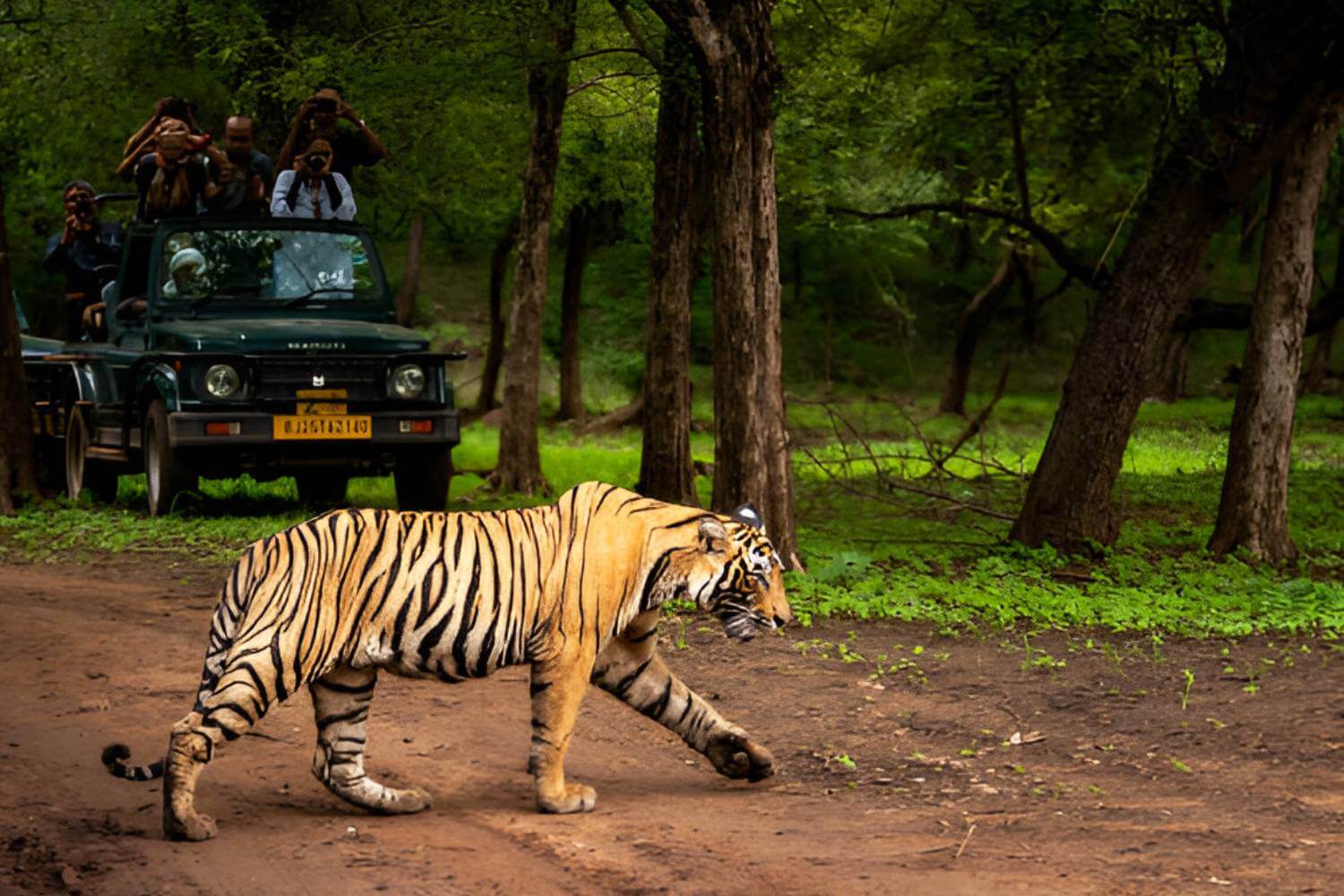
Have you ever wondered where you will go for wildlife safaris, nature photography, and bird watching if there are no forests? Where will you go fishing and angling if no fish are left in lakes and rivers or, in the worst-case scenario, these water bodies disappear due to climate change? If you have never thought about these questions earlier, this is the right time, as forests, wildlife, oceans, rivers, and lakes are under major threat.
Ecotourism, a growing sector, relies heavily on pristine natural environments and diverse wildlife, directly linking conservation efforts to recreational opportunities. With humans destroying nature at such a fast pace, it will not be long before we will have only limited options for recreational activities in the lap of Mother Nature. If we do not start thinking about how to save animals now, the day is not far when, instead of taking our children to zoos or wildlife parks to see them in real life, we will be pointing to their pictures in books—marked with the haunting label ‘Extinct Species.’
For Economic Value
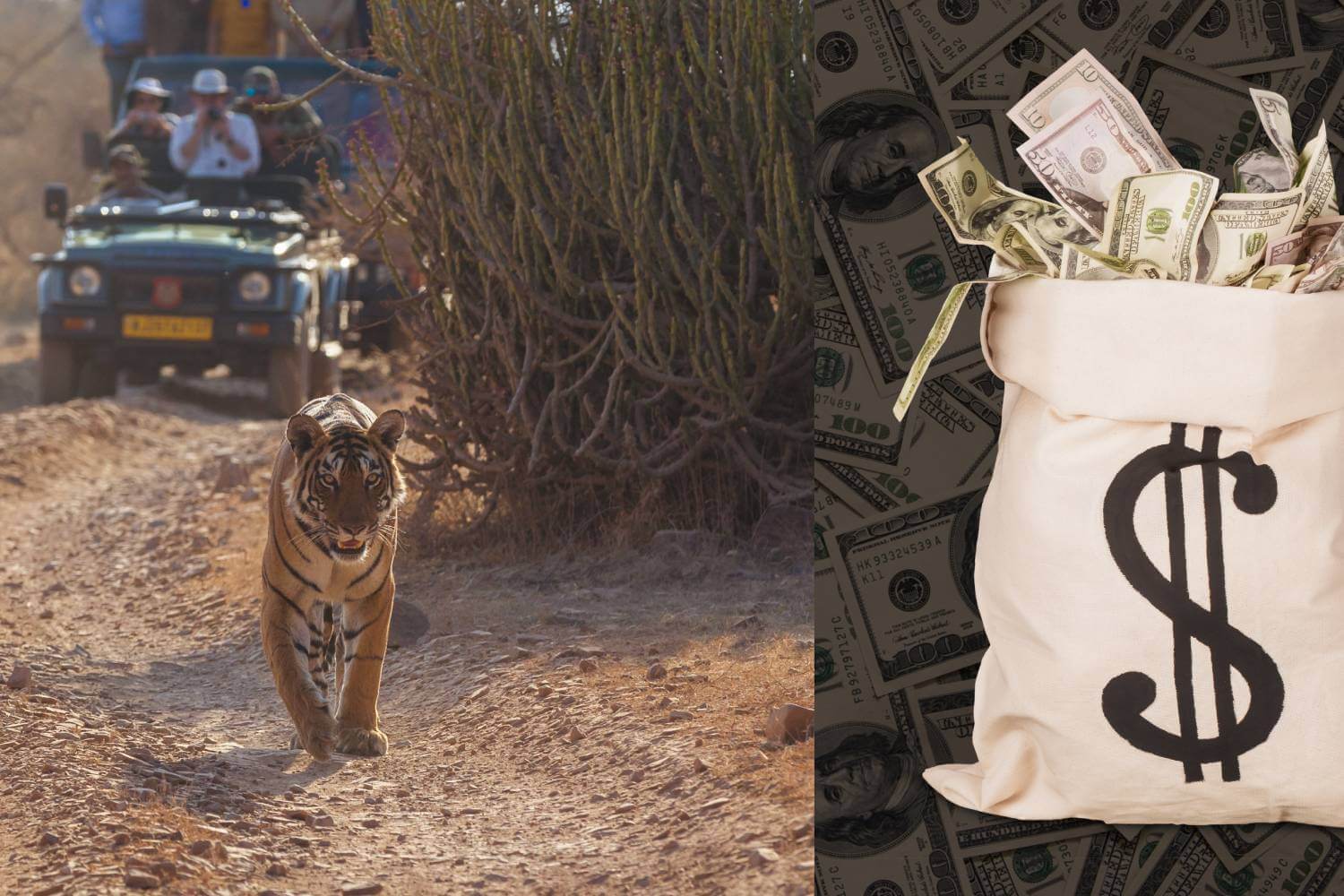
Wildlife also plays an important role in improving the economy of the country. Inviting tourists from all across the globe to witness endemic and rare species through their offerings for game safaris and birding tours, wildlife reserves and forests greatly contribute to the inflow of foreign exchange, thereby increasing the country’s GDP. For example, wildlife tourism in India contributes roughly 5-6.5% to the country’s GDP.
It’s not just wildlife safaris or birdwatching that boost the country’s economy; adventure activities like trekking, fishing, and river rafting also require permits and licenses, with their fees directly contributing to government revenue. The cost of a tourist’s travel, local transportation, food, accommodation, and sightseeing all indirectly contribute a significant amount to the nation’s economy. With the influx of tourists, seasonal job opportunities for localites also increase significantly, which again adds as a contributing factor to improved GDP.
It is for this reason that many countries are today promoting wildlife tourism, even if they have to go to the extent of creating artificial habitats by importing flora and fauna from countries rich in these resources. Singapore is one such example where the government has taken several steps to host wildlife from other parts of the world just to promote tourism in their country.
For Livelihood of Individuals
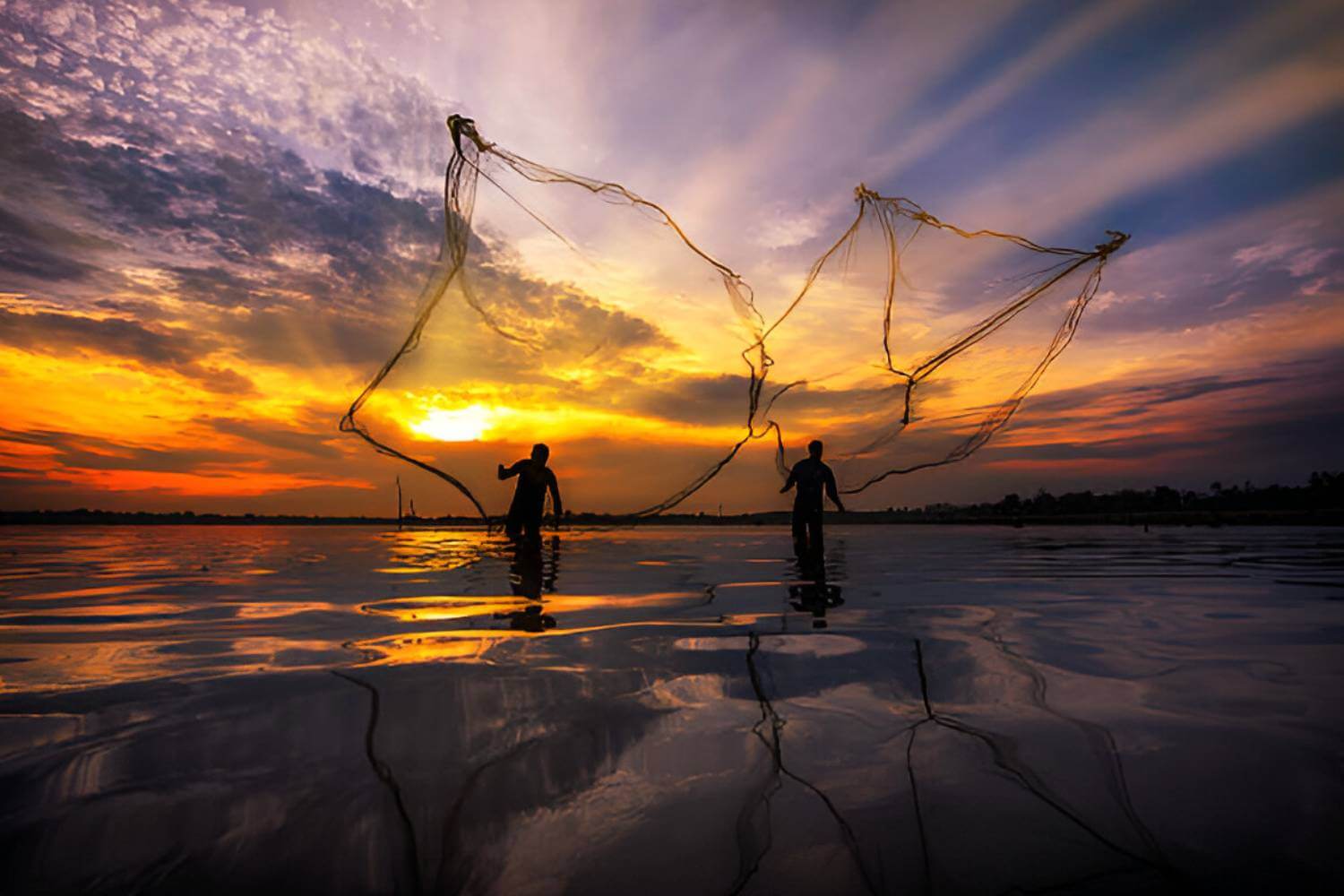
For many, wildlife is the source of income and provides them with their daily bread and butter. Consider the simple case of fishermen who greatly rely for their income on their daily catches or the farmers who heavily depend on a healthy crop yield for their livelihood. Similarly, many industries, such as textile, paper, timber, and rubber, highly depend for their revenue on wildlife. Consider another common case of hotels and resorts sitting near wildlife parks. These will only be able to generate revenue if the park and its animals remain conserved and protected.
There are many other people employed in wildlife-based ventures, such as the ones supplying fishing gear, snorkeling and scuba-diving equipment, binoculars for bird-watching, porters, guides, drivers, and mahouts (the list is endless), who benefit from wildlife tourism. There is a great market across the world for exotic animal products such as leather bags, belts, fur jackets, ivory crafts, and jewelry. In regions where the legal and ethical sourcing of wildlife products is permitted and practiced sustainably, many people working in these trades depend heavily on wildlife for their livelihoods while also supporting local communities.
So, if one day the flora and fauna go missing from the earth, it will not only have an impact on the livelihoods of these people who are directly dependent on the wildlife, but it will also have a snowballing effect on the human race. Have you ever thought about where we will get fruits, vegetables, grains, wood, and clothes?
For Aesthetical Value
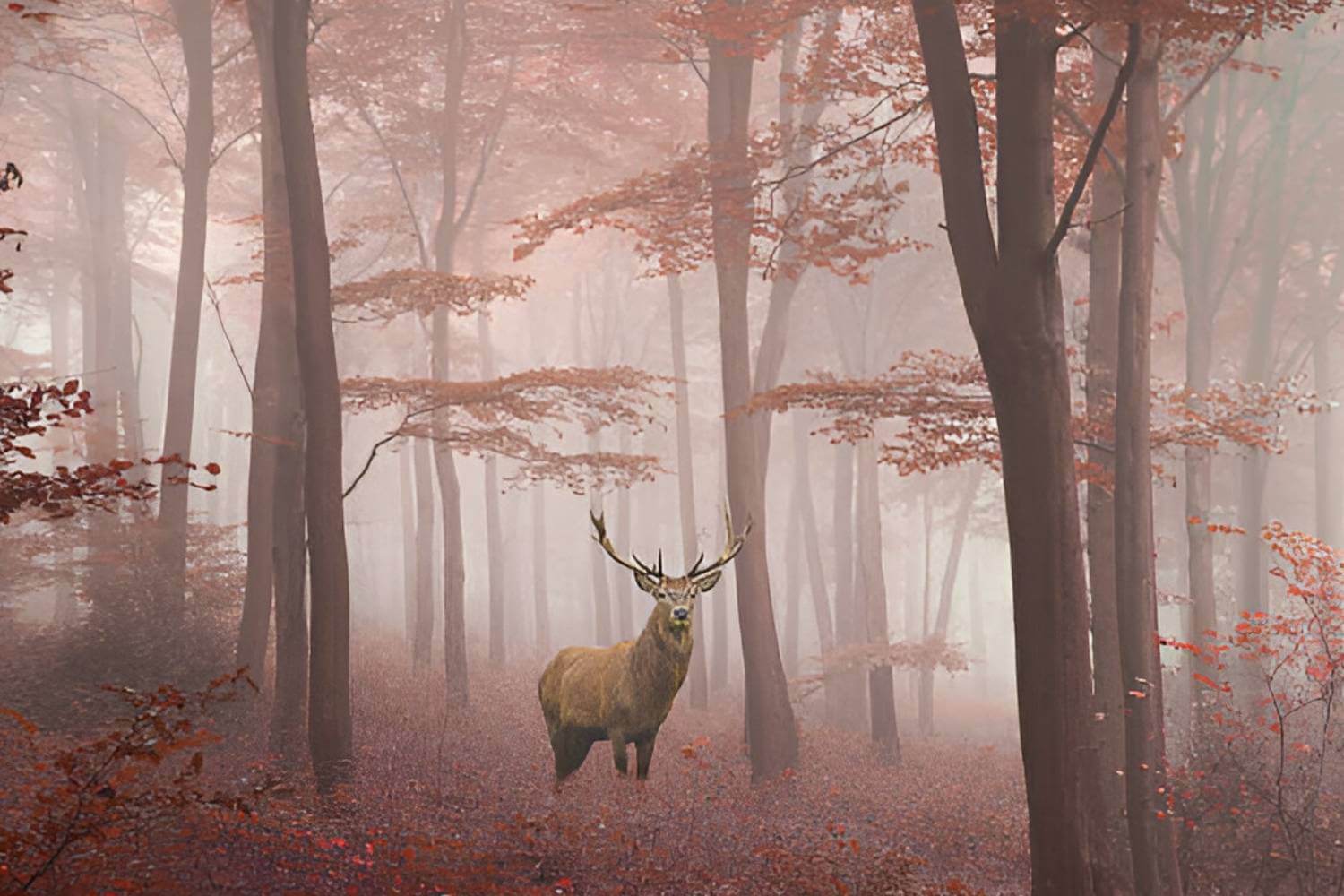
Don’t you feel good if there’s lots of greenery, colorful flowers, and beautiful birds around you? Obviously, you do, and everybody does. And needless to say, wildlife and nature obviously have an important role in imparting beautiful aesthetics to our planet. Forests, rivers, oceans, birds, and animals all contribute to beautifying the earth in a major way. If there were no forests, rivers, and animals or birds, earth would turn into a barren land with no traces of life. Therefore, if you want to live in a place that is bustling with life, colors, and happiness, save wildlife and save nature NOW!
For Socio-Cultural Value

Wildlife also has an important role to play in different cultures. Many animal and plant species actually represent the cultural backbone of the community. Certain animals are even associated with particular gods and goddesses and are often symbolic of a deity’s power. For instance, the cow is revered as a mother in Hinduism and therefore holds a significant religious value. Similarly, hawks and eagles are considered to be sacred in Native American culture. If these cultural associations with wildlife had not been formed by our fore-fore-ancestors, some of these species that greatly contribute to human well-being on earth would have gone extinct centuries back. These deep-rooted cultural connections underscore the holistic value of conservation of wild animals beyond ecological and economic considerations.
Steps to Conserve Wildlife
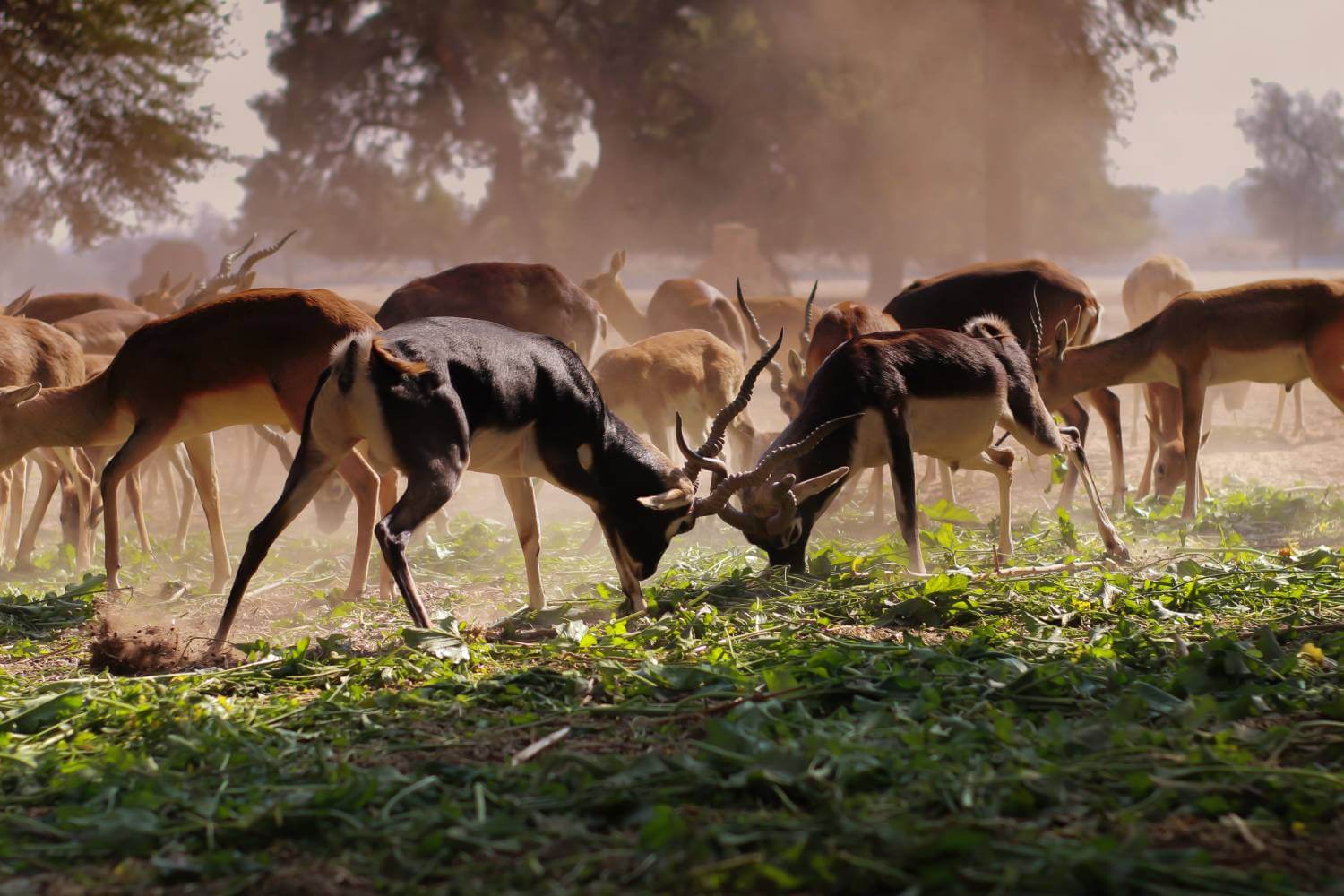
The task of protecting our planet’s invaluable wildlife might seem daunting, but it’s a collective responsibility that begins with understanding and individual action. Here are crucial steps to conserve wildlife:
- Reduce Your Carbon Footprint: Minimize your energy consumption at home, opt for public transportation or carpooling, and choose sustainable products.
- Support Wildlife-Friendly Businesses and Products: Choose products that do not contribute to deforestation or illegal wildlife trade. Your consumer choices have a direct impact on protecting wildlife sanctuaries and habitats.
- Educate Yourself and Others: Share the experience of wildlife with friends, family, and community members, and let everyone understand why we should save wildlife.
- Volunteer or Donate to Conservation Organizations: Many non-profit organizations work on this cause. Volunteer or support a wildlife sanctuary or other conservation projects to make a difference.
- Participate in Citizen Science: Participate in programs involving people in scientific data collection, such as bird counts or plant surveys, to monitor species populations and environmental changes.
- Advocate for Stronger Wildlife Protection Laws: Support policies strengthening wildlife protection and combating poaching.
- Reduce, Reuse, Recycle: Minimize waste, especially single-use plastics, to protect marine life and reduce the use of animal products.
- Enjoy Wildlife, but from a Distance: Adhere to guidelines in national parks and wildlife sanctuaries, such as not feeding animals or leaving trash behind.
Protecting wildlife requires a collective effort from everyone. While governments are continuously strengthening wildlife protection laws and enhancing enforcement, public involvement is equally vital. Each of us can contribute by taking small, meaningful steps to conserve wildlife and safeguard the environment. We hope you found this blog insightful. Share your thoughts and let us know if you’d like to see more such content on our site.
Other Interesting Blogs to Read
About the author
From the mesmerizing land of Garhwal, Pawan Kotiyal is a well-travelled writer. With a strong belief in living each moment in adventure; Pawan likes to set out on difficult treks and rafting expeditions. He has keen interest in nature photography and writing informative blogs on travel and wildlife conservation.


 +91-9212777225
 Plan Your trip