Jim Corbett National Park in Uttarakhand isn’t just India’s oldest tiger reserve — it’s the birthplace of the country’s wildlife conservation movement. Established in 1936, this legendary park protects Bengal tigers, Asiatic elephants, and over 600 bird species across its lush forests and river valleys.
Whether you’re planning a wildlife safari in Jim Corbett or simply curious about its history, here are 15 amazing facts about Jim Corbett National Park that make it one of India’s most celebrated wildlife destinations.
India’s First National Park
Founded in 1936 as Hailey National Park, it was later renamed Jim Corbett National Park to honor the British-Indian conservationist Edward James Corbett, a man who turned from hunter to protector.
Birthplace of Project Tiger
In 1973, Jim Corbett became the first site under Project Tiger, India’s most ambitious program to save Bengal tigers from extinction. As per the Ministry of Environment, Forest & Climate Change (MoEFCC), the park played a critical role in reviving tiger populations nationwide.
It’s 89 Years Young (and Still Roaring)
In August 2025, Jim Corbett National Park marked 89 years of wildlife protection, making it a symbol of India’s commitment to ecotourism and responsible travel.
Home to One of India’s Highest Tiger Densities
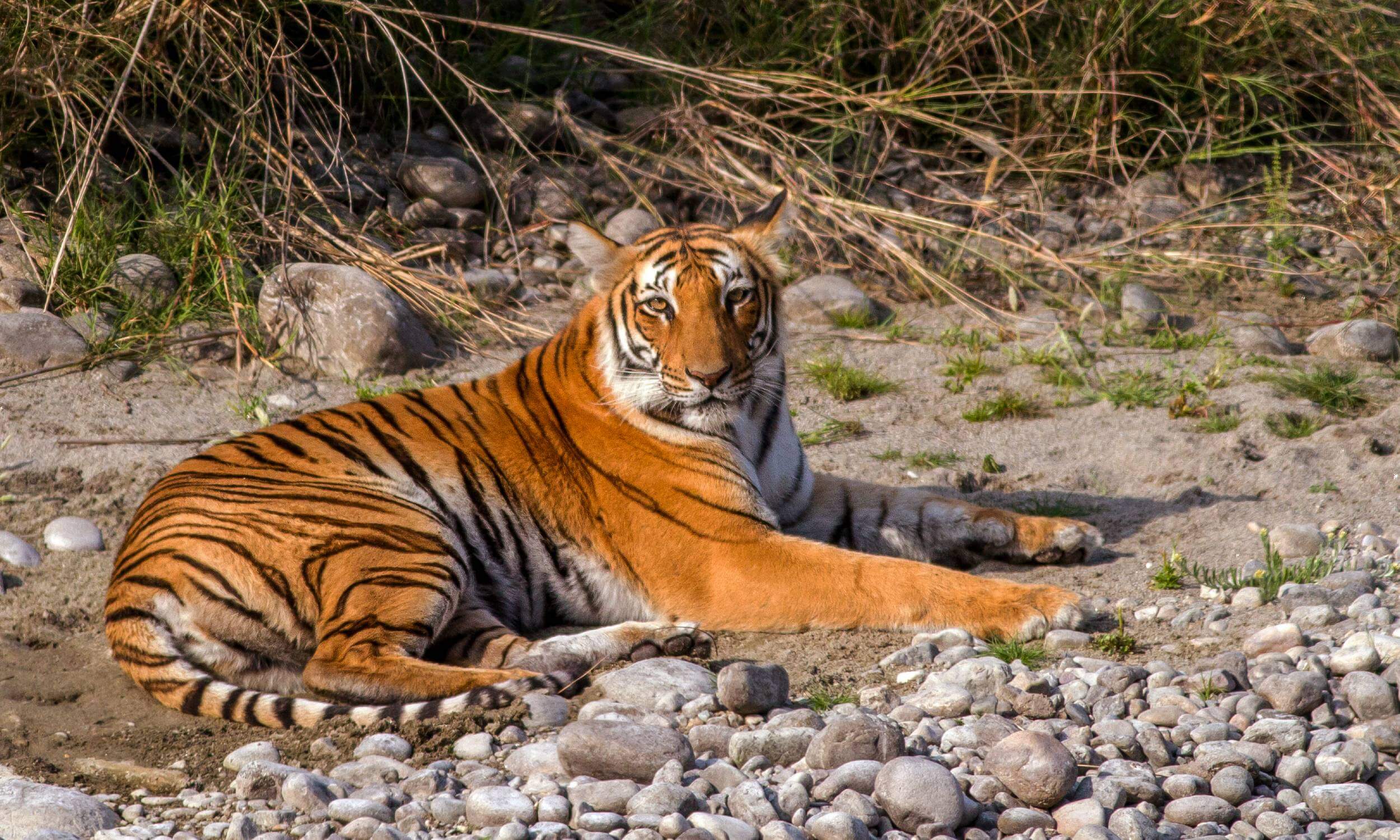
According to the National Tiger Conservation Authority, Corbett has one of the highest tiger densities in India, making it a dream for photographers and safari lovers.
Six Safari Zones to Explore
Each safari zone offers a unique wildlife experience:
- Dhikala: The largest and most scenic; great for tiger sightings.
- Bijrani: Famed for open grasslands and photogenic Sal forests.
- Jhirna & Dhela: Open year-round, ideal for off-season travel.
- Durgadevi: Popular among birdwatchers and nature enthusiasts.
- Garjia: The newest zone, named after the famous Garjia Temple.
Pro Tip: Book your Jim Corbett safari online from authorized and reliable tour operators like Tour My India.
A Landscape as Diverse as Its Wildlife
Spread over 520 sq km, the park’s topography includes riverine belts, marshlands, grasslands, and Sal forests, creating a rich ecosystem for hundreds of species.
Over 600 Species of Flora
Around 75% of the park is covered with Sal trees, alongside Semal, Flame of the Forest (Dhak), and Bamboo. The pine is the only coniferous tree found here, a rarity in this region.
Birdwatcher’s Paradise
Home to over 600 bird species (according to the Wildlife Institute of India), the park hosts Great Pied Hornbills, Crested Serpent Eagles, and migratory species from Central Asia.
Pro Tip: Winter is the best time for birdwatching in Jim Corbett National Park.
A Refuge for Rare and Endangered Fauna
Corbett shelters majestic Asian elephants, sloth bears, gharials, otters, and leopards, along with endangered reptiles like king cobras and mugger crocodiles.
Ramganga River—Lifeline of the Park
The Ramganga River nourishes Corbett’s landscape, supporting its flora and fauna. It’s also a prime spot for wildlife photography and catch-and-release fishing of Mahseer and Goonch fish (with prior permits).
Legacy of Jim Corbett Himself
Jim Corbett, the park’s namesake, was known for his bestselling book “Man-Eaters of Kumaon,” chronicling his transformation from hunter to conservation hero. His legacy continues to inspire wildlife conservation in India.
Adventure Beyond the Jungle
Corbett isn’t just about safaris. You can also try river rafting on the Kosi River, enjoy nature trails and cycling tours, camp under the stars in eco-lodges, and capture golden moments on a wildlife photography trail.
Spiritual Stop at Garjia Temple
Located near the Kosi River, Garjia Devi Temple is a serene cultural landmark where many travelers stop for blessings before entering the park.


 +91-9212777225
 Plan Your trip