Tourism in India is undergoing a remarkable transformation. Beyond showcasing landscapes and monuments, today’s tourism ecosystem empowers communities and supports traditional knowledge systems, uplifts women artisans, and strengthens India’s progress toward the United Nations Sustainable Development Goals (UN SDGs). Every traveller, whether exploring spiritual corridors, craft clusters, or coastal retreats, becomes part of this social and economic change.
Tourism: A Key Force in India’s Economic and Social Development
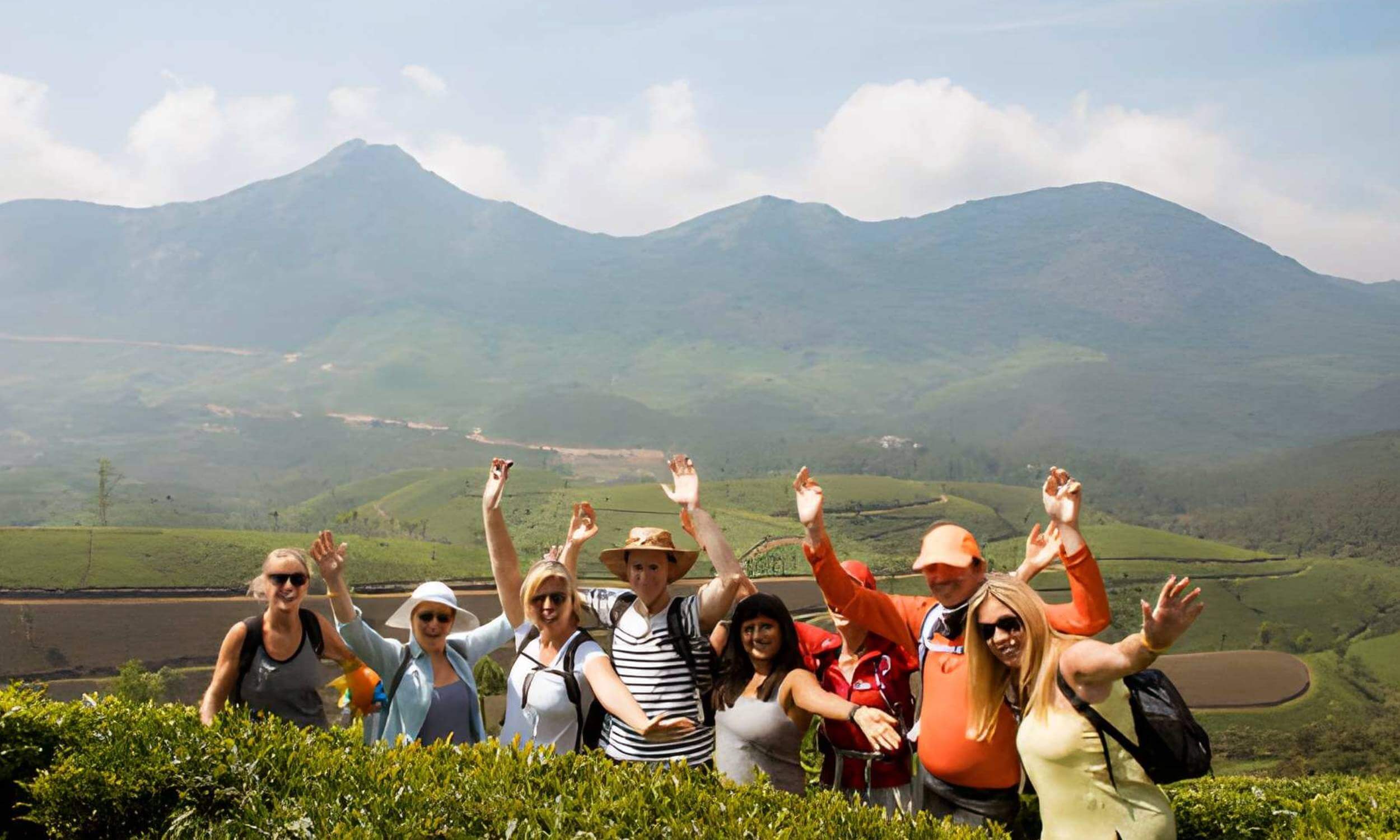
Globally, tourism stands among the world’s largest contributors to jobs and exports. When the UN SDGs were introduced in 2015, tourism accounted for:
- 10% of global GDP
- 30% of global service exports
- 1 in every 10 jobs worldwide
In India, the sector’s importance continues to grow. The Union Budget 2025–26 allocated ₹2,541.06 crore to strengthen infrastructure, enhance skills, and streamline travel, reflecting its potential for job creation, entrepreneurship, and regional upliftment. Rising international arrivals post-pandemic further support India’s Vision 2047 of emerging as a developed nation.
Tourism’s Direct Link to Key UN SDGs

While tourism influences all 17 SDGs, three stand out for India:
SDG 8: Inclusive & Sustainable Economic Growth
Travel stimulates local economies by generating:
- Long-term employment
- Small-business growth
- Income for artisans, guides, and transport providers
- Opportunities for rural and semi-urban communities
Every purchase, stay, or experience creates a ripple effect, especially in regions dependent on tourism.
SDG 12: Responsible Consumption & Production
Today’s travellers increasingly seek:
- Authentic, ethical products
- Locally made crafts
- Experiences that uplift communities
This shift supports India’s “Vocal for Local” mission and strengthens sustainable consumption patterns.
SDG 14: Life Below Water
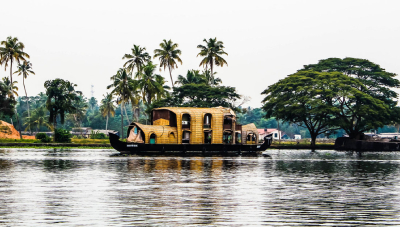
Coastal destinations like Goa, Kerala, Andaman, and Lakshadweep benefit from tourism-driven marine protection efforts, ecotourism regulations, and community-led conservation programs.
The Power of GI-Tagged Products in Tourism
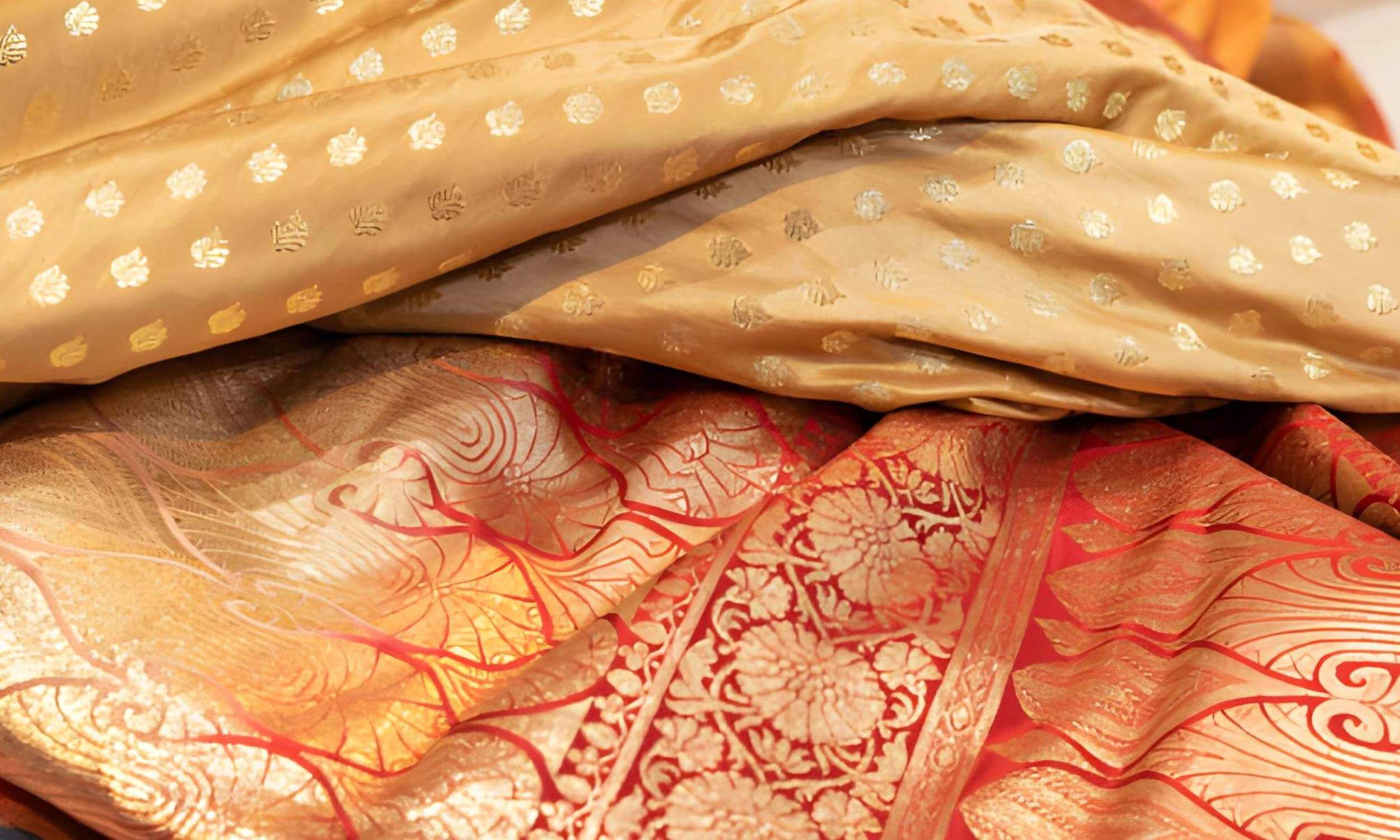
India’s craft traditions are deeply tied to geography, culture, and identity. Geographical Indications (GIs) protect these traditions by recognizing and safeguarding products that originate from a specific location.
Why GI Tags Matter
- They protect artisans against counterfeits
- They ensure authenticity for buyers
- They boost local income and global recognition
- They preserve traditional knowledge systems
Examples That Shape Traveller Experiences
- Banarasi Saree (Varanasi): A global favourite for its craftsmanship and cultural symbolism.
- Lucknowi Chikankari (UP): A centuries-old art known for its delicate embroidery and storytelling stitches.
- Blue Pottery (Bulandshahar) and Zari-Zardozi (Budaun): Part of UP’s vibrant craft ecosystem.
ODOP: A Landmark Initiative Elevating Local Crafts
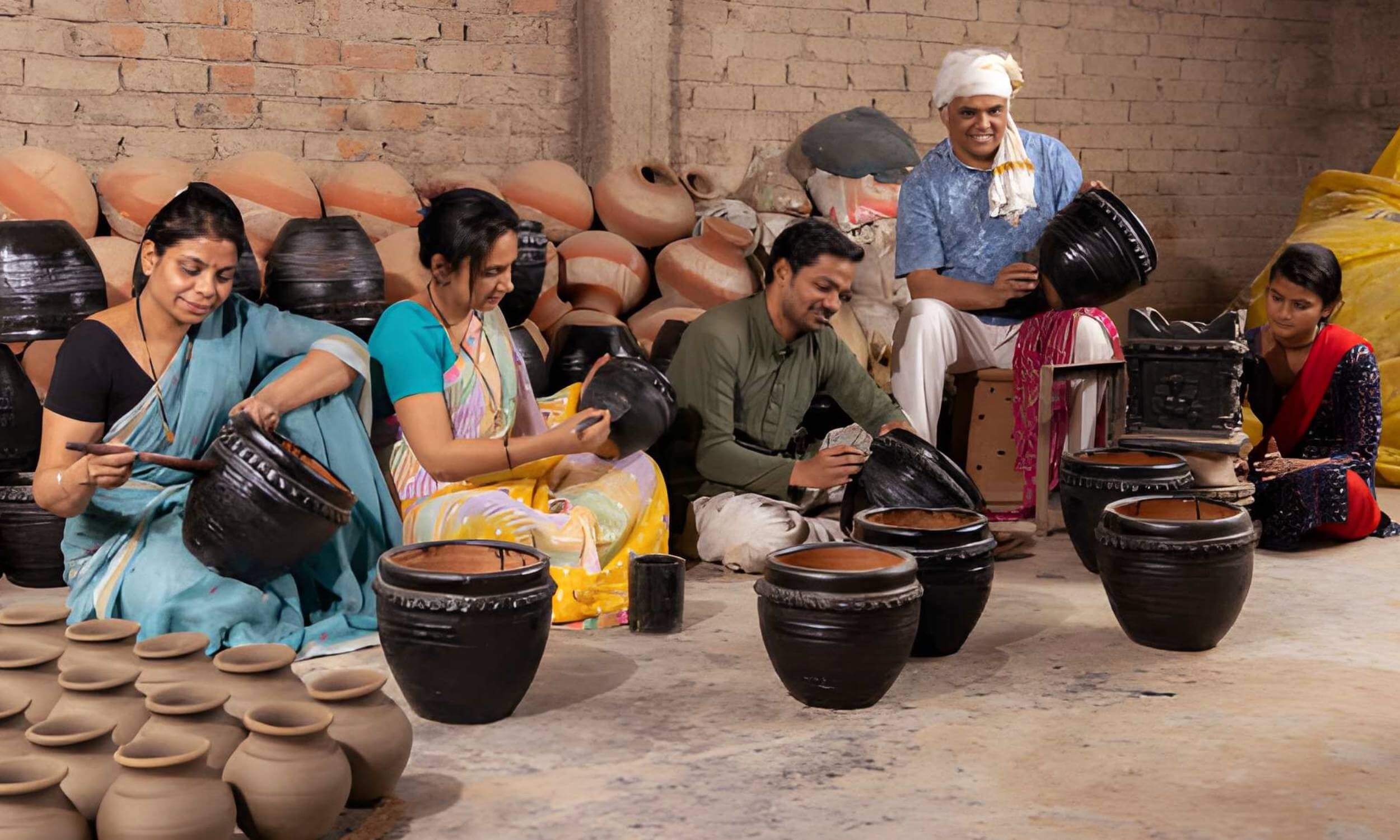
The UP Government’s One District – One Product (ODOP) initiative lists district-specific crafts through a user-friendly platform. With one lakh+ artisans trained and upskilled, ODOP strengthens:
- Local industry
- Export potential
- Artisan incomes
- Tourism-based purchasing power
The model is inspiring various states to map, preserve, and promote their indigenous crafts.
Gender Justice and Tourism: A Quiet Social Revolution
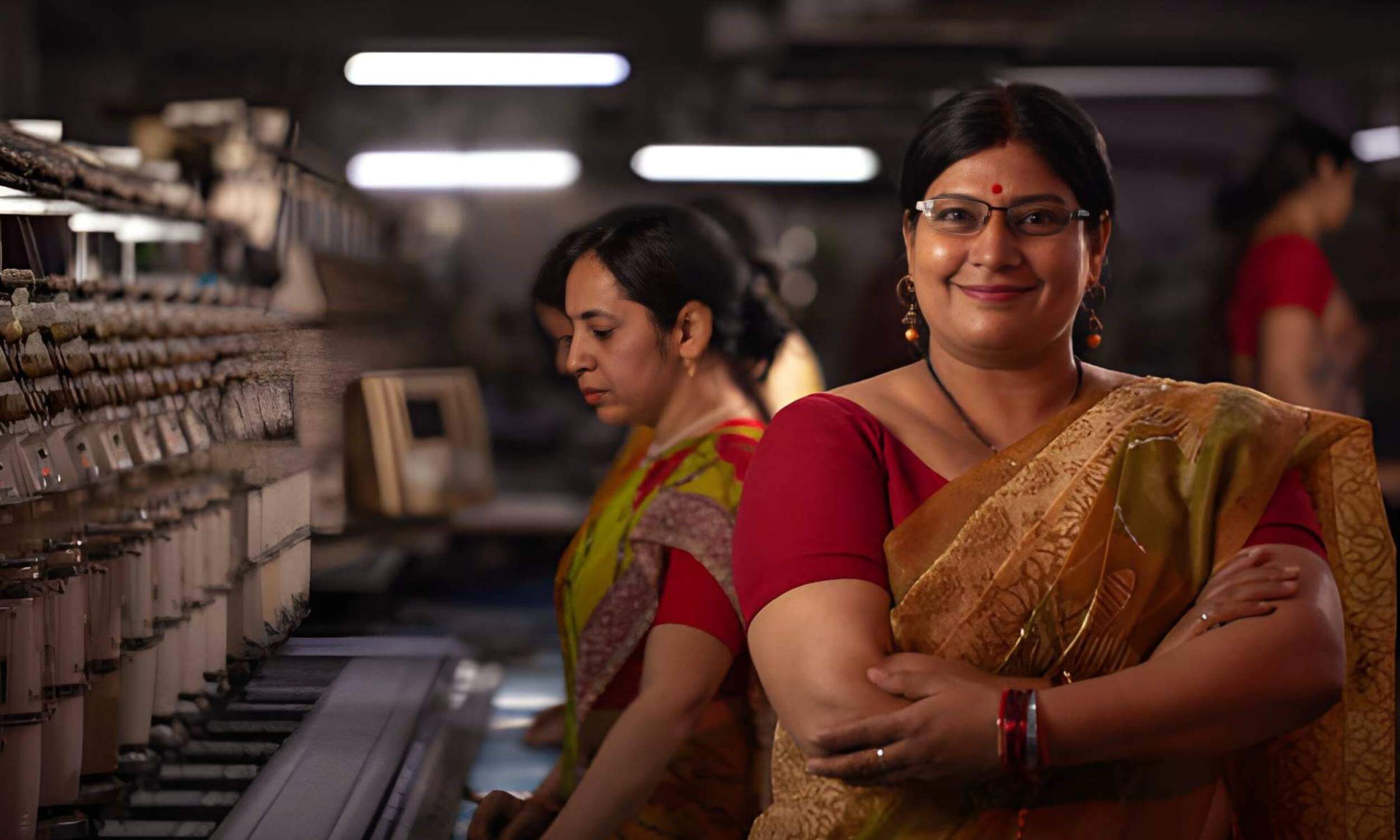
Tourism is becoming a powerful enabler of gender equality in India.
Shifting Gender Roles in Tourism
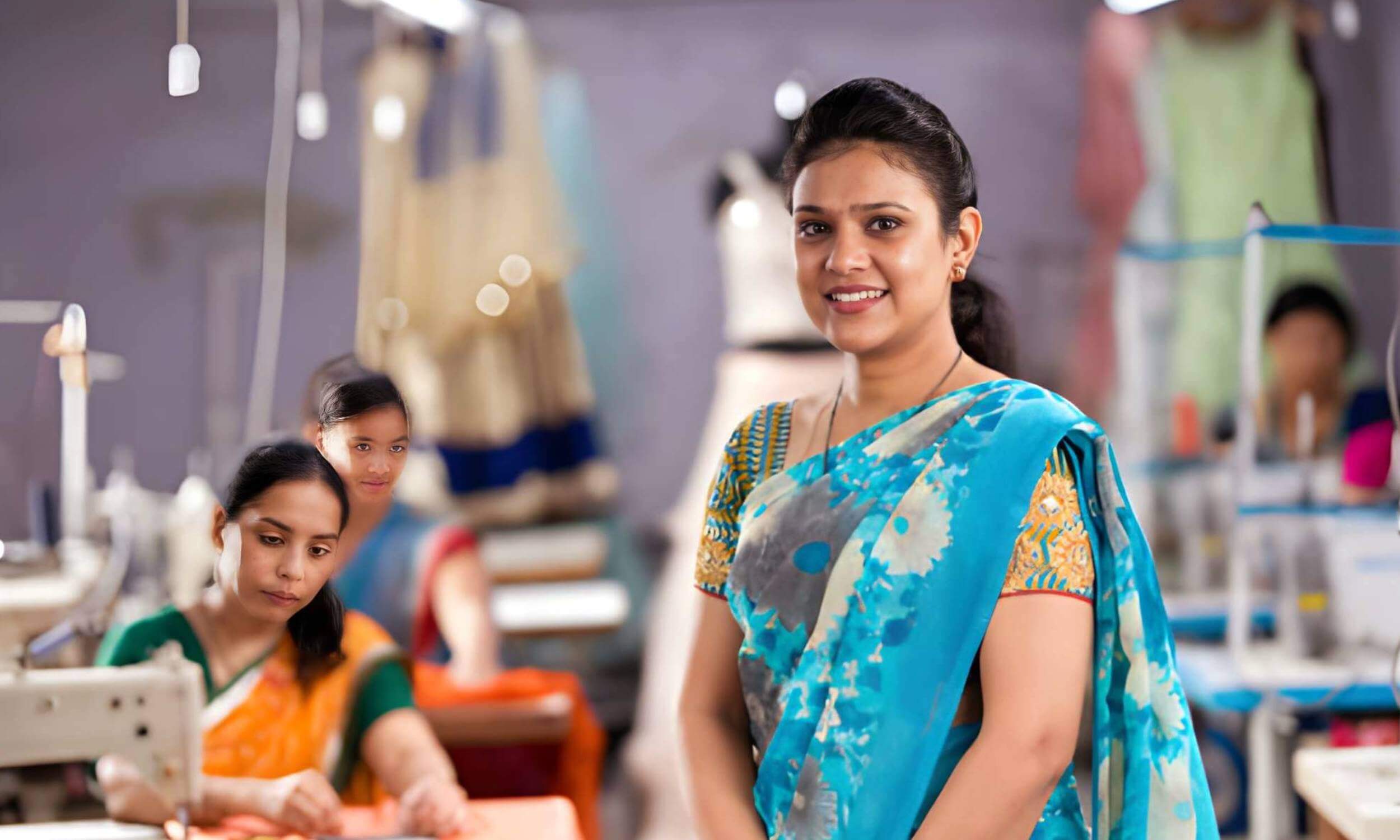
- Women are increasingly stepping into roles once seen as male-dominated, especially tour guiding, handicraft entrepreneurship, and cultural experience curation.
- Solo women travellers and rising female consumer spending have strengthened the visibility and value of women in the tourism value chain.
Empowerment Through Craft and Culture
Middle-aged women artisans, many of whom inherited their skills from previous generations, see tangible benefits when tourists, particularly young women, appreciate and purchase their work. This validation fosters:
- Economic independence
- Social dignity
- Confidence and self-worth
- Inter-generational cultural transmission
Tourism, therefore, becomes a platform for achieving SDG 5: Gender Equality in real, measurable ways.
How Travellers Contribute—Often Without Realising

Travellers play an active role in shaping India’s sustainable tourism future:
- Buying GI-tagged goods directly uplifts craft communities
- Choosing homestays or women-led experiences supports local women
- Opting for eco-friendly tours encourages responsible tourism
- Engaging with local culture keeps traditions alive
Travel is no longer just about destinations; it is about impact.
Key Takeaways
- Tourism drives major economic, cultural, and social shifts in India.
- GI-tagged products and initiatives like ODOP strengthen local heritage.
- Women benefit significantly from tourism’s expanding opportunities.
- Tourism aligns seamlessly with SDGs 8, 12, 14, and 5.
- Every traveler contributes to a larger movement of sustainability and empowerment.
Other Interesting Blogs to Read
Frequently Asked Questions
What is a GI-tagged product?
A GI (Geographical Indication) is a label that certifies a product’s authenticity, regional origin, and unique characteristics.
How does tourism empower women in India?
Through income opportunities, visibility, entrepreneurial roles, cultural validation, and expanding consumer markets.
How does tourism support the SDGs?
By generating jobs, fostering sustainable consumption, preserving marine resources, and advancing gender equality.
About the author
Ms. Shraddha Pandit is an Assistant Professor of Law at SVKM’s Kirit P. Mehta School of Law, NMIMS University, Mumbai. She holds an LL.B., an LL.M. in Criminal Law, and diplomas in IPR and German, and cleared the M-SET 2023 exam on her first attempt. She has delivered 45+ guest lectures at institutions including the University of Innsbruck and CIArb Brazil Branch, with several sessions livestreamed on YouTube. A topper and published researcher, she has also won recognition at the Dehradun Literature Festival and represented India in the Indo-German Exchange Program. She is currently pursuing her Ph.D. in Law.


 +91-9212777225
 Plan Your trip