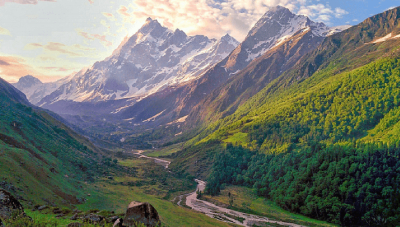
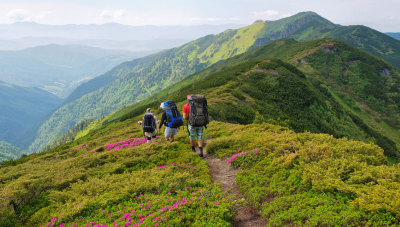
Skip the crowded hubs. Here are the true “clean air” places to visit to escape Delhi’s air pollution.
When Delhi’s AQI hits the “Severe” category, you don’t just need a holiday; you need oxygen. Unfortunately, escaping to overcrowded hill stations in India often means swapping smog for traffic exhaust.
This guide focuses only on places with genuinely cleaner air in India, destinations shaped by altitude, forests, wind corridors, and low population density. These are not just pretty escapes; they are low-AQI destinations in India that consistently perform better than Delhi during peak pollution months, offering real respiratory relief rather than just a scenic change.
Drivable Escapes: The “True” Fresh Air Getaways from Delhi
Ideal for: Long Weekends (3–4 Days) | People looking for clean air near Delhi without flying
1. Lansdowne, Uttarakhand: The Cantonment Advantage
Drive Time: ~6–7 Hours
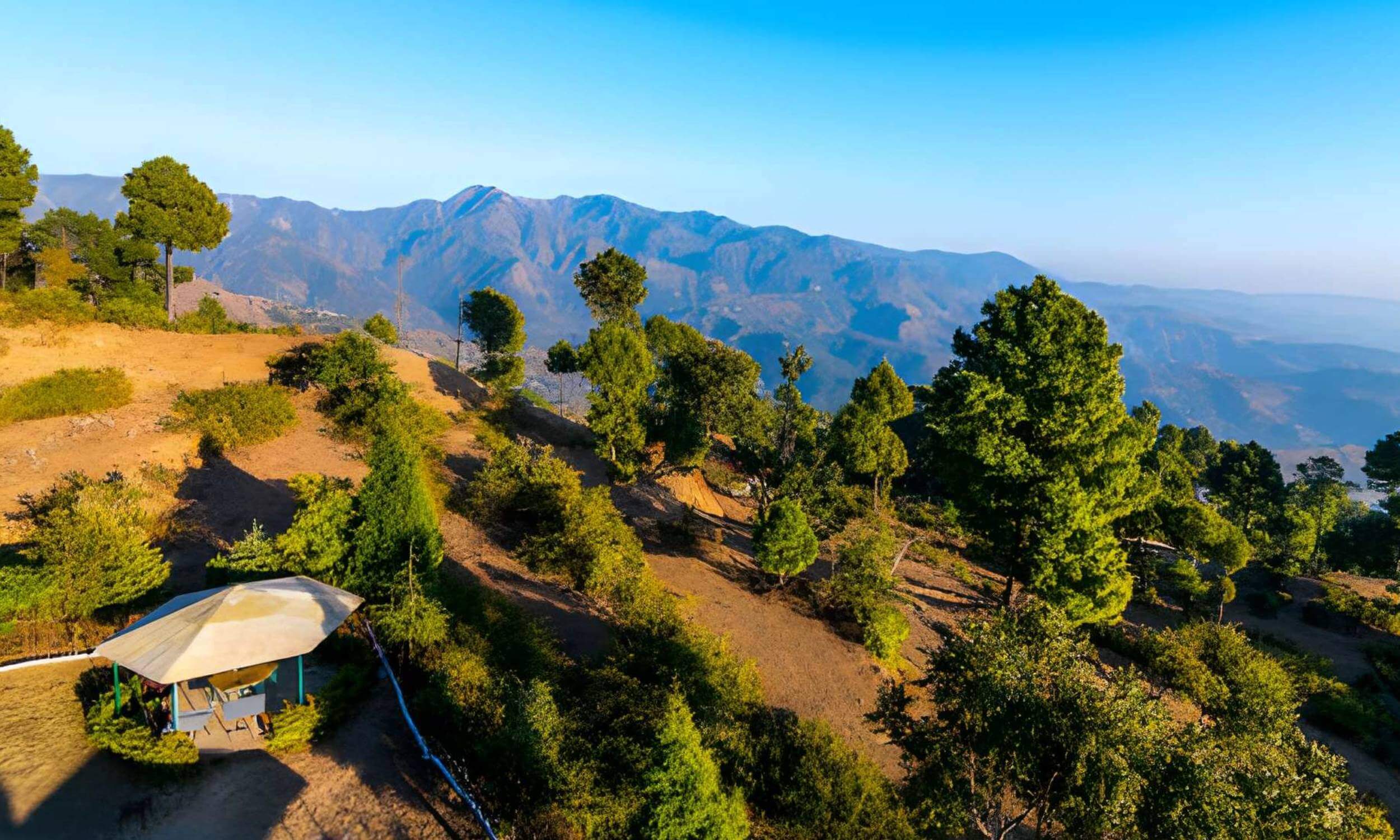
Lansdowne remains the quickest genuine getaway from Delhi. As a military cantonment, it has strict laws against commercialization and deforestation, keeping the air consistently cleaner than nearby hill stations.
Stay Tip for Clean Air: Jaiharikhal or Tip-in-Top side
Avoid: Staying close to the small market area during weekends
Clean-Air Experiences:
- Morning walks through oak and blue pine forests
- Quiet viewpoints with almost no vehicular movement
AQI Advantage: Forest density and restricted development keep air quality consistently better than nearby hill stations.
2. Mukteshwar, Uttarakhand: Wind, Height & Silence
Drive Time: ~7.5 Hours | Elevation: 2,171 m
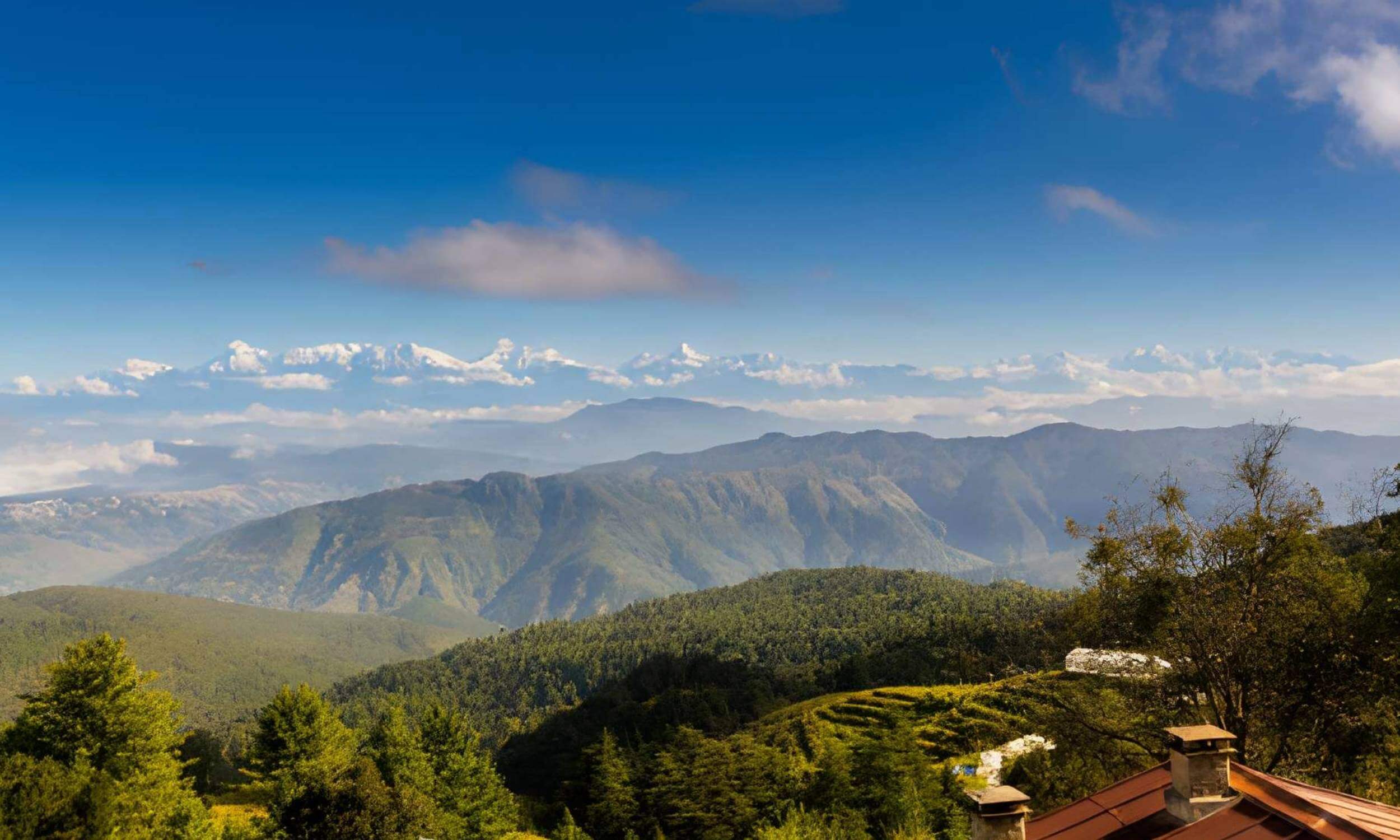
Skip the dust and noise of Nainital and drive 45 km further up to Mukteshwar in the Kumaon Hills. Mukteshwar sits on a ridge (not in a bowl like Nainital), meaning powerful winds constantly sweep pollutants away.
Stay Tip for Clean Air: KMVN Rest House area or forest-edge homestays
Avoid: Staying near roadside clusters during long weekends
Clean-Air Experiences:
- Sunrise at Chauli Ki Jali with Himalayan visibility
- Forest walks through IVRI-protected zones
AQI Advantage: Frequently records Good–Satisfactory AQI due to strong wind circulation and restricted construction.
3. Theog, Himachal Pradesh: Beyond the Shimla Haze
Drive Time: ~8–9 Hours | Elevation: 2,310 m
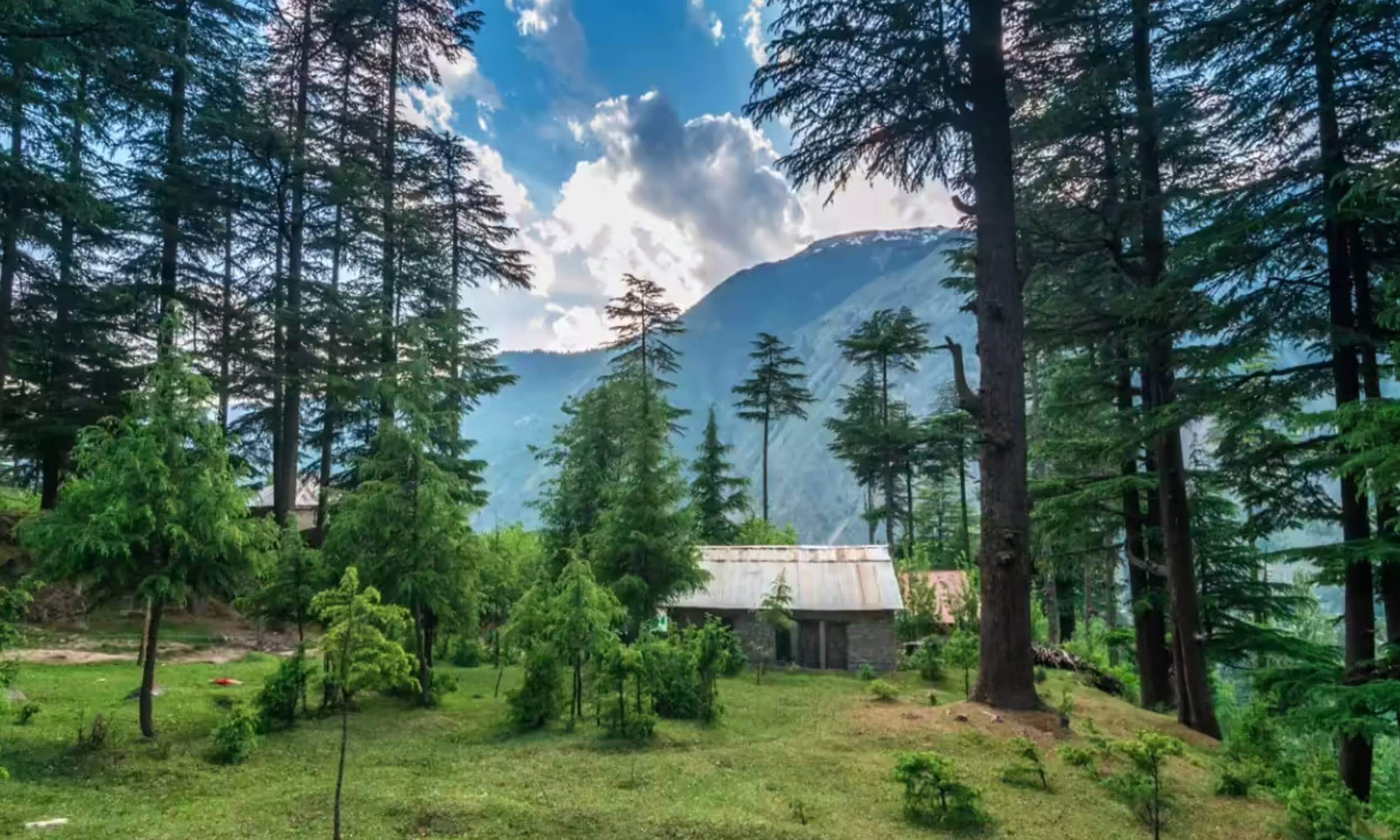
Shimla is now congested, but just 30 km further lies Theog, a quiet junction of apple orchards and cedar forests. It sits higher than Shimla, meaning you look down on the haze layer.
Stay Tip for Clean Air: Homestays in the apple belt
Avoid: Highway-touching accommodations
Clean-Air Experiences:
- Drives towards Fagu and Narkanda
- Hikes to Hatu Peak with uninterrupted airflow
AQI Advantage: Wide valleys and altitude allow fresh alpine air to circulate freely.
One-Week Breathers: Overnight Bus/Long Drive
Ideal for: Remote work, deeper relaxation, noticeable AQI improvement
4. Dharamshala & McLeod Ganj, Himachal Pradesh: The Cedar Sanctuary
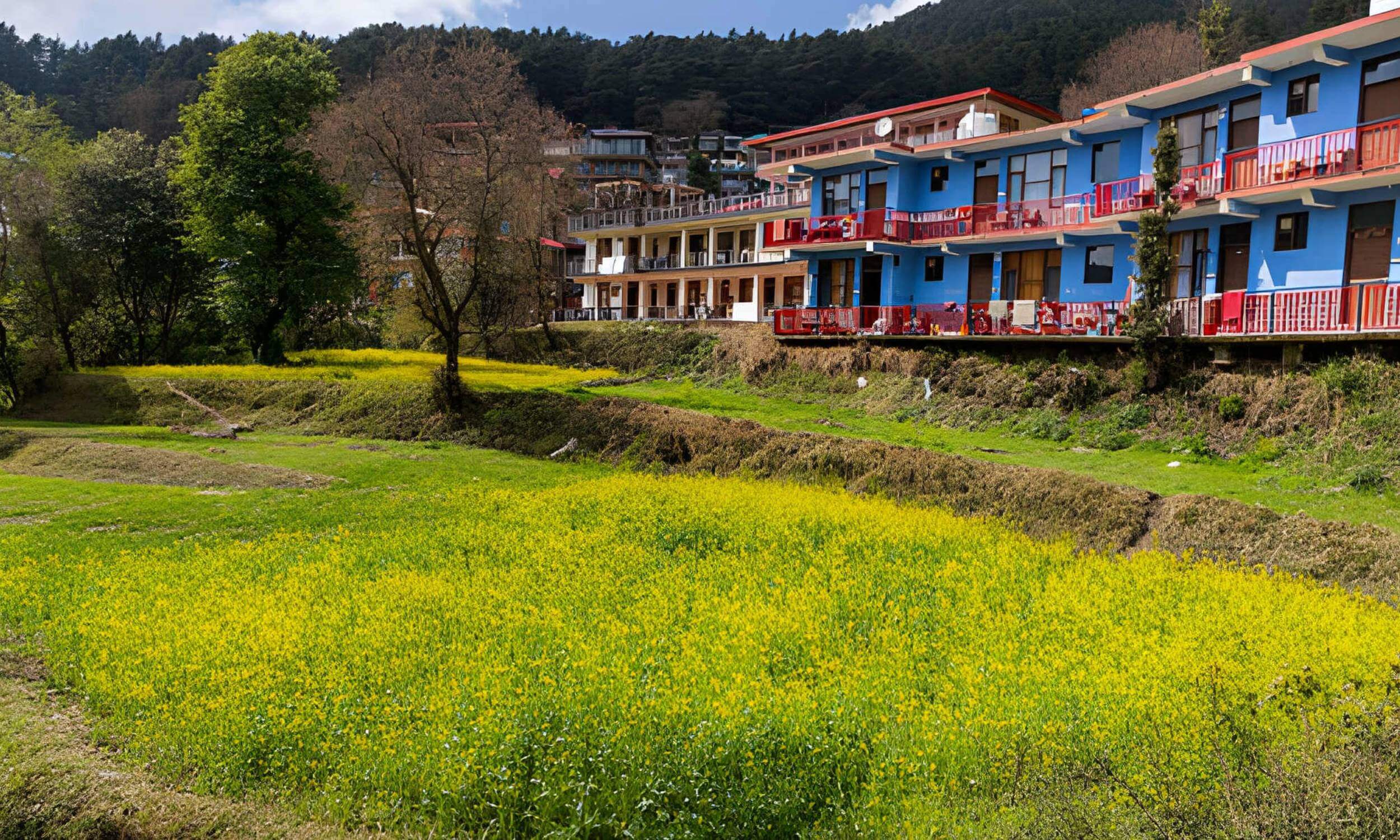
Travel: Overnight Volvo Bus (~10 Hours)
Set against the Dhauladhar range, Dharamshala benefits from dense cedar forests and natural wind corridors that block dust from the plains. Continuous mountain airflow prevents pollution buildup, keeping air noticeably fresher than many hill towns. For the cleanest air, stay in higher areas like Dharamkot or Naddi, away from traffic-heavy zones.
Stay Tip for Clean Air: Dharamkot or Naddi Village
Avoid: Main square and bus-stand zones
Clean-Air Experiences:
- Forest walks above Dharamkot
- Open viewpoints in Naddi
AQI Advantage: Cedar forests and mountain airflow keep particulate matter low.
5. Manali, Himachal Pradesh: The High-Altitude Relief
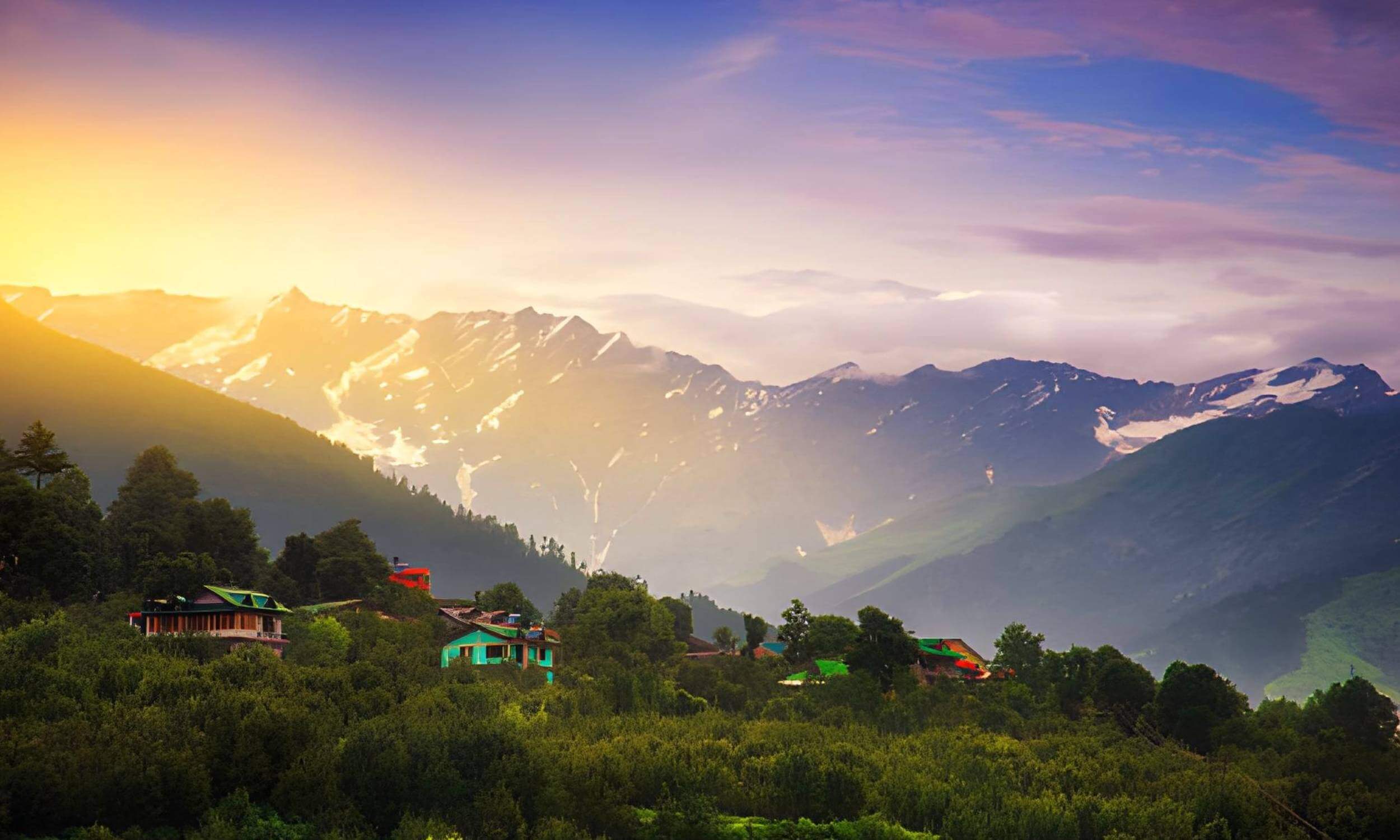
Travel: Overnight Bus (~12-14 Hours)
Manali remains one of the most searched hill destinations in India for travelers looking to escape Delhi’s air pollution, but not all of Manali offers the same breathing advantage. The difference lies in where you stay and how you move around. At higher altitudes, surrounded by dense deodar and pine forests, Manali delivers noticeably cleaner, thinner air that feels almost therapeutic after days in smog-heavy cities.
Stay Tip for Clean Air: Old Manali, Vashisht Village, Naggar side
Avoid: Mall Road-facing hotels and bus-stand zones
Clean-Air Experiences:
- Morning walks along the Manalsu River
- Forest trails near Vashisht & Hidimba
- Drives towards Solang Valley and Naggar Castle
AQI Advantage: Outer villages consistently perform far better than central Manali
6. Pachmarhi, Madhya Pradesh: Central India’s Clean-Air Secret
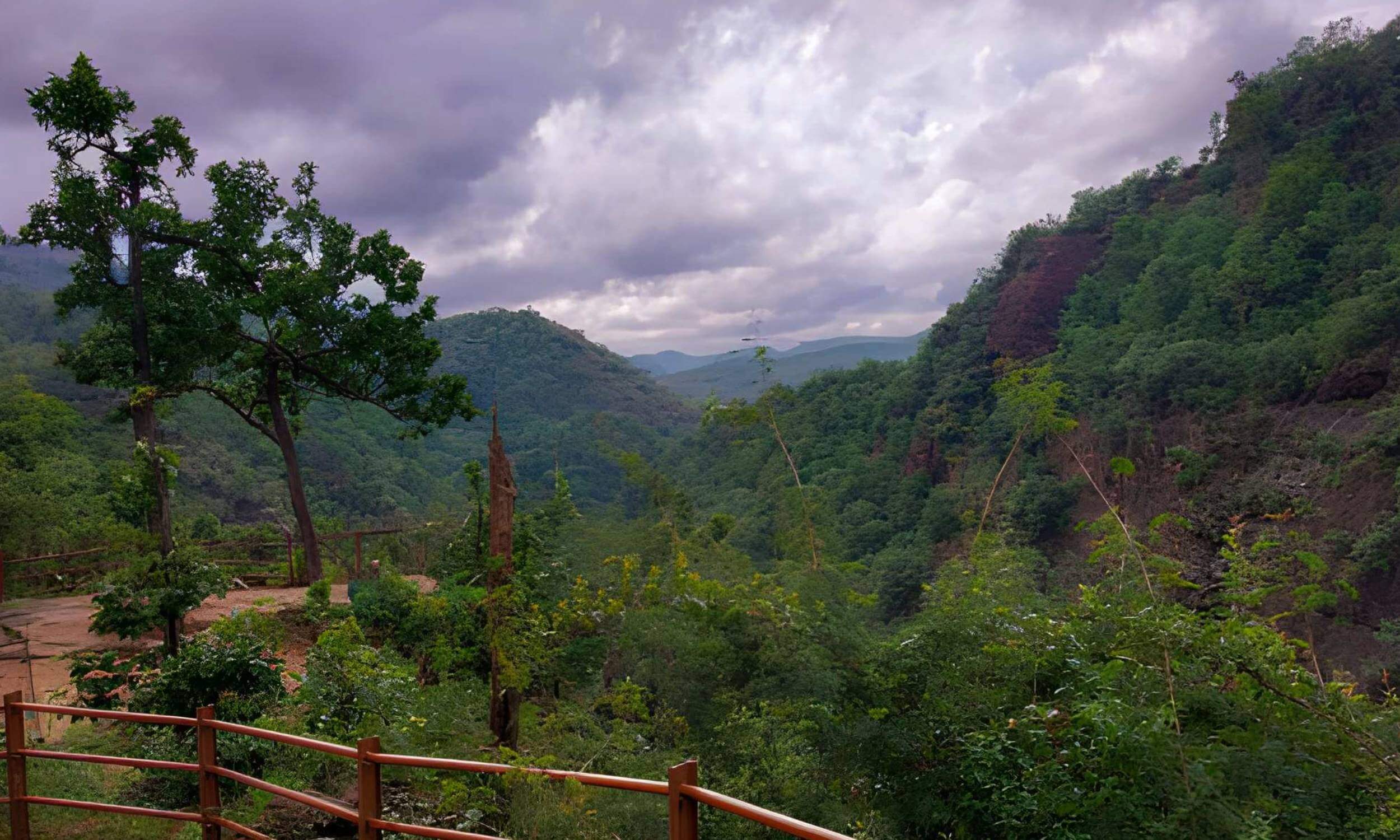
Travel: Train to Pipariya + 1.5 hr Drive
Ideal For: Travellers seeking a non-touristy, breathable retreat | Families/senior citizens avoiding long mountain drives
Pachmarhi stands apart from typical hill stations in India because it is not part of a crowded mountain chain. Instead, it sits alone as a forested plateau in the heart of India, earning it the reputation of one of the most reliable low-AQI destinations in Central India.
Unlike cities affected by industrial belts or highway dust, Pachmarhi benefits from isolation, altitude, and protected forest cover, making the air here noticeably lighter and easier to breathe.
Stay Tip for Clean Air: Forest-edge resorts or cantonment-side stays
Avoid: Market-adjacent accommodations
Clean-Air Experiences:
- Morning walks near Bee Falls and Jata Shankar
- Open viewpoints at Dhoopgarh
- Quiet forest roads with minimal traffic
AQI Advantage: Consistently better AQI than North Indian cities during pollution peaks.
Deep-Detox Long Breaks (Flight Required)
Ideal for: Total lung reset, sensitive groups (asthma/elderly).
7. Shillong, Meghalaya: Among India’s Cleanest Cities
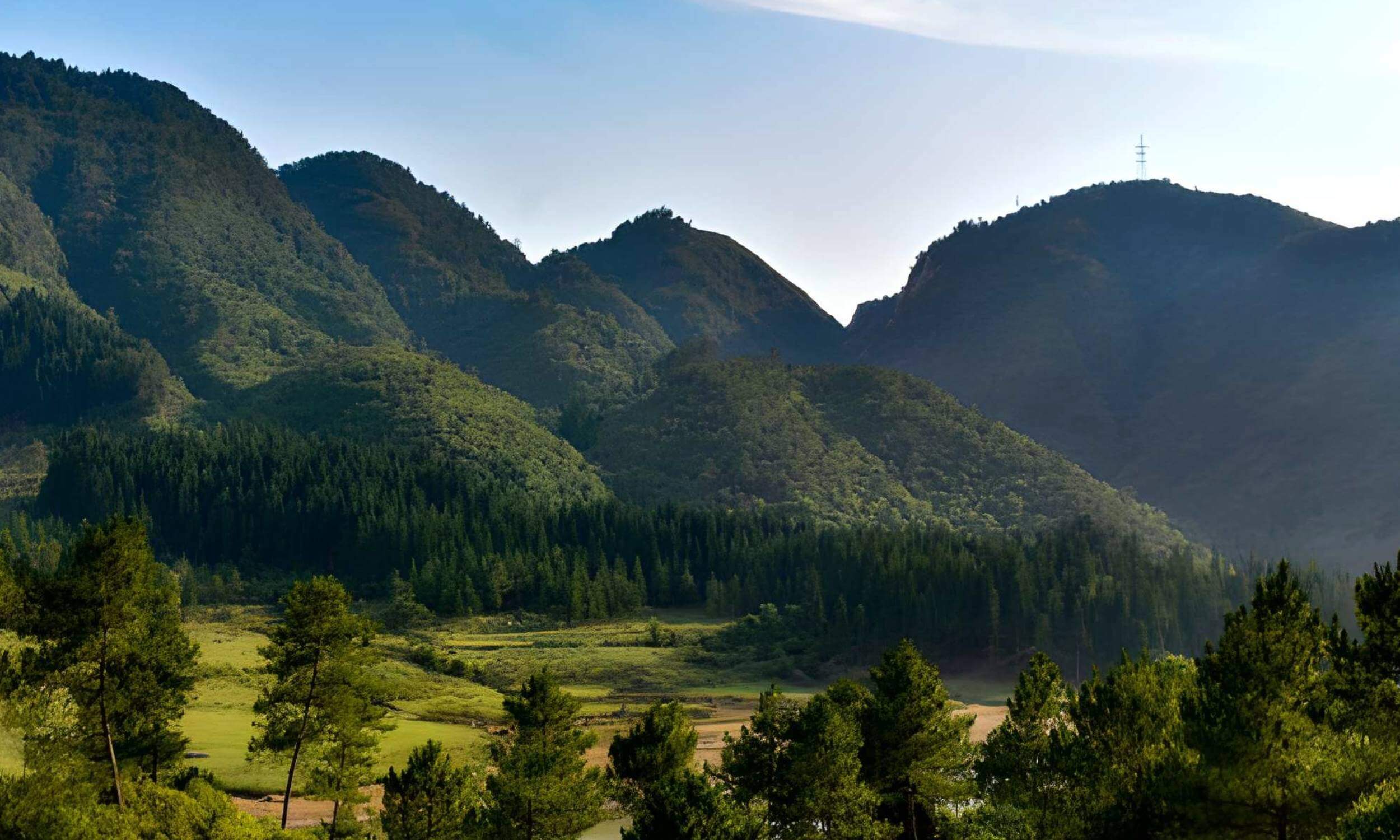
Nearest Airport: Shillong (SHL) or Guwahati (GAU)
Shillong is not just scenic; it is structurally designed for cleaner air. Frequently featured among the cities with the best air quality in India, Shillong benefits from a rare combination of high rainfall, strong wind movement, low industrial presence, and rolling plateau geography. Unlike valley towns that trap pollutants, Shillong sits on an elevated plateau where air flows freely, preventing particulate matter from settling, even during peak travel months.
Stay Tip for Clean Air: Upper Shillong, Laitkor Peak, Mawphlang side
Avoid: Police Bazaar area
Clean-Air Experiences:
- Walks near Ward’s Lake
- Visits to Mawphlang Sacred Grove
- Drives to Laitlum Canyons
AQI Advantage: Frequently records AQI below 40 (Good).
8. Aizawl, Mizoram: India’s Quiet Champion of Clean Air

Nearest Airport: Lengpui (AJL)
Aizawl rarely features in mainstream travel lists, yet it consistently ranks among the cleanest-air cities in India. Situated along narrow ridgelines and governed by strong civic discipline, the city feels visibly and physically different from most urban centers the moment you arrive. Unlike tourist-heavy hill towns in India, Aizawl’s layout prevents congestion, allowing air to move freely across the city throughout the day.
Stay Tip for Clean Air: Zarkawt, Bawngkawn ridges, Durtlang outskirts
Avoid: Major commercial junctions
Clean-Air Experiences:
- Ridge walks with uninterrupted airflow
- Calm residential zones with minimal traffic
AQI Advantage: Regularly outperforms larger hill cities despite being a state capital.
9. Coorg, Karnataka: Western Ghats’ Natural Air Purifier
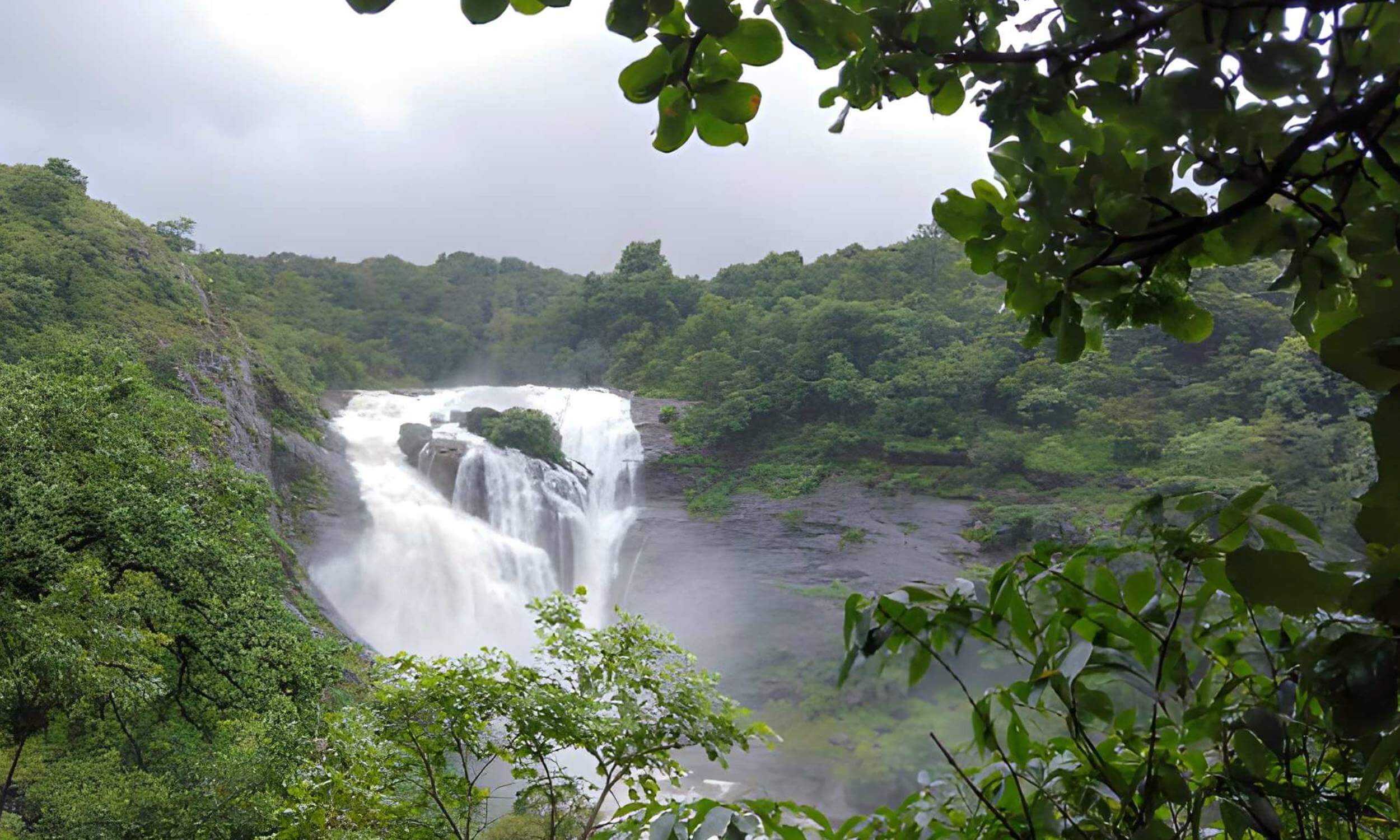
Nearest Airport: Kannur (CNN)
Coorg (Kodagu) sits inside the Western Ghats biodiversity hotspot, a region often described as the “lungs of South India.” Unlike hill towns dependent on tourism traffic, Coorg’s landscape is dominated by coffee estates, rainforests, and spice plantations, which naturally suppress dust and pollutants. The air here carries moisture, plant oils, and a constant freshness that feels markedly different from drier hill destinations.
Stay Tip for Clean Air: Madikeri outskirts, Virajpet side
Avoid: Central town junctions
Clean-Air Experiences:
- Plantation walks
- Forest drives towards Nagarhole
- Waterfall trails near Abbey and Mallalli
AQI Advantage: Usually remains in the Good–Satisfactory range year-round.
10. Munnar, Kerala: High-Altitude Greenery with Remarkably Clean Air
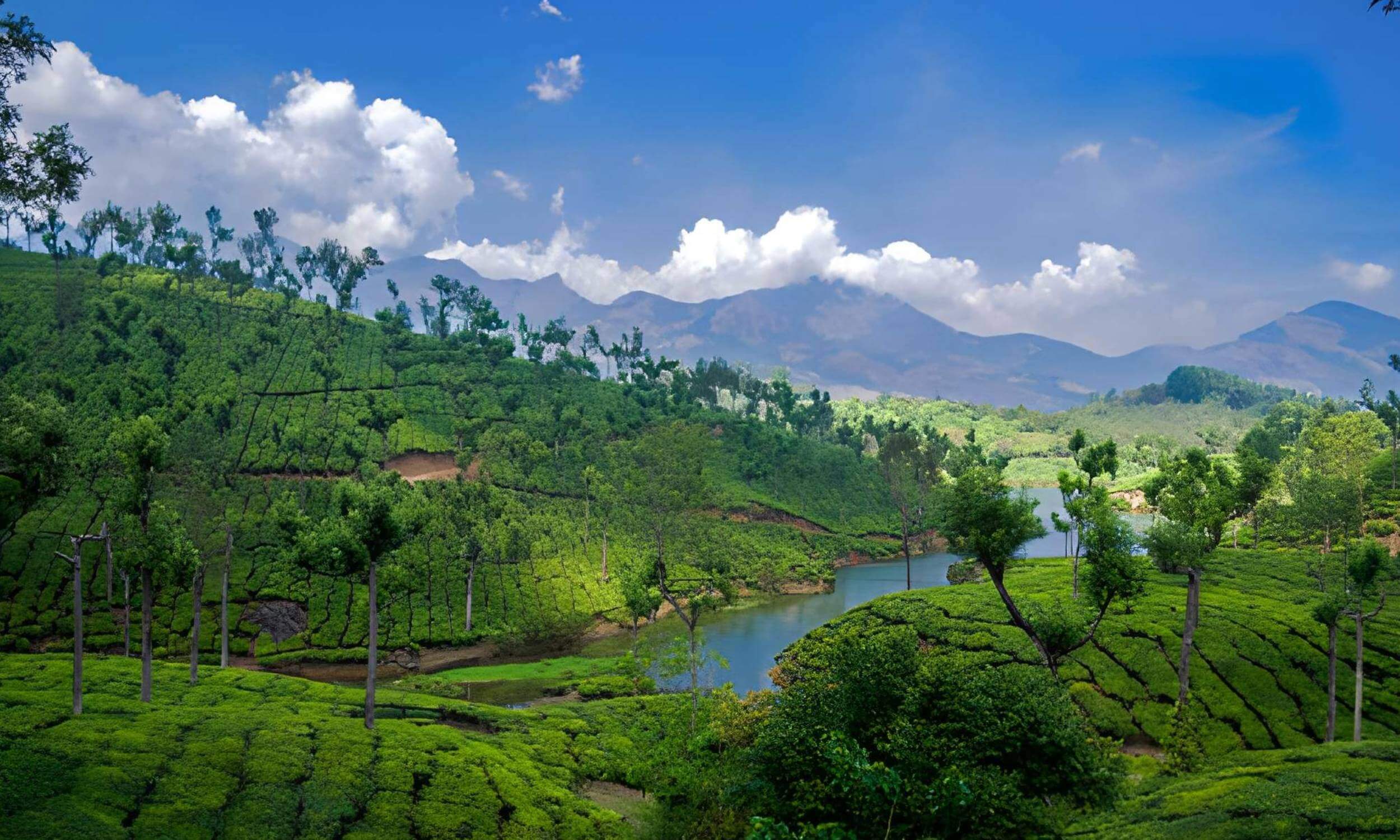
Nearest Airport: Kochi (COK)
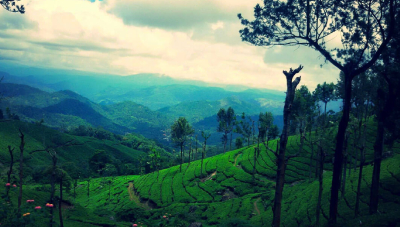
Munnar’s defining advantage lies in its continuous green cover. Endless tea estates prevent loose soil formation, dramatically reducing dust levels even during dry months. Combined with altitude and cool temperatures, this makes Munnar one of the cleanest hill stations in South India. Unlike crowded Himalayan towns, Munnar spreads out across wide slopes rather than compressing into narrow valleys, allowing air to circulate freely.
Stay Tip for Clean Air: Chinnakanal, Devikulam, Top Station outskirts
Avoid: Town-centre hotels during peak hours
Clean-Air Experiences:
- Tea-garden walks in early mist
- Drives to Top Station
- Forest zones near Eravikulam National Park
AQI Advantage: Frequently maintains AQI below 40 (Good)
Choosing Your Escape from Delhi
| Trip Duration |
Best Destinations |
Why They Work |
| 3–4 Days |
Lansdowne, Mukteshwar |
Drivable, forest-heavy, low traffic |
| 5–7 Days |
Theog, Dharamshala |
Higher altitude, better airflow |
| 1 Week+ |
Aizawl, Munnar |
Among the best AQI in India |
Ready to Breathe Clean Air Again?
Don’t wait for air-quality alerts to dictate your plans. We can book forest-side cottages in Mukteshwar, apple orchard stays in Theog, or low-AQI hill retreats across India, tailored to your health and travel needs.
Talk to our travel experts and plan your clean-air escape from Delhi today.
Other Interesting Blogs to Read
Frequently Asked Questions
Which place has the cleanest air in India?
Cities like Aizawl and Shillong frequently record some of the lowest AQI levels in India.
Are hill stations always pollution-free?
No. Valley towns with heavy traffic can trap pollution. Ridge-top and forest-protected locations perform far better.
How far from Delhi should you travel for better air quality?
Usually 250–350 km combined with altitude and forest cover shows a noticeable AQI improvement.
Which places are best for asthma or senior travelers?
Aizawl, Munnar, Coorg, and Mukteshwar due to consistently low pollution levels.
About the author
From the Lake District, Nainital, Nidhi Singh is a travel writer whose love for mountains can be seen in her write ups. Talk about solo travelling, indulging in adventure activities, binging on good food, planning budget trips or the Aurora Borealis and you will get all her attention. It is the wanderlust that keeps her going and if at all she could get one wish granted she would love to live a life less ordinary. Follow her on Twitter, Facebook & Instagram.


 +91-9212777225
 Plan Your trip