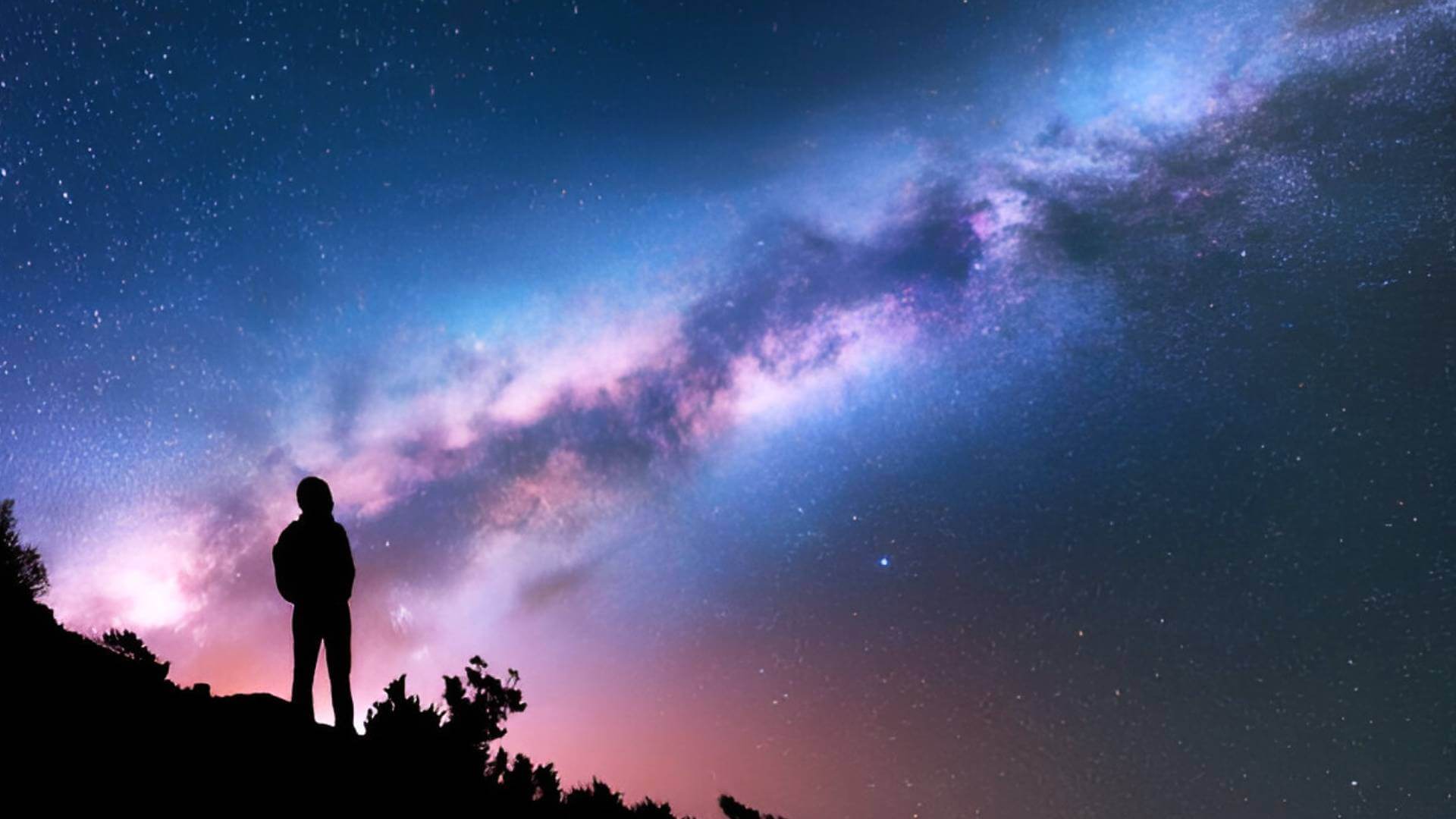
The growing fascination of travelers with the cosmos has brought a new wave of travel experiences into the spotlight: astro tourism. A unique form of travel, it combines the thrill of exploration with the awe of witnessing the night sky in its most pristine form.
Far from the blinding city lights, certain remote corners of India offer clear skies, minimal light pollution, and stunning cosmic views, making them ideal astro tourism destinations in the country. As dark sky tourism in India gains momentum, these destinations promise unforgettable nightscapes and experiences that go beyond the ordinary, sparking a deeper connection with the universe.
Here are the best astrotourism destinations in India that you must visit once in a lifetime.
- Hanle, Ladakh
- Spiti Valley, Himachal Pradesh
- Pin Valley, Himachal Pradesh
- Rann of Kutch, Gujarat
- Neil Island, Andaman & Nicobar Islands
- Jaisalmer, Rajasthan
- Pachmarhi, Madhya Pradesh
- Shnongpdeng, Meghalaya
- Yercaud, Tamil Nadu
- Kodaikanal, Tamil Nadu
Hanle, Ladakh: India’s Highest Stargazing Place
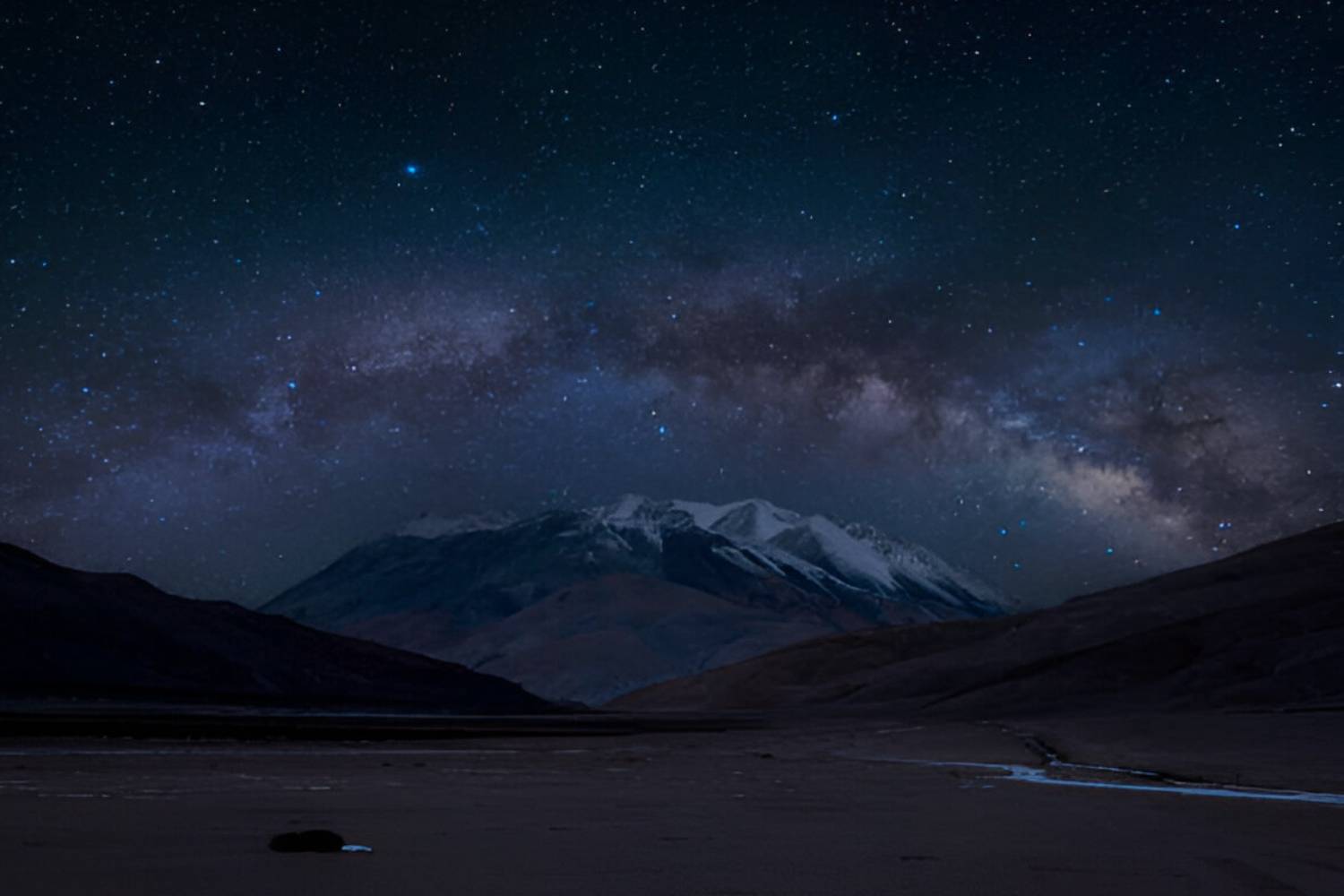
Tucked away in the cold desert of Ladakh, Hanle is a remote, high-altitude village that offers one of the clearest and darkest skies in the country. Home to the Indian Astronomical Observatory, Hanle sits at an elevation of over 4,500 meters, far from urban light pollution and surrounded by stark mountain ranges. Its dry climate, minimal atmospheric interference, and breathtaking landscape make it a top contender for dark sky tourism experiences in India. As a designated Dark Sky Reserve, Hanle invites travelers, astronomers, and photographers to immerse themselves in the vastness of the universe with unparalleled clarity.
What Makes It a Stellar Stargazing Spot?
- Located in one of the darkest regions of India with almost zero light pollution
- Home to the Indian Astronomical Observatory, one of the world’s highest
- High altitude and dry weather ensure excellent sky transparency
- Peak Milky Way and meteor shower visibility from April to September
Best Time for Stargazing in Hanle:
April to September
Special Stargazing Events:
- Public telescope viewings (seasonal)
- Local star parties and dark sky awareness drives
- Ladakh Astro Fest (occasionally held in nearby regions)
Experiences Not to Miss:
- Astrophotography
- Night sky camping
- Meteor shower observation
- Telescope sessions
Travel Tips & Essentials:
- Carry warm clothes, tripod, and red-light torch for night use
- Explore nearby attractions like Tso Moriri and Nyoma
Spiti Valley, Himachal Pradesh: The High-Altitude Desert is a Stargazer’s Paradise
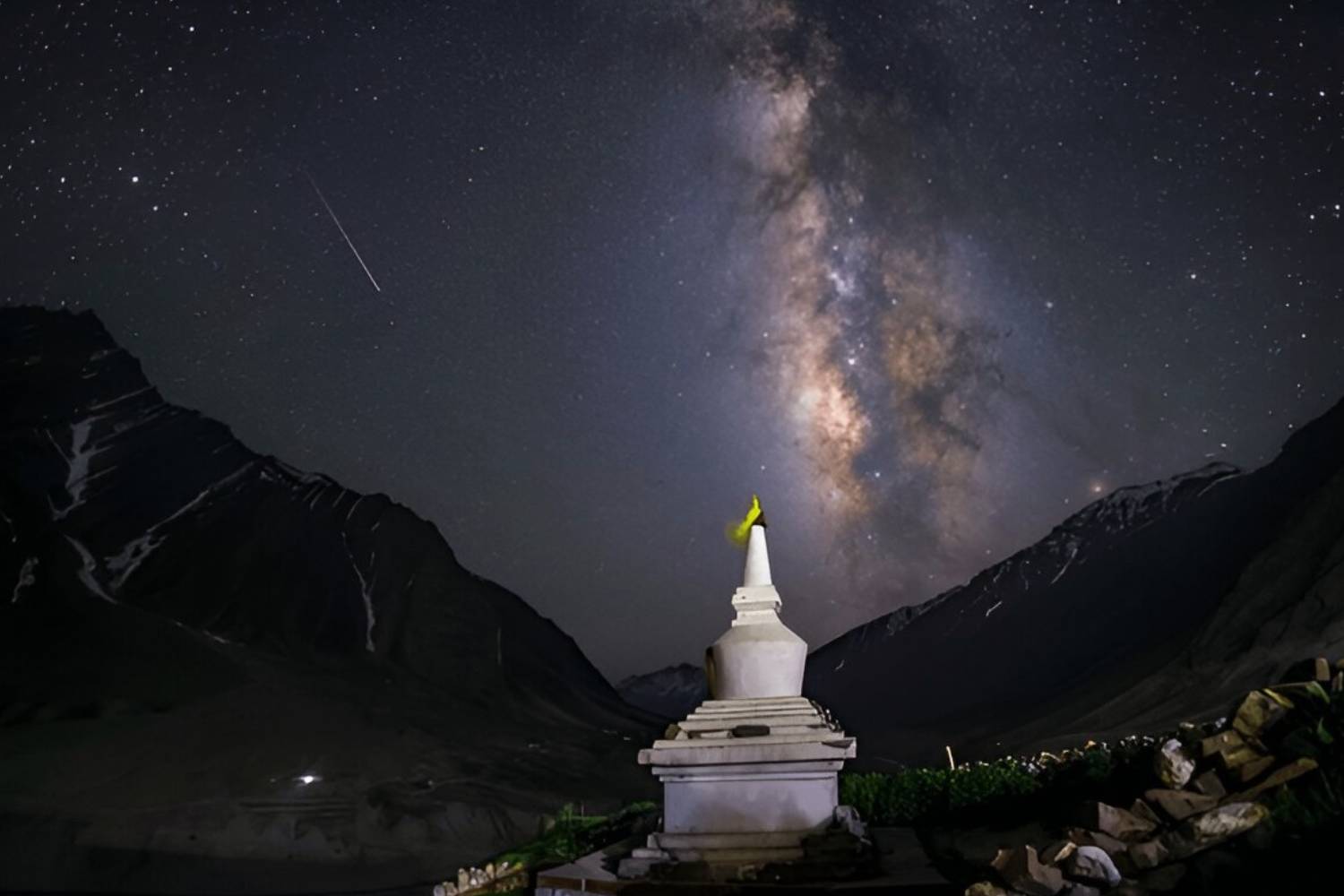
A cold desert region nestled between Tibet and India, Spiti Valley is known for its raw beauty and stunning night skies. With its elevated terrain, low humidity, and near-zero light pollution, Spiti has become a favorite among sky-watchers and astrophotographers in India seeking surreal views of the Milky Way and constellations. Places like Kaza, Tabo, and especially Pin Valley offer optimal conditions for night sky observation. With increasing interest in stargazing destinations in India, Spiti stands out for its perfect blend of adventure, isolation, and cosmic wonder, making it a must-visit for astro tourists.
What Makes It a Stellar Stargazing Spot?
- High-altitude desert terrain with minimal atmospheric interference
- Remote and sparsely populated, ensuring pitch-dark nights
- Ideal for observing the Milky Way, shooting stars, and lunar events
- Best visibility during summer and early autumn months
Best Time for Stargazing in Spiti:
May to October
Special Stargazing Events:
- Community-led stargazing nights in Kaza and Langza
- Spiti Summer Stargazing Camps (seasonal)
- Monastery-based astronomy storytelling sessions
Experiences Not to Miss:
- Astrophotography
- Night sky camping
- Time-lapse photography
- Cultural astronomy tours
Astro Travel Tips & Essentials:
- Carry extra batteries, winter gear, and wide-angle lenses
- Explore monasteries like Key and Dhankar during the day
Pin Valley, Himachal Pradesh: Where Silence Meets the Stars
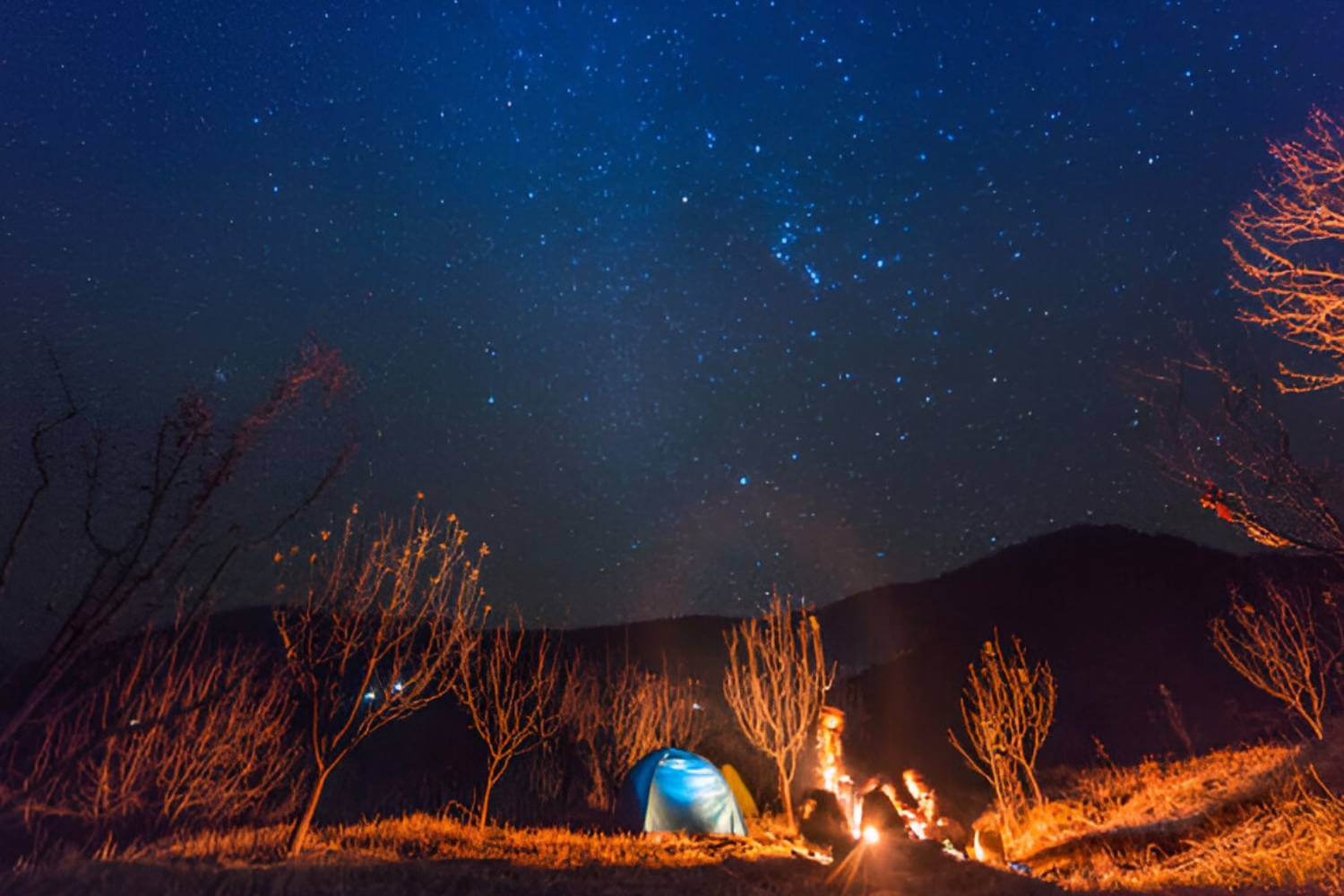
Unfolding like a hidden dimension, this secluded Himalayan valley is a sanctuary for stargazing. Its dramatic terrain, flanked by craggy cliffs, the meandering Pin River, and glacial moraines, serves as a natural fortress that blocks out all urban noise and light. The region’s altitude and bone-dry climate filter the sky with clarity, allowing stars to pierce through the darkness with exceptional brilliance. Even the sparse vegetation contributes to uninterrupted celestial views, while minimal human activity ensures zero atmospheric disruption. These elements collectively crown it as one of the most unique astro-tourism destinations India offers today.
What Makes It a Stellar Stargazing Spot?
- Natural rock formations and deep valley isolation shield from light pollution
- High-altitude desert with clear, dry skies and rare cloud cover
- Proximity to the Pin Valley National Park offers untouched dark zones
- Ideal visibility for planetary alignments and lunar phenomena from June to October
Best Time for Stargazing in Pin Valley:
June to October
Special Stargazing Events:
- Meteor shower viewing (August)
- Clear sightlines for planetary alignments
- Equinox stargazing in September
Experiences Not to Miss:
- Silent moonlit hikes
- Valley-side night photography
- Meditation under the stars
- Tent stays
Astro Travel Tips and Essentials:
- Bring star maps, extra power backups, and thermal layers
- Visit Mudh Village, a scenic base for both exploration and observation
Great Rann of Kutch, Gujarat: A Celestial Canvas Above the White Salt Desert
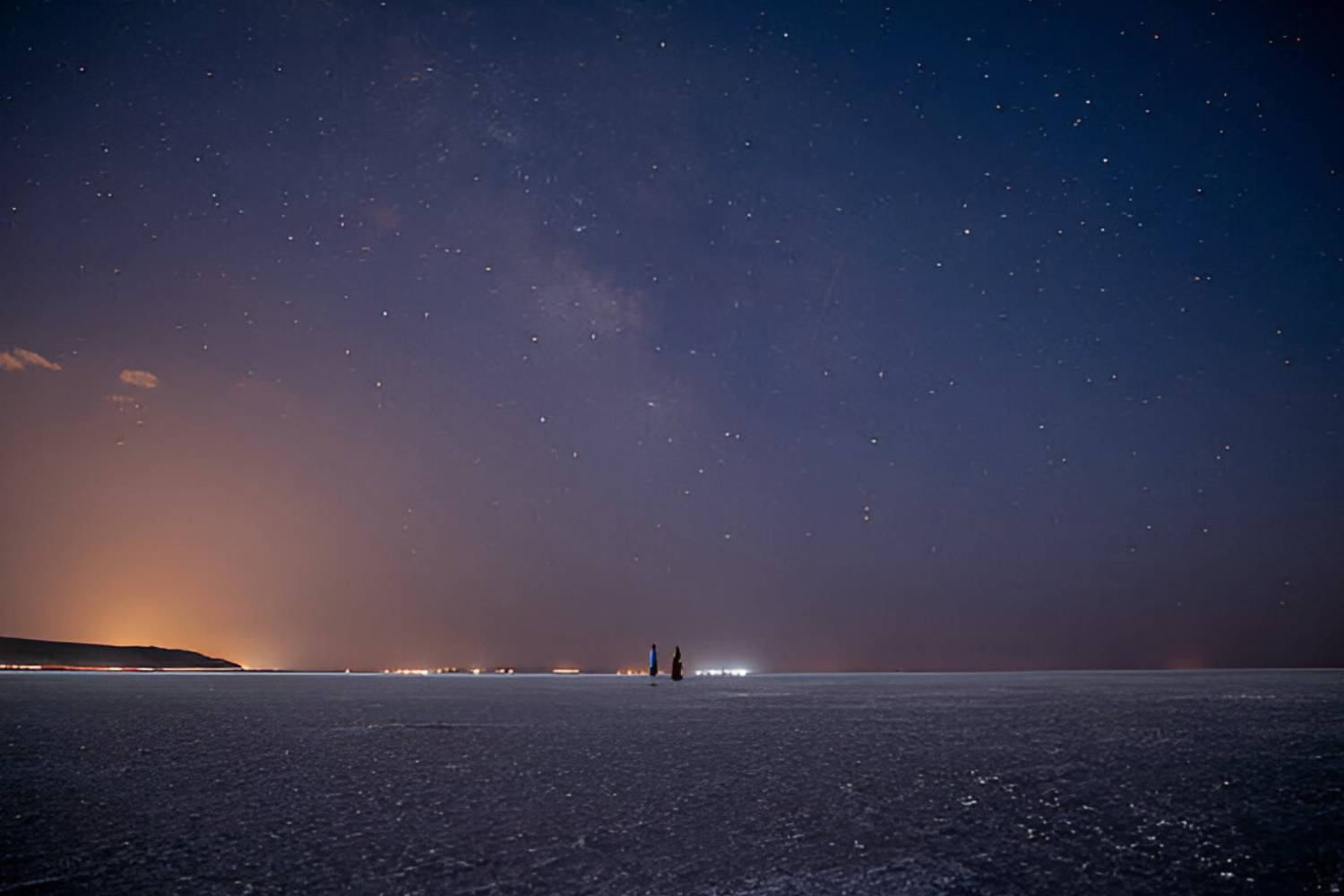
Under the vast, open skies of the Great Rann of Kutch, the line between earth and cosmos almost disappears. This surreal white salt desert, flat, expansive, and silent, offers one of the most uninterrupted horizon views in the country, making it ideal for cosmic observation. Its arid climate drastically reduces humidity, ensuring a crisp atmosphere where stars glimmer intensely. With virtually no artificial lighting for miles, the landscape turns into a glowing amphitheater of stars, planets, and celestial shows. In the quietude of this wilderness, astrotourism in India finds one of its most otherworldly settings.
What Makes It a Stellar Stargazing Spot?
- Flat, unobstructed terrain with 360-degree panoramic sky views
- Arid climate allows excellent sky transparency and minimal moisture distortion
- Remote location far from any major light sources
- Best skies during winter months, ideal for constellations and full moon nights
Best Time for Stargazing in the Great Rann of Kutch:
November to February
Special Stargazing Events:
- Orion and Gemini constellation visibility
- Full moonrise over the white desert
- Occasional meteor showers
Experiences Not to Miss:
- Moonlit desert walks
- Cultural stargazing sessions during Rann Utsav
- Desert camping with telescope setups
- Light-painting and astrophotography
Astro Travel Tips & Essentials:
- Stay in Rann Utsav tent city or eco-resorts in Dhordo/Hodka
- Carry sky maps and extra camera gear
- Explore Kalo Dungar and nearby villages during the day
Neil Island, Andaman & Nicobar Islands: A Coastal Stargazing Haven
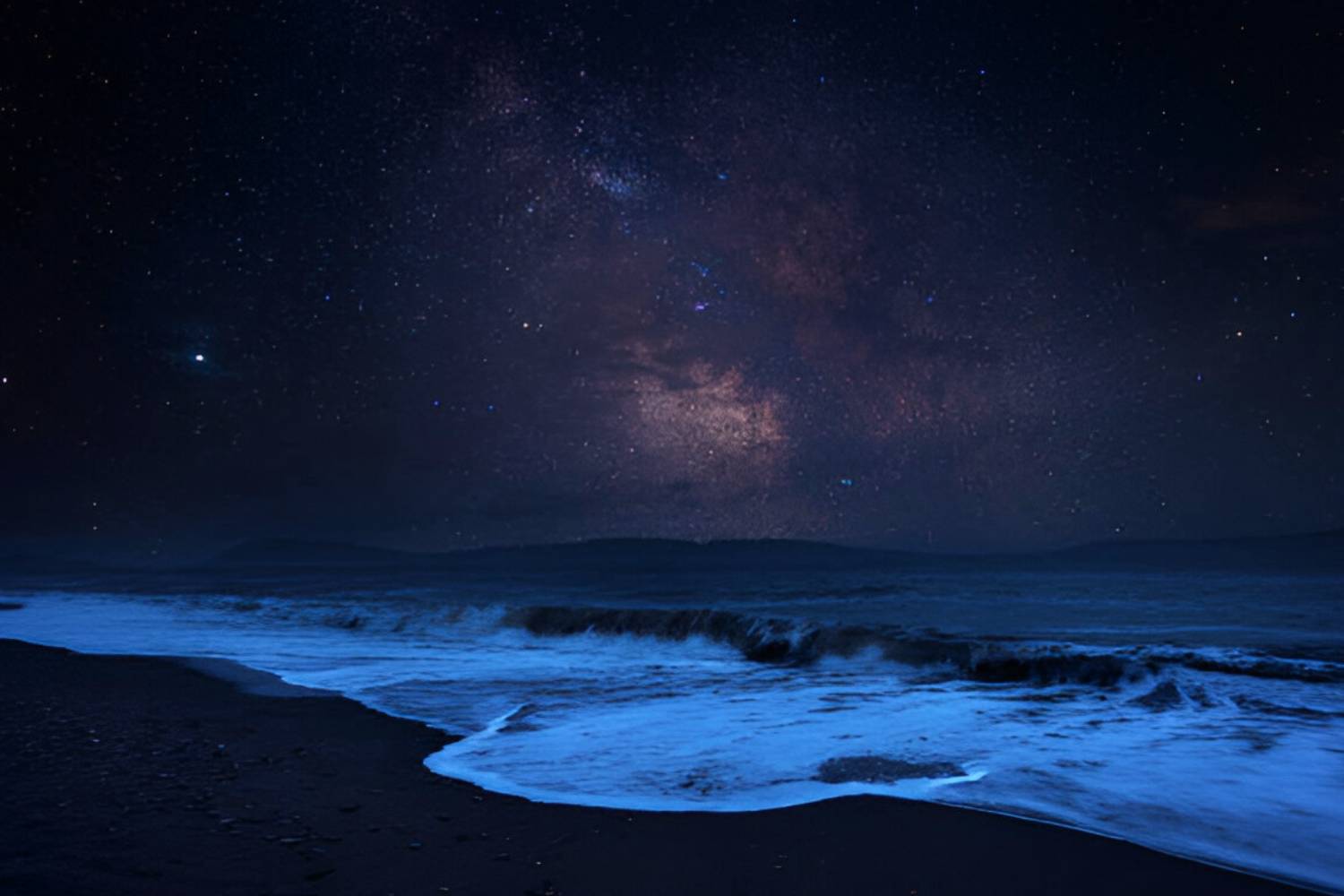
Miles away from the mainland’s noise and pollution, Neil Island offers an ideal escape to witness the night sky meeting the ocean. This tropical gem, set amidst the turquoise waters of the Andaman Sea, benefits from minimal air and light pollution, allowing stars to shimmer vividly over palm-fringed shores. The clean marine air sharpens sky visibility, while the island’s sparse development ensures serene, pitch-dark nights. With its gentle sea breeze, quiet beaches, and natural isolation, Neil Island embodies the very essence of dark sky tourism India seeks to promote, offering stargazers a beachside cosmic retreat like no other.
What Makes It a Stellar Stargazing Spot?
- Exceptionally low light pollution due to remote island location
- Unobstructed sky views along Laxmanpur and Sitapur beaches
- Marine atmosphere reduces dust and haze for clearer skies
- Best visibility during dry season when humidity and cloud cover are minimal
Best Time for Stargazing in Neil Island:
December to March
Special Stargazing Events:
- Milky Way visibility from secluded beaches
- Zodiacal light phenomena over the ocean
- Ideal conditions for spotting southern constellations
Experiences Not to Miss:
- Night beach walks under starlit skies
- Eco-resort telescope sessions
- Bioluminescence and stargazing combo
- Campfire storytelling and skywatching
Astro Travel Tips & Essentials:
- Carry insect repellent, flashlight, tripod, and waterproof covers
- Visit natural bridges and coral sites during the day for a balanced trip
Jaisalmer, Rajasthan: A Galaxy of Stars Above the Golden Sands
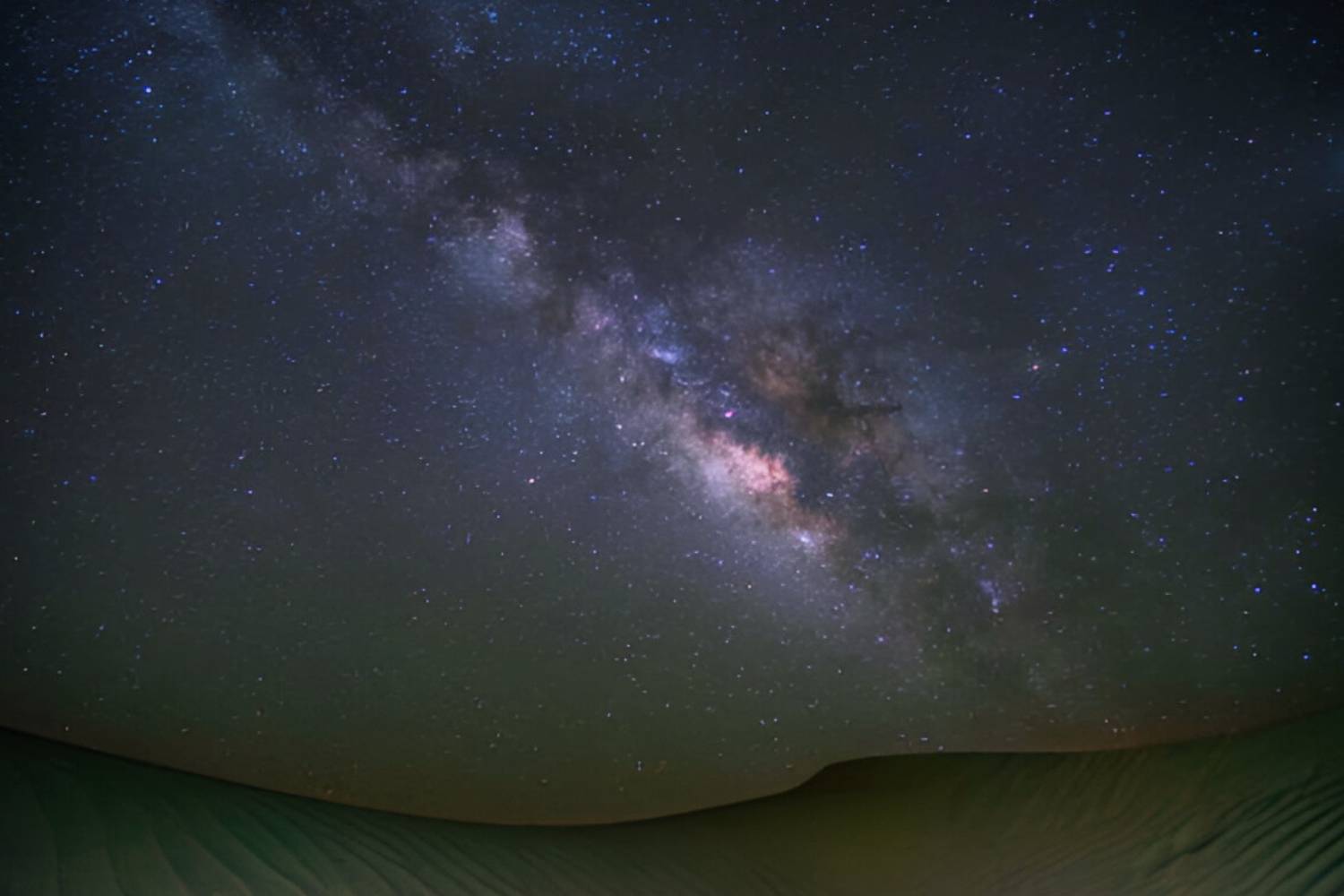
Situated amid the vast Thar Desert, Jaisalmer offers a front-row seat to one of the clearest night skies in India. Its dry desert air, high visibility, and minimal humidity form the perfect backdrop for uninterrupted stargazing. Once the sun sets over its golden dunes and the sandstone fort, the skies light up with celestial brilliance. Away from the city, the surrounding Sam Sand Dunes and Khuri transform into open-air observatories ideal for skywatchers. These elements make Jaisalmer one of the most unique stargazing destinations in India, where ancient culture and cosmic wonders coexist seamlessly.
What Makes It a Stellar Stargazing Spot?
- Dry desert climate with almost no atmospheric moisture
- Remote sand dunes offer uninterrupted 360° sky views
- Popular for night safaris with built-in sky observation stops
- Best visibility during winter months when skies are clearest
Best Time for Stargazing in Jaisalmer:
October to February
Special Stargazing Events:
- Meteor showers during Geminids and Leonids
- Moonrise over the sand dunes
- Stargazing during desert cultural festivals
Experiences Not to Miss:
- Camelback night safaris
- Desert camping with guided skywatching
- Live folk music under starry skies
- Telescope sessions at luxury tent resorts
Astro Travel Tips & Essentials:
- Carry warm layers for the night and telescopic equipment
- Visit Jaisalmer Fort, Gadisar Lake, Vyas Chhatri and Bada Bagh during the day
Pachmarhi, Madhya Pradesh: Stargazers’ Heaven in Central India
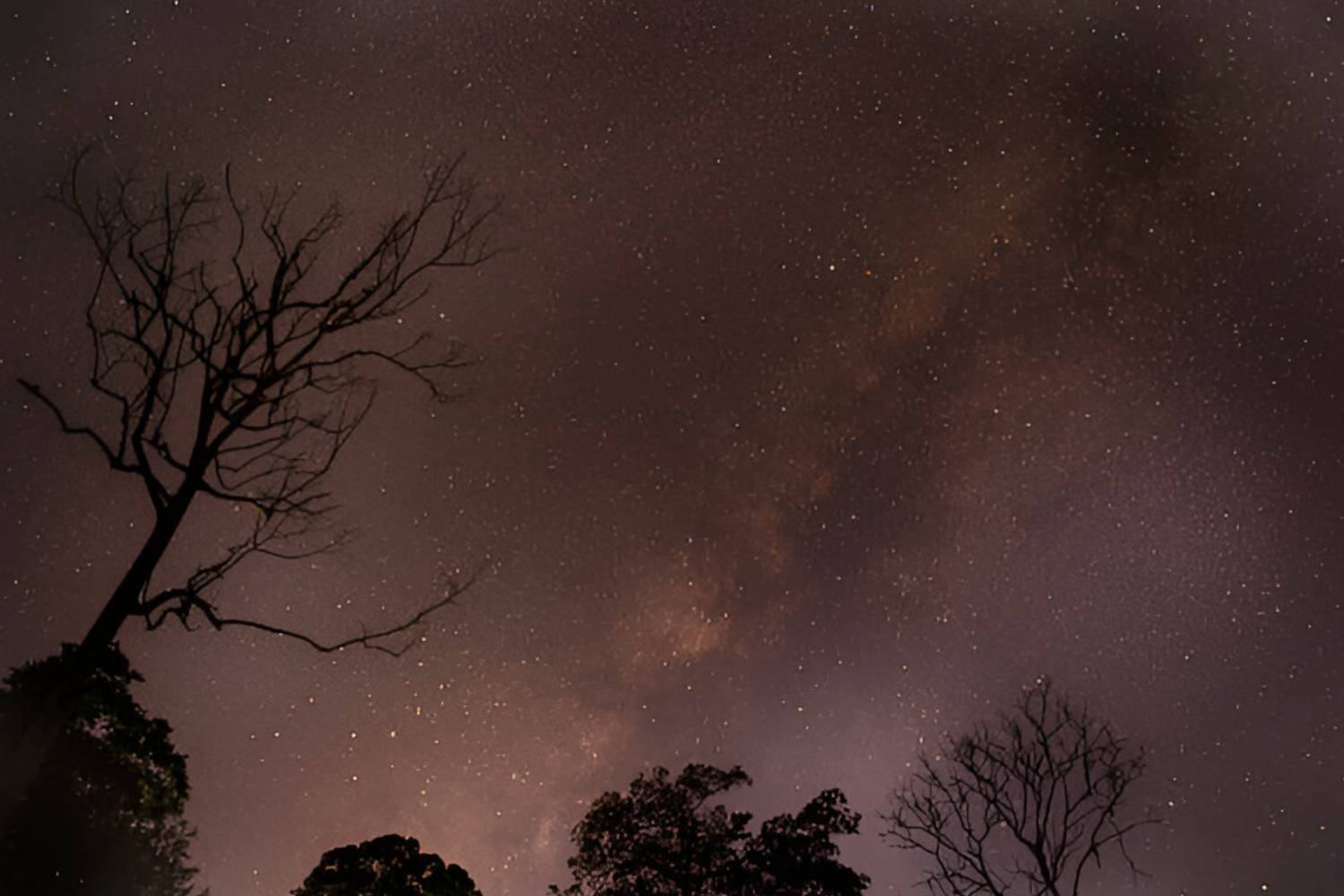
Tucked deep within the Satpura Range, Pachmarhi unfolds as a tranquil sanctuary where starlight filters through canopies of trees and silence reigns after dusk. Its altitude, sparse habitation, and lush forest cover create a rare harmony between earth and sky, shielding the night from excessive light and pollution. The surrounding hills form natural barriers that reduce atmospheric distortion, turning the region into a peaceful observatory for stargazers. As the only hill station of Madhya Pradesh, Pachmarhi offers both a cool climate and cosmic clarity, earning it a unique place among emerging astro-tourism destinations in India.
What Makes It a Stellar Stargazing Spot?
- Elevated terrain reduces atmospheric haze for sharp sky views
- Lesser light pollution due to forested area
- Naturally shielded valleys ideal for peaceful stargazing camps
- Ideal visibility during post-monsoon and winter months
Best Time for Stargazing in Pachmarhi:
November to February
Special Stargazing Events:
- Clear Milky Way bands in winter skies
- Conjunctions of planets visible from hilltop viewpoints
- Moonrise over the Satpura hills
Experiences Not to Miss:
- Night treks to Dhoopgarh peak
- Forest-edge camping with stargazing sessions
- Nature walks paired with night-sky photography
- Local astronomy storytelling events
Astro Travel Tips & Essentials:
- Reachable via Pipariya railway station (approx. 50 km drive)
- Stay at forest lodges or eco-resorts offering sky-view clearings
- Carry binoculars, warm gear, and hiking lights for night trails
- Explore caves, waterfalls, and biosphere trails during daylight
Shnongpdeng, Meghalaya: Nature’s planetarium under Meghalaya’s pristine skies
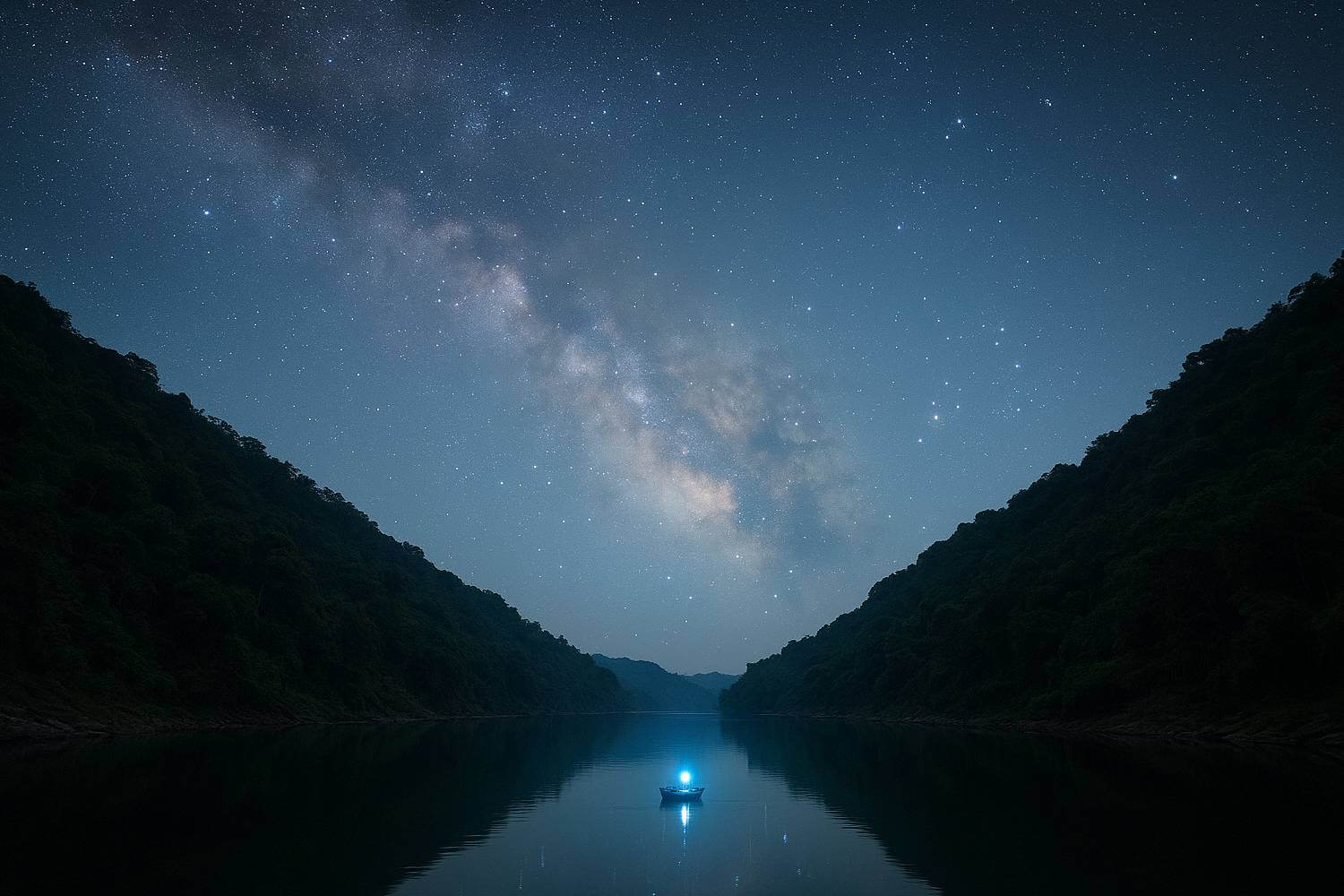
Silence, clarity, and solitude define the remote village of Shnongpdeng, tucked near the crystal-clear waters of the Umngot River in Meghalaya. While known for its mirror-like river by day, the real magic unfolds after sundown, when the skies open wide above this untouched haven. Shielded by lush cliffs and surrounded by dense forests, the area experiences minimal artificial interference, making it ideal for stargazers seeking an unspoiled dark sky. The cool, mist-free nights in winter and the quietness of the valley offer a surreal environment to observe the night sky, earning Shnongpdeng a quiet but growing reputation among astro-tourism spots in India.
What Makes It a Stellar Stargazing Spot?
- Extremely low light and air pollution in the region
- Natural elevation and isolation provide wide, clear horizons
- Community-led eco-tourism supports night camping initiatives
- Best visibility during dry season with clear skies
Best Time for Stargazing in Shnongpdeng:
November to February
Special Stargazing Events:
- Meteor showers over the Umngot River
- Reflections of constellations in still river water
- Ideal Milky Way sightings on moonless nights
Experiences Not to Miss:
- Riverside stargazing from bamboo bridges
- Skywatching from river tents or tree huts
- Night boating under a starlit canopy
- Astro-camps led by local eco-guides
Astro Travel Tips & Essentials:
- Accessible via road from Dawki or Shillong (approx. 3–4 hrs.)
- Opt for riverside homestays or eco-camps with open sky views
- Bring star maps, power banks, and warm wear
- Explore daytime gems like Umngot boating, cliff diving, and living root bridges
Yercaud, Tamil Nadu: A Quiet Hill Station with A Galaxy for Company

While often overshadowed by more commercial hill stations in South India, Yercaud quietly excels as a night-sky haven. Perched on the Shevaroy Hills of the Eastern Ghats, this quaint destination offers clear atmospheric conditions, mild temperatures, and low light pollution, especially on the outskirts of town. Its unique topography, framed by thick coffee plantations and winding hill roads, provides elevated open spaces ideal for observing constellations, meteor showers, and planetary movements. Add to that the tranquil, slow-paced setting, and Yercaud becomes one of the most underrated dark sky tourism places in India.
What Makes It a Stellar Stargazing Spot?
- Elevated terrain offers crisp air and unobstructed views
- Low urban interference in hilltop and estate areas
- Clear post-monsoon skies with minimal haze
- Ideal winter visibility for constellations and planetary trails
Best Time for Stargazing in Yercaud:
December to February
Special Stargazing Events:
- Orion and Taurus constellations in early winter
- Long-exposure Milky Way shots from hilltop spots
- Visible transits of Venus and Jupiter
Experiences Not to Miss:
- Night photography near Lady’s Seat viewpoint
- Stargazing camps at private estates
- Telescope-aided skywatching near Pagoda Point
- Hilltop bonfire nights with sky talks
Astro Travel Tips & Essentials:
- Book stays at coffee estates or eco-resorts with rooftop access
- Carry portable telescopes, tripod cameras, and warm clothing
- Visit Yercaud Lake, Kiliyur Falls, and Servarayan Temple by day
Kodaikanal, Tamil Nadu: Where Every Night is a Celestial Masterpiece
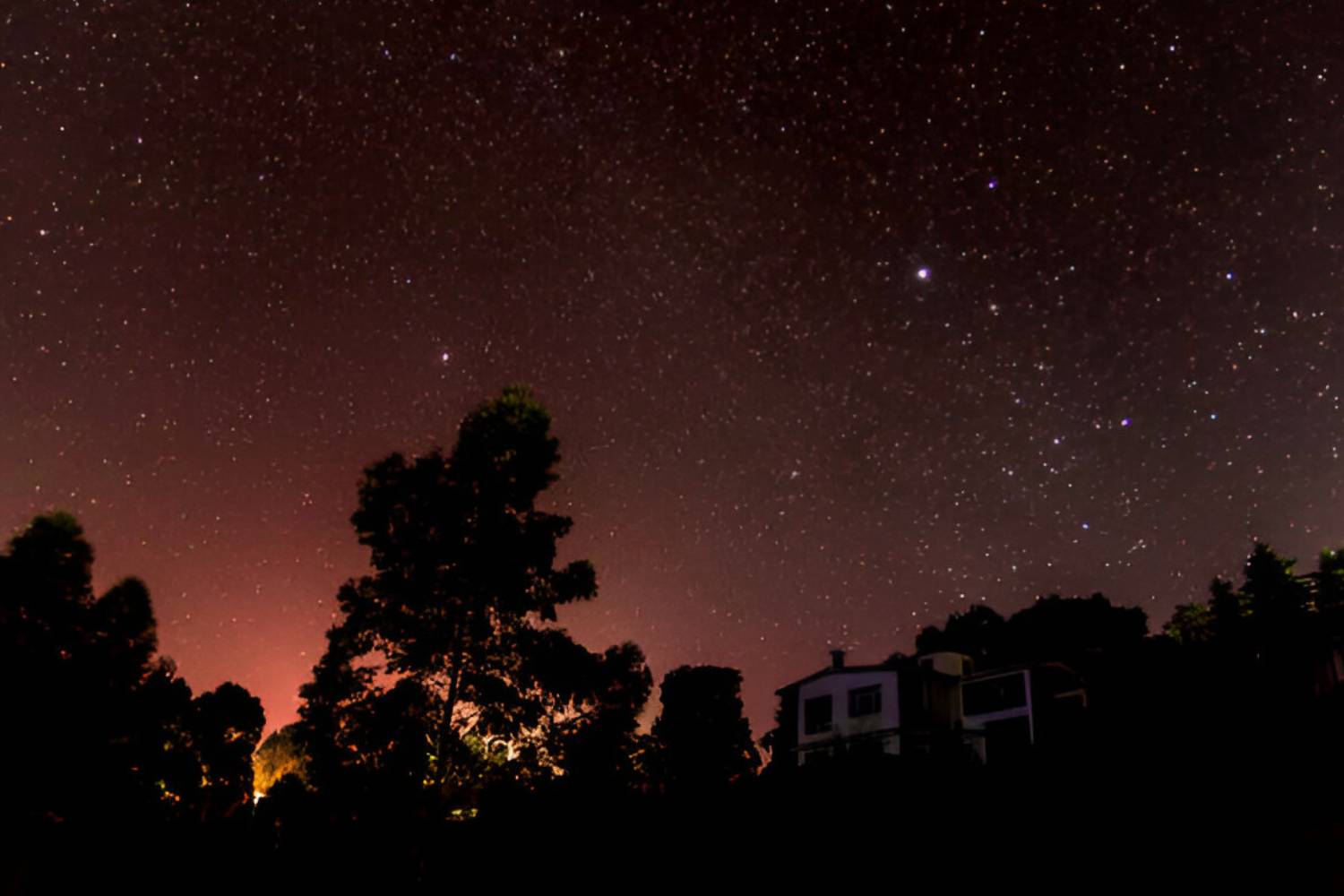
Kodaikanal offers more than misty lakes and pine-covered slopes; it has some of the most rewarding night skies in southern India. Its altitude of over 2,000 meters and clean, crisp air significantly reduce atmospheric interference, making it a naturally suited spot for sky observation. Quiet zones beyond the bustling town center, especially around Observatory Hill, offer a front-row seat to the cosmos. The presence of one of India’s oldest space research observatories further cements Kodaikanal’s place among the scientifically significant astro-tourism locations India has to offer.
What Makes It a Stellar Stargazing Spot?
- High elevation with minimal light pollution in outer areas
- Kodaikanal Solar Observatory adds scientific weight and historic relevance
- Naturally clear skies during summer and early winter
- High visibility of constellations and meteor showers from open hilltops
Best Time for Stargazing in Kodaikanal:
March to May and October to December
Special Stargazing Events:
- Eta Aquarid and Geminid meteor showers
- Solar observation experiences at the observatory (daytime)
- Clear winter views of the Milky Way
Experiences Not to Miss:
- Night walks around Coaker’s Walk and Observatory Hill
- Astro camps hosted near Berijam Lake
- Telescope sessions in private eco-stays
- Astronomy-themed bonfire gatherings
Astro Travel Tips & Essentials:
- Accessible via road from Madurai or Coimbatore (approx. 3–4 hrs)
- Choose homestays or resorts with terrace views in quieter areas
- Pack binoculars, tripod, and thermal wear for night outings
- Explore Kodai Lake, Pine Forest, and Pillar Rocks during the day
Astro tourism in India is about connecting with the universe, embracing the silence of remote landscapes, and experiencing nature in its purest form. We hope you found this blog useful and are excited to experience stargazing at one of these destinations in India. Let us help you plan your trip; contact us at +91-9212777223/24 or write to us at [email protected].
Other Interesting Blogs to Read
Frequently Asked Questions
What is astro-tourism, and how is it gaining popularity in India?
Astro-tourism in India is a unique form of travel that revolves around stargazing, astrophotography, and cosmic exploration in dark sky locations.
- It combines remote travel with astronomy-focused experiences.
- Gaining popularity due to rising interest in dark sky tourism in India.
- Encourages offbeat travel in places with minimal light pollution.
- Destinations like Hanle, Spiti, and Rann of Kutch are becoming hotspots for astro travelers.
Which are the top destinations in India for stargazing and astro-tourism?
India offers several stunning destinations that feature clear skies and low light pollution, ideal for cosmic experiences.
- Hanle, Ladakh
- Spiti & Pin Valley, Himachal
- Rann of Kutch, Gujarat
- Neil Island, Andaman
- Jaisalmer, Rajasthan
- Pachmarhi, MP
- Shnongpdeng, Meghalaya
- Yercaud & Kodaikanal, Tamil Nadu
When is the best time of year to go stargazing in India?
Timing your astro trip is key to enjoying India’s clearest, darkest skies.
- Hanle: April to September (dry and transparent skies)
- Spiti & Pin Valley: May to October (clear, cloud-free nights)
- Rann of Kutch: November to February (ideal for winter constellations)
- Neil Island: December to March (minimal cloud cover)
- Jaisalmer & Pachmarhi: October to February (cool, dry air)
- Yercaud & Kodaikanal: Winter and post-monsoon months
What equipment is recommended for amateur stargazers traveling in India?
Basic yet smart gear can elevate your stargazing experience in India’s remote regions.
- Portable telescopes or binoculars
- Tripods and wide-angle cameras for astrophotography
- Star maps or astronomy apps for constellation tracking
- Red-light torches to maintain night vision
- Thermal layers, power banks, and backup batteries
What are Dark Sky Reserves, and where are they located in India?
Dark Sky Reserves are protected zones with minimal artificial light, ideal for astronomical observation. Hanle in Ladakh is India’s first official Dark Sky Reserve. It is surrounded by high-altitude terrain and zero light pollution. It offers good visibility for Milky Way and meteor.
Are there any cultural or local festivals in India that coincide with major celestial events?
Yes, several festivals enhance the astro experience with cultural immersion.
- Rann Utsav in Gujarat aligns with winter night-sky events.
- Desert festivals in Jaisalmer often feature night safaris and sky sessions.
- Occasional Ladakh Astro Fests are held in Hanle and nearby villages.
About the author
From the Lake District, Nainital, Nidhi Singh is a travel writer whose love for mountains can be seen in her write ups. Talk about solo travelling, indulging in adventure activities, binging on good food, planning budget trips or the Aurora Borealis and you will get all her attention. It is the wanderlust that keeps her going and if at all she could get one wish granted she would love to live a life less ordinary. Follow her on Twitter, Facebook & Instagram.


 +91-9212777225
 Plan Your trip