Kumbh Mela Cycle and Event Classification
The Kumbh Mela follows a cyclical framework rooted in Hindu tradition and astrological calculation. The event is categorized as follows:
- Purna Kumbh Mela : Held once every 12 years
- Ardh Kumbh Mela : Held once every 6 years (at Haridwar and Prayagraj)
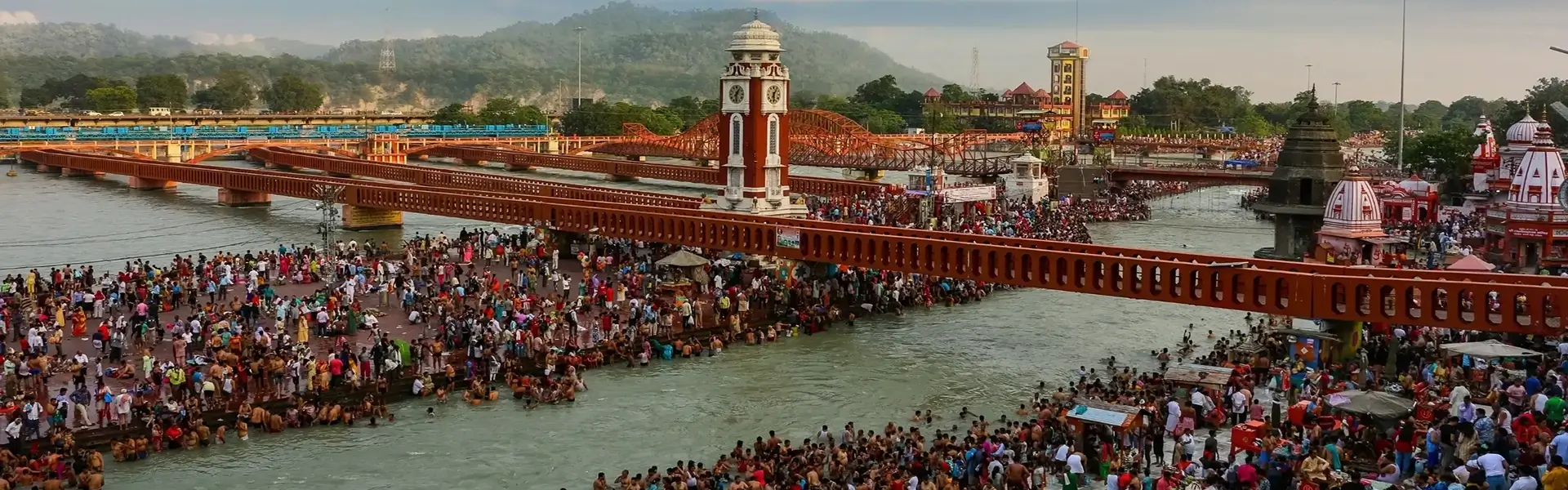
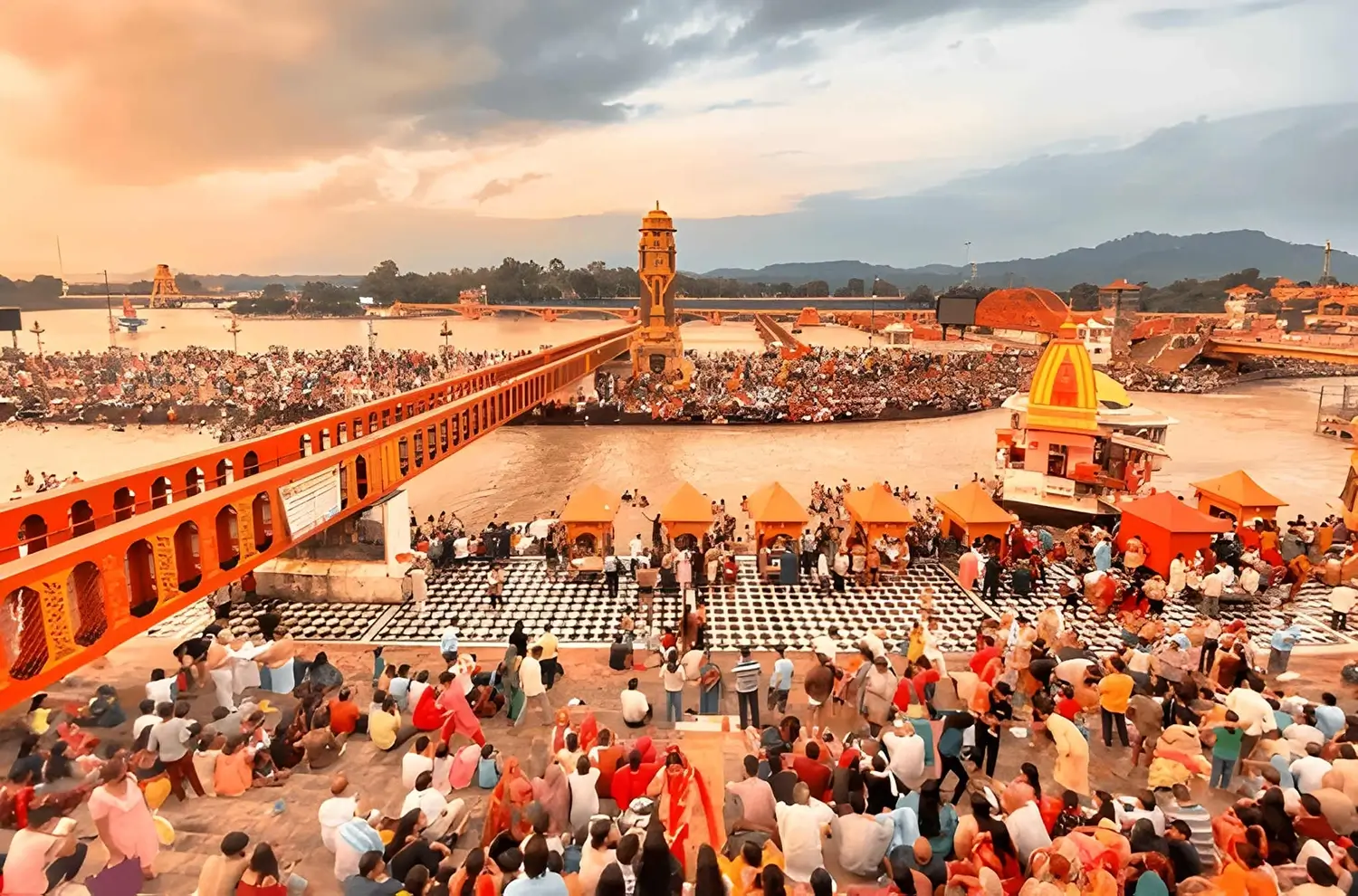
Haridwar is one of the four recognized Kumbh locations, along with Prayagraj, Nashik, and Ujjain.
Astrological Mechanics : The "Kumbh Yoga" of 2027
The timing of the Haridwar Kumbh is governed by the specific transit of Jupiter (Guru) and the Sun (Surya). In the Vedic tradition, the "Kumbh Yoga" at Haridwar occurs specifically when :
- Jupiter enters the zodiac sign of Aquarius (Kumbha).
- The Sun enters Aries (Mesha).
During this alignment, the water of the Ganga is believed to manifest the vibrational frequency of Amrit (the nectar of immortality). In 2027, the peak of this cosmic window falls on April 14 (Mesh Sankranti), making it the most potent spiritual day of the four-month festival.
Haridwar Ardh Kumbh 2027 Official Ritual Calendar (The 10 Snans)
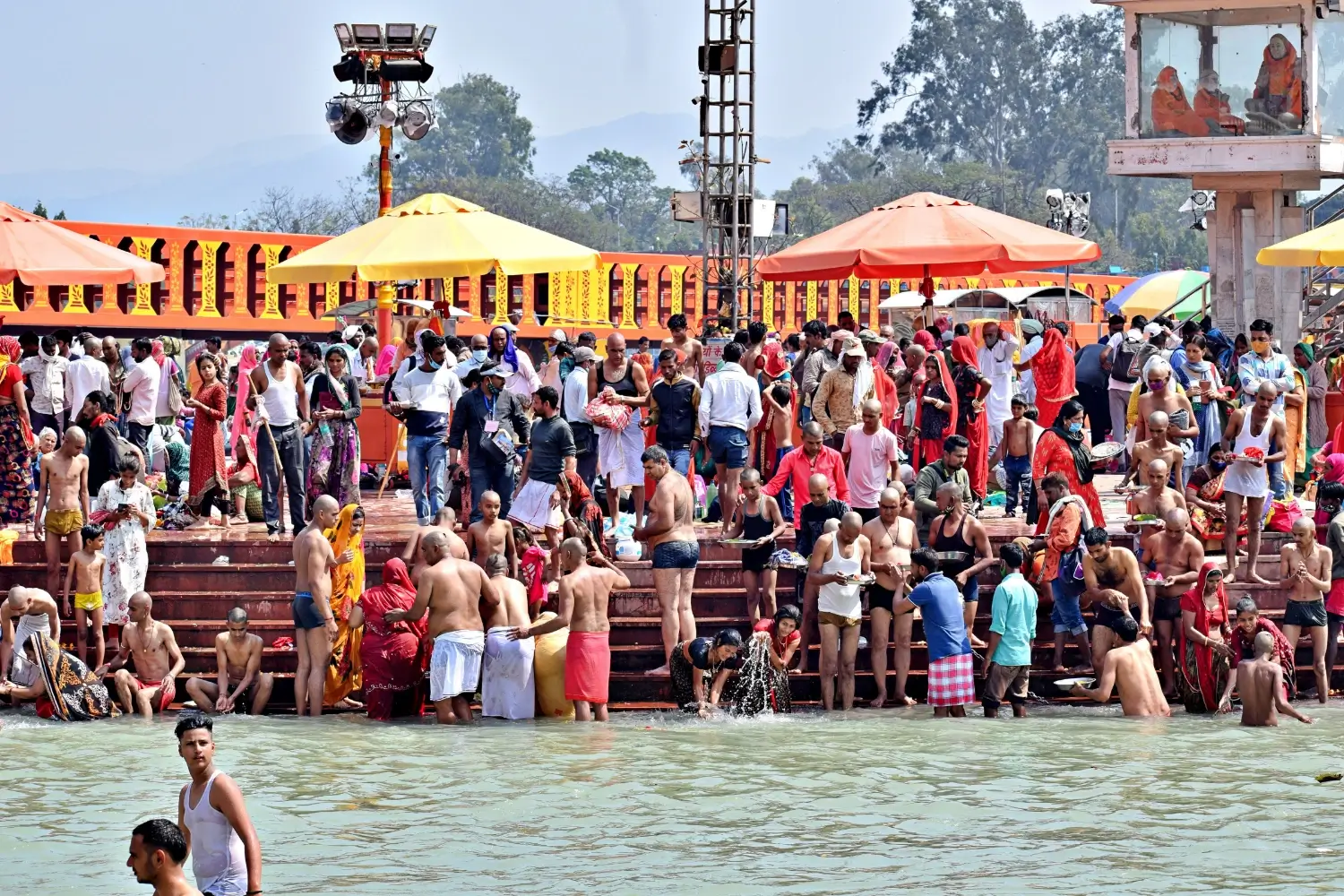
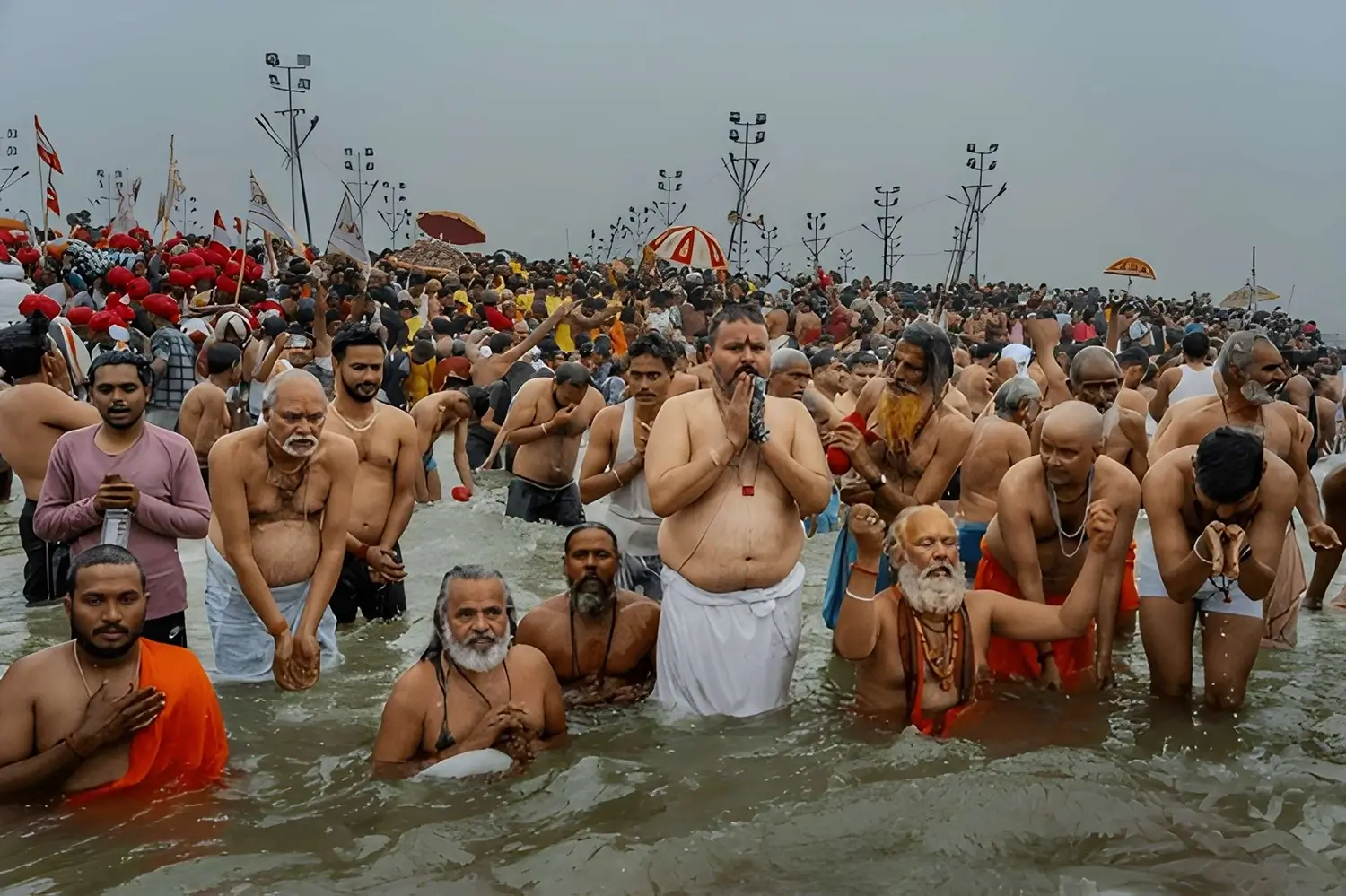
The 2027 schedule of Haridwar Ardh Kumbh features 10 major bathing festivals, including three "Amrit Snans" (Royal Baths) where the ascetic processions take precedence.
| Date |
Festival |
Bathing Category |
Operational Intensity |
| Jan 14, 2027 |
Makar Sankranti |
Opening Bath |
High (Initial Surge) |
| Feb 6, 2027 |
Mauni Amavasya |
Major Snan |
Extreme (Silent Vow Day) |
| Feb 11, 2027 |
Vasant Panchami |
Auspicious Bath |
Moderate |
| Feb 20, 2027 |
Magh Purnima |
Auspicious Bath |
Moderate |
| Mar 6, 2027 |
Mahashivratri |
1st Amrit Snan |
Critical (Naga Processions) |
| Mar 8, 2027 |
Phalgun Amavasya |
2nd Amrit Snan |
Critical (Somatic Cleansing) |
| Apr 7, 2027 |
Nav Samvatsar |
Hindu New Year |
High |
| Apr 14, 2027 |
Mesh Sankranti |
3rd Amrit Snan |
Peak (Highest Crowds) |
| Apr 15, 2027 |
Ram Navami |
Auspicious Bath |
High |
| Apr 20, 2027 |
Chaitra Purnima |
Closing Bath |
Moderate (Exit Flow) |
The Akhara Hierarchy & The "Peshwai"
The 13 Akharas are divided into three main sects: Shaivite (followers of Shiva), Vaishnavite (followers of Vishnu), and Udaseen (followers of Chandra Dev).
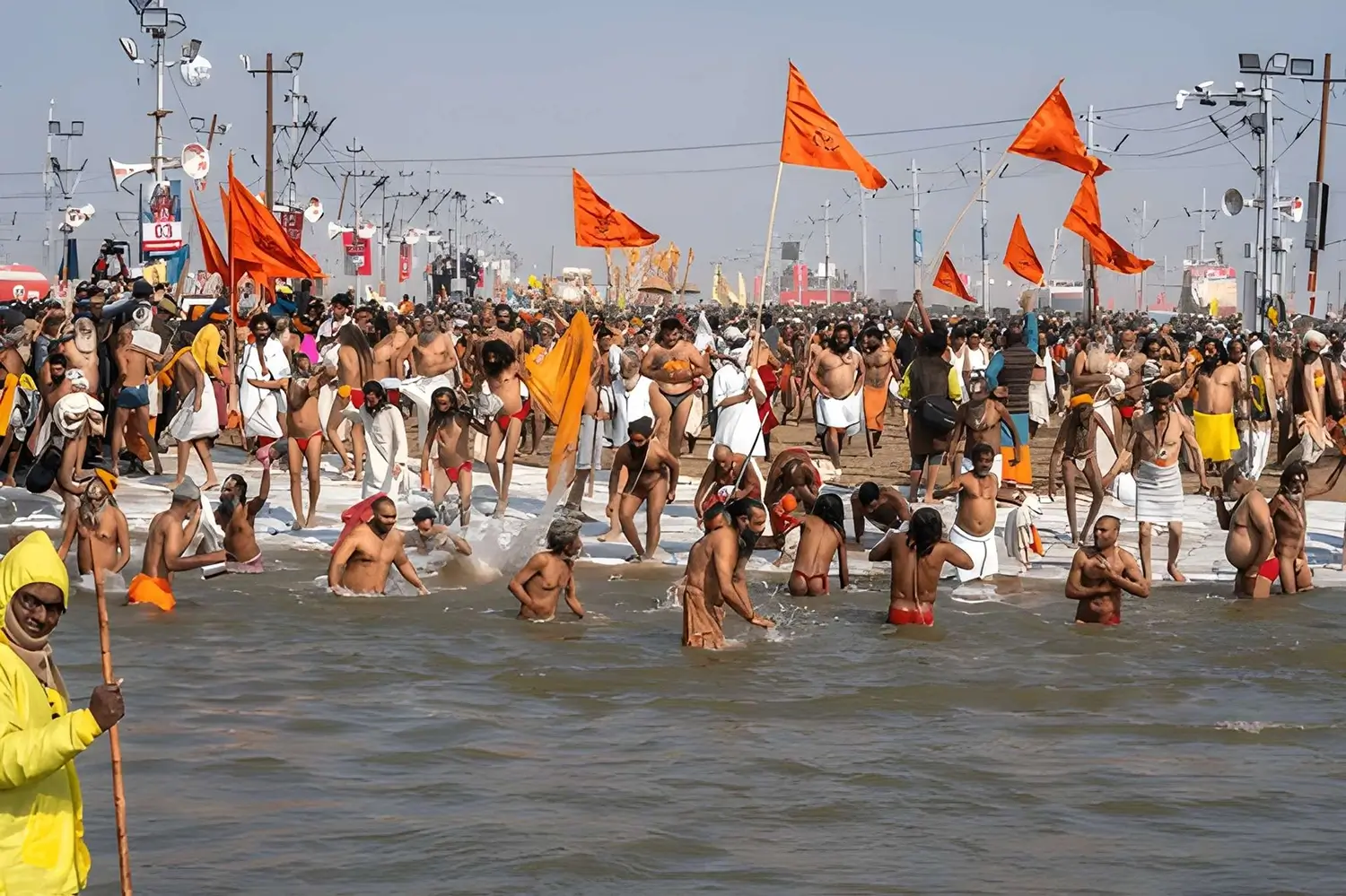
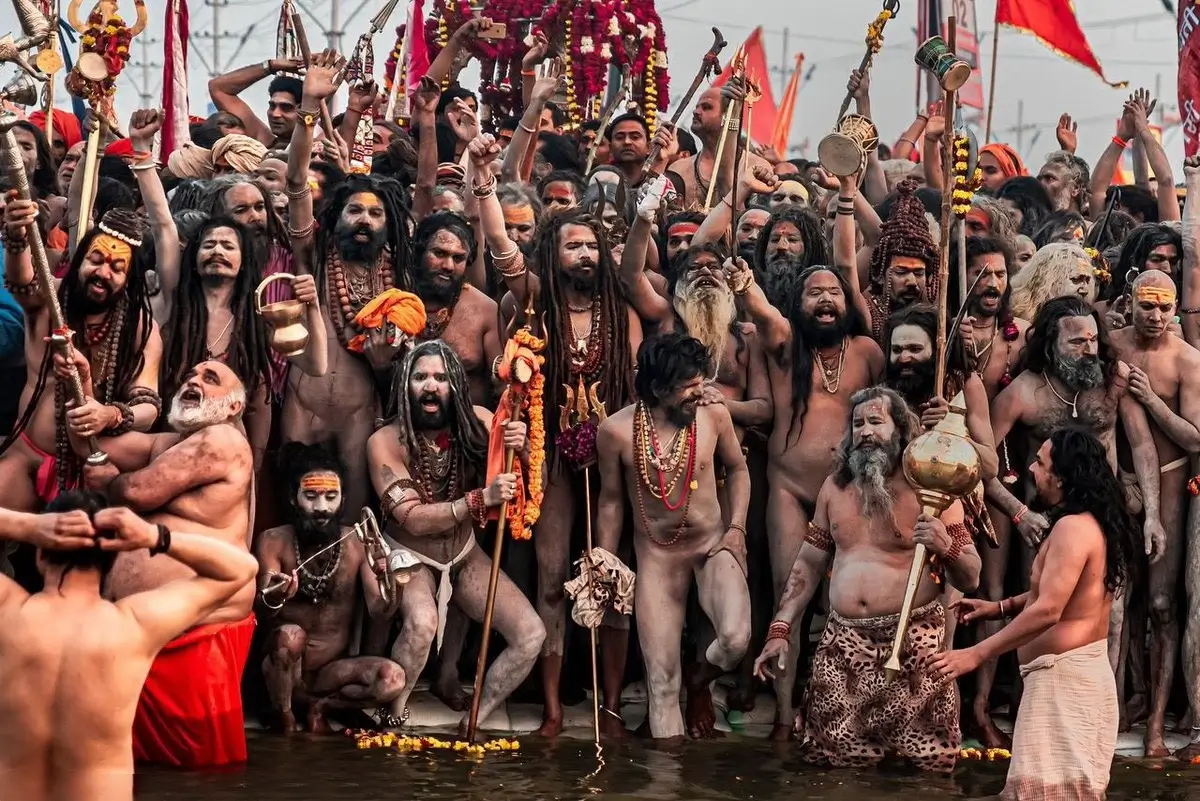
- Shaiva Akharas : Led by the Juna Akhara (the largest), followed by the Niranjani and Mahanirvani. These are famous for the Naga Sadhus, warrior-ascetics who lead the Shahi Snan.
- Vaishnava Akharas : Known as Ani Akharas (Nirvani, Digambar, and Nirmohi), they focus on devotion to Lord Vishnu and Hanuman.
- he 2027 Inclusion : Following the 2019 precedent, the Kinnar Akhara (transgender saints) will have a prominent presence under the umbrella of the Juna Akhara.
Tip : The Peshwai (the grand entry of the Akharas) is a 4-5 km procession featuring silver chariots and elephants. To witness this without being crushed, avoid the ghats and secure a spot on a rooftop along Upper Road or near the Dudhadhari Chowk at least 5 hours before the scheduled time.
Operational Logistics : The "Digital Kumbh" Infrastructure
The Uttarakhand government is developing the 2027 event as a "Digital & Green Kumbh." Key upgrades include:
- 32 Sector Division : The Mela area is divided into 32 autonomous sectors, each with its own hospital, police outpost, and sanitation hub.
- AI Crowd Monitoring : A centralized command center uses geospatial mapping and AI sensors to detect "crowd-density anomalies" on the pontoon bridges to prevent stampedes.
- The Bairagi Camp Overhaul : 1500-kilolitre overhead tanks and new tube wells are being installed specifically in the Bairagi Camp area to support the millions of Kalpwasis (pilgrims who stay for a month).
Getting Around: The "Zero-Zone" Reality
During the 10 major bathing dates, Haridwar implements a zero-zone policy. These restrictions are enforced uniformly across sectors and are non-negotiable on major bathing dates.
- Vehicle Lockdown : No private vehicles are allowed within 6-8 km of Har Ki Pauri.
- Satellite Parking : You must park at Motichur (if coming from Dehradun/Rishikesh) or Bairagi Camp/Gauri Shankar (if coming from Delhi/UP).
- Shuttle Service : Free electric shuttle buses run from parking lots to the "Drop-off Points," after which a 3-5 km walk to the ghats is mandatory.
How to Reach Haridwar
During the 10 major bathing dates, Haridwar implements a zero-zone policy. These restrictions are enforced uniformly across sectors and are non-negotiable on major bathing dates.
- By Air : Nearest airport: Jolly Grant Airport, Dehradun (approximately 35–40 km).
- By Rail : Haridwar Junction is directly connected to major Indian cities. During previous Kumbh cycles, Indian Railways introduced special Kumbh Mela trains, increased service frequency, and temporary halts at nearby stations. Similar arrangements are expected closer to the 2027 event, particularly around major bathing dates.
- By Road : Haridwar is well connected by national highways. Traffic diversions and controlled entry routes are implemented during peak Kumbh days.
Local Transport : E-rickshaws, shared jeeps, shuttle buses, and walking corridors form the primary modes of local movement.
Accommodation During Kumbh
Accommodation availability and location significantly affect travel logistics during the Kumbh.
Areas Near Har Ki Pauri/Upper Road
- Closest proximity to primary ghats
- Highest crowd pressure and access restrictions
Motichur, Bhupatwala, and Jwalapur Areas
- Longer walking distances on peak days
- Relatively quieter environments and easier exits
Rishikesh-Side Stays and Riverside Resorts
- Calmer surroundings
- Daily commute required to reach Kumbh zones
Ashrams, Dharamshalas, and Temporary Camps
- Basic facilities and structured routines
- Primarily suited to spiritually inclined pilgrims
Booking Advisory :
Accommodation fills several months in advance, particularly around major bathing dates. Early planning is essential.
Safety and Practical Guidelines
- Follow official announcements and crowd advisories
- Carry minimal valuables and secure personal belongings
- Maintain hydration and consume food from hygienic sources
- Establish meeting points when traveling in groups
- Wear appropriate footwear for extended walking distances


 +91-9212777225
 Plan Your trip