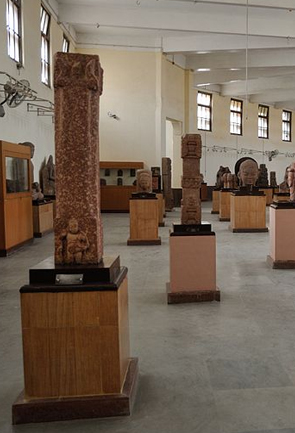
The diverse land of Uttar Pradesh boasts of some museums that not only gives the tourists an insight into the rich heritage of the state but also reflects the skills of our craftsmen through art and artifacts. Out of many museums that are spread all across Uttar Pradesh, the most important and a must visit is the popular ‘State Museum’ of Lucknow. The museum is the oldest and largest multi-purpose museum of Uttar Pradesh which has hundreds of antiquities and other exhibits on display. On visiting the museum, tourists will come across the art and archaeology, paintings, manuscripts, numismatics and anthropology. Also, the State Museum has some of the best collections of bronze artifacts of the bygone era. Moving ahead to Varanasi, the equally renowned Bharat Kala Bhawan displays a very proud collection of artifacts, tools and commodities belonging to Indus valley civilization as well as other dynasties such as Maurya, Sunga and Gupta.
The Allahabad Museum which is considered to be the richest amongst all the museums and galleries of Uttar Pradesh, displays collection that date back to the prehistoric times. On visiting the museum, travellers can take a walk back in the time by coming across the eighteenth gallery of the museum which includes the exquisite sculptures, rare manuscripts, gold coins, beautifully carved pillars and century old terracotta objects. One can even make a visit to the Anand Bhavan which was once an ancestral home to Jawaharlal Nehru but has now turned into a fine museum and displays the memorabilia of the Nehru family.
To travel back to the era of Gautam Buddha, Archeological Museum of Sarnath which is another famous museum of Uttar Pradesh let the visitors witness a good collection of artifacts and other things related to Buddhism along with a number of sculptures and bronzes. The Government Museum in Mathura has a very limited scope due to its localized character. The place has the richest and most vivid collection of Mathura School of Sculptures of 3rd century B.C - 12th century A.D. Located in the Jhansi Fort, the Jhansi museum is a not to be missed tourist attraction in Uttar Pradesh as the museum not only gives an insight in to the history and heritage of Jhansi but also throws light on the history and culture of the Bundelkhand region. Stepping inside the museum, one can see the weapons, statues, dresses and photographs belonging to the Chandela dynasty.
Apart from this, the Jhansi Museum also houses numerous terracotta structures, bronze statues, manuscripts, paintings and coins. Other than these cities of Uttar Pradesh, travellers can make a visit to the museums of Faizabad, Jaunpur and Gorakhpur for witnessing the rich heritage of the land. Uttar Pradesh Tour is definitely not complete without a visit to these museums as all the museums and galleries holds an importance and are a very good depository that gives an opportunity to each and everyone get an insight into the past while constituting to be amongst the popular tourist attractions in Uttar Pradesh.










 Plan Trip
 Call Us
 Packages
 Home
Home