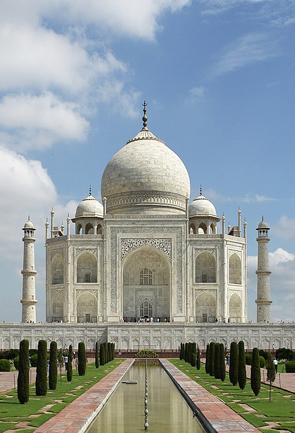
The land of Taj, Agra boasts a travel experience unlike any other. Apart from being the home to the iconic and particularly popular attraction for international travellers, Taj Mahal, Agra is an epitome of fine Mughal architecture and their rich history. After all, this popular place in Uttar Pradesh was once the capital of the Mughal rulers. This is why Agra is an incredible destination for a family tour or an educational excursion as it offers an unforgettable journey back in the past. The grandeur of Agra Fort and Fatehpur Sikri; the finesse of Akbar’s Tomb and Itmad-Ud-Daulah Tomb; the charm of unsurpassed Taj Mahal and Mehtab Bagh, leave travellers in awe of Mughal’s brilliant taste in art and architecture.
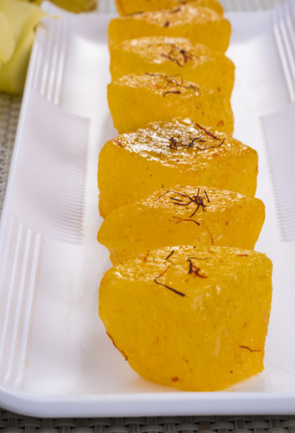
Agra is a perfect sightseeing place and also makes for a lovely honeymoon destination; by all means, everyone fancies to visit a site that embodies love and romance. Apart from sightseeing and a heritage tour, Agra is ideal for shopping for the native and popular Petha, an Indian sweet; leather; and the obvious - marble stone items. Another must thing to do in Agra is to plan a luxury tour and relish incredible sight of Taj Mahal from the comfort of the balcony/roof of a lavish hotel. Attending the annual Taj Mahotsav and visiting various temples, churches, and parks can also be added in Agra travel itinerary to ensure an unforgettable holiday.












 Plan Trip
 Call Us
 Packages
 Home
Home