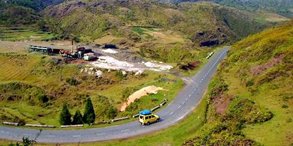
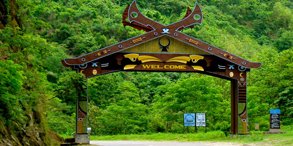
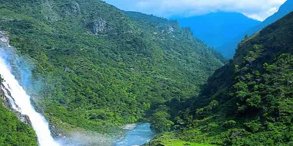
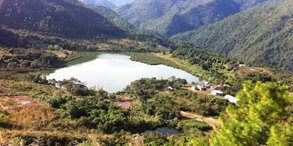
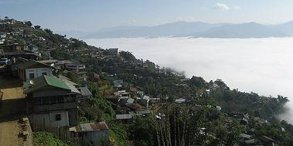
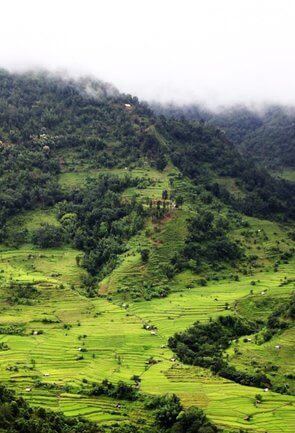
This must visit destination 'Nagaland' is a wonderful world full of beauty, appeal and adventure that calls tourists from far and near. As for some, the only drawback is the accessibility which is an important factor and perhaps the only reason why this seems to be a dream-like destination. But truth be told, the roads are quite convenient, from smoothly linked highways via Assam and West Bengal, Nagaland, in fact, the entire Northeast in easily accessible. Travellers venture into the Naga Hills to experience Nagaland tour with exquisiteness and to have unforgettable memories of the landscape, people, food, and culture. Even the rich deep forest looks blue because of the reflection of the bright sky with meandering clouds hovering around. Nature could not have been any sweeter to Nagaland for endowing it with everything beautiful and awe-inspiring.
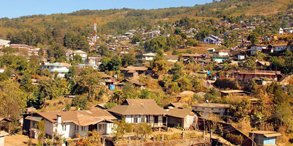
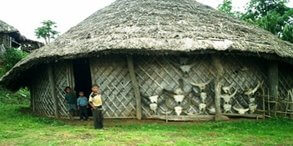
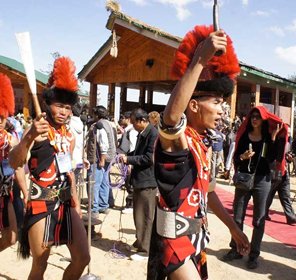
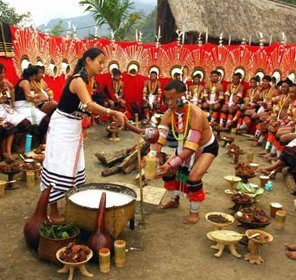
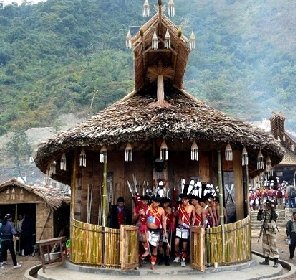
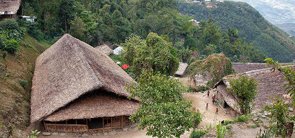
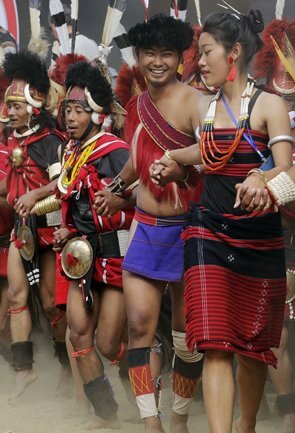
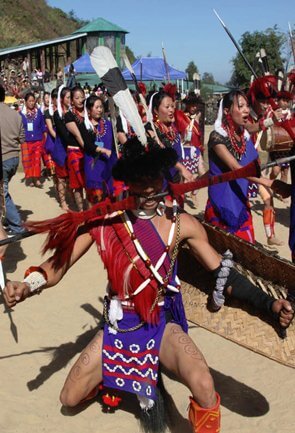
The people in Nagaland live a very noble and humble life, and if you visit these states you will be welcomed with love and curiosity. Often, the people of Nagaland are tagged to be introvert but once you interact with them, they will be a good travel guide and will help you travel at ease. When we talk about different sightseeing places in Nagaland then there are plenty. From the II World War that took place in Kohima in 1944 to the humble settlement between Indo-Burma borders in Mon district 'Longwa Village,' every town or city or village has a story to tell and attractions signifying the tales to visit. This folklore land proudly carries music as an important tool for communication. Thus, music in Nagaland plays an integral part and you can hear the soothing yet hair-raising folk songs praising ancestors during its many Nagaland festivals. Today, one such time and venue to attend and witness the music is during the winter season. On every first week of December tourists and local people gather to the Kisama Heritage Village in Kohima to witness the famous 'Hornbill Festival.' It is certainly not just the mega event that invites, but the entire Nagaland calls people to catch a glimpse of its otherworldly places and attractions. Witness the beauty amongst the top places to visit and tour in some of the most popular travel destinations in Nagaland. This destination consists of 16 major tribes each unique to its own that dwells in this fascinating state. It so happens that, since Nagaland consist several tribes, each tribe has different and unique festivals. And this exotic holiday destination will offer you ample amount of festivals and cultural ambience to blend in with the locals.
An ideal holiday in Nagaland would mean traversing through the different routes and modes of the state along with best places to explore. And this is what makes people come to Nagaland to see its many wondrous places and to be a part of its extravagant festivals accompanied by its lush and surreal hill stations, of which Mokokchung, Mon, Kohima, Wokha, Tuensang to name a few are the best examples of places to see in Nagaland. This land is a paradise for nature lovers because Nagaland is home to various flora and fauna and you can also take up a trekking tour to some best places to trek in Nagaland. Some outdoor adventure tours you can take up when in Nagaland are angling; this is a very common and great pastime to spend an afternoon in some of the rivers of Nagaland.
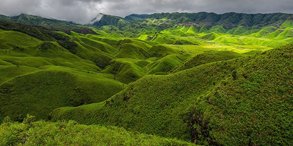
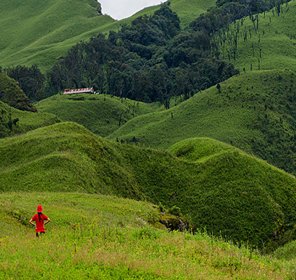
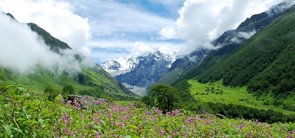
You will find varieties of fishes like local Trout, Indian Masheer and Salmon. Camping and Trekking are both an exciting adventure done in Nagaland. Adventure lovers looking for adventure activity can go camping in the Satoi Range of Nagaland. Besides, Dzukou Valley also is an ideal camping site which also serves a border of Manipur and Nagaland and it is also an active trekking spot for trekkers.
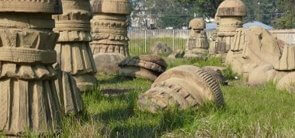
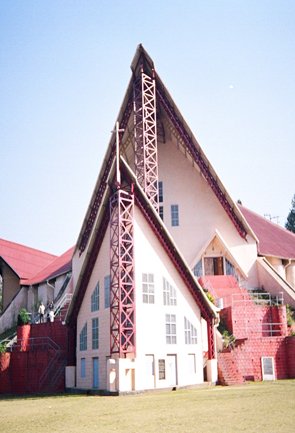
Another feature that is worth exploring in the state is its soothing ambient bird sanctuary located in Kohima. Pulie Badze Wildlife Sanctuary is home to some rare and endangered species in Nagaland like Blyth’s Tragopan and Dark-Rumped Swift. Also, this sanctuary has two important features i.e. Dzukou Valley and Japfu Peak located side to side. Nagaland sightseeing tour is incomplete without paying a visit to its unique marvel architecture and historical sites in Nagaland like the Mary Help of Christians Cathedral, Kachari Ruins, Langpangkong Caves, Totsu Cliff, Longwa Village, Twin Stones just to name a few. Nagaland is also home to some National Parks like Ntangki National Park and Nagaland Zoological Park. Apart from wildlife destinations, another good reason to visit Nagaland is for its museums. They store age-old cultural legacy and a number of artefacts and remains of the times. One can see a ceremonial drum, an exhibit of animals and birds which are specific to north-eastern hill states and it also houses an art gallery which has beautiful exhibits of local artists.
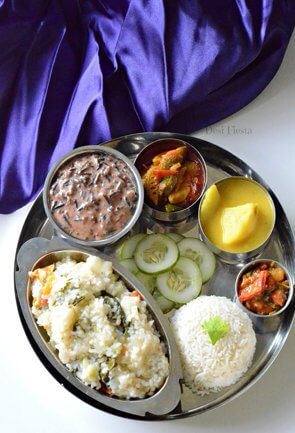
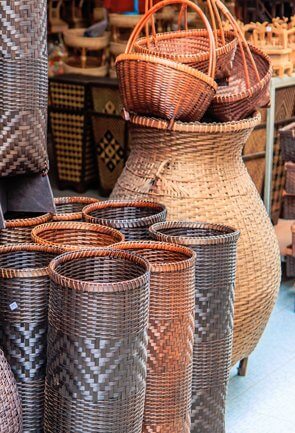
Tourism in Nagaland offers one and all with some must try Naga cuisines that give a unique blend of taste. As you all know, Nagaland is mainly meat eater, hence, you will find a lot of tasty pork, chicken, beef and the list goes on. Some lip smacking dishes Nagaland offers are salty smoked pork stew, bamboo steamed fish, dried fish and roasted intestines and there is more to vegetable eaters as well like a healthy mixture of beans, boiled vegetables that includes cabbage, long beans and melon. Lastly, you do need a memento for remembrance and you will get plenty and worthy items to buy in Nagaland. This Northeast state has a lot of skilled craftsmen and their handiworks are worth it. Some items you can consider to buy are cane-crafting which is made of bamboos, this item is useful to make various things like the locals use it to make a cup to drink local brews, also, they make things like sofa, chairs, baskets, and storage materials. Weaving is perhaps Nagaland’s utmost skill and they make it with great detail, the finishing is remarkable. Most commonly made item are the famous Naga shawls, besides, other items like handbags and jackets are also prepared. The important handicrafts of the Nagas are Wood-carving, Bamboo work and Pottery.
We, at Tour My India, will help you explore the scenic destinations of Nagaland and accordingly, we will offer to you with best Nagaland holiday packages at best prices. With our best travel deals and itineraries, you can place confidence for a hassle free and memorable holiday in Nagaland.













 Plan Trip
 Call Us
 Packages
 Home
Home