Indian
States
Maharashtra |
| |
Cities
In Maharashtra
Mumbai
( General Information )
Mumbai
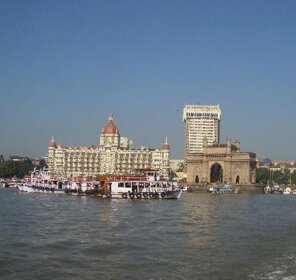
is the capital of Maharashtra and the economic powerhouse India.
It's an exhilarating city, fuelled by entrepreneurial energy, determination
and dreams. Compared to the torpor of the rest of India, it can
seem like a foreign country. Mumbai is the finance capital of the
nation, the industrial hub of everything from textiles to petrochemicals,
and it's responsible for half the country's foreign trade. To many
visitors, Mumbai is the glamour of Bollywood cinema, cricket on
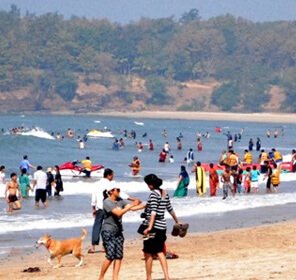
the maidans on weekends, bhelpuri on the beach at Chowpatty and
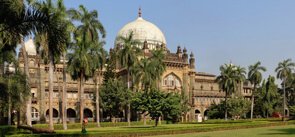
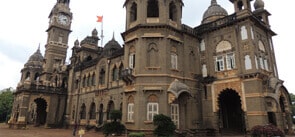
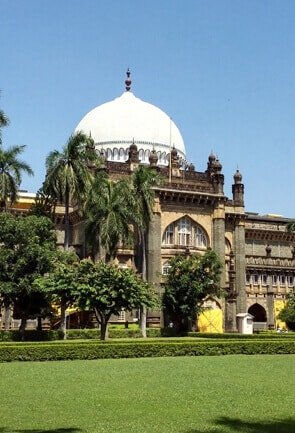
red double-decker buses. While it boasts an impressive Victoria
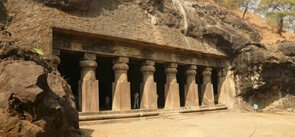
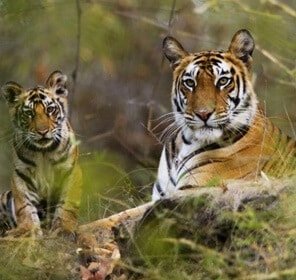
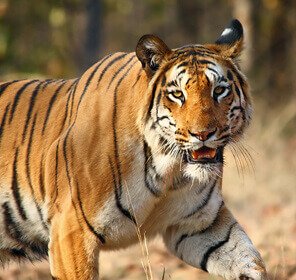
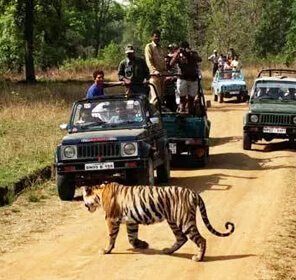
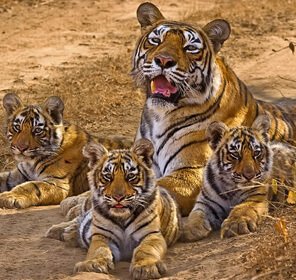
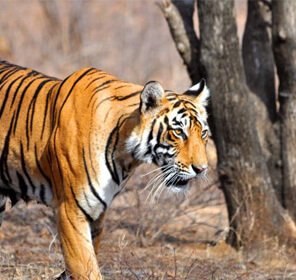
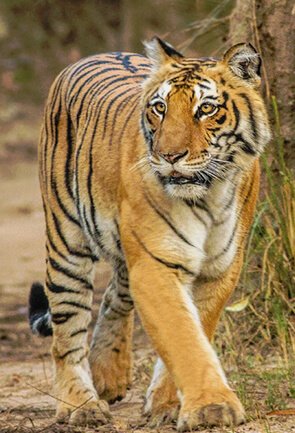
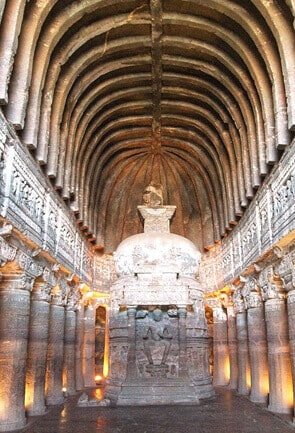
townscape, a sculptured island cave temple and a national park that's
roamed by wild tigers, the city's formal attractions pale in comparison
to the nonstop theater of its streets. Sixteen million people from
all over India are wedged into Mumbai and after a short stroll you
will feel like you have rubbed shoulders with and bumped into every
single one of them. The size of the population means the city has
enough social problems to last a lifetime, but its spirit is irrepressible
and it has personality by the bucket load. As the cultural bridgehead
between east and west, whatever happens in the rest of India tends
to happens first in Mumbai, and it usually happens with the maximum
amount of swank and noise. Most visitors to India gear themselves
up to confront poverty, but it's the extravagant display of wealth
in Mumbai that seem shocking. In many parts of the city flash cars
and mobile phones are as common as street kids or beggars, and Mumbai
loves to claim it has more millionaires than Manhattan. Flush with
money, the city has an established social elite and an entertainment
hungry middle class, which mean diversions are never in short supply.
Mumbai lives and breathes cinema, enjoy a rollicking nightlife,
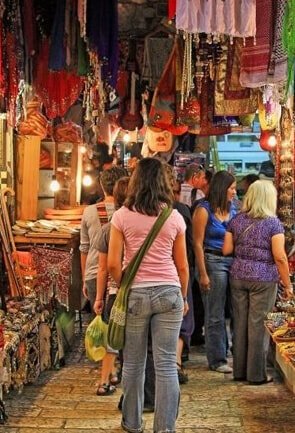
boasts the best seafood restaurants in South Asia and has more shops
and bazaars than you could ever hope to explore.
History
The seven islands that now form Mumbai were first home to the Koli
fisher folk, whose shanties still occupy parts of the city shoreline
today. The island were ruled by a succession of Hindu dynasties,
invaded by Muslim in the 14th century and then ceded to Portugal
by the Sultan of Gujarat in 1534. The Portuguese did little to develop
them before the major island of the group was included in Catherine
of Braganza's dowry when she married England's Charles II in 1661.
The British Government took possession of all seven islands in 1665
but leased them three years later to the East India Company for
a meagre annual rent. Bombay soon develop as a trading port, thanks
to its fine harbour and because merchants were attracted from other
parts of India by the British promise of religious freedom and land
grants. Bombay's fort was built in 1720s, and land reclamation projects
soon began the century-long process of joining the seven islands
into a single land mass. Although Bombay grew steadily during the
18th century, it remained isolated from its hinterland until the
British defeated the Marathas and annexed substantial portions of
Western India in 1818. Growth was spurred by the arrival of steam
ships and the construction of the first railway in Asia from Bombay
to Thane in 1853. Bombay played a formative role in the struggle
for Independence, hosting the first Indian National Congress in
1885 and the launched of the 'Quit India' campaign in 1942. After
Independence the city became capital of the Bombay Presidency, but
this was divided on linguistic grounds into Maharashtra and gujarat
in 1960. Since then Bombay was made the capital of Maharashtra,
the city of Bombay was officially renamed Mumbai in 1996.
Climate
Mumbai is warm and humid year round, and temperatures are stable
thanks to the moderating influence of the sea. There are three distinct
seasons: summer, monsoon and what is quaintly referred to as winter.
Summer lasts from March to mid-June and is characterized by high
temperatures, sticky humidity and short tempers. There's a slight
drop in temperature when the monsoon arrives from the south in mid-June
and proceeds to dump 2000mm of rain on the city over next three
months. It generally rains everyday, during the monsoon, but it
certainly doesn't rain all the time. There's then a short transition
to winter, which begins in earnest in mid-October and lasts until
late February. Winter means an average 2°C drop in temperature,
clear skies and fractionally lower humidity -anywhere else in the
world.
Population
15 million.
Main
Language
Marathi, Hindi, English
Telephone
Area Code
022.
Best
Time to Go
September to April.
|