History and Rituals behind the Celebration of Diwali Festival
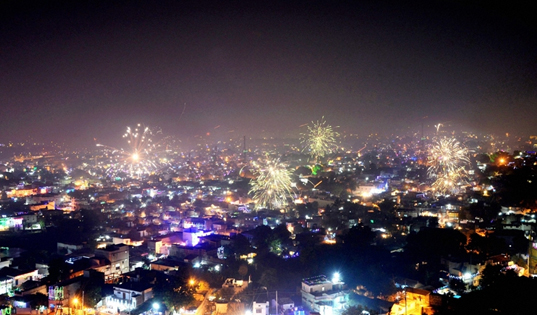
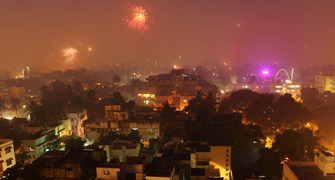
The festival of lights i.e. Diwali, is generally celebrated on the full moon light, sometime in the month of Ashwin and Kartika (October or November) according to the Hindu lunar calendar. However, the legend has it that the when Lord Rama (King of Ayodhya), defeated Ravana (demon king of Lanka), the people of Ayodhya to commemorate the return of Rama draped the whole kingdom with diyas. It is for the very reason, that the diyas has become an integral part of the Diwali festival. Furthermore, on this auspicious day, Goddess Lakshmi considered as the Goddess of wealth and God Ganesh, God of wisdom and learning are revered to bring good luck and prosperity in the coming year. After the 'puja' ceremony is over, people wish each other by distributing sweets, seek blessings from the older members of the house, enjoy bursting crackers and enjoy a lip-smacking dinner together.
Dhanteras festival marks the beginning of Diwali festival in India. It is a day when people engage in cleaning their homes and business premises. On this day, the birthdays of Goddess Lakshmi and Dhanvantari - considered as the Goddess of wealth and prosperity are offered special prayers.
Diyas are allowed to burn throughout the night to show respect and welcome the Goddess. According to many people, purchasing of new items, especially the kitchen utensils, gold and silver items are considered to bring good luck and prosperity. The merchants or traders stock up their shops with the desired items so that the people can celebrate the festival of lights with utmost joy.
Celebrating Diwali – Bringing Delight and Charm to the Life
People clean and decorate their homes with the colorful Rangoli and various other things to welcome Goddess Lakshmi with pure heart and seek her blessings. The markets come to life with many shops selling different gifting items like the dry fruit baskets, greeting cards, electronic gadgets, essential kitchen items, crockeries, lavish sweets and much more. People buy presents and gift them to their friends or family to bring huge smile into their faces.